
Achieving a professional, long-lasting paint finish on your walls starts with one crucial step: applying the right wall primer. Often overlooked, primer is the unsung hero of any successful painting project, creating the perfect foundation for your chosen topcoat. It’s more than just an extra layer; it’s an essential barrier that can save you time, money, and frustration down the line. Whether you’re dealing with bare drywall, stained surfaces, or simply want to ensure vibrant, even color, understanding the power of a good wall primer is paramount. In this guide, we’ll dive deep into why primer matters and how to choose the best interior paint primer for your specific needs, transforming your painting experience.
Why a Good Wall Primer is Non-Negotiable
Ignoring the priming step is a common mistake that can lead to significant issues. A high-quality wall primer serves multiple vital functions. Firstly, it enhances paint adhesion, preventing peeling and blistering down the road. This means your topcoat will bond more effectively to the surface, resulting in a smoother, more durable finish. Secondly, primer seals porous surfaces like new drywall or patched areas, ensuring that your paint doesn’t soak in unevenly. This prevents splotchy finishes and helps you achieve consistent color with fewer coats, ultimately saving paint and effort.
Furthermore, primer can mask minor imperfections and stains, creating a uniform base. For surfaces with water stains, smoke damage, or even old, dark colors you’re trying to cover, a specialized stain-blocking primer is essential. It prevents these blemishes from bleeding through your new paint, which can be a frustrating and costly problem if not addressed properly. Investing in the right primer upfront guarantees a far superior and more enduring result.
Selecting the Best Interior Paint Primer
Choosing the best interior paint primer depends on your specific wall conditions and painting goals. For new drywall or plaster, a basic PVA (polyvinyl acetate) primer sealer is ideal. It effectively seals the surface, ensuring uniform absorption of paint. If you’re painting over existing walls with varying sheens or minor imperfections, a quality all-purpose acrylic latex primer is a versatile choice. It offers good adhesion, helps cover minor flaws, and prepares the surface for a smooth topcoat.
For challenging surfaces, such as those with significant stains, smoke damage, pet odors, or deep colors you wish to cover, an oil-based primer or a shellac-based primer is often recommended. Oil-based primers are excellent stain blockers and offer superior adhesion, though they require mineral spirits for cleanup. Shellac primers are even more aggressive stain and odor blockers and dry very quickly, making them suitable for specific problematic areas. Always read product labels carefully to match the primer to your project’s demands.
Application Tips for Optimal Results with Wall Primer
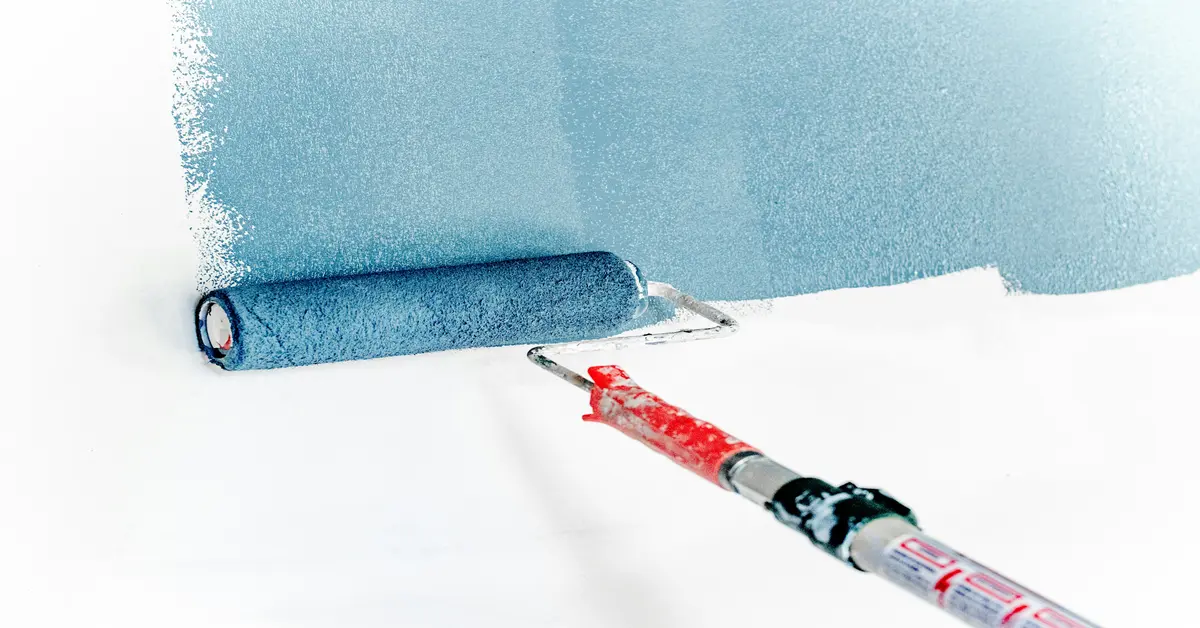
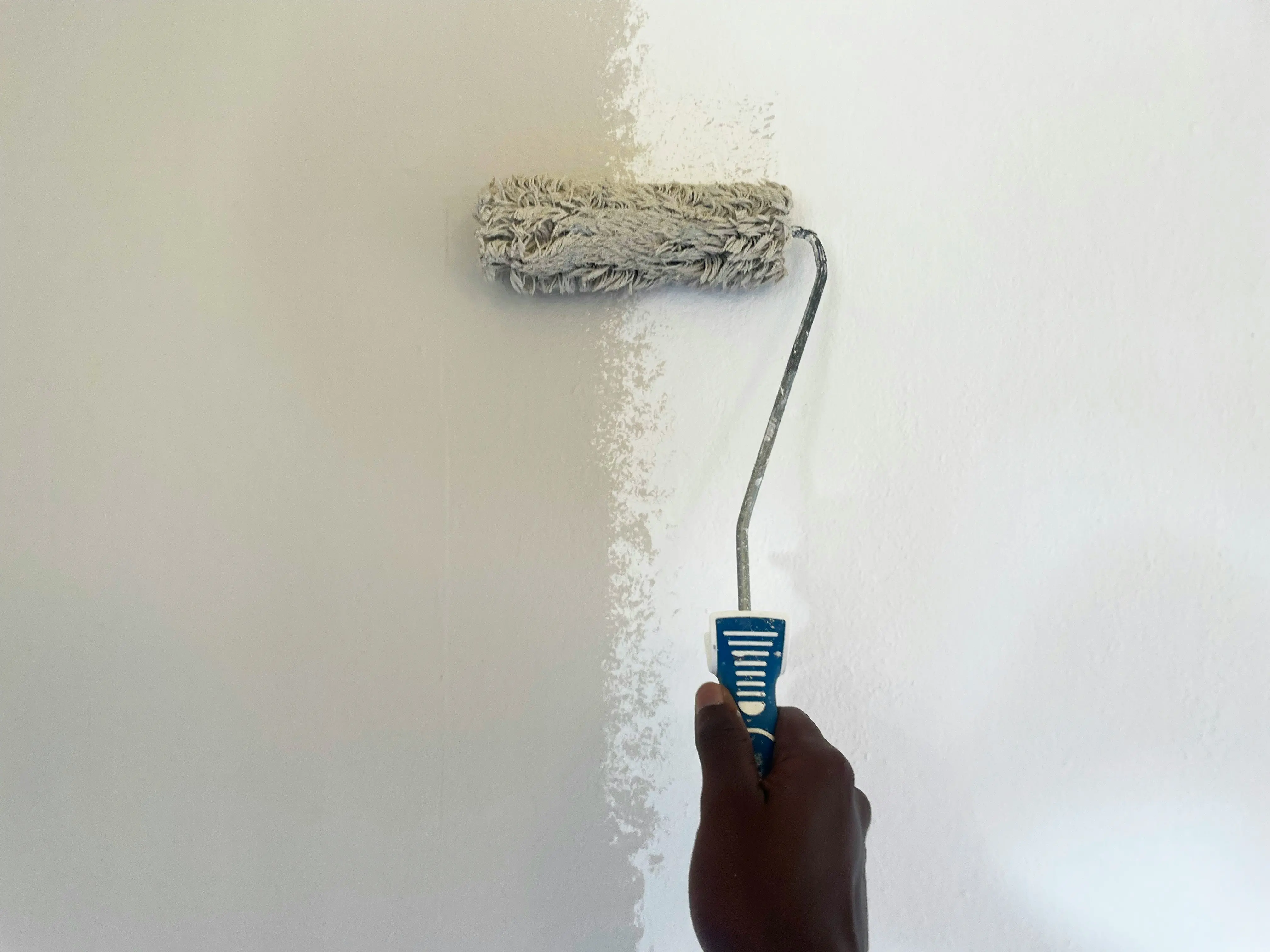
Proper application of your wall primer is just as important as choosing the right one. Begin by ensuring your walls are clean, dry, and free of dust or grease. Any loose paint should be scraped, and repairs like填d holes or cracks should be completed and sanded smooth. Apply primer using a good quality roller and brush, similar to how you would apply paint. Work in sections, maintaining a wet edge to avoid lap marks.
For most applications, one coat of primer is sufficient. However, if you are covering very dark colors, severe stains, or highly porous surfaces, a second coat might be beneficial after the first has fully dried according to the manufacturer’s instructions. Pay close attention to corners, edges, and areas around trim, ensuring even coverage. Allow adequate drying time before applying your topcoat; rushing this step can compromise the primer’s effectiveness and lead to a less than perfect finish.
The Role of Wall Primer in Durability and Finish
The long-term durability and aesthetic appeal of your painted walls are significantly influenced by the underlying primer. A correctly applied good wall primer creates a stable, consistent surface that allows your paint to cure properly. This means the paint will be less prone to chipping, scratching, and fading over time. Primer also helps to achieve a more uniform sheen, especially with paints that have a higher gloss. Without primer, porous walls can absorb paint unevenly, leading to flat spots or areas with patchy sheen, detracting from the overall professional appearance.
Ultimately, primer acts as an investment that protects your paint job and extends its lifespan. It enhances the vibrancy of colors, ensures a smoother texture, and contributes to the overall resilience of your wall finish. Don’t underestimate its power in delivering a superior, long-lasting result that you’ll be proud of for years to come.
Wall Primer FAQ
What is the main purpose of wall primer?
The main purpose of wall primer is to prepare the surface for paint, enhancing adhesion, sealing porous materials, blocking stains, and ensuring a uniform topcoat finish.
Is a wall primer always necessary before painting?
While not always strictly necessary for every situation (e.g., painting over existing clean paint of a similar color), a good wall primer is highly recommended for new drywall, stained surfaces, color changes, or uneven substrates to achieve optimal results.
How long does wall primer need to dry before painting?
Drying times for wall primer vary by product and environmental conditions, but typically range from 1 to 4 hours. Always consult the specific manufacturer’s instructions on the primer can for accurate drying and recoat times.
Can I use wall primer as a topcoat paint?
No, wall primer is not designed to be a final topcoat. It lacks the durability, aesthetic finish, and protective qualities of a topcoat paint. It serves solely as a preparatory layer.
What’s the difference between primer and paint-and-primer-in-one products?
Paint-and-primer-in-one products are often a convenient option for minor tasks or painting over surfaces in good condition. However, for significant issues like bare drywall, heavy staining, or drastic color changes, a dedicated wall primer generally offers superior performance and better long-term results.

Concluding Thoughts on Wall Primer
Understanding the critical role of wall primer is the first step toward achieving truly professional and durable paint results. From enhancing adhesion and sealing porous surfaces to blocking stubborn stains and ensuring color uniformity, a good wall primer is an indispensable tool in any painter’s arsenal. By investing a little extra time and care in selecting and applying the best interior paint primer for your project, you’ll save yourself headaches and additional costs down the line. Don’t compromise on this foundational step; embrace the power of primer for walls that look fantastic and last for years. Ready to transform your space? Discover the perfect primer for your next painting adventure!