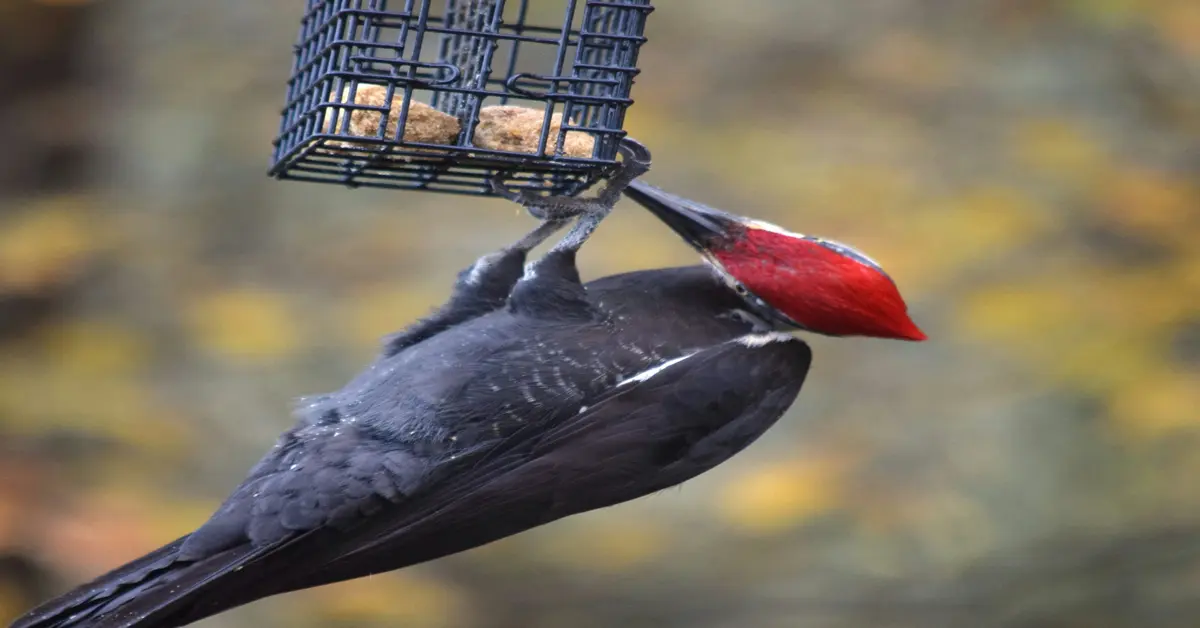
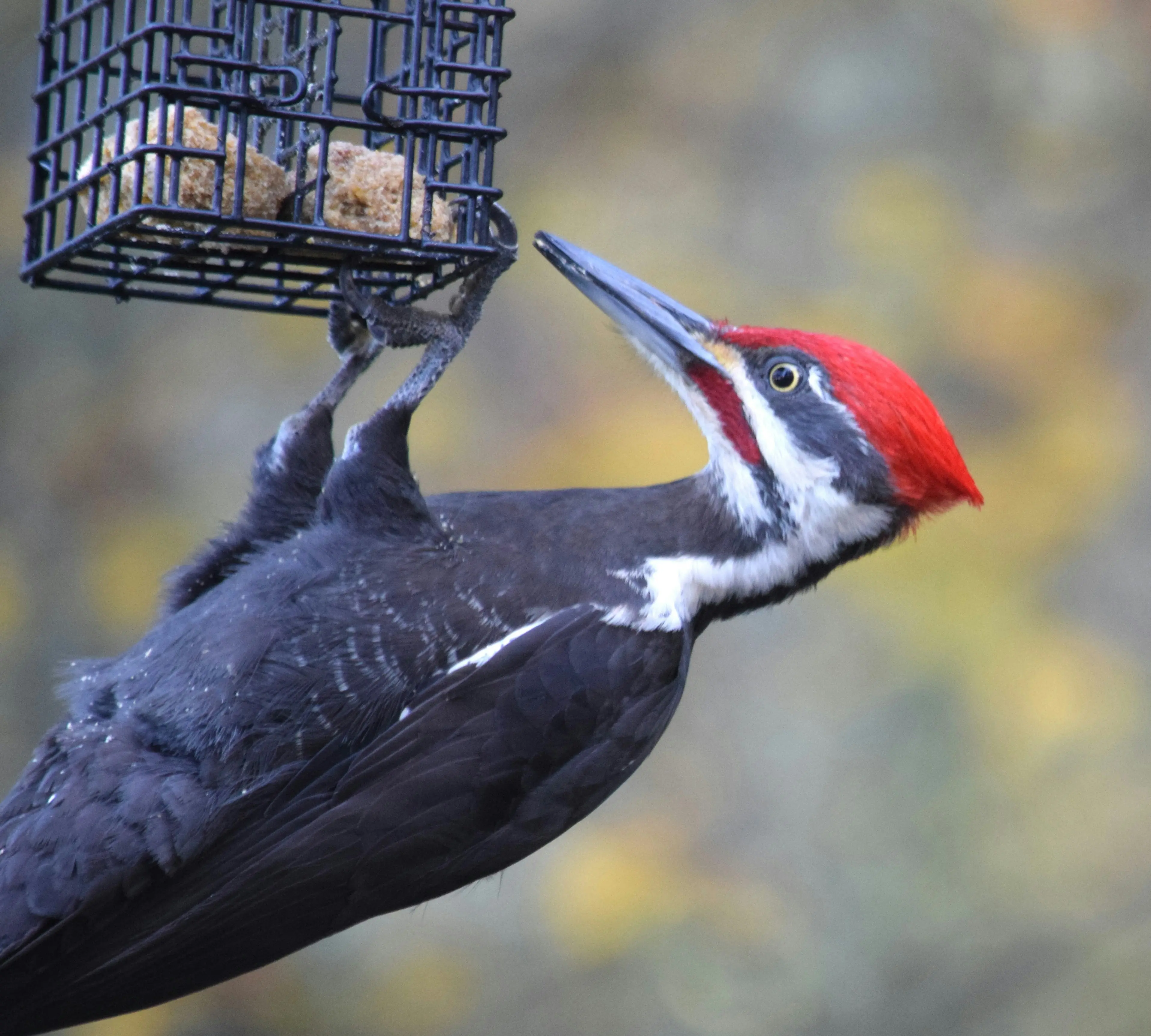
Attracting a vibrant array of winged visitors to your garden is a joy for any nature enthusiast. Among the most effective and beloved feeders for wild feeder/”>birds, particularly during colder months, are suet cakes for birds. These energy-rich blocks provide essential fats and calories, crucial for birds to maintain their body temperature and fuel their active lifestyles. Understanding the benefits and best practices for using suet cakes can transform your backyard into a bustling haven for woodpeckers, chickadees, nuthatches, and many other fascinating species. Let’s delve into why suet is such a vital food source and how you can best offer it to your feathered friends.
The Essential Role of Suet Cakes For Birds in Winter
As temperatures drop, finding enough food becomes a critical challenge for many bird species. Insects become scarce, and natural seed sources may be covered by snow and ice. This is where suet cakes for birds become an invaluable resource. Packed with rendered animal fat, often mixed with seeds, nuts, or even dried fruit, suet provides a concentrated source of energy. This high-calorie fuel helps birds survive harsh conditions, giving them the sustained energy needed for foraging, flying, and keeping warm. Offering suet can dramatically increase the survival rates of birds in your area during the lean winter months.
Why Choose Suet for Your Backyard Birds?
- High Energy Content: Suet is primarily fat, offering more calories per bite than most seeds.
- Attracts Diverse Species: While known for attracting woodpeckers, many other birds like jays, wrens, and flickers also enjoy bird suet.
- Weather Resistant: Good quality suet holds up well in cold weather and doesn’t freeze solid, making it accessible to birds.
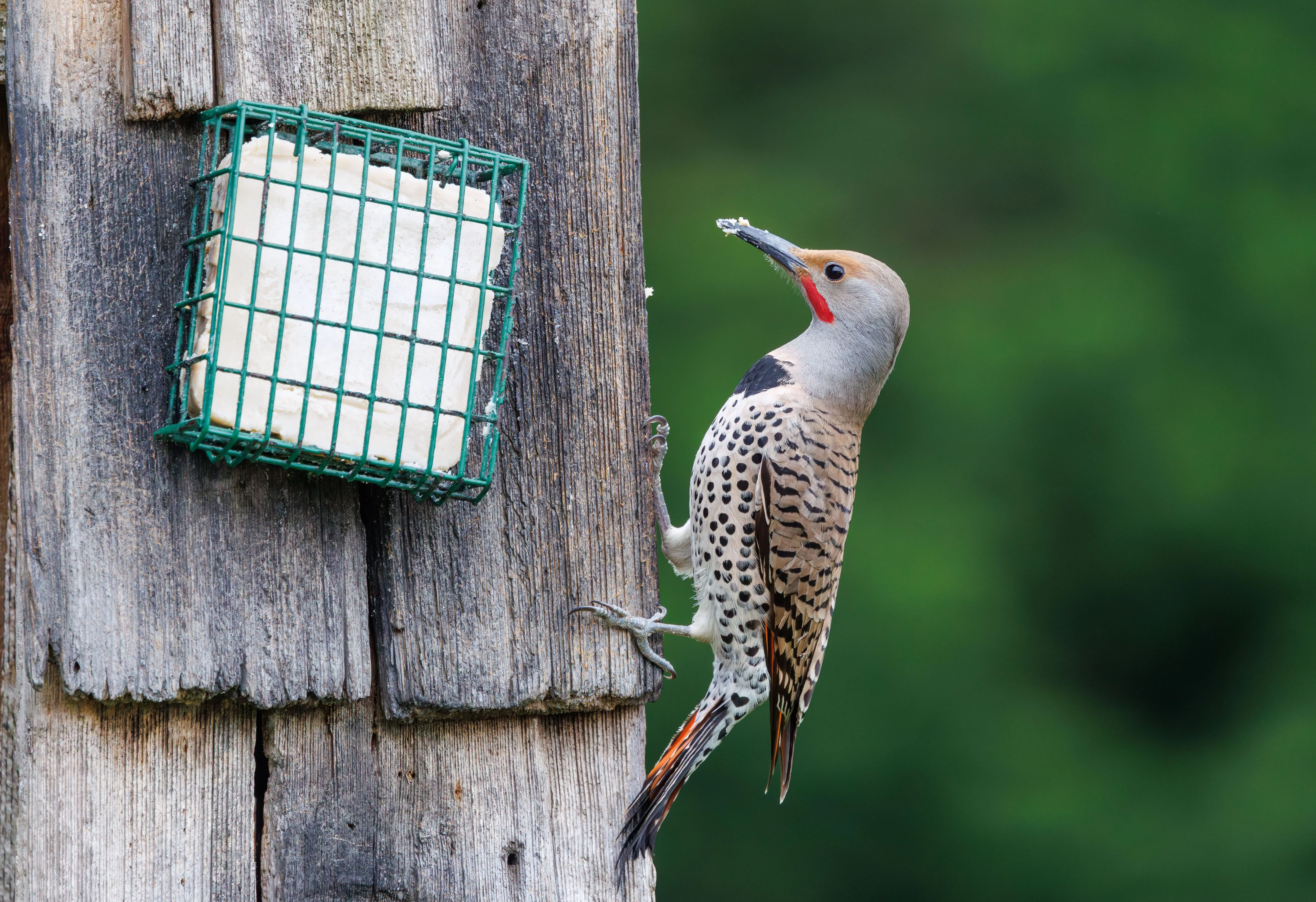
- Easy to Use: Suet cakes fit into readily available wire or cage feeders, keeping them clean and secure.
Types of Bird Suet and Their Benefits
Not all suet is created equal, and understanding the different varieties can help you cater to specific bird preferences and seasonal needs. Traditional suet usually consists of rendered beef fat. Modern bird suet options include no-melt varieties, which incorporate a higher melting point to prevent them from becoming greasy or rancid in warmer weather. Other popular types include suet mixed with peanut butter, corn, mealworms, or chili peppers (which birds can’t taste but squirrels dislike). Offering a variety of suet types can attract a broader range of species to your feeder. Consider what birds you hope to attract and the climate in your region when selecting your suet.
Optimal Placement and Feeder Choices for Suet
The success of your suet-feeding station depends heavily on its placement and the type of feeder you use. Suet cakes are typically offered in wire cages or mesh bags. Mount these feeders on tree trunks, posts, or hanging from branches. Ensuring the feeder is within sight of protective cover like dense shrubs or trees allows birds to quickly escape from predators. Avoid placing suet in direct sunlight during warmer months unless using a no-melt variety. Keep feeders clean by regularly scrubbing them with a mild soap solution and drying thoroughly to prevent mold and bacteria growth. Observing your specific bird visitors can also inform your placement decisions.
Common Questions About Suet Cakes For Birds
Is suet good for birds all year round?
While suet is most crucial in winter, no-melt suet can be offered year-round. Birds still benefit from the energy boost, especially during nesting season or periods of high activity.
What birds eat suet cakes?
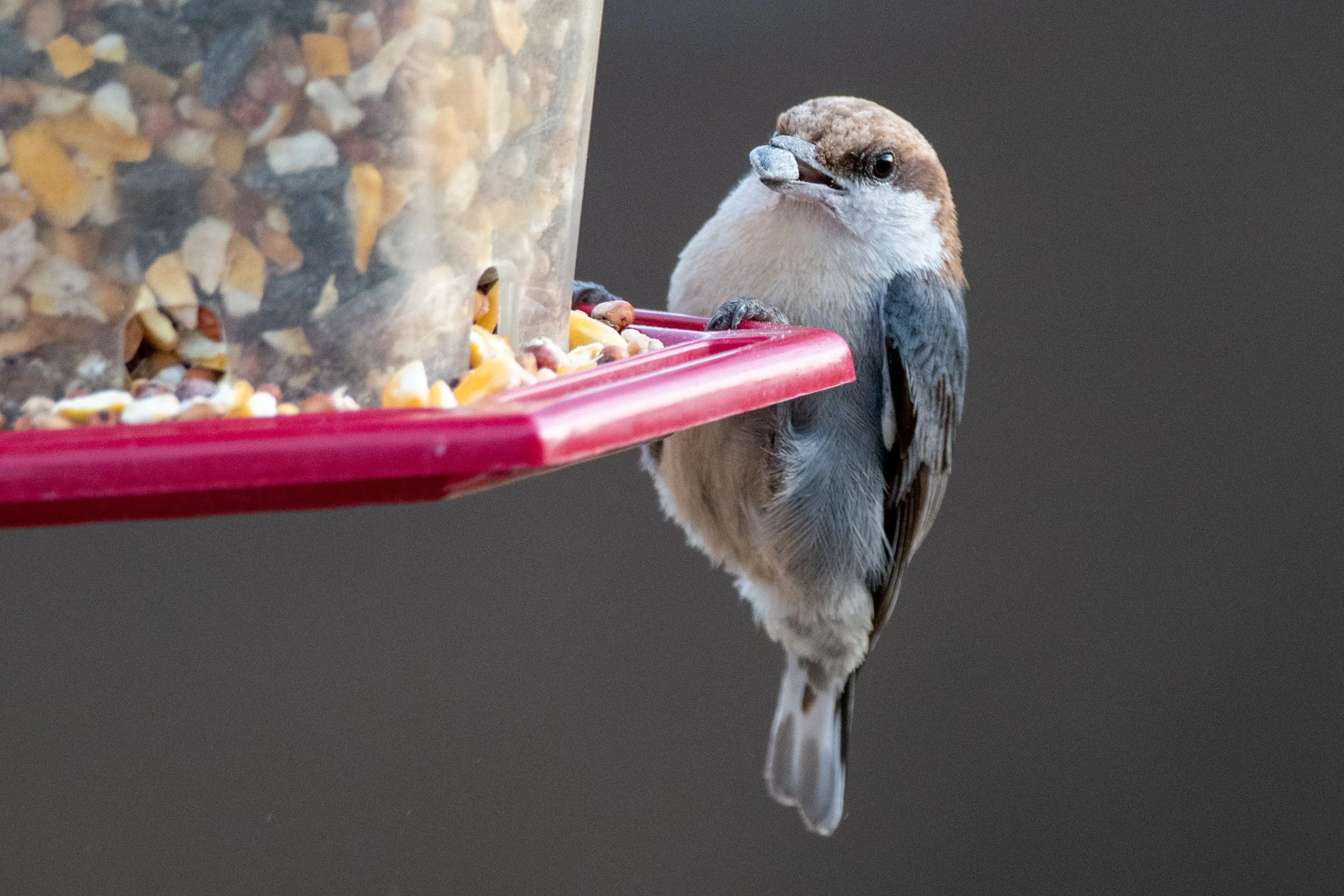
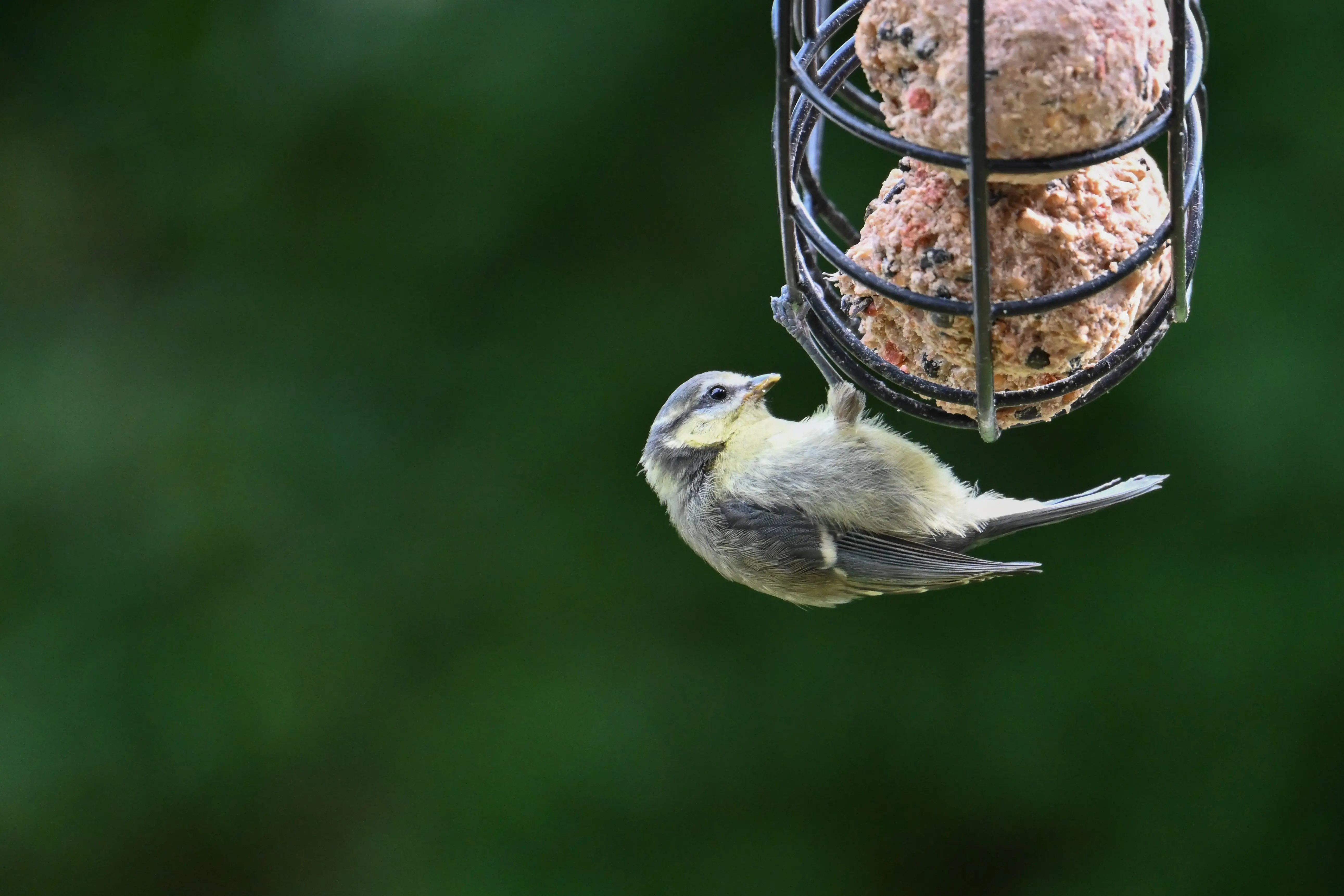
Many birds enjoy suet, including woodpeckers (downy, hairy, red-bellied), chickadees, nuthatches, wrens, flickers, jays, and even some warblers.
How often should I replace suet cakes?
Replace suet cakes when they are depleted, rancid, or show signs of mold. In cold weather, they can last longer, but in warm weather, check them frequently.
Can squirrels eat suet for birds?
Yes, squirrels love suet. To deter them, use squirrel-resistant feeders, offer hot pepper suet (birds are immune), or place feeders strategically.
Where is the best place to hang a suet feeder?
Hang suet feeders in a shady spot, sheltered from strong winds, and near protective cover like trees or shrubs. This provides safety and comfort for the birds.
Conclusion: A Thriving Ecosystem with Suet
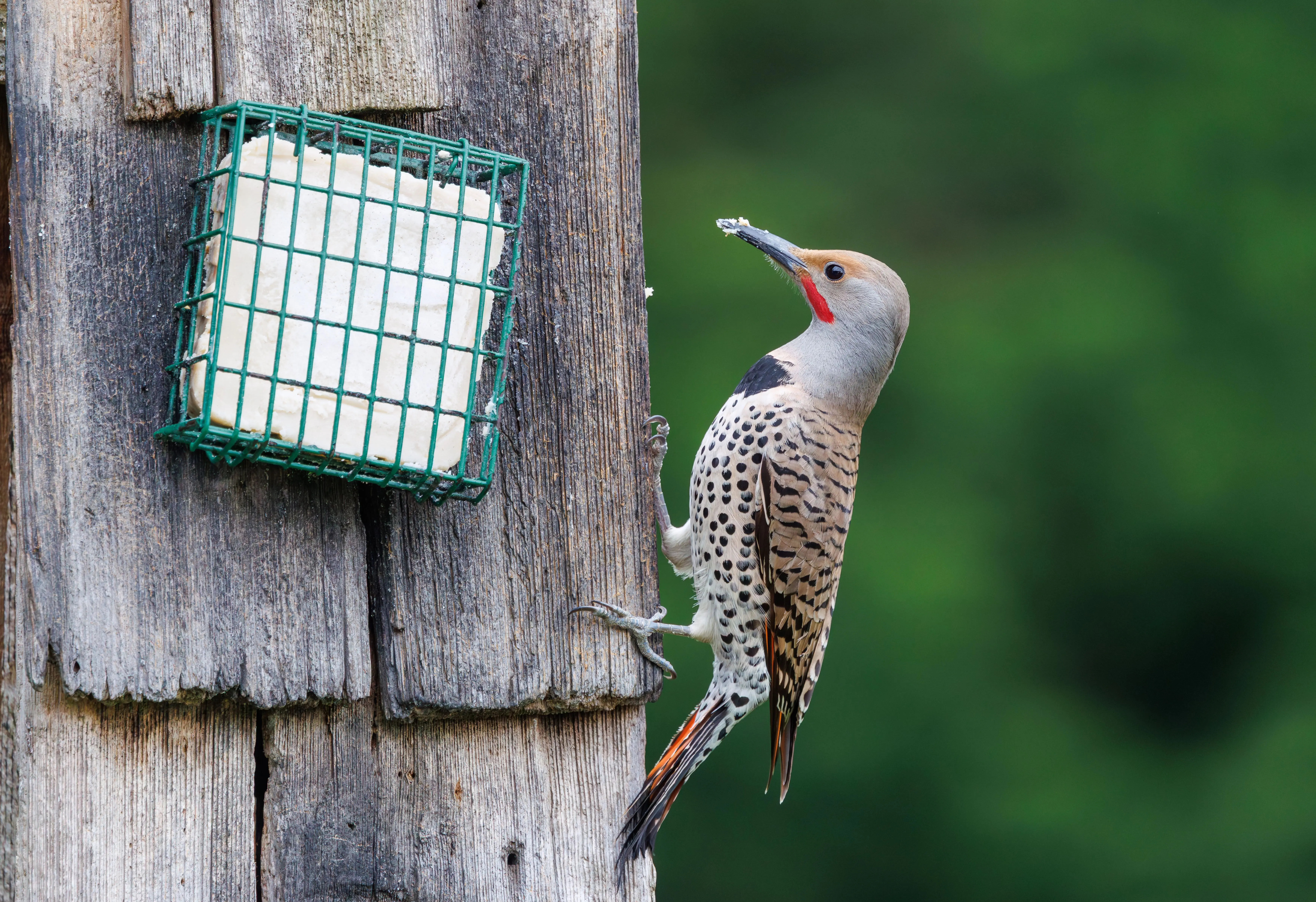
Integrating suet cakes for birds into your feeding routine is a simple yet profoundly impactful way to support local wildlife. Beyond providing vital sustenance, particularly when natural food sources are scarce, suet feeders offer endless opportunities for birdwatching enjoyment. Witnessing the diverse species that visit, from the industrious chickadee to the striking red-bellied woodpecker, brings immense satisfaction. By understanding the best types of suet, proper feeder placement, and essential hygiene, you can ensure your backyard remains a healthy and inviting haven for feathered friends throughout the seasons. Start offering bird suet today and observe the wonderful difference it makes to your garden’s ecosystem!