
Ever been in that frustrating situation where a rogue pen leaves an unwanted mark on your favorite shirt or an important document? You’re not alone! white-abstract-art/”>ink stains can seem daunting, but with the right techniques and a reliable ink remover, those unsightly blemishes can often be a thing of the past. From ballpoint blunders to permanent marker mishaps, understanding how to tackle different types of ink is key to successful stain removal. This comprehensive guide will equip you with the knowledge and actionable tips to confidently confront common ink woes, saving your clothes, furniture, and sanity.
We’ll explore a range of effective strategies, from household remedies to specialized products, ensuring you’re prepared for any ink-related emergency. Get ready to reclaim your belongings from the clutches of stubborn stains!
Understanding Different Ink Types and Their Challenges
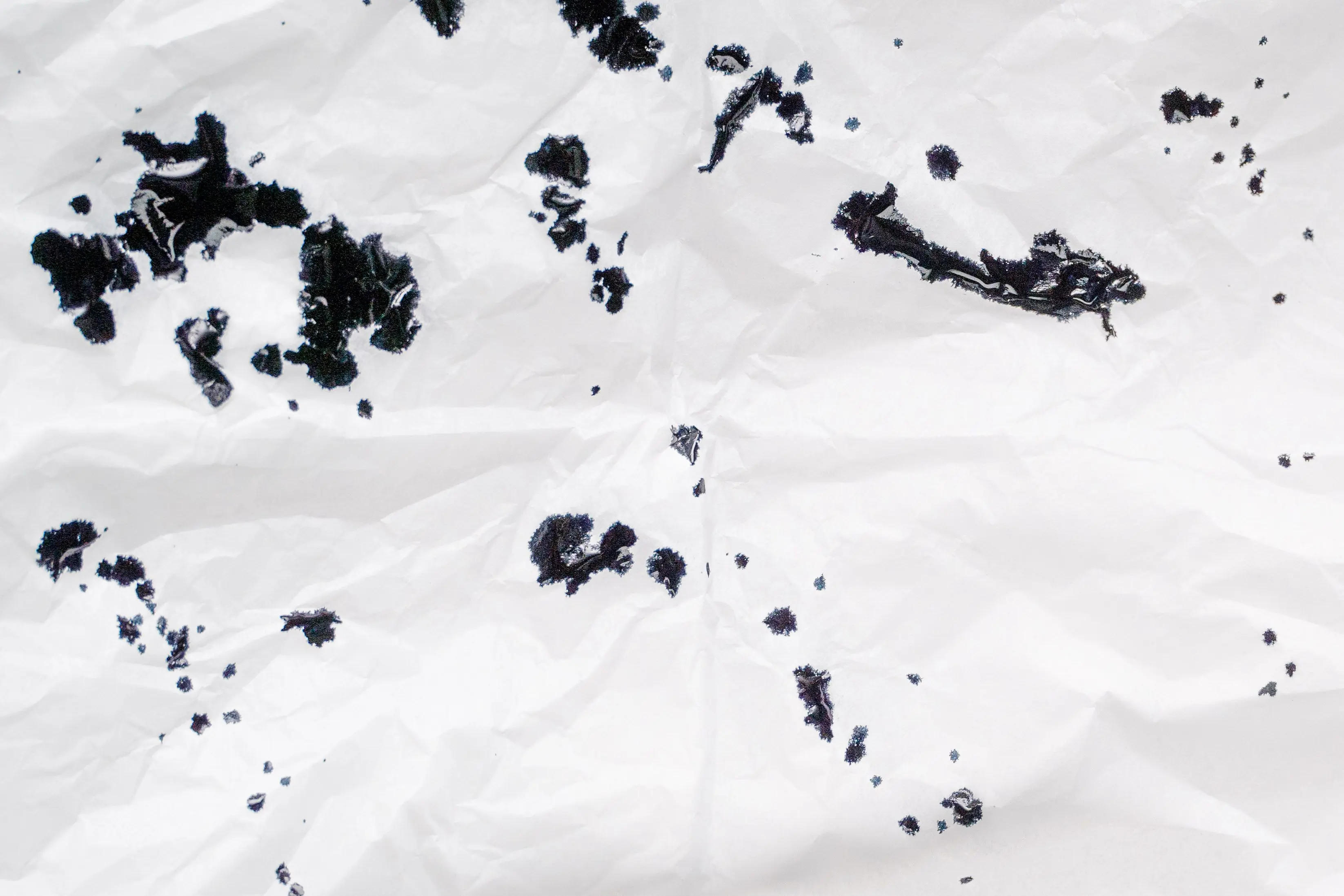
Not all ink is created equal, and knowing the type of ink you’re dealing with can significantly impact your removal strategy. Water-based inks, often found in washable markers and some fountain pens, are generally the easiest to remove. Oil-based inks, prevalent in ballpoint pens, require a different approach due to their composition. Permanent markers and printer inks contain more resilient dyes and solvents, making them the toughest challengers.
The surface material also plays a crucial role. Fabric, wood, plastic, and paper each react differently to various cleaning agents. For delicate fabrics, gentle methods are preferred, while more robust materials might withstand stronger treatments. Always perform a patch test in an inconspicuous area before applying any ink remover directly to the stain to prevent damage or discoloration.
Effective Household Solutions for Ink Stains
Before reaching for specialized products, many common household items can serve as excellent ink remover solutions. For fresh ballpoint pen stains on fabric, rubbing alcohol or hand sanitizer can be surprisingly effective. Apply a small amount to a clean cloth and blot the stain, working from the outside in to prevent spreading. Repeat until the ink is no longer transferring to the cloth.
White vinegar mixed with cornstarch can create a paste for lifting ink from carpets or upholstery. Lemon juice, a natural bleaching agent, can also work on some ink stains, particularly on white fabrics when exposed to sunlight. Remember to rinse thoroughly after using any of these methods to remove residue.
When to Use a Specialized Ink Remover Pen
For on-the-go emergencies or particularly stubborn stains, a dedicated stain remover pen can be a lifesaver. These pens often contain powerful solvents designed to break down ink pigments quickly and efficiently. They are especially useful for small, fresh stains on clothing when you’re away from home. The precise applicator allows you to target the stain without saturating the surrounding area.
While convenient, it’s important to follow the instructions on the pen carefully. Most require blotting the treated area with a clean cloth or tissue. For older or larger stains, a pen might only be a first step, and further treatment with a more robust ink remover might be necessary once you get home.
Tackling Tougher Ink Stains: Permanent Markers & Printer Ink
Permanent marker and printer ink stains require more aggressive tactics. For non-porous surfaces like plastic or metal, denatured alcohol, nail polish remover (acetone), or even dry erase marker (write over the permanent marker and wipe away) can be effective. Always ensure good ventilation when using strong solvents.
On fabrics, these types of inks are more challenging. Pre-treating with a heavy-duty laundry pre-treater specifically designed for ink, followed by a hot wash (if the fabric allows), can help. Some professional dry cleaners also offer specialized services for permanent ink removal. Patience and multiple applications may be needed for complete success.

FAQs About Ink Removal
Can hairspray really remove ink stains?
While hairspray used to contain alcohol that could dissolve some inks, most modern formulations are less effective. Rubbing alcohol or hand sanitizer are generally better choices.
Is it safe to use nail polish remover on all fabrics?
No, acetone in nail polish remover can damage or discolor synthetic fabrics like acetate and rayon. Always patch test first or avoid using it on delicate materials.
How do I remove ink from wood furniture?
For finished wood, a paste of baking soda and water or denatured alcohol applied carefully with a cotton swab can work. For unfinished wood, it’s much harder and may require sanding.
What’s the best way to get ink out of a carpet?
Blot with rubbing alcohol or a specialized carpet cleaner. Avoid rubbing, as this can spread the stain and push it deeper into the fibers.
Will bleach remove ink stains?
Bleach can remove ink stains from white, bleach-safe fabrics, but it can also damage fabric fibers and cause discoloration on colored items. Use with extreme caution and as a last resort.
Conclusion: Your Guide to a Stain-Free Life
Dealing with ink stains no longer has to be a source of panic. By understanding the different types of ink and materials, and having a few reliable solutions on hand, you can confidently tackle almost any ink-related mishap. Whether it’s a quick fix with a stain remover pen or a more intensive treatment using household items, the key is often to act quickly and choose the appropriate method.
Don’t let a small spill ruin your day or your favorite items. With the right ink remover strategy, you can keep your clothes, upholstery, and peace of mind pristine. Explore these tips and tricks to maintain a spotless environment and confidently face any ink challenge that comes your way.