
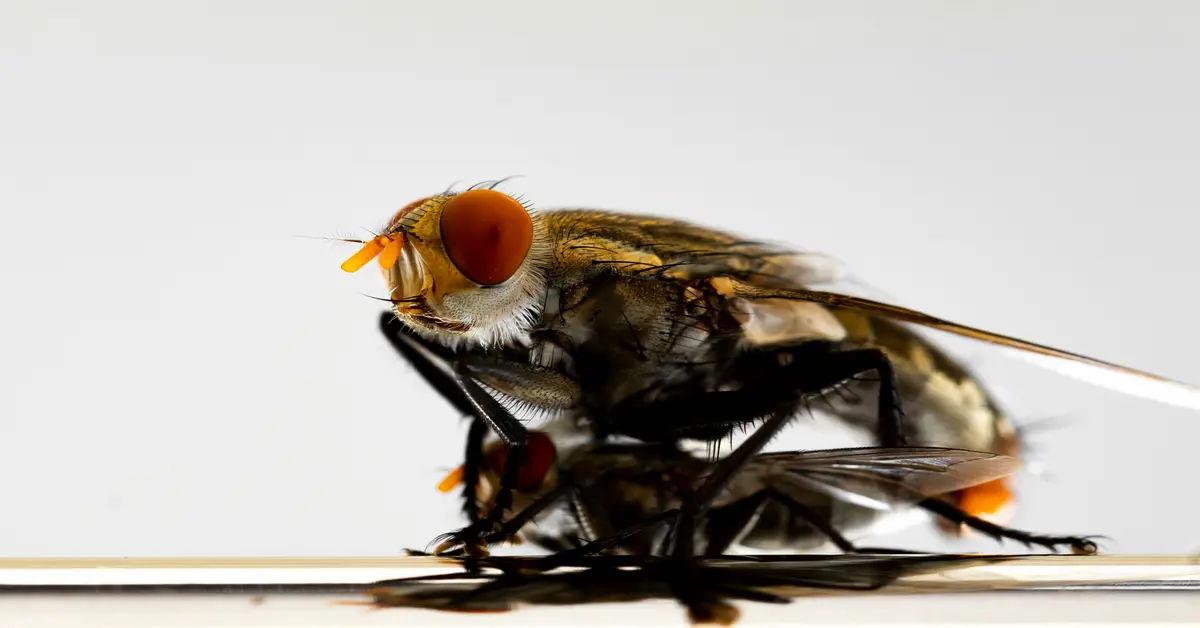
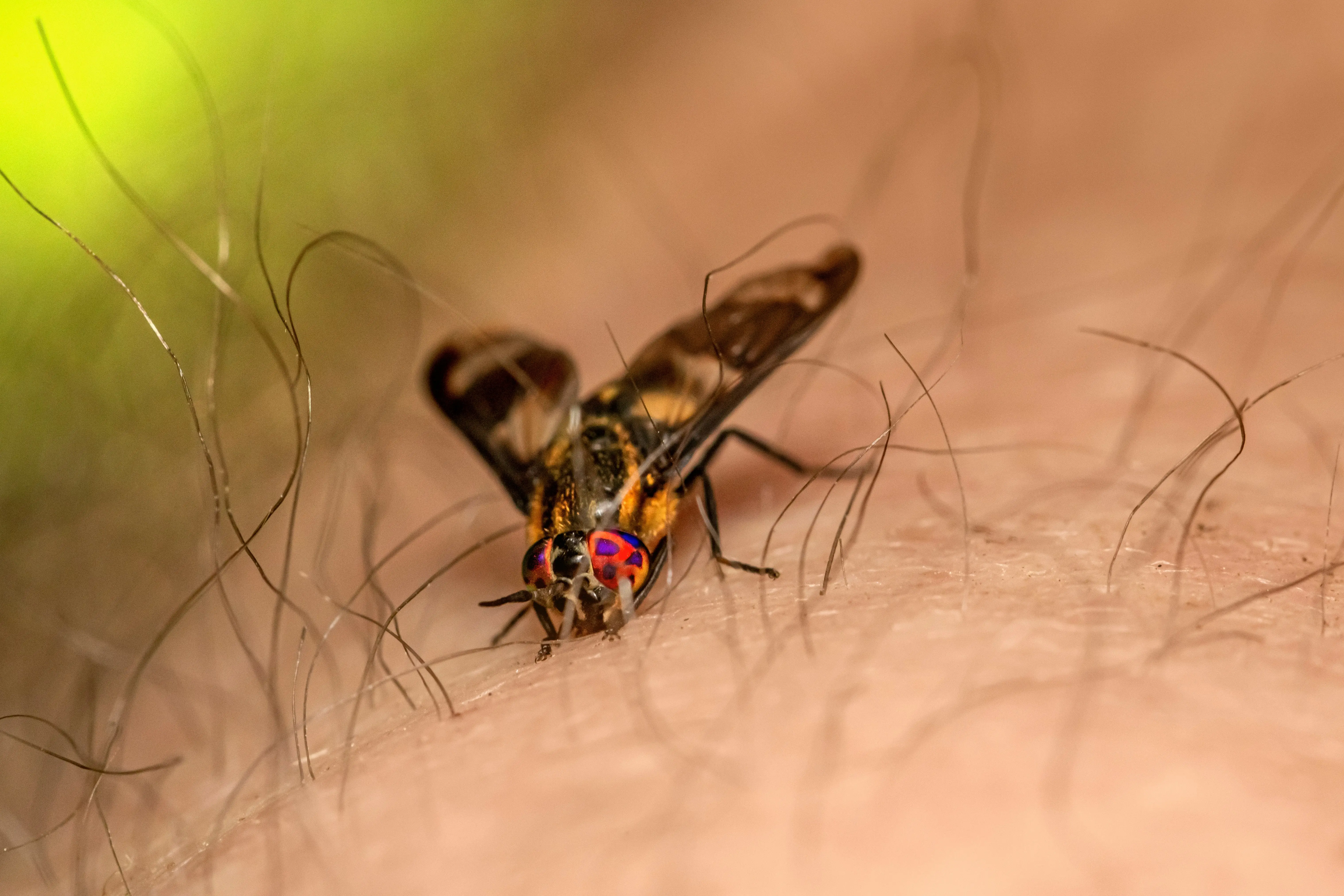
flies are undoubtedly one of the most annoying pests to invade our homes. Their persistent buzzing and germ-carrying habits make them unwelcome guests. If you’re tired of swatting and spraying, you might be wondering, what scent do flies hate? The good news is, nature provides an array of aromas that send these winged intruders packing. Understanding these natural deterrents is key to maintaining a fly-free environment without resorting to harsh chemicals. This guide will delve into the specific scents that flies find repulsive, offering you practical and eco-friendly solutions to keep your home comfortable and hygienic.
From the refreshing zest of citrus to the pungent kick of certain herbs, many common household items can be repurposed into effective fly repellents. We’ll explore how these scents work, provide tips on application, and even share some DIY methods for creating your own fly-banishing concoctions. Say goodbye to pesky flies and hello to a more pleasant living space as we uncover the aromatic secrets to keeping them away for good.
The Power of Essential Oils Against Flies
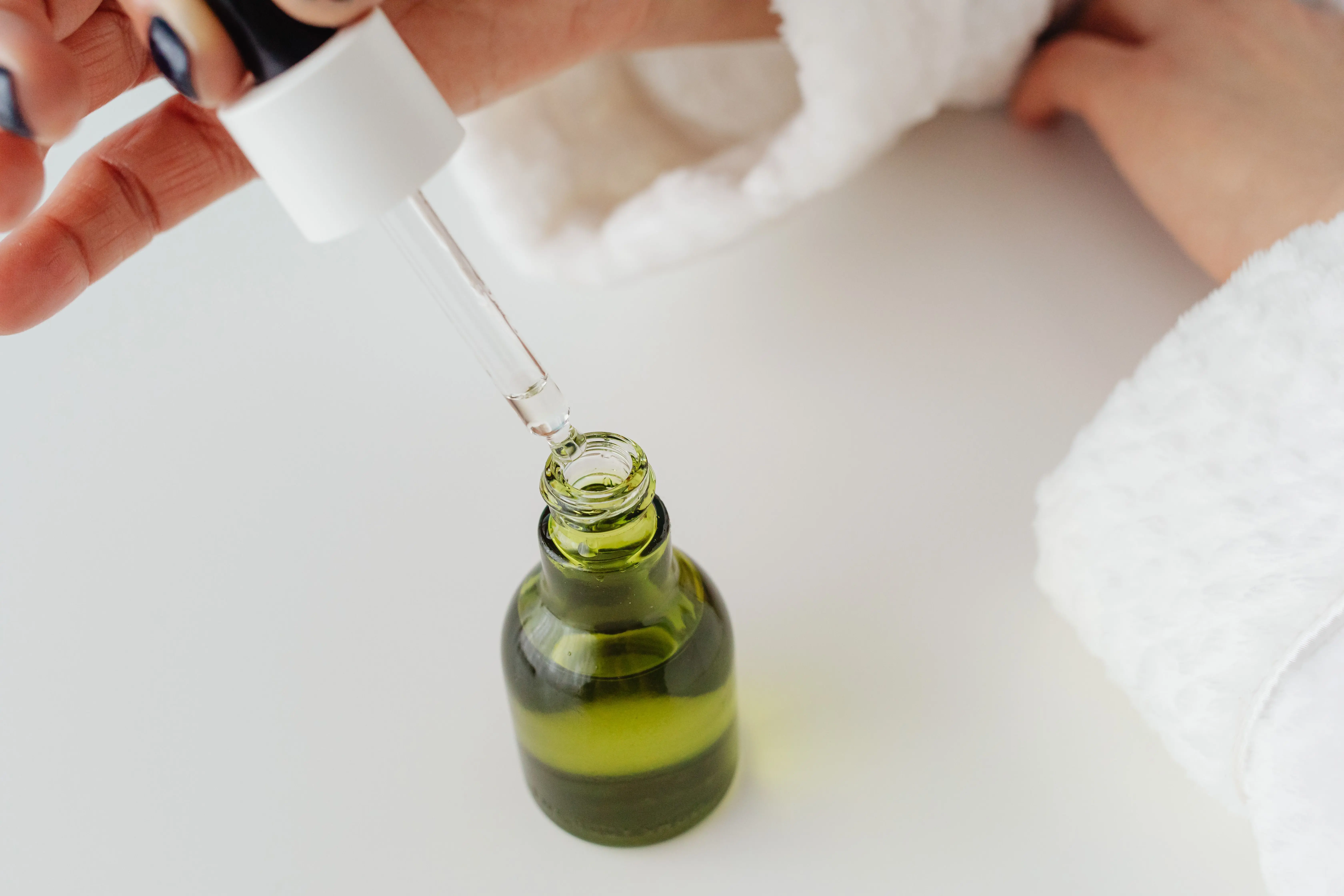
Essential oils are highly concentrated plant extracts known for their potent aromas. Many of these scents, while pleasant to humans, are absolutely detestable to flies. The compounds in these oils interfere with a fly’s olfactory receptors, disorienting them and making areas treated with these scents unappealing. This makes essential oils a fantastic answer to the question, what scent do flies hate?
- Peppermint Oil: A strong, minty aroma that flies cannot stand.
- Lavender Oil: Its floral scent is a powerful deterrent, especially for house flies.
- Eucalyptus Oil: Known for its robust, camphorous smell that repels many insects.
- Lemongrass Oil: Offers a citrusy, herbaceous scent that is highly effective.
- Clove Oil: Has a spicy, pungent aroma that flies actively avoid.
To use these oils, you can add a few drops to cotton balls and place them near windows and doors, or create a DIY spray by mixing them with water and a little witch hazel. Regularly refreshing these applications will maintain their effectiveness.
Herbs and Spices: Natural Fly Banishing Scents
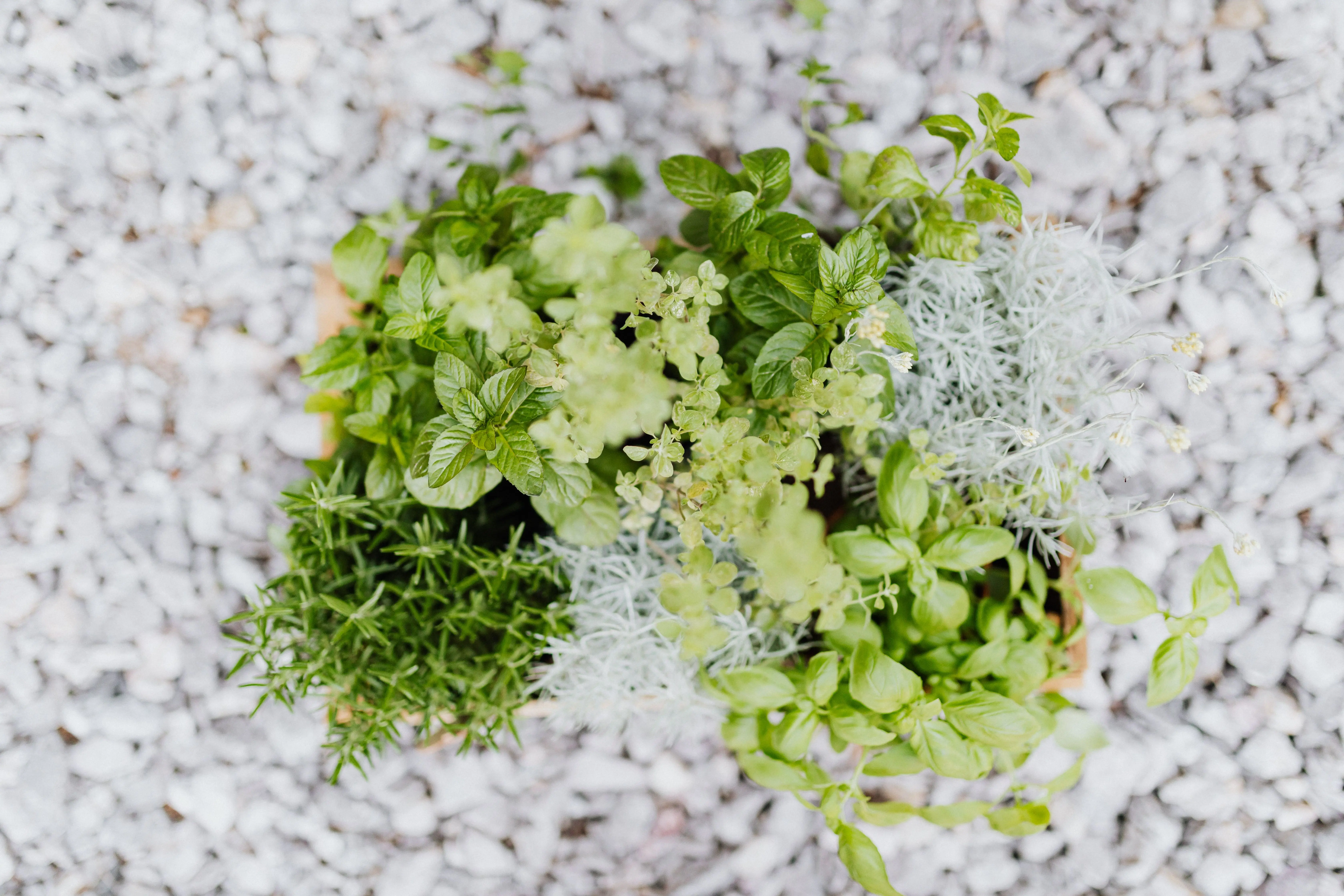
Your herb garden and spice rack hold more than just culinary delights; they also contain powerful fly deterrents. The strong, distinct aromas of many herbs and spices are a natural answer to what scent do flies hate. Growing these plants near entry points or placing fresh sprigs around your home can significantly reduce fly activity.
- Basil: Known for its sweet, peppery aroma, basil plants are excellent for deterring flies.
- Rosemary: Its woody, evergreen scent is disliked by flies and many other insects.
- Mint: All varieties of mint, including spearmint and peppermint, are effective fly repellents.
- Bay Leaf: Placing dried bay leaves in pantries or on countertops can keep flies away from food.
- Cloves: Whole cloves, especially when studded into an orange or lemon, create a potent fly-repelling pomander.
Consider planting these herbs in pots on your patio or near kitchen windows. For indoor use, crush a few leaves to release their aroma, or make sachets to place in problem areas.
Citrus Scents: A Refreshing Fly Repellent
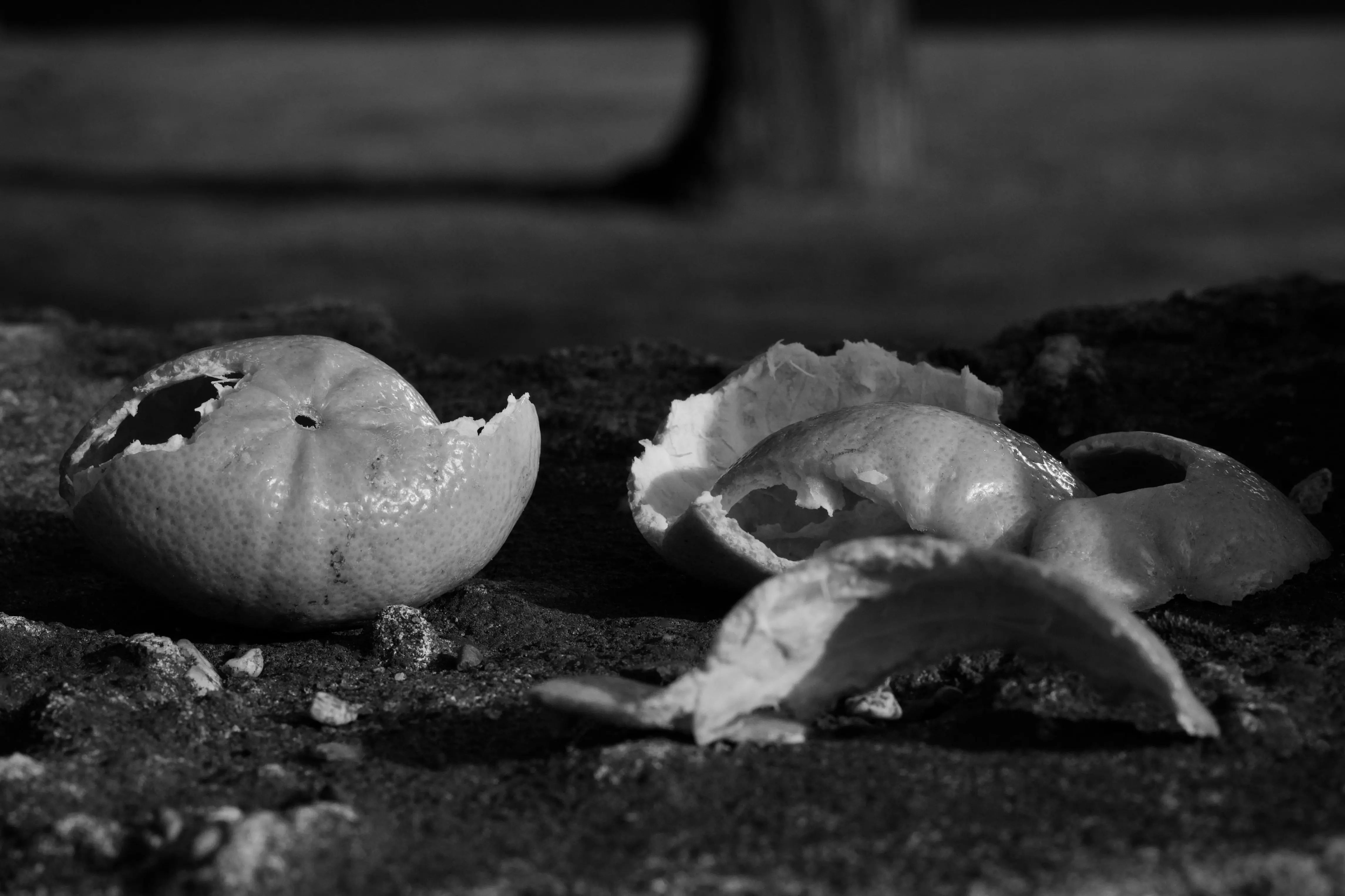
The bright, zesty aroma of citrus fruits is another scent that flies find highly offensive. The limonene and other compounds in citrus peels act as natural insecticides and repellents. This makes citrus a delightful answer to what scent do flies hate, as it leaves your home smelling fresh and clean.
- Lemon: Place lemon peels or slices near windows, doors, and fruit bowls.
- Orange: Similar to lemons, orange peels can be used as a natural deterrent.
- Lime: The strong, tart scent of lime is also effective in repelling flies.
- Grapefruit: Its robust citrusy smell helps keep flies at bay.
You can create a simple fly repellent spray by boiling citrus peels in water, letting it cool, and then straining the liquid into a spray bottle. Use this spray on surfaces, but avoid delicate fabrics. For a long-lasting effect, slice a lemon or orange, insert whole cloves, and place them in areas where flies congregate.
Vinegar: More Than Just a Cleaning Agent
While not a pleasant scent for humans either, vinegar, particularly apple cider vinegar, is a surprisingly effective fly deterrent. Flies are attracted to the fermentation process of fruit, which is present in apple cider vinegar, but they are often repelled by its strong acidity when used in concentrated forms or as a trap where they drown. To answer what scent do flies hate, vinegar serves a dual purpose.
For deterrence, a bowl of apple cider vinegar mixed with a few drops of dish soap can act as a trap. Flies are lured by the fermenting fruit scent but get stuck in the soapy solution. For general repulsion, you can wipe down surfaces with a diluted white vinegar solution. The lingering acidic smell, though temporary, will discourage flies from landing. Ensure good ventilation when using vinegar indoors due to its strong odor.

Why Flies Hate Certain Scents
Flies, like many insects, rely heavily on their sense of smell to find food, mates, and suitable breeding grounds. The scents they hate disrupt these crucial processes. These repulsive aromas often contain compounds that are toxic to flies, interfere with their nervous system, or simply mask the appealing scents they are looking for. For instance, the strong, pungent notes in peppermint or clove oil can overwhelm their delicate olfactory receptors, making it difficult for them to navigate or find anything attractive in the vicinity. Understanding this biological mechanism helps us pinpoint exactly what scent do flies hate and why these natural methods are so effective without causing harm to humans or pets.

Frequently Asked Questions About Fly Repellents
What is the absolute best natural fly repellent?
While effectiveness can vary, peppermint oil is often cited as one of the most potent natural fly repellents due to its strong, pervasive aroma that flies detest.
Can I use candles to repel flies?
Yes, candles infused with essential oils like citronella, peppermint, or eucalyptus can help repel flies, especially outdoors. The smoke combined with the scent acts as a deterrent.
Are these scents safe for pets?
Many essential oils, especially in concentrated forms, can be harmful to pets. Always research specific oils and dilute them properly. For topical applications or diffusers, consult your veterinarian.
How often should I refresh natural fly repellents?
The frequency depends on the method. Sprays might need to be applied daily, while cotton balls with essential oils or fresh herbs might last a few days to a week before needing to be refreshed.
Do flies hate the smell of coffee?
Yes, burning coffee grounds can be an effective way to repel flies and other insects outdoors. The smoke combined with the strong aroma acts as a powerful deterrent.
Conclusion: A Fresh-Smelling, Fly-Free Home
Saying goodbye to pesky flies doesn’t have to involve harsh chemicals or endless swatting. By understanding what scent do flies hate, you can effectively create a natural barrier that keeps them away. From the refreshing zing of citrus to the powerful punch of peppermint, nature offers a wide array of aromatic solutions. Incorporating essential oils, fresh herbs, and even simple household items like vinegar into your routine can transform your home into a fly-free sanctuary. Experiment with these natural repellents to discover which combinations work best for your space. Enjoy a cleaner, fresher, and more peaceful home, free from the annoying buzz of unwelcome visitors. Embrace these natural strategies for long-term fly control and revel in the pleasant aromas that deter these common pests.