

Choosing the right dryer-dimensions/”>washer sizes for your home can feel like a daunting task. With so many options available, from compact models to large capacity units, it’s easy to get overwhelmed. But selecting the perfect size isn’t just about fitting it into your laundry room; it’s about optimizing efficiency, saving money, and ensuring your clothes get the best possible clean. A washer that’s too small means endless loads, while one that’s too big wastes water and energy. This guide will walk you through everything you need to know about washer sizes, helping you make an informed decision that suits your household’s unique needs and lifestyle.
Understanding the nuances of capacity, dimensions, and even the type of laundry you typically do is crucial. We’ll delve into the specifics, providing practical advice to ensure you pick a washing machine that serves you well for years to come. Get ready to transform your laundry experience by making the smart choice regarding your next washer!
Understanding Washer Capacity and Its Importance
When discussing washer sizes, capacity is arguably the most critical factor. Measured in cubic feet, capacity dictates how much laundry your machine can handle in a single load. For a single person or a couple, a smaller capacity washer (around 2.0-2.5 cubic feet) might suffice. However, a family with children will likely need a much larger capacity, perhaps 4.5 cubic feet or more, to avoid doing laundry multiple times a day.
How to Estimate Your Needs
- Small Households (1-2 people): 2.0-3.0 cu. ft. is generally adequate for weekly laundry.
- Medium Households (3-4 people): 3.0-4.5 cu. ft. allows for larger loads and fewer cycles.
- Large Households (5+ people): 4.5 cu. ft. and above is recommended for handling bulky items and frequent washing.
Underestimating your capacity needs can lead to overfilling the machine, which not only reduces cleaning effectiveness but also puts strain on the appliance, shortening its lifespan. Conversely, an oversized washer for a small household wastes water and energy on smaller loads, impacting utility bills.
Typical Washer Dimensions and Space Considerations
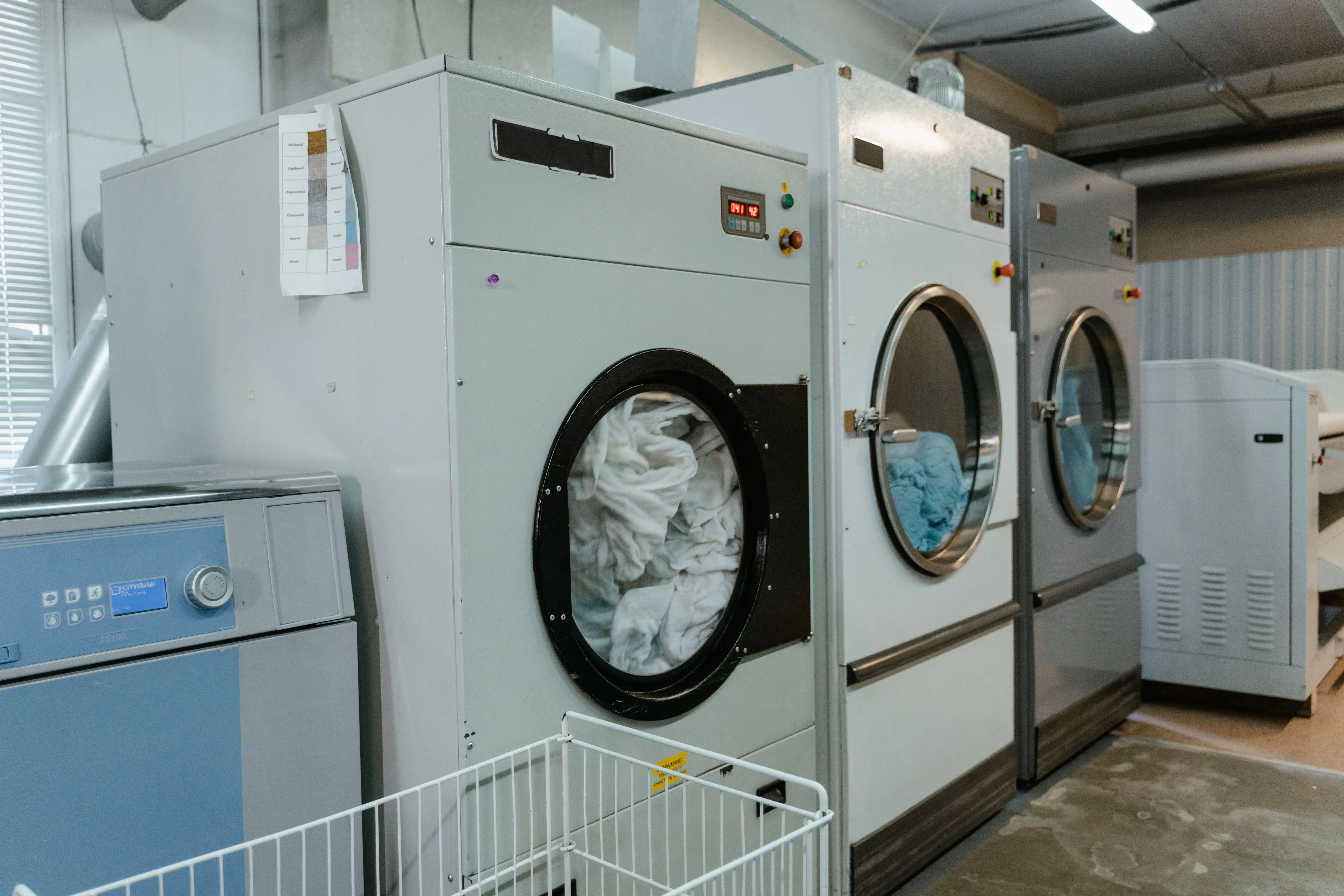
Beyond capacity, the physical dimensions of the washer are equally important, especially for fitting it into your designated laundry space. Standard washer sizes can vary, but most front-load and top-load machines are roughly 27-30 inches wide, 30-35 inches deep, and 36-42 inches high. However, compact and stackable washer dryer size combinations offer more flexibility for smaller spaces.
Measuring Your Space Accurately
Before purchasing, always measure your laundry area thoroughly. Consider not just the width, depth, and height of the space, but also account for door clearances, utility hookups (water lines, drain, electrical outlets), and ventilation if you’re getting a dryer too. Remember to leave a few inches behind the machine for hoses and proper airflow, and enough room in front to open the door or lid comfortably.

Top-Load vs. Front-Load Washer Sizes
The type of washer you choose also influences the available sizes and your overall laundry experience. Top-load washers, especially those with agitators, tend to have slightly less usable capacity for their footprint compared to front-loaders. High-efficiency (HE) top-loaders without an agitator, however, offer more space.
Front-load washers often boast larger capacities for their external dimensions and are typically more energy-efficient. They also allow for stacking with a dryer, which is a significant space-saving advantage in compact laundry rooms. Consider your preferences for loading style and efficiency when evaluating different washer sizes and types.
Washer Dryer Size: Matching Your Appliances
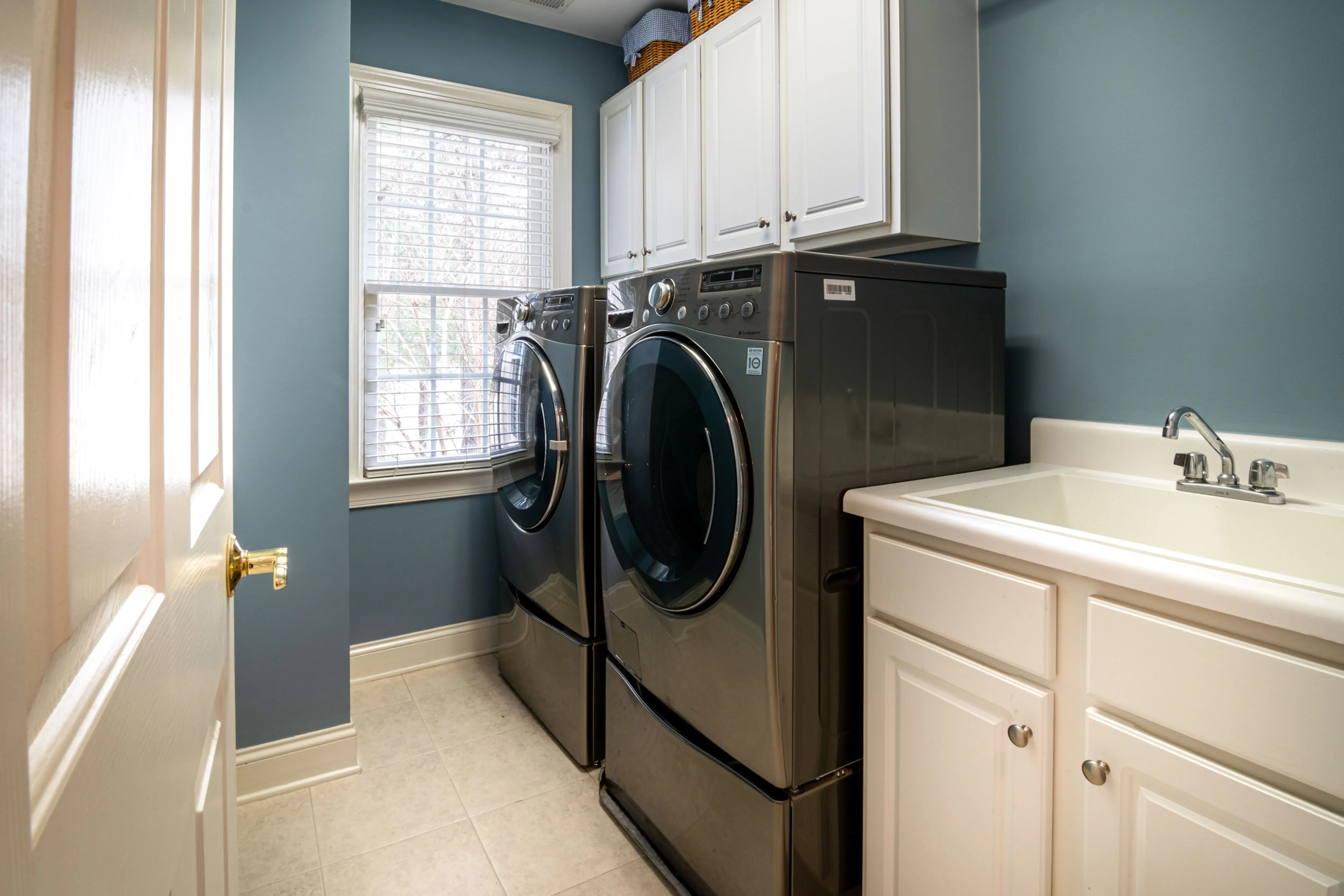
If you’re buying a new washer and dryer, it’s wise to consider their sizes together. While they don’t have to be identical, a general rule of thumb is that your dryer should have roughly twice the capacity of your washer to efficiently dry a full load. This prevents overloading the dryer, which can lead to longer drying times, increased energy consumption, and premature wear on your clothes.
Many manufacturers offer matching sets of washer and dryer, ensuring aesthetic consistency and often optimizing their performance when used together. When considering stackable units, always ensure compatibility between brands and models for safety and functionality.

Compact and Portable Washer Sizes
For those living in apartments, RVs, or homes with extremely limited space, compact and portable washer sizes are a game-changer. These units typically range from 1.5 to 2.5 cubic feet in capacity and often come with features like casters for easy movement and adapters for sink hookups. While they handle smaller loads, they provide the convenience of in-home laundry without requiring a dedicated space or complex installation.
Benefits of Compact Washers
- Space-saving design
- Ideal for small loads and delicate items
- Often more affordable
- Great for renters or temporary living situations
Always check the power requirements and water hookup options for portable models to ensure compatibility with your living situation.
Frequently Asked Questions about Washer Sizes
What is a good size washing machine for a family of 4?
For a family of four, a washing machine with a capacity between 3.5 and 4.5 cubic feet is generally recommended. This allows you to wash larger loads, including bedding and towels, without frequent cycles.
How do I measure for a new washing machine?
Measure the width, depth, and height of your designated space. Also, measure the width of any doorways or hallways the machine will need to pass through. Don’t forget to account for hoses and clearances for ventilation.
Are larger washer sizes more efficient?
Not necessarily. An oversized washer used for small loads will waste water and energy. Efficiency comes from matching the washer’s capacity to your typical load size. High-efficiency (HE) models, regardless of size, are designed to use less water and energy.
Can a washer be too big?
Yes, a washer can be too big for your needs. While it might seem convenient, using a large capacity washer for consistently small loads leads to wasted water and energy, increasing your utility bills.
What is the difference between standard and compact washer sizes?
Standard washer sizes typically refer to full-sized units (around 27-30 inches wide, 3.5+ cu. ft. capacity) found in most homes. Compact washers are smaller (often 24 inches wide, 1.5-2.5 cu. ft.) designed for limited spaces or small loads.
Conclusion: Making the Right Choice for Your Home
Selecting the ideal washer sizes is a critical decision that impacts your daily routine, utility bills, and the longevity of your laundry appliances. By carefully considering your household size, typical laundry volume, available space, and preferences for top-load versus front-load machines, you can confidently choose a washing machine that meets all your requirements. Remember to also think about your washer dryer size combination for optimal efficiency.
Don’t rush the decision; take the time to measure, compare, and understand the specifications. A well-chosen washer will not only simplify your laundry tasks but also contribute to a more efficient and eco-friendly home. Discover the perfect fit for your lifestyle and enjoy cleaner clothes with less hassle!