
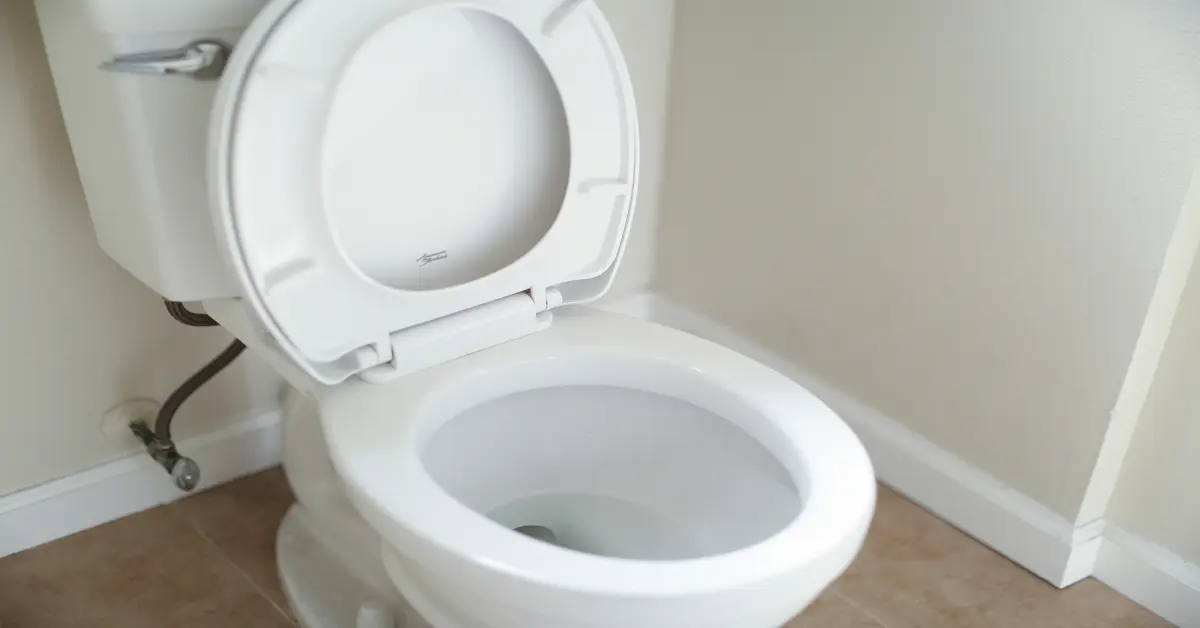
A constantly running toilet can be one of the most annoying sounds in your home, not to mention a significant waste of water and money. Often, the culprit behind this issue is a faulty toilet flapper not sealing properly. This small, often overlooked component plays a crucial role in your toilet’s flushing mechanism. When it fails, water continuously leaks from the tank into the bowl, leading to that incessant refilling sound. Understanding why your toilet flapper isn’t sealing and how to fix it is a fundamental home maintenance skill that can save you from unnecessary plumbing bills and conserve water. Don’t let a small rubber part cause big headaches.
Understanding Why Your Toilet Flapper Not Sealing
The toilet flapper’s primary job is to create a watertight seal at the bottom of your toilet tank, holding water until you flush. When you press the handle, the flapper lifts, allowing water to rush into the bowl. Once the tank empties, the flapper should fall back into place, creating a new seal. However, several factors can cause your toilet flapper not sealing effectively. Over time, flappers can become stiff, warped, or develop mineral deposits, especially in areas with hard water. The chain connecting the flapper to the flush lever might also be too short or too long, preventing it from seating correctly. Even improper installation or a flapper that’s simply the wrong size for your toilet model can lead to leaks.
Common Causes of a Leaking Flapper
Identifying the root cause of a toilet flapper not sealing is the first step to a successful repair. Here are some of the most common reasons:
- Wear and Tear: Rubber flappers degrade over time, losing their flexibility and developing cracks.
- Mineral Buildup: Hard water deposits can accumulate on the flapper or the flush valve seat, preventing a tight seal.
- Improper Chain Length: A chain that’s too tight holds the flapper slightly open; one that’s too loose might snag or prevent the flapper from lifting fully.
- Flapper Material Degradation: Some flappers are more susceptible to chemicals found in tank cleaning tablets, causing them to break down faster.
- Incorrect Flapper Type: Not all flappers are universal; using the wrong type for your toilet can lead to an ineffective seal.
Step-by-Step Replacing Toilet Flapper
Replacing a toilet flapper is a straightforward task that most homeowners can accomplish. First, turn off the water supply to the toilet, usually via a small valve behind or beside the bowl. Flush the toilet to empty the tank. Disconnect the old flapper’s chain from the flush lever. Then, unhook the flapper from the overflow tube; some flappers slide off, while others have ears that clip onto posts. Once the old flapper is removed, clean the flush valve seat thoroughly to remove any mineral deposits or debris. Install the new flapper by reversing the removal process, ensuring it’s securely attached and the chain has a slight amount of slack when the flapper is closed. Turn the water supply back on and test for leaks.
Commode Flapper Repair: Tips and Tricks
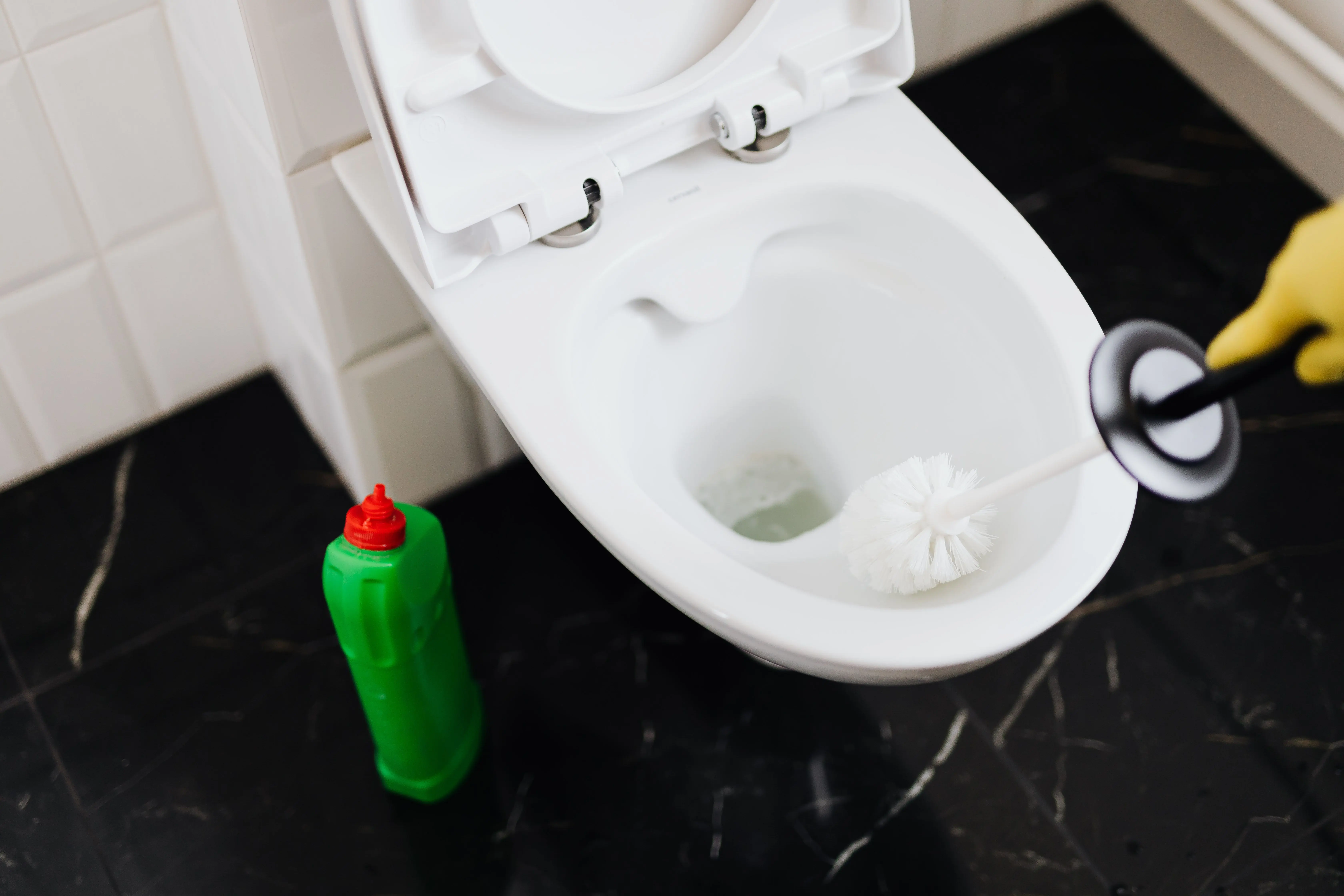
While replacing a toilet flapper is often the best solution for a persistent leak, sometimes a minor adjustment or cleaning can resolve the issue. If your toilet flapper not sealing is due to mineral buildup, try scrubbing the flapper and the flush valve seat with a stiff brush and a vinegar solution. Ensure the chain length is correct; there should be just enough slack for the flapper to close completely without obstruction, but not so much that it gets caught. For flappers that are only slightly stiff, you might try soaking them in hot water for a few minutes to restore some flexibility, though this is usually a temporary fix. Always check for any foreign objects in the tank that might be interfering with the flapper’s movement.
FAQ on Toilet Flapper Issues
How do I know if my toilet flapper is the problem?
The easiest way to check is to put a few drops of food coloring into the toilet tank. If the color appears in the bowl without flushing after about 15-20 minutes, your flapper is likely leaking.
Can a toilet flapper really waste that much water?
Yes, even a slow leak from a faulty flapper can waste hundreds of gallons of water per day, leading to significantly higher water bills over time.
Are all toilet flappers the same?
No, flappers come in various sizes and styles (e.g., 2-inch, 3-inch, Korky, Fluidmaster). It’s crucial to buy the correct type for your specific toilet model to ensure a proper seal.
How long do toilet flappers typically last?
Most toilet flappers last between 3 to 5 years, but this can vary depending on water quality, toilet usage, and the flapper’s material.
Do I need any special tools for replacing a toilet flapper?
Typically, no special tools are required. A pair of gloves, a scrub brush, and possibly an old towel to catch drips are usually sufficient.
Conclusion: Stop the Leak and Save
Dealing with a toilet flapper not sealing can be frustrating, but with a little know-how, it’s a problem easily solved. By understanding the common causes and following our simple steps for replacing toilet flapper, you can quickly restore your toilet to optimal working order. Not only will you eliminate that annoying running sound, but you’ll also conserve water and save money on your utility bills. Don’t procrastinate on this simple commode flapper repair; a small investment of time and a few dollars can make a big difference for your home and the environment. Keep your toilet in top shape and enjoy the peace and quiet of a leak-free bathroom.