
When it comes to bathroom renovations or new constructions, the choice of shower floors is paramount. Beyond aesthetics, the right flooring ensures safety, durability, and ease of maintenance. A well-chosen shower floor can elevate your bathroom’s design while providing a slip-resistant surface that withstands daily use and constant moisture exposure. Understanding the various materials and their benefits is crucial for making an informed decision that will last for years to come.
From classic ceramic and porcelain to luxurious natural stone and innovative composites, the options for shower floors are extensive. Each material brings its own unique set of advantages and considerations, impacting everything from installation complexity to long-term care. This guide will delve into the most popular and effective choices for shower floors, helping you select the perfect foundation for your bathing sanctuary.
The Enduring Appeal of Ceramic and Porcelain tile
Ceramic and porcelain tiles are perennial favorites for shower floors, and for good reason. Both are highly durable, water-resistant, and available in an incredible array of colors, patterns, and sizes. Porcelain, in particular, is less porous than ceramic, making it even more resistant to water penetration and staining, an essential feature for wet environments like showers. The slip resistance of these tiles can be enhanced by choosing options with a textured finish or by opting for smaller tiles, which naturally create more grout lines for added grip.
When considering tile kitchen flooring or shower tile floor, the installation process requires a properly sloped subfloor and waterproofing membrane to ensure longevity and prevent leaks. Grout lines, while offering grip, can also be a point of maintenance, requiring regular cleaning and sealing to prevent mold and mildew growth. Despite these considerations, the versatility, durability, and aesthetic appeal of ceramic and porcelain make them top contenders for any shower floor project.
Natural Stone: Elegance and Durability for Shower Floors
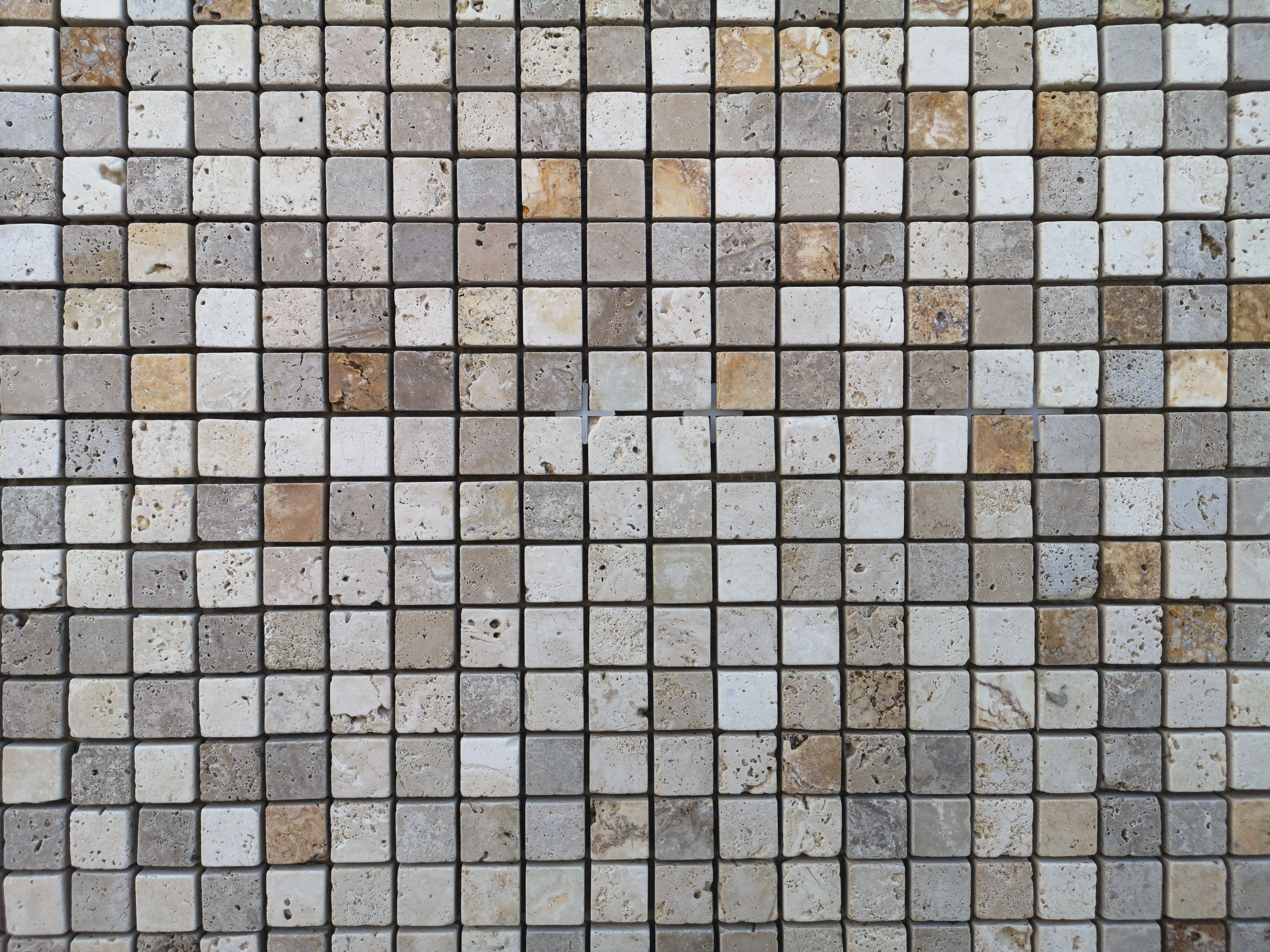
For those seeking a luxurious and spa-like ambiance, natural stone shower floors are an exceptional choice. Materials like marble, granite, travertine, and slate offer unparalleled beauty, each with unique veining, colors, and textures. These stones are incredibly durable and can withstand significant wear and tear. However, natural stone is often more porous than ceramic or porcelain, requiring regular sealing to protect against water absorption and staining. This sealing process is vital to maintain the stone’s integrity and appearance over time.
The naturally textured surfaces of some stones, such as slate, provide excellent slip resistance, making them safe for shower use. While generally more expensive than man-made tiles, the timeless elegance and robust nature of natural stone shower floors can significantly increase the value and aesthetic appeal of your bathroom. Proper installation, including a robust waterproofing system, is key to ensuring the longevity of a natural stone shower floor.
Mosaic and Penny Tile: Adding Texture and Safety
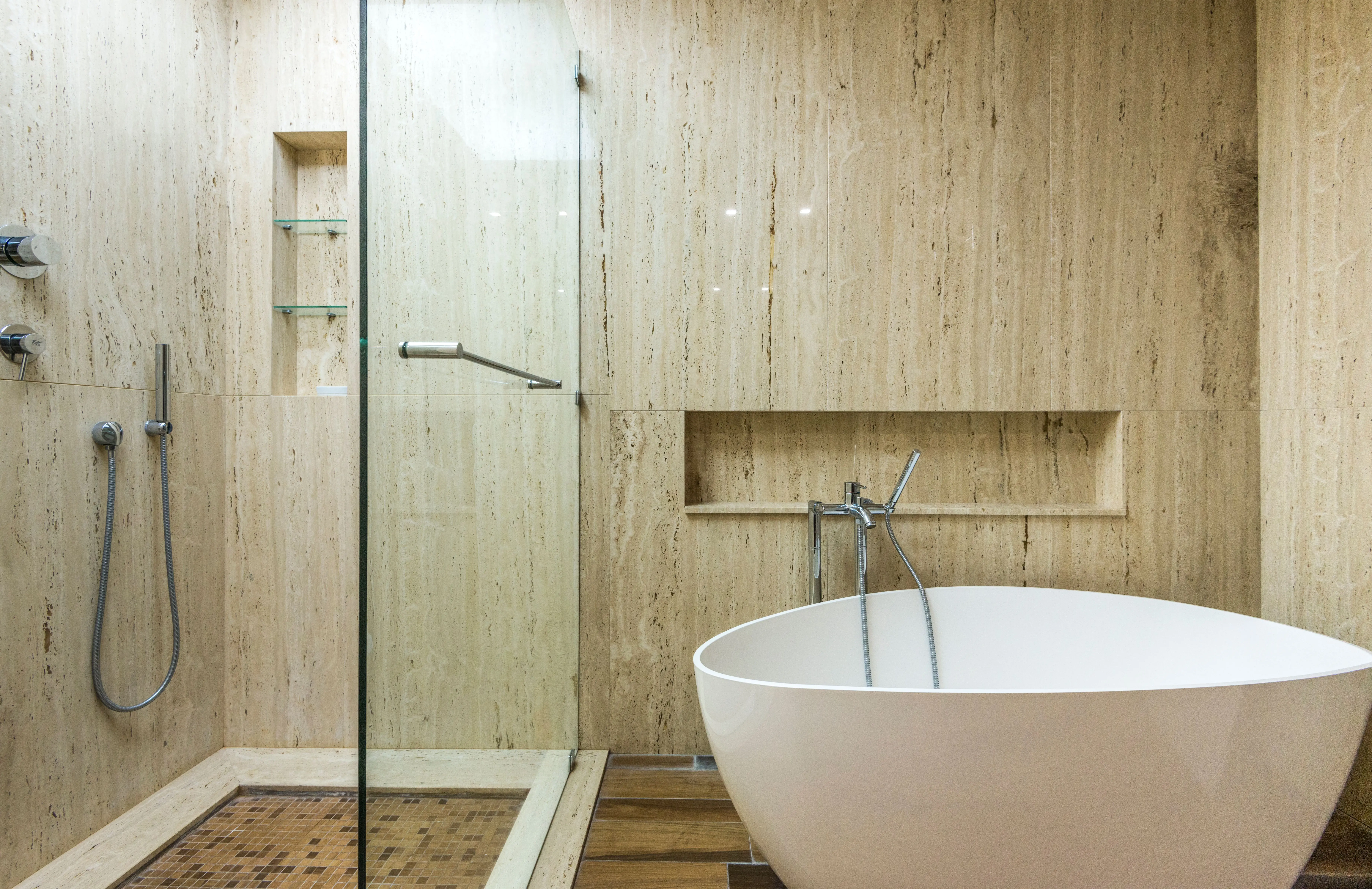
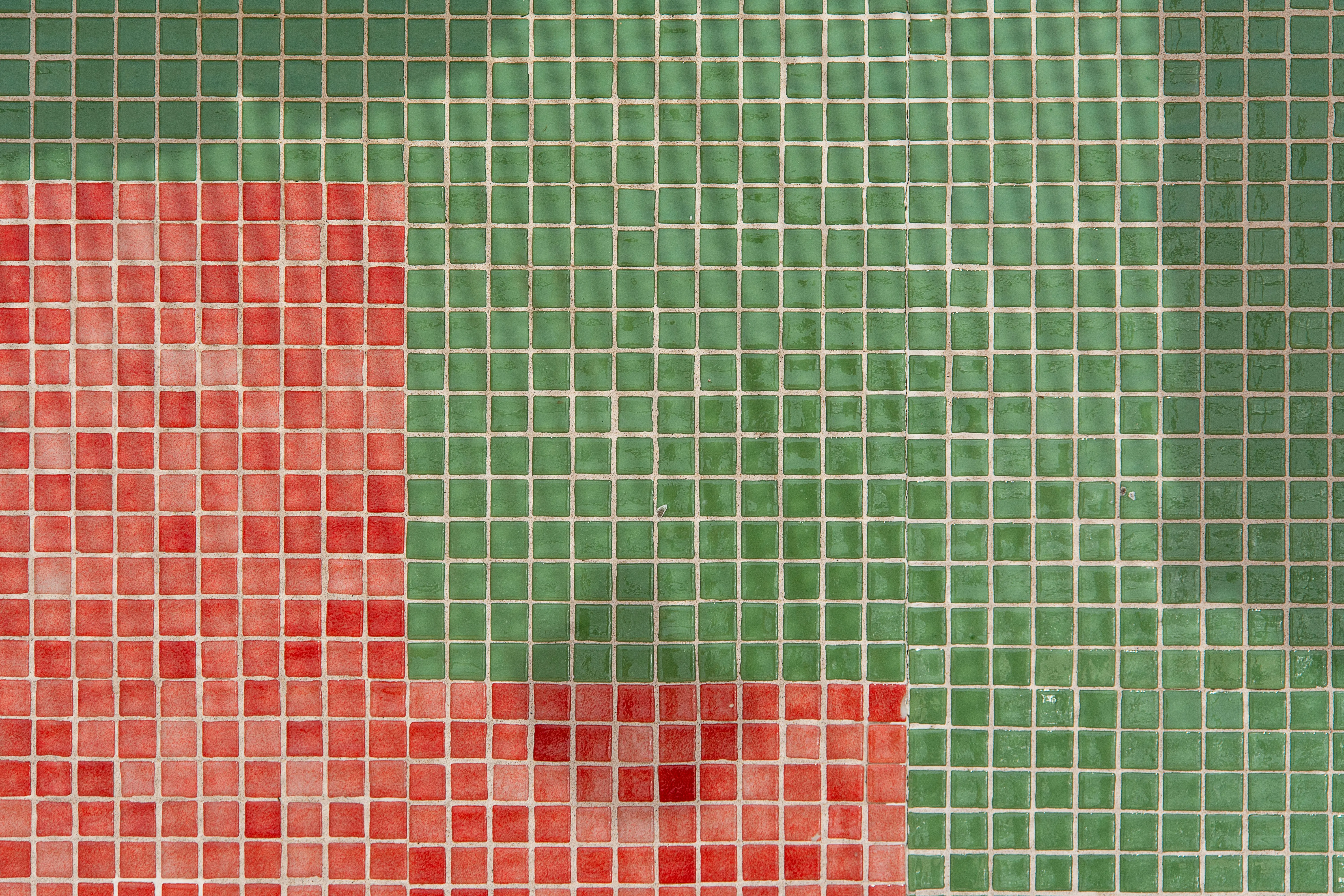
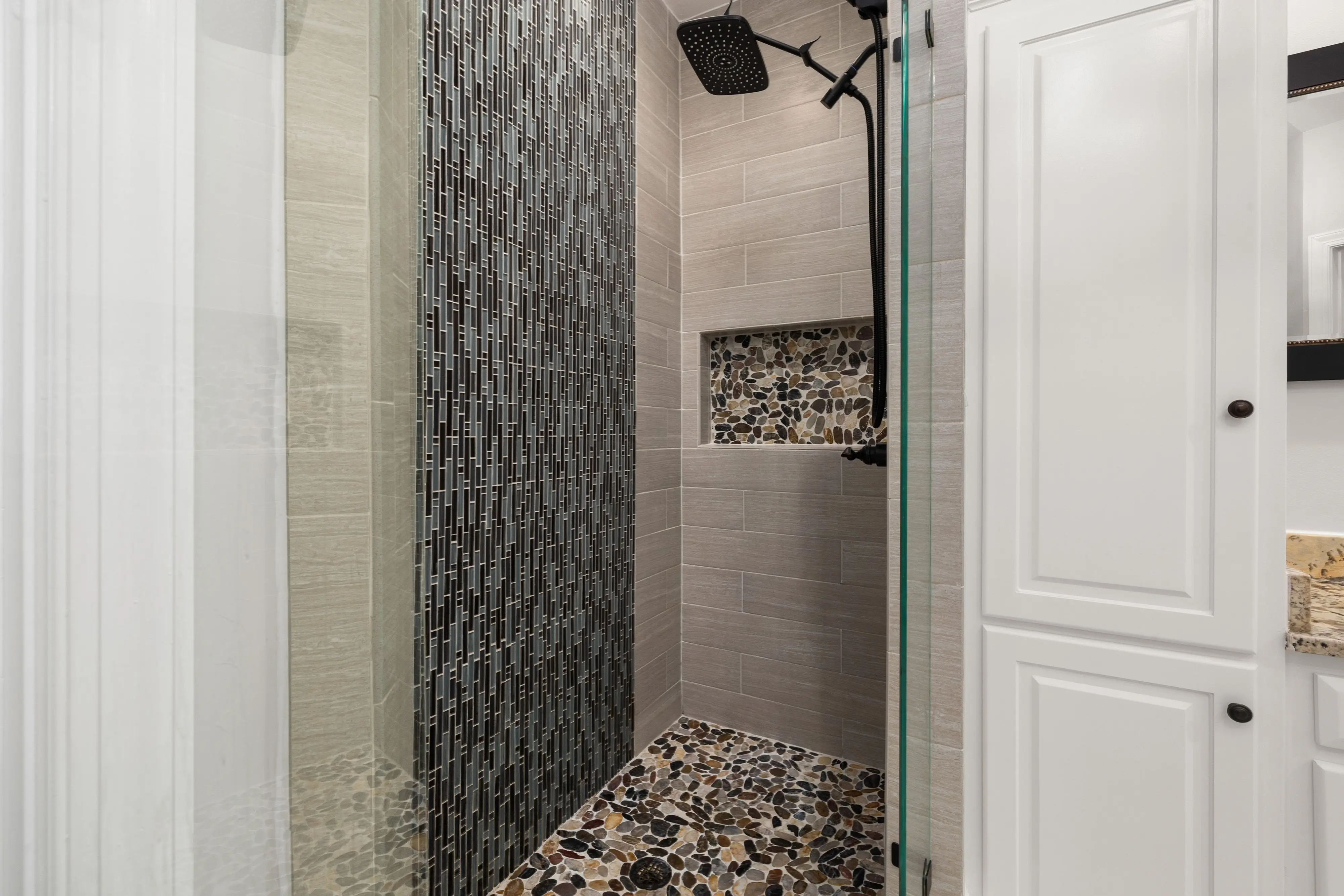
Mosaic and penny tiles are excellent choices for shower floors, primarily because their small size inherently creates a large number of grout lines. These numerous grout lines provide superior traction, making them highly slip-resistant and a safe option for wet environments. Beyond their practical benefits, mosaic and penny tiles offer vast design possibilities. They can be used to create intricate patterns, artistic motifs, or simply add a delightful textural element to your shower space.
Available in various materials, including ceramic, porcelain, and even glass, these small tiles are versatile and durable. While the installation can be more labor-intensive due to the sheer number of pieces, many mosaic tiles come on mesh backing, simplifying the process. The increased grout surface means more cleaning might be required, but with proper sealing and regular maintenance, mosaic and penny shower floors offer a beautiful and safe solution.
Solid Surface and Acrylic Shower Pans: Seamless and Low Maintenance
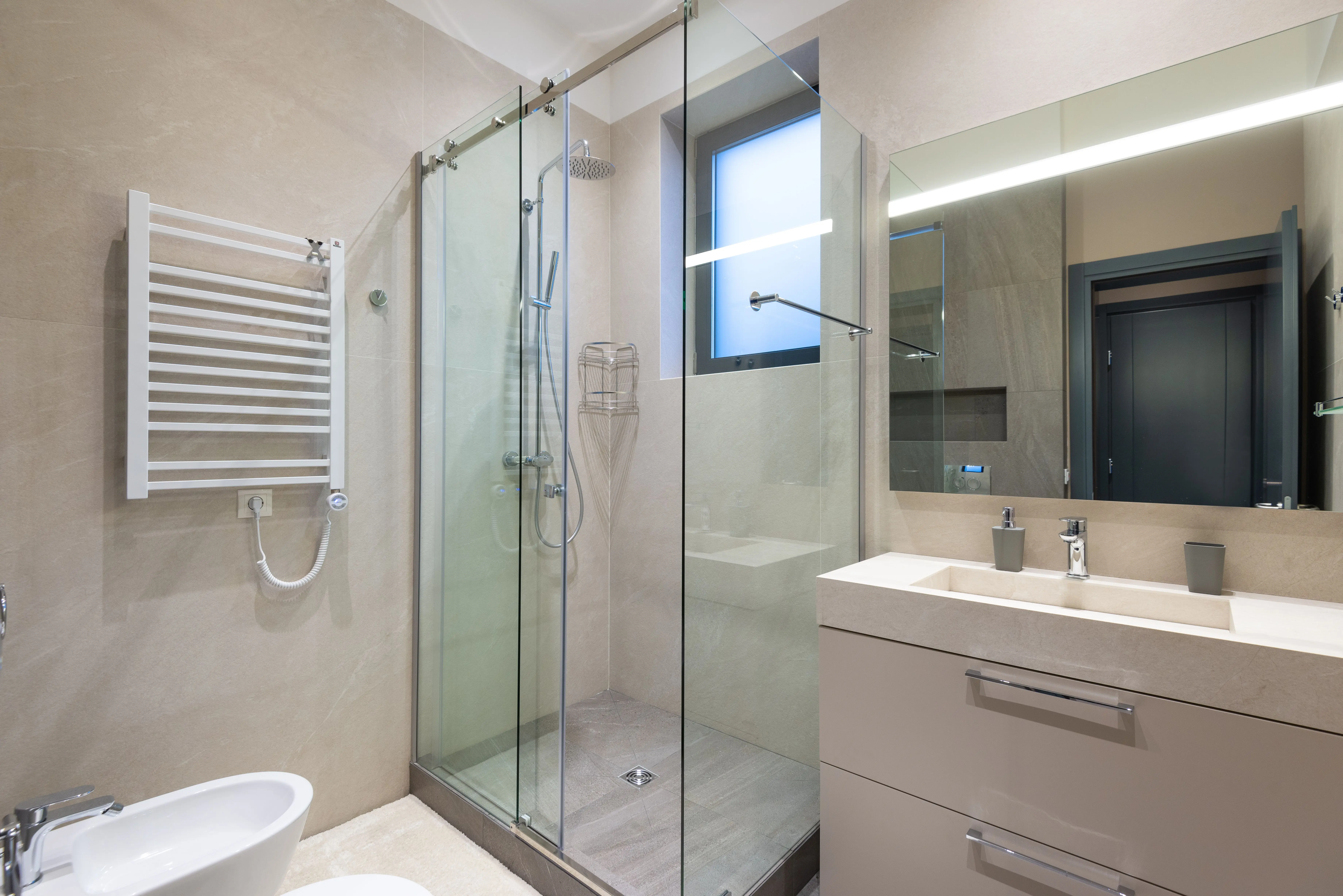
Solid surface materials and acrylic shower pans offer a seamless, low-maintenance alternative to tiled shower floors. These options are typically pre-fabricated and installed as a single unit, eliminating grout lines entirely. This not only creates a sleek, modern aesthetic but also drastically reduces the potential for mold and mildew growth, making cleaning a breeze. Solid surface materials, like Corian, are non-porous, stain-resistant, and can be customized in various colors and finishes.
Acrylic shower pans are lightweight, durable, and generally more affordable. Both options provide a consistent slope for drainage and often come with integrated slip-resistant textures. While customizability in terms of intricate patterns is limited compared to tile, their ease of installation and minimal upkeep make them an attractive choice for many homeowners seeking a practical and hygienic shower floor solution.
Innovative Composites and Unique Options
Beyond traditional materials, several innovative composite options and less common choices are gaining traction for shower floors. Engineered stone, a blend of natural stone particles and resins, offers the look of natural stone with enhanced durability and reduced porosity. These materials often require less sealing and maintenance than pure natural stone. Another emerging option is sealed concrete, which can be stained and polished to achieve a contemporary industrial look, offering excellent durability once properly sealed.
For those interested in sustainability, recycled glass tiles offer a unique aesthetic with an eco-friendly appeal. Rubber flooring, while less common in residential showers, can provide exceptional slip resistance and comfort underfoot, though its aesthetic may not suit all design preferences. Exploring these unique options can lead to a truly distinctive and functional shower floor.
FAQ About Shower Floors
What is the best material for a shower floor?
The “best” material depends on your priorities. Porcelain tile offers excellent durability, water resistance, and versatility. Natural stone provides luxury and unique aesthetics but requires more maintenance. Solid surface and acrylic pans are great for low maintenance and seamless looks.
How do I make my shower floor less slippery?
Choose materials with natural texture, like slate or unpolished porcelain. Opt for smaller tiles, such as mosaics or penny tiles, as their numerous grout lines provide added grip. You can also apply anti-slip treatments to existing smooth surfaces.
Do shower floors need to be sealed?
Many shower floor materials, especially natural stone and even some porous ceramic tiles and grout lines, require sealing to prevent water absorption, staining, and mold growth. Solid surface and acrylic pans typically do not require sealing.
What kind of maintenance do shower floors require?
Maintenance varies by material. Tiles and grout need regular cleaning to prevent mold and mildew; grout may require resealing. Natural stone needs periodic sealing. Solid surface and acrylic pans are generally the easiest to clean with mild soap and water.
Can I install a shower floor myself?
While DIY is possible, installing a shower floor, particularly with tile, requires precise leveling, proper slope for drainage, and a robust waterproofing system. Incorrect installation can lead to costly water damage. Professional installation is often recommended for best results and longevity.
Conclusion: Choosing the Perfect Shower Floors
Selecting the ideal shower floors is a critical decision that impacts the safety, functionality, and aesthetic appeal of your bathroom. By considering factors like slip resistance, maintenance requirements, durability, and design preferences, you can narrow down the vast array of options. Whether you lean towards the timeless elegance of natural stone, the practical versatility of porcelain tile, or the seamless simplicity of a solid surface pan, each choice offers distinct benefits.
Invest time in researching and weighing your options to ensure your new shower floor not only looks fantastic but also stands the test of time, providing a safe and enjoyable bathing experience for years to come. Remember to always prioritize proper installation and waterproofing, as these are fundamental to the longevity of any shower floor. Discover the perfect foundation for your dream shower.