
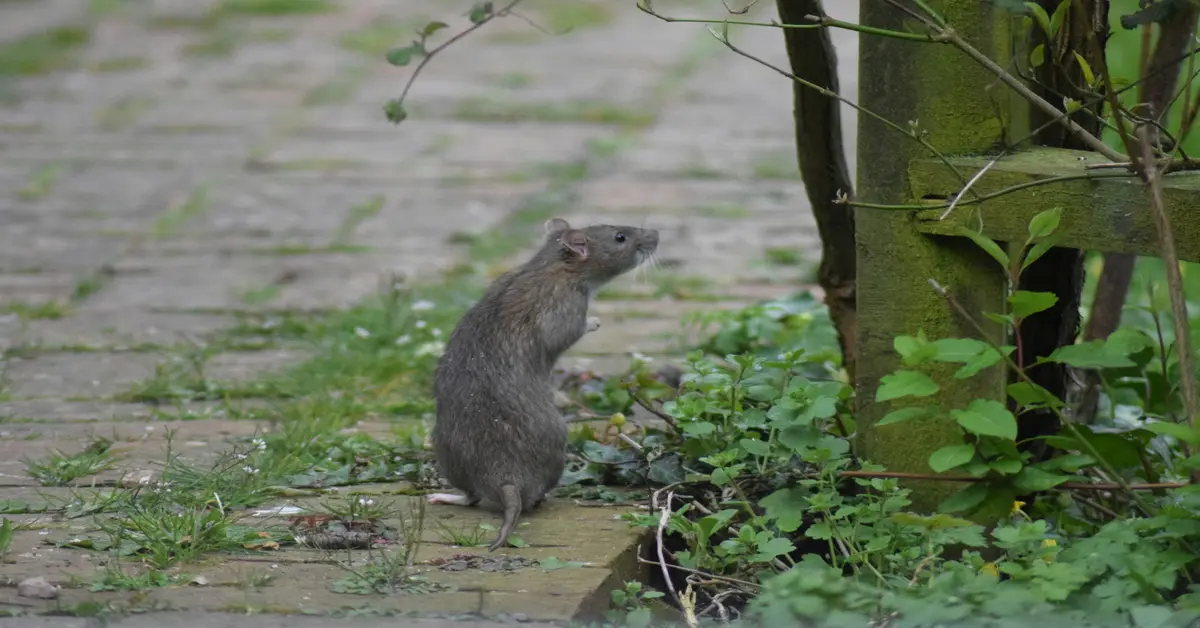
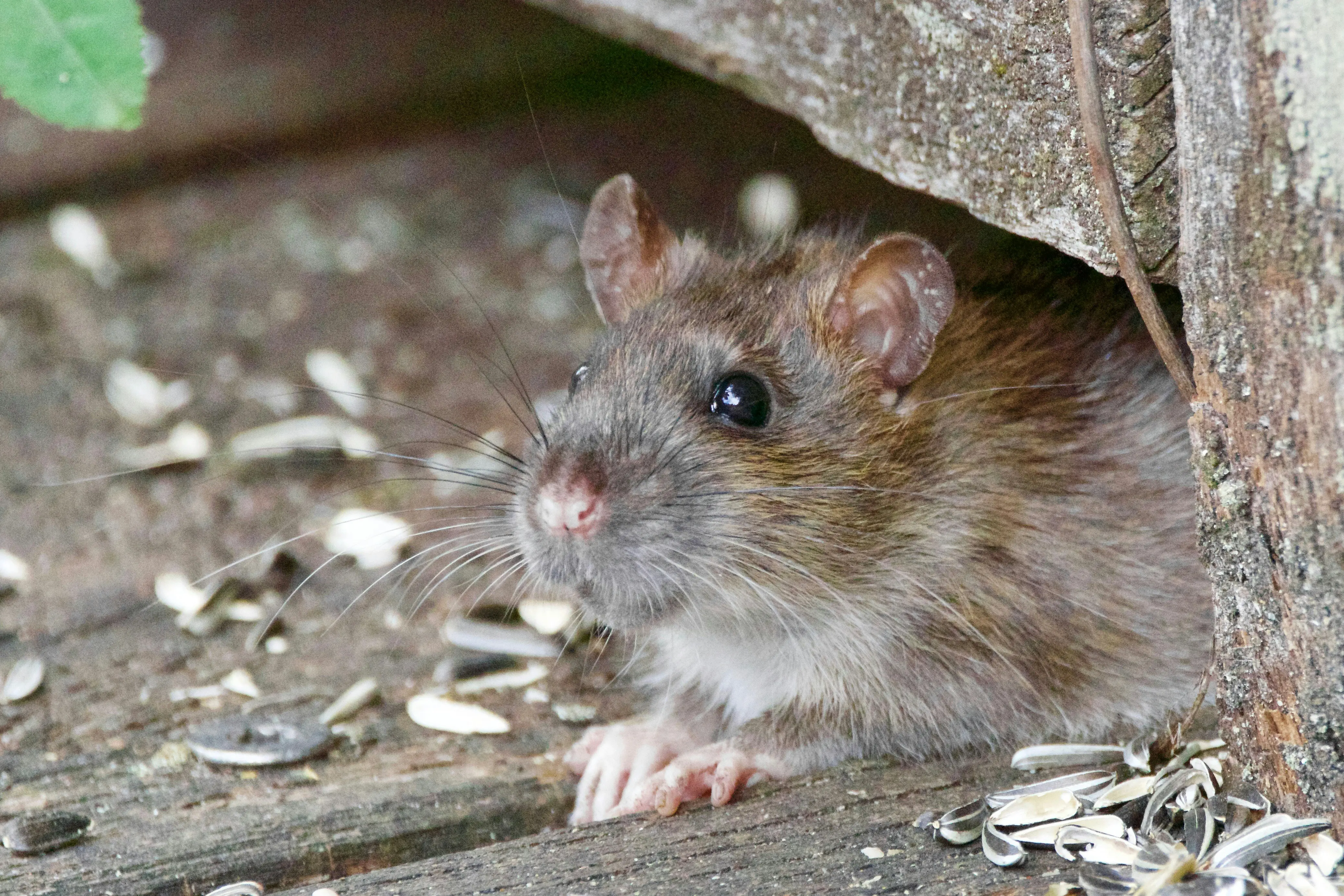
When it comes to identifying a rodent infestation, one of the most undeniable pieces of evidence is their rat-poop-vs-mouse-poop/”>droppings. And for many homeowners, the sight of these tiny, dark pellets can be alarming. Understanding what you’re looking at is the first step toward effective pest control. This comprehensive guide will walk you through what to look for when examining pictures of rat poop, helping you distinguish it from other pests and understand the severity of your situation. We’ll delve into the nuances of size, shape, location, and quantity, providing you with the knowledge to accurately identify rat droppings and take appropriate action. Getting this identification right is crucial for choosing the correct extermination method and protecting your home and family from potential health risks.
Understanding Rodent Droppings Identification
Accurate rodent droppings identification is vital for effective pest management. Different rodents, like rats and mice, leave behind distinct droppings. Misidentifying the pest can lead to wasted effort and resources. Rat droppings are generally larger than mouse droppings and often have a more tapered or spindle shape. They are typically found in greater quantities when an infestation is present. Knowing these subtle differences is key to determining whether you’re dealing with rats, which can pose a more significant threat due to their size and potential for damage and disease transmission.
What Does Rat Poop Look Like? Key Characteristics
So, what does rat poop look like? Generally, rat droppings are dark brown or black, elongated, and cylindrical. They often have pointed or blunt ends, resembling a grain of rice or a small raisin. The size can vary slightly depending on the rat species. For instance, Norway rat droppings are often capsule-shaped and about 3/4 inch long, while roof rat droppings are more spindle-shaped and slightly smaller, around 1/2 inch. The texture can also provide clues; fresh droppings are typically soft and glistening, while older ones are dry and crumbly. Observing these characteristics carefully is essential for correct identification.
Where to Find Pictures of Rat Poop in Your Home
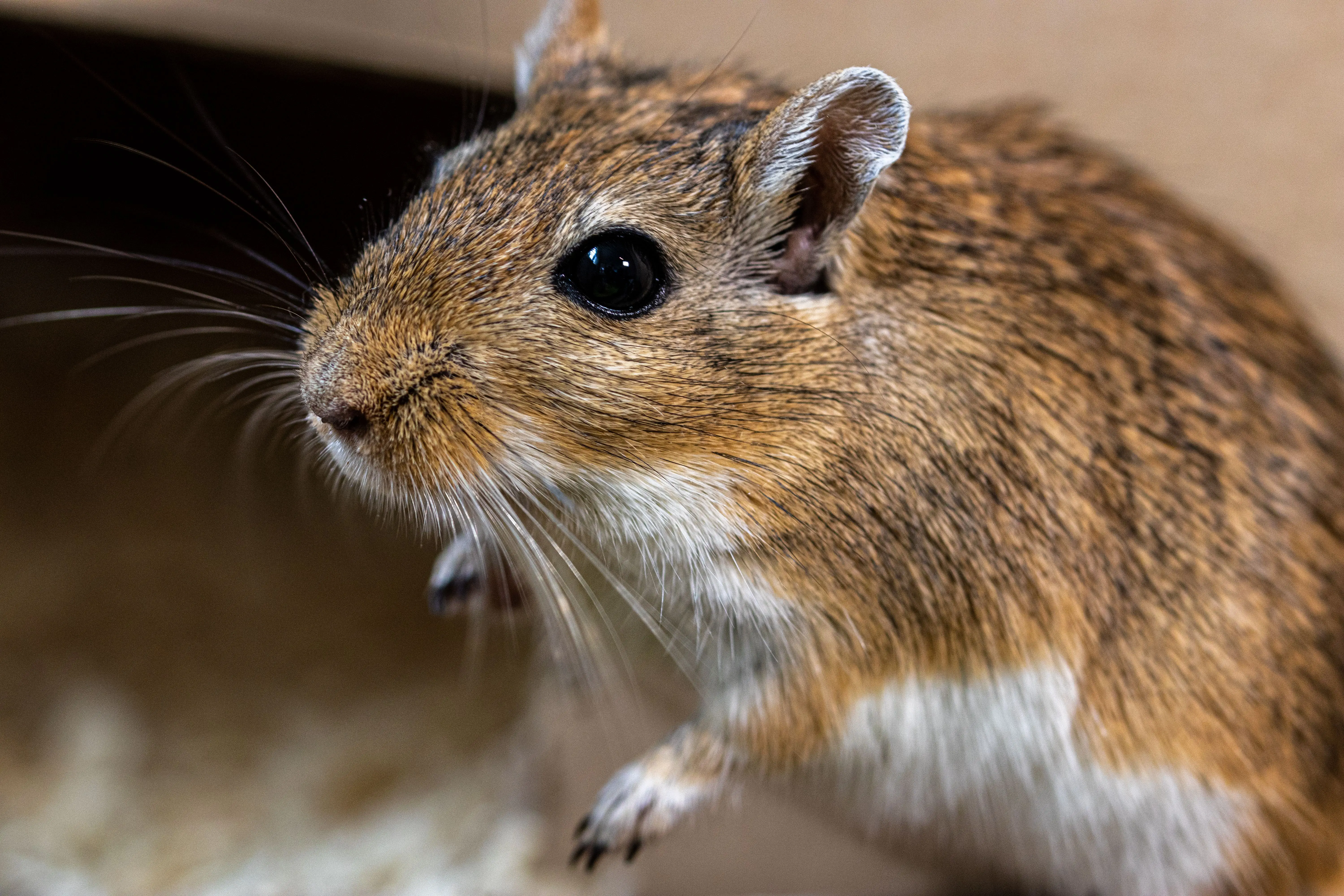
Rats tend to deposit their droppings in specific areas, providing clues to their movements and nesting sites. Common locations include along walls, in undisturbed corners, inside cabinets, under sinks, in attics, basements, and garages. You might also find them near food sources, such as pantries or pet food areas, and close to their entry points into your home. Finding a significant concentration of droppings in one area suggests a frequently used path or a nesting site. Regularly inspecting these locations can help you detect an infestation early.
Distinguishing Rat Poop from Other Pests
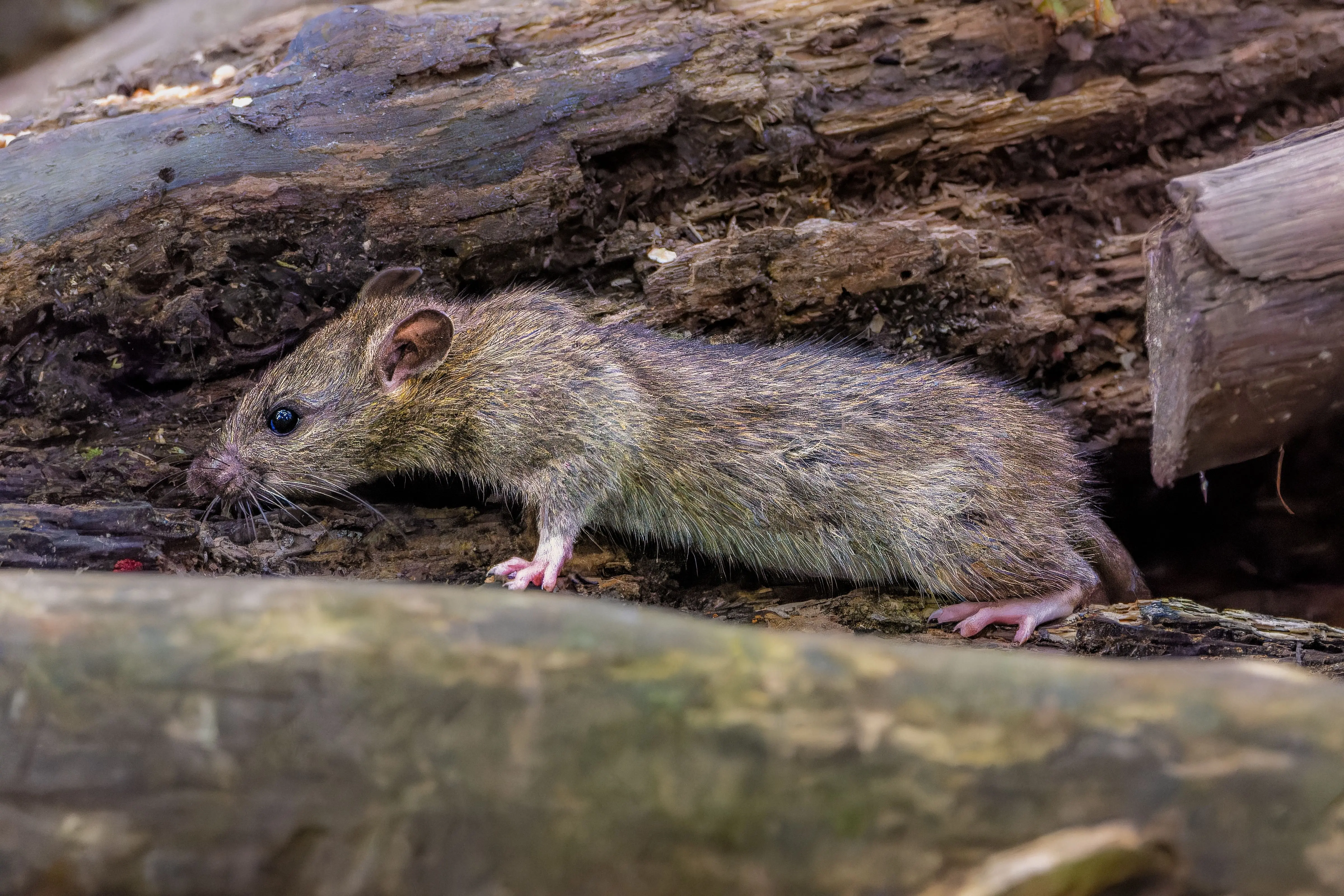
It’s important not to confuse rat droppings with those of other common pests. Mouse droppings are much smaller, typically resembling tiny black sprinkles, about 1/8 to 1/4 inch long. Bat guano, while similar in size to mouse droppings, crumbles easily into powder when touched and often contains insect parts. Cockroach droppings are usually smaller, often resembling coffee grounds or black pepper, and may have ridged sides. By carefully comparing the size, shape, and texture, you can confidently differentiate between rodent droppings and those from other unwelcome guests.
Understanding the Health Risks Associated with Rodent Droppings
Beyond the unpleasant sight, pictures of rat poop highlight a significant health concern. Rodent droppings can transmit various diseases to humans, including Hantavirus, Salmonellosis, and Leptospirosis. These pathogens can become airborne as the droppings dry and are disturbed, leading to respiratory issues or other illnesses. Direct contact with droppings or contaminated surfaces can also pose a risk. Therefore, it’s crucial to handle any suspected droppings with extreme caution, wearing gloves and a mask, and using appropriate cleaning methods to sanitize affected areas.

FAQ About Pictures of Rat Poop
How can I tell if rat poop is fresh or old?
Fresh rat poop is typically dark, moist, and glistening. Older droppings appear dull, dry, and crumbly, often lighter in color.
Are all rat droppings the same size?
No, the size of rat droppings can vary slightly depending on the rat species (e.g., Norway rat vs. roof rat) and the age of the rat.
What should I do if I find rat poop in my kitchen?
If you find rat poop, clean the area thoroughly with disinfectant, wear gloves, and consider setting traps or calling a professional pest control service immediately.
Can rat droppings be confused with mouse droppings?
Yes, but rat droppings are significantly larger, typically 1/2 to 3/4 inch long, compared to mouse droppings which are about 1/8 to 1/4 inch.
Is it safe to clean up rat droppings myself?
It is best to take precautions: wear gloves and a mask, avoid sweeping (which can aerosolize pathogens), and use a disinfectant solution. For large infestations, professional help is recommended.
Conclusion
Identifying pictures of rat poop is more than just an unpleasant task; it’s a critical first step in protecting your home and health. By carefully examining the size, shape, location, and quantity of droppings, you can accurately determine if you have a rat problem. Remember that prompt action is essential to mitigate health risks and prevent further damage to your property. If you’re unsure or overwhelmed by an infestation, don’t hesitate to contact a professional pest control service. Taking decisive steps will help you maintain a safe and healthy environment for your family. Stay vigilant and keep your home pest-free.