
Understanding the painting price per square foot is crucial for any homeowner planning a refresh. Whether you’re tackling a single room or an entire house, knowing the potential costs upfront can save you from budget surprises. This comprehensive guide breaks down the factors influencing painting costs, helping you budget effectively for your next home improvement project. From labor to paint quality, we’ll explore everything you need to know to get an accurate estimate and ensure your painting project is a success.
Painting is more than just applying color; it’s an investment in your home’s aesthetic and value. Getting a clear picture of the painting price per square foot ensures you can make informed decisions, choose the right professionals, and select materials that fit your vision and wallet. Let’s dive into the details to demystify painting expenses and provide you with actionable insights for your next project.
Key Factors Influencing Painting Price Per Square Foot
Several elements contribute to the overall painting price per square foot. The most significant factor is labor, which often accounts for 70-80% of the total cost. Experienced painters command higher rates, but their expertise often results in a superior finish and greater efficiency. The region where you live also plays a role, with urban areas typically having higher labor costs than rural ones.
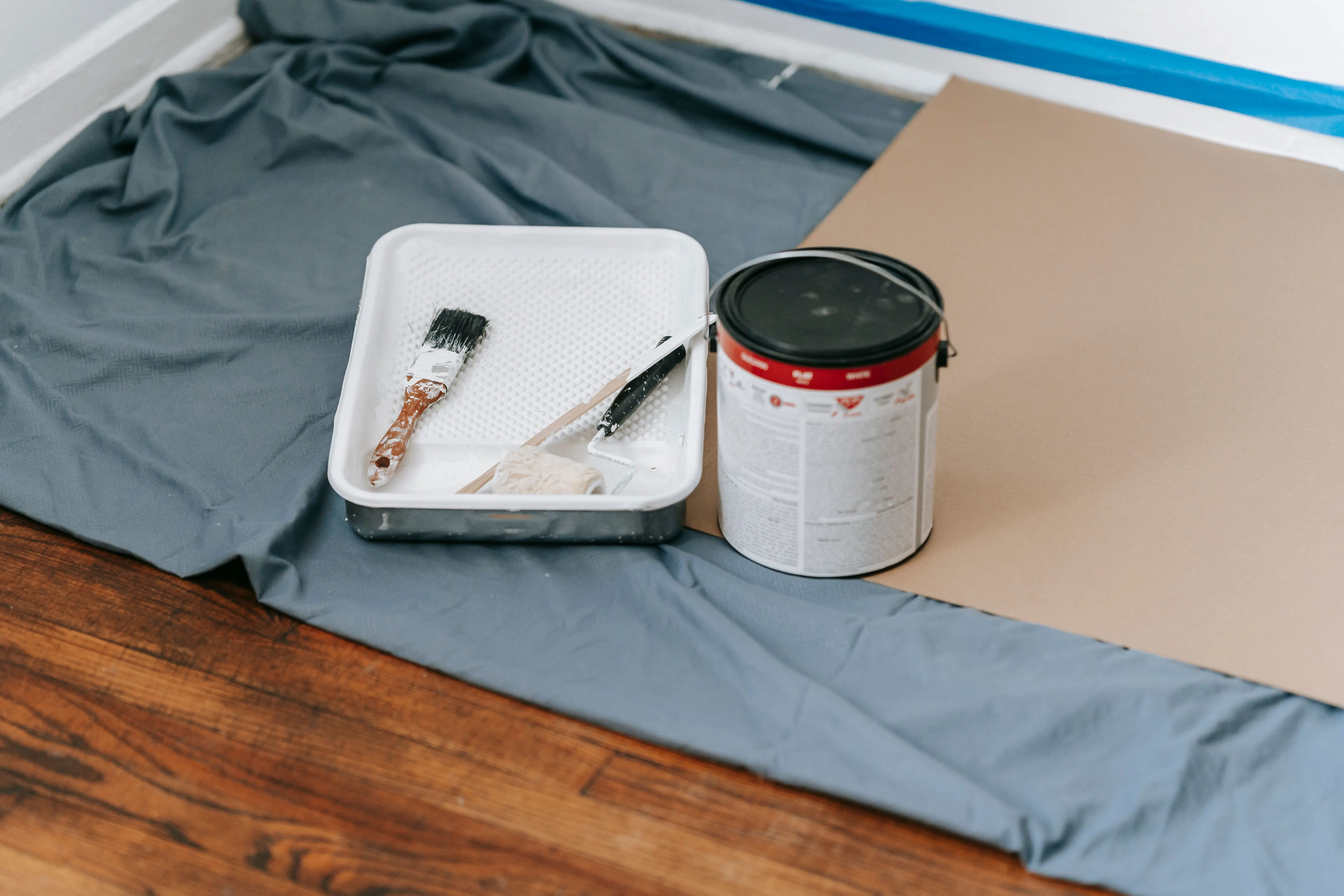
Material costs, primarily paint and primer, are another major component. Premium paints offer better coverage, durability, and a richer finish but come at a higher price point. The type of paint (latex, oil-based, eco-friendly) and its finish (flat, eggshell, semi-gloss) will also impact the cost. Beyond paint, other materials like tape, drop cloths, brushes, rollers, and spackle add to the expense.
Finally, the condition of the surfaces to be painted significantly affects the cost. Extensive prep work, such as patching holes, sanding, removing old wallpaper, or repairing damaged drywall, adds to the labor time and thus the overall painting cost per square foot.
Surface Preparation: The Unsung Hero of Painting Costs
Never underestimate the importance of proper surface preparation. This stage, while time-consuming, is vital for a long-lasting and aesthetically pleasing paint job. It includes cleaning the walls, filling cracks and holes, sanding rough patches, and priming. A well-prepared surface ensures the paint adheres correctly and provides a smooth, even finish.
Ignoring prep work can lead to paint peeling, chipping, or an uneven appearance, ultimately costing more in touch-ups or repainting down the line. Professional painters typically factor extensive prep work into their painting price per square foot, recognizing its critical role in the final outcome.

Average Cost to Paint a House Interior
The cost to paint a house interior can vary widely depending on the size of your home and the complexity of the job. On average, homeowners can expect to pay anywhere from $2 to $6 per square foot for interior painting. This range includes labor, materials, and basic prep work. For a standard 2,000 square foot home, this could mean a total cost between $4,000 and $12,000.
Factors that can push the cost towards the higher end include intricate trim work, high ceilings, multiple colors per room, and the need for extensive repairs before painting. Conversely, a simpler job with fewer colors and minimal surface imperfections will fall on the lower end of the spectrum. Always get multiple quotes to compare services and ensure you’re getting a fair price.
Breaking Down Room-Specific Painting Costs
While the painting price per square foot gives a general idea, specific rooms might have different costs. Bathrooms and kitchens, for instance, often have higher costs due to more intricate areas (cabinets, fixtures) and the need for durable, moisture-resistant paints. Living rooms and bedrooms, being larger and generally simpler, might have a lower per-square-foot cost.
Consider the architectural details as well. Homes with crown molding, wainscoting, or other decorative elements require more meticulous work, which translates to higher labor costs and a higher overall painting cost per square foot.
Tips for Getting Accurate Painting Estimates
To receive the most accurate quotes, be as detailed as possible when discussing your project with potential painters. Provide exact measurements, specify the number of rooms, and mention any unique features like high ceilings or intricate trim. Clearly communicate your desired paint quality and finish. It’s also wise to discuss the level of surface preparation you expect.
Always ask for a written estimate that itemizes labor, materials, and any additional services like moving furniture or minor repairs. This transparency helps you understand where your money is going and allows for easier comparison between different contractors. Don’t shy away from asking questions about their process and experience.
DIY vs. Professional Painting: Weighing Your Options
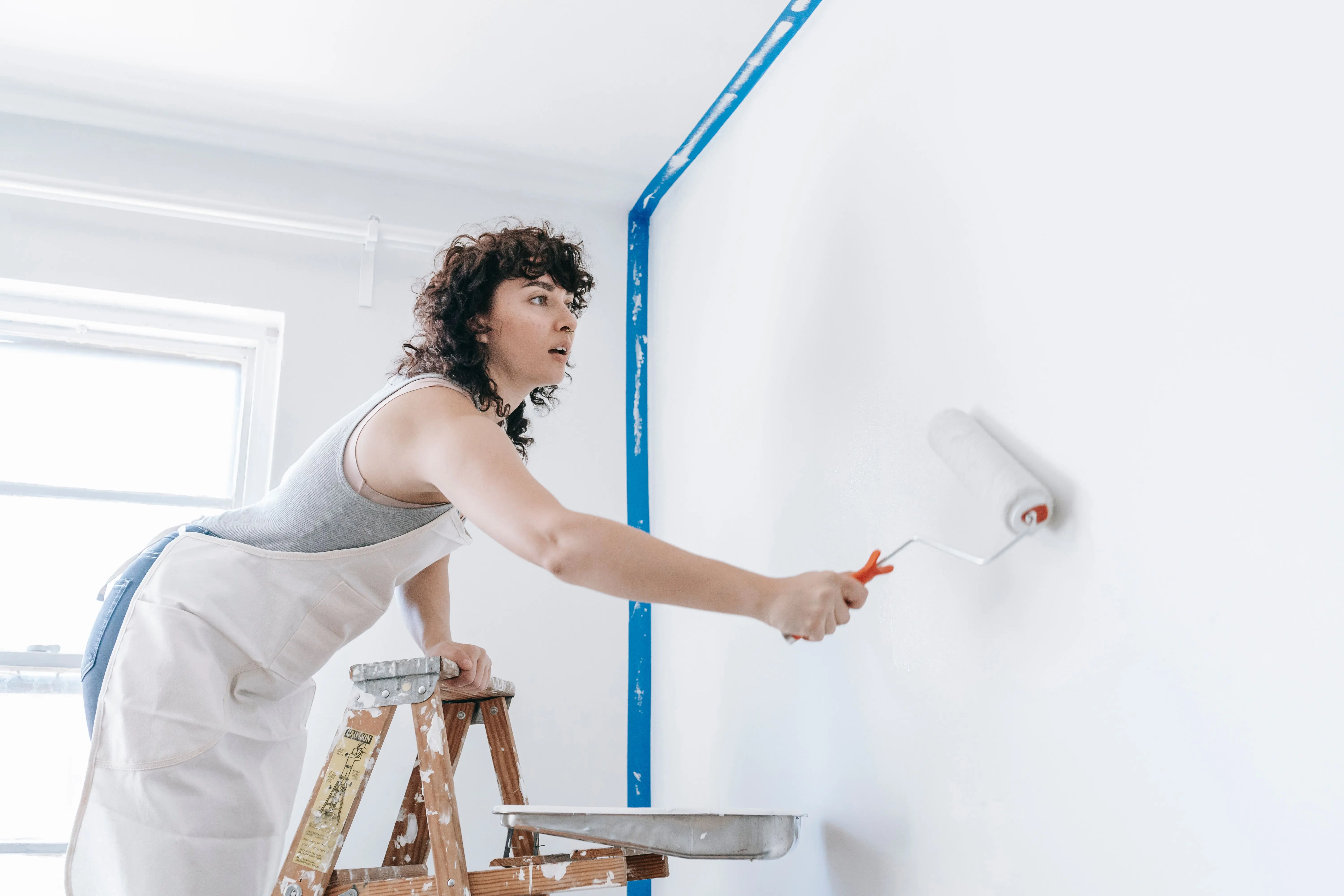
Undertaking a painting project yourself can save you on labor costs, potentially reducing the overall painting price per square foot significantly. However, DIY painting requires time, effort, and a certain skill level to achieve professional-looking results. Mistakes can be costly, leading to re-dos or an unsatisfactory finish.
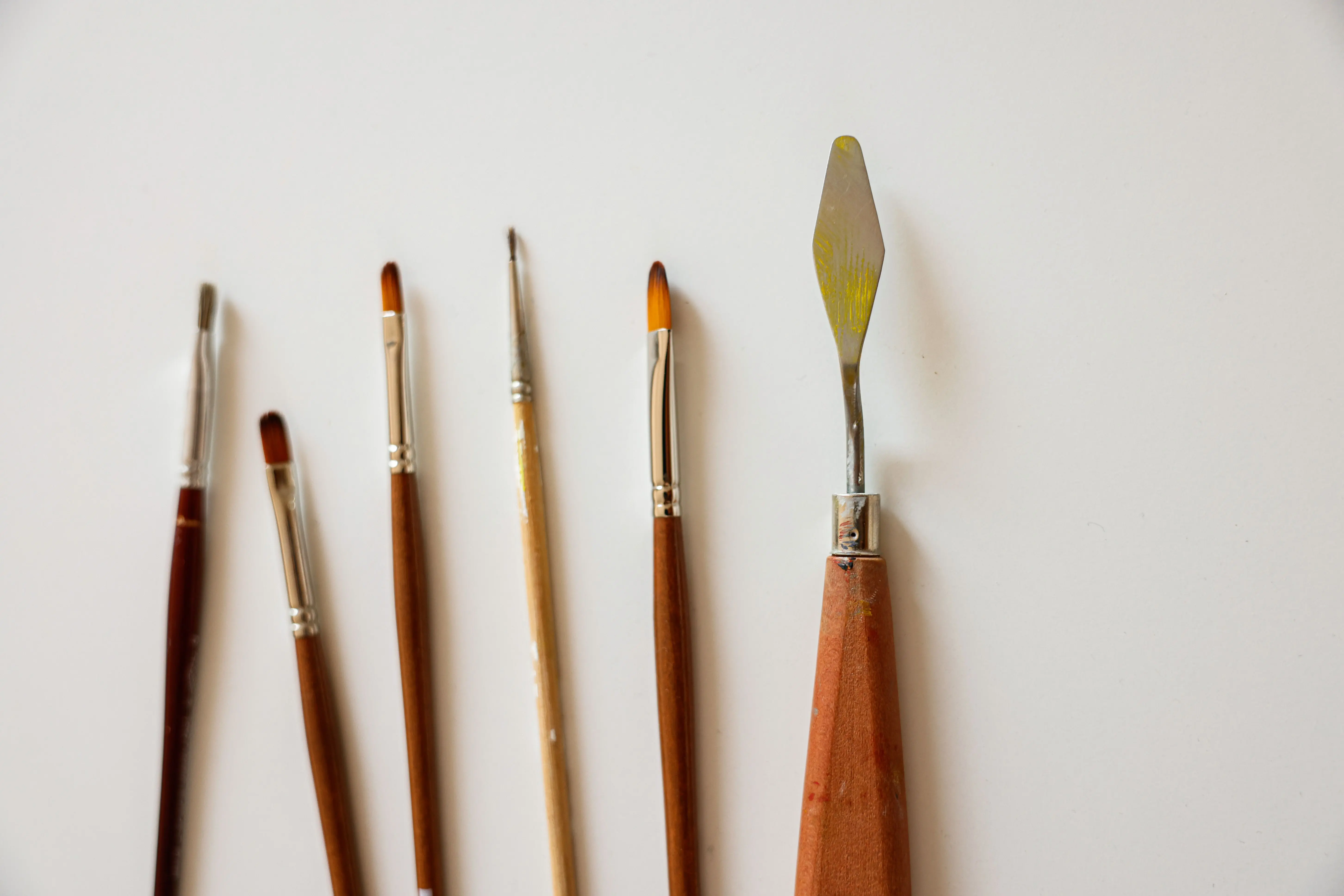
Hiring a professional, while a higher upfront investment, often guarantees a superior finish, efficiency, and less stress. Professionals have the right tools, experience, and techniques to complete the job quickly and effectively. They also handle the prep work and cleanup, saving you valuable time and effort. For large or complex projects, the expertise of a professional painter often outweighs the cost savings of a DIY approach.
Painting Price Per Square Foot: FAQ
What is the average painting price per square foot?
The average painting price per square foot for interior painting typically ranges from $2 to $6, including labor and materials. This can vary based on location, paint quality, and project complexity.
Does the type of paint affect the painting cost per square foot?
Yes, the type and quality of paint significantly impact the cost. Premium paints with better coverage and durability are more expensive than standard options, influencing the overall painting cost per square foot.
How much does surface preparation add to the painting price per square foot?
Extensive surface preparation, such as patching, sanding, or wallpaper removal, can add $0.50 to $2.00 or more per square foot to the total painting price per square foot, as it increases labor time.
Is exterior painting more expensive per square foot than interior painting?
Generally, exterior painting can be more expensive per square foot due to factors like working at heights, specialized exterior paints, and more extensive weather-related prep work. However, this varies greatly by project.
Should I get multiple quotes for my painting project?
Absolutely. It’s highly recommended to get at least three detailed quotes from different contractors to compare pricing, services offered, and ensure you are getting a fair painting price per square foot for your project.
Conclusion
Navigating the painting price per square foot doesn’t have to be daunting. By understanding the factors that influence costs, such as labor, materials, and surface preparation, you can approach your painting project with confidence. Whether you’re planning a simple refresh or a complete home makeover, having a clear grasp of the potential expenses is key to successful budgeting and a beautiful outcome.
Remember, a high-quality paint job is an investment that enhances your home’s appeal and longevity. Don’t hesitate to seek professional guidance and always prioritize clear communication with your chosen painter. With the right information and planning, you can achieve stunning results that elevate your living space. Start planning your transformation today and enjoy the fresh look a new coat of paint can bring!