
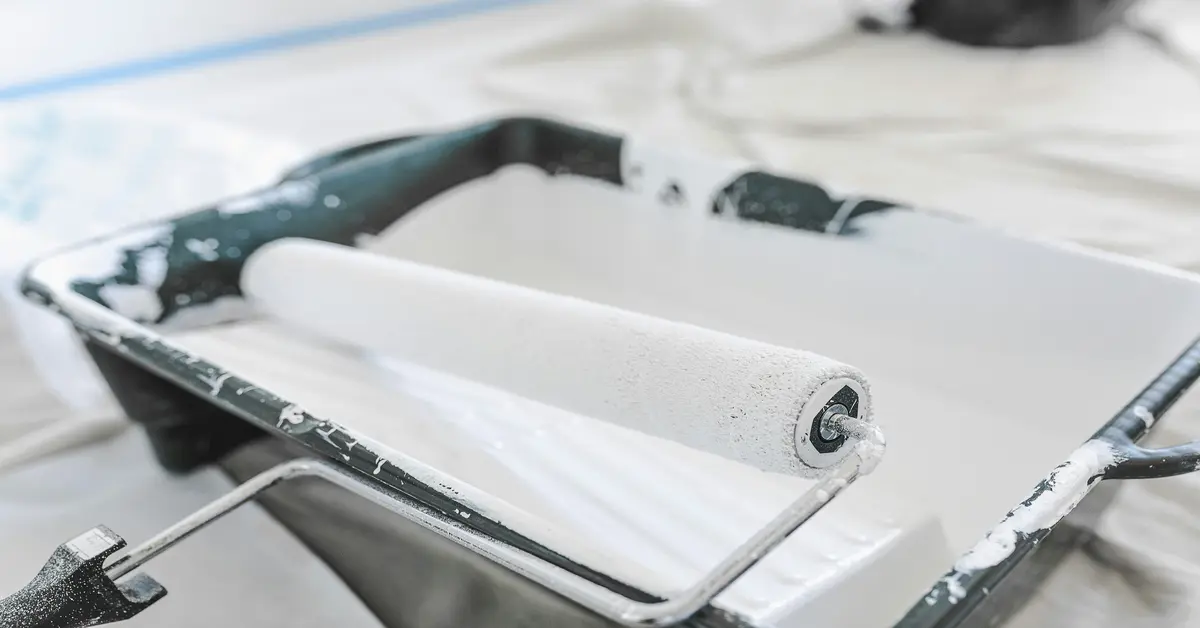

When embarking on any painting project, big or small, the humble paint tray often gets overlooked. However, choosing the right paint tray can significantly impact the efficiency and quality of your work. These essential tools are designed to hold paint, provide a convenient surface for loading your brush or roller, and minimize drips and spills. From basic plastic models to more advanced designs, understanding the different types of paint trays available will empower you to make an informed decision, ensuring a smoother and more professional finish every time. Let’s dive into the world of paint trays and discover how they can elevate your painting experience.
Understanding the Importance of Quality Paint Trays
Many DIY enthusiasts and even some professionals underestimate the critical role that a good quality paint tray plays. A well-designed tray not only holds your paint effectively but also helps you achieve an even coat on your brush or roller. This even loading prevents streaks and drips, leading to a much cleaner and more professional-looking result. Poor-quality paint pans can bend easily, spill paint, or have an uneven rolling surface, all of which can turn a simple painting task into a frustrating mess. Investing a little more in durable, functional paint trays will save you time, reduce waste, and ultimately improve the aesthetics of your painted surfaces.
Common Materials and Their Benefits
Paint trays are typically made from plastic, metal, or recycled materials. Plastic trays are lightweight, affordable, and easy to clean, making them a popular choice for single-use or small projects. Metal trays, often galvanized steel, offer superior durability and can withstand heavier use and harsh solvents. They are ideal for professional painters or frequent use. Environmentally conscious options include trays made from recycled plastics, offering a sustainable choice without compromising performance. Each material offers distinct advantages depending on the project’s demands.
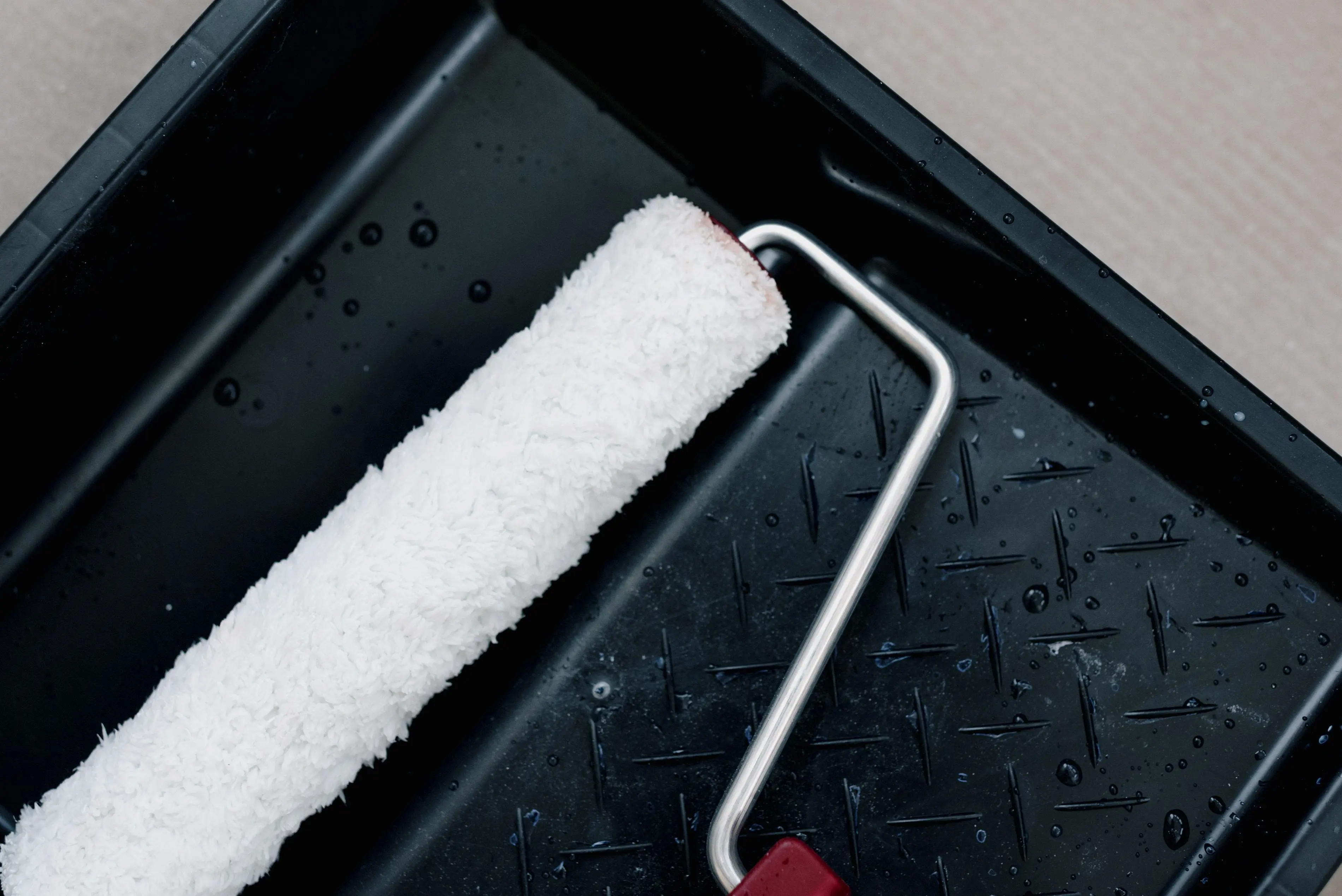
5 Amazing Types of Paint Trays You Should Know
The market offers a variety of paint trays, each suited for different painting needs. Knowing these types will help you select the best tool for your next project, ensuring optimal paint application and minimizing hassle.
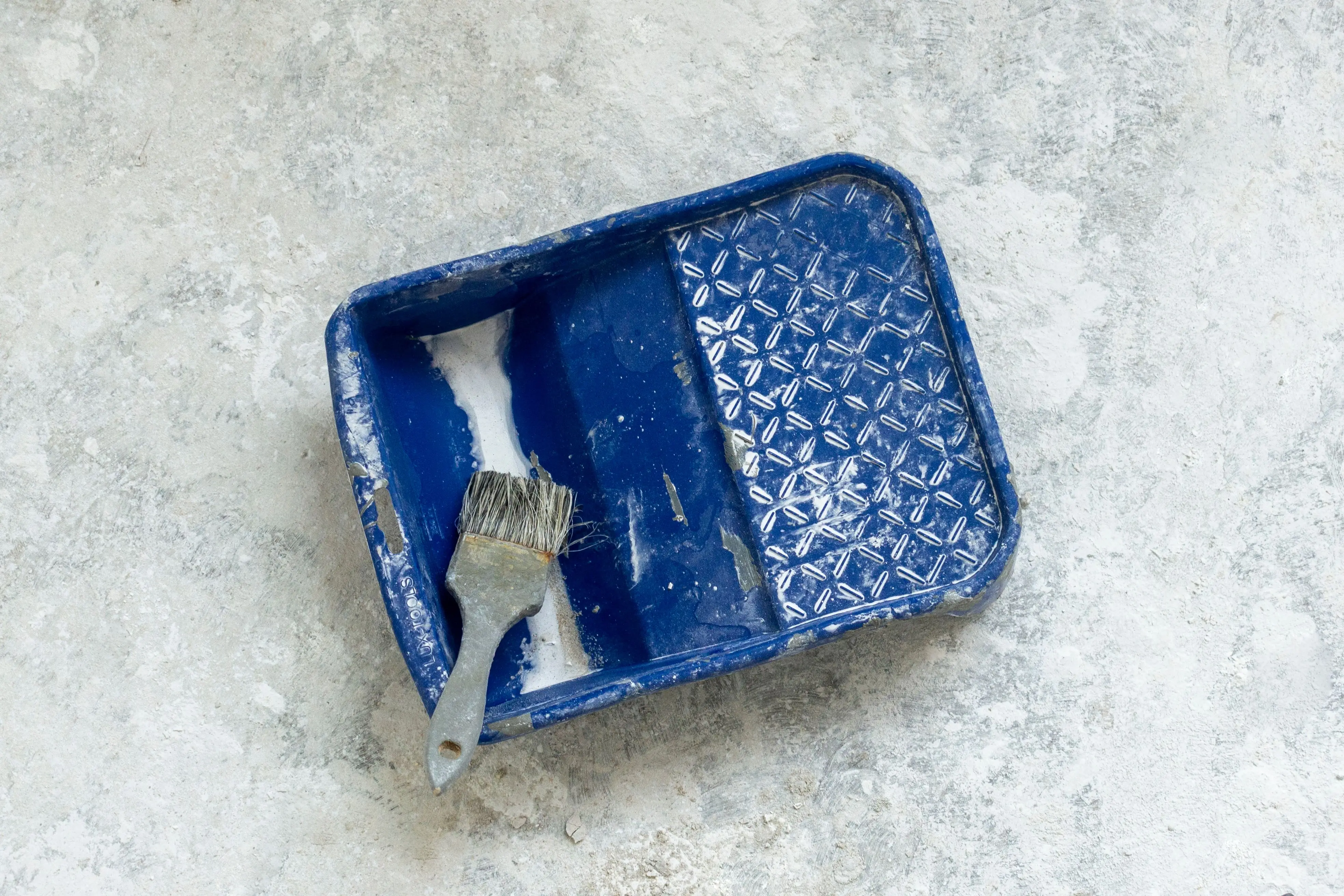
- Standard Plastic Paint Tray: The most common and economical option, perfect for small to medium projects. They are lightweight and easy to clean, often featuring a textured ramp for roller loading.
- Deep-Well Paint Tray: Designed for larger volumes of paint, these trays reduce the frequency of refills, making them ideal for painting extensive areas. Their deeper reservoir minimizes splashes.
- Metal Paint Tray: Extremely durable and reusable, metal trays (often galvanized steel) are a favorite among professionals. They resist cracking and can handle solvents more effectively than plastic.
- Roller & Brush Combo Tray: These trays feature dedicated sections for both a paint roller and a paintbrush, offering convenience for projects requiring both tools. They often include built-in brush holders.
- Liner-Compatible Paint Tray: Many trays are designed to accept disposable liners. This significantly simplifies cleanup, as you can simply discard the liner and keep the tray clean.
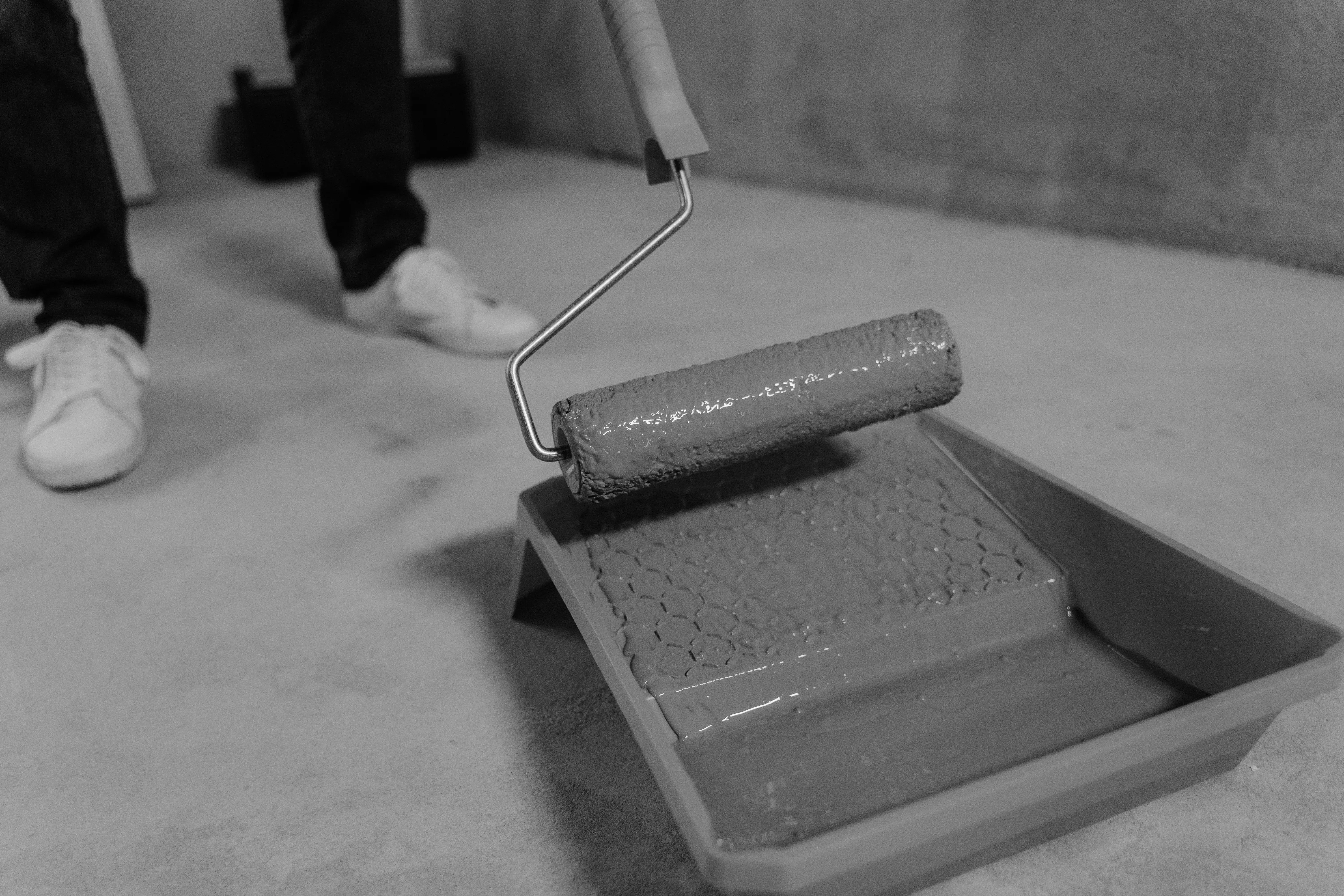
Choosing the Right Paint Pans for Your Project
Selecting the appropriate paint pans depends on several factors, including the size of your project, the type of paint you’re using, and your preference for cleanup. For small touch-ups or craft projects, a small, inexpensive plastic tray might suffice. For painting an entire room or house, a deep-well or metal tray, possibly with liners, would be far more efficient. Consider the paint type as well; some aggressive solvents might be better handled by a metal tray. Always think about the total scope of work before making your selection.
Maintenance and Cleaning of Your Paint Trays
Proper cleaning and maintenance extend the life of your paint trays and ensure they are ready for your next project. For water-based paints, simply rinse the tray thoroughly with water immediately after use. For oil-based paints or stubborn latex, a paint thinner or appropriate solvent may be necessary, followed by a good wash with soap and water. If you’re using tray liners, cleanup is a breeze – just remove and dispose of the liner. Always store clean, dry trays to prevent residue buildup and ensure they remain in good condition for future use.
Frequently Asked Questions About Paint Trays
What is the best way to clean paint trays?
For water-based paints, rinse immediately with warm water and soap. For oil-based paints, use mineral spirits or paint thinner, then wash with soap and water.
Can I reuse disposable paint tray liners?
While designed for single-use, if cleaned immediately and thoroughly, some heavy-duty liners can be reused. However, it’s generally recommended to dispose of them after each use for convenience and best results.
How do I prevent paint from drying in the tray?
When taking breaks, cover your paint tray with plastic wrap or foil. For longer breaks, consider pouring excess paint back into the can and cleaning the tray.
Are metal paint trays better than plastic ones?
Metal trays are more durable and reusable, especially for heavy-duty use and oil-based paints. Plastic trays are more affordable and lightweight, suitable for smaller projects.
What size paint tray should I use for a roller?
Most standard paint rollers (9-inch) fit well in common 11-inch or larger paint trays. Ensure the tray’s width accommodates your roller comfortably.
Conclusion: The Unsung Hero of Painting
In conclusion, paint trays are far more than just containers for paint; they are indispensable tools that streamline your painting process and contribute significantly to the quality of your finished project. By choosing the right type of paint tray for your specific needs, considering factors like material, size, and compatibility with liners, you can ensure a more efficient, cleaner, and ultimately more satisfying painting experience. Don’t underestimate these essential paint pans-they are truly the unsung heroes of any painting endeavor. Invest wisely in your paint trays, and watch your painting projects transform from daunting tasks into enjoyable achievements.