
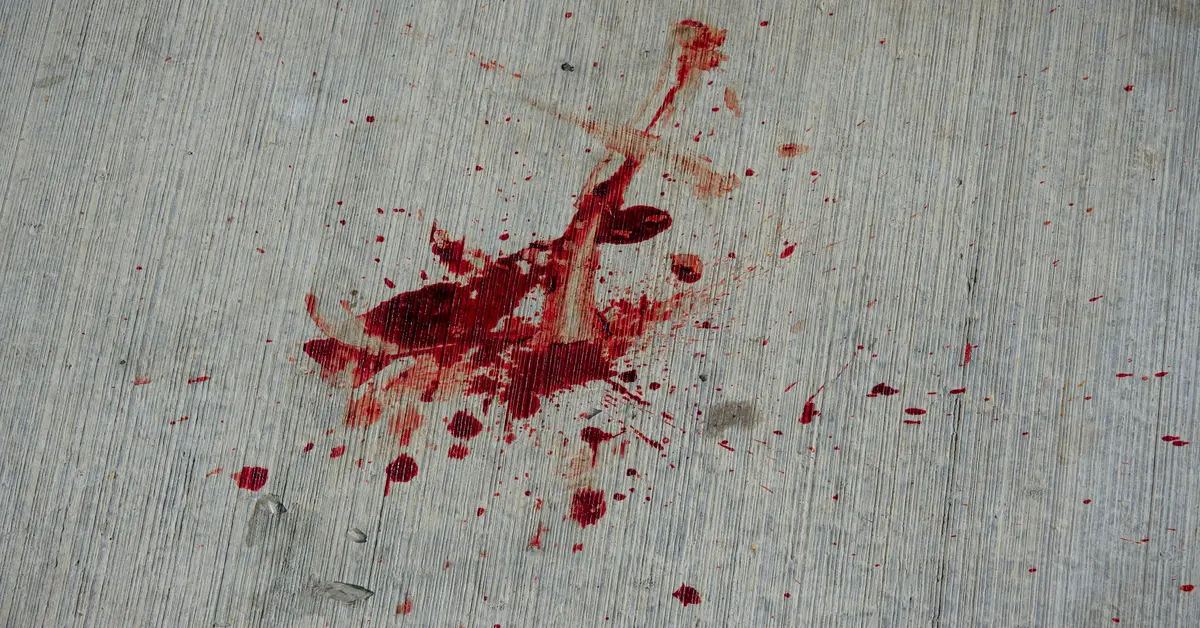
Dealing with blood stains on your sheets can be a frustrating experience, but it doesn’t have to be a permanent one. Whether it’s a small cut, a nosebleed, or a monthly mishap, knowing how to get blood off sheets effectively can save your favorite linens and your peace of mind. The key is often quick action and using the right techniques and products. Don’t let a blood stain send your sheets to the discard pile prematurely. In this comprehensive guide, we’ll walk you through proven methods, from immediate responses to tackling dried stains, ensuring your bedding looks fresh and clean again. Let’s dive into the best strategies to banish those stubborn blood marks for good.
Act Fast: The Golden Rule for blood stains
The sooner you address a blood stain, the higher your chances of complete removal. Fresh blood is much easier to lift from fabric fibers than dried blood. As soon as you notice a stain, remove the sheet from the bed. Avoid letting the blood dry or setting the stain with hot water, as heat can cook the proteins in the blood, making it much harder to remove. Instead, start by rinsing the stained area under cold running water. This helps to flush out as much of the blood as possible without spreading it further. Gentle rubbing with cold water can also aid in the initial removal process.
Cold Water and Salt: A Simple Solution
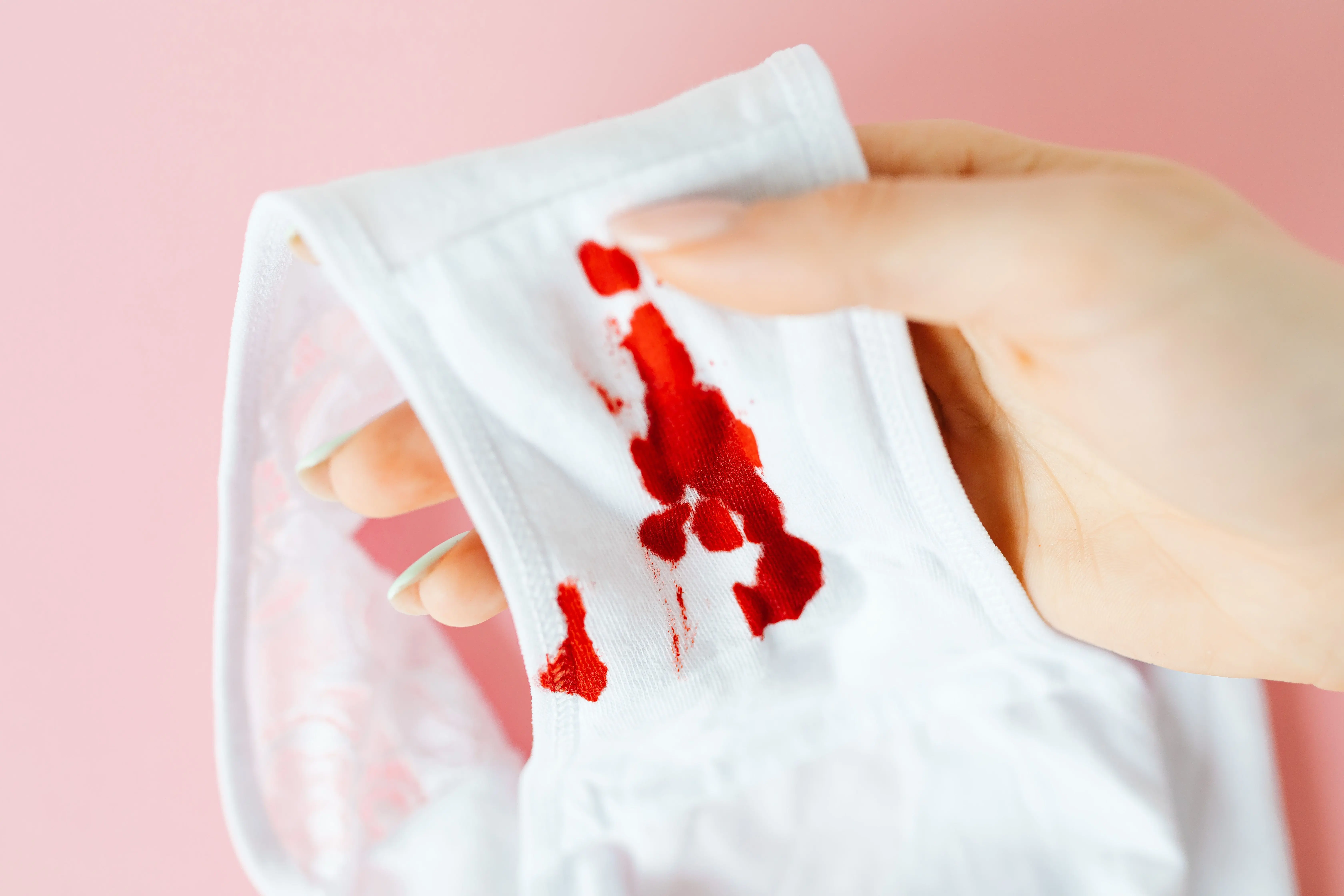
One of the most accessible and effective initial treatments involves cold water and common table salt. After rinsing the sheet under cold water, lay it flat and generously sprinkle salt directly onto the damp blood stain. The salt acts as a mild abrasive and helps to draw out the blood. Gently rub the salted area together or use a soft brush. Allow it to sit for 10-15 minutes, then rinse thoroughly with cold water. Repeat this process if necessary. This method is particularly good for fresh, small to medium-sized stains and works wonders before moving on to stronger treatments.

The Power of Hydrogen Peroxide
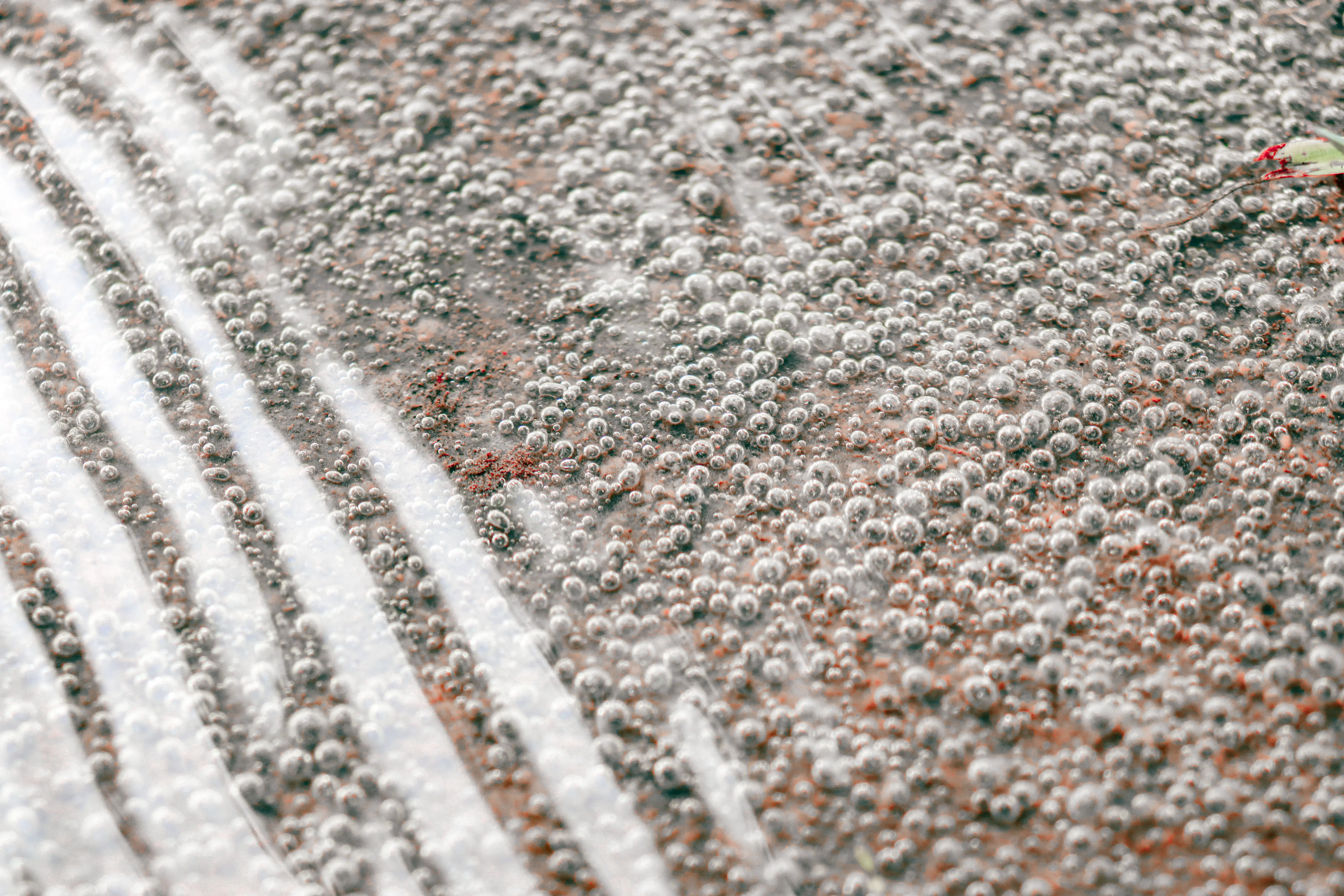
For more stubborn or dried blood stains, hydrogen peroxide can be a powerful ally. Apply a small amount of 3% hydrogen peroxide directly onto the stain. You’ll often see it bubble, which indicates it’s working to break down the blood. Let it sit for no more than 5-10 minutes, as leaving it on too long can potentially bleach certain fabrics. After waiting, blot the area with a clean cloth or paper towel, then rinse thoroughly with cold water. It’s always advisable to do a patch test on an inconspicuous area of the sheet first to ensure it doesn’t cause discoloration, especially on colored or delicate fabrics.
Best Laundry Blood Stain Remover Options
When home remedies aren’t quite enough, it’s time to reach for a specialized product. Many commercial laundry pre-treatments and stain removers are specifically formulated to tackle protein-based stains like blood. Look for products containing enzymes, which are excellent at breaking down organic matter. Apply the stain remover directly to the blood stain, ensuring it’s fully saturated. Follow the product’s instructions for wait time, which typically ranges from 5 minutes to several hours. After the recommended time, wash the sheets as usual in cold water with your regular detergent. For persistent stains, you might need to repeat the treatment before drying.
Tackling Dried Blood Stains
Dried blood stains present a greater challenge but are not impossible to remove. Begin by scraping off any crusted blood with a dull knife or spoon, being careful not to damage the fabric. Then, soak the stained area in cold water for several hours, or even overnight, to help rehydrate and loosen the blood. After soaking, proceed with one of the methods mentioned above, such as hydrogen peroxide or a commercial enzyme-based stain remover. Patience and persistence are key when dealing with dried blood; multiple applications and soaks may be necessary to fully lift the stain.

FAQ: Your Questions Answered
Can I use hot water to remove blood stains?
No, always use cold water for blood stains. Hot water can cook the proteins in the blood, setting the stain permanently into the fabric fibers.
Is hydrogen peroxide safe for all fabric types?
Hydrogen peroxide is generally safe for most white and light-colored fabrics, but it can cause bleaching on darker or delicate materials. Always perform a patch test on an inconspicuous area first.
What if the blood stain is old and dried?
For old, dried blood stains, start by soaking the item in cold water for several hours or overnight. This helps to rehydrate the blood. Then, proceed with treatments like hydrogen peroxide or an enzyme-based stain remover.
Do I need a special laundry detergent?
While a standard laundry detergent can help, an enzyme-based detergent or pre-treatment is more effective for blood stains, as enzymes are designed to break down protein-based organic matter.
How can I prevent blood stains from setting?
The best way to prevent blood stains from setting is to act quickly. Address the stain immediately with cold water and appropriate cleaning agents before it has a chance to dry or be exposed to heat.
Conclusion: Keep Your Sheets Spotless
Knowing how to get blood off sheets is an essential skill for maintaining a clean and hygienic home. By acting quickly, utilizing cold water, and employing the right cleaning agents-whether it’s common salt, hydrogen peroxide, or a specialized laundry blood stain remover-you can effectively tackle even the most stubborn marks. Remember, patience and prompt action are your best allies in this battle. Don’t let a blood stain dictate the fate of your beloved bedding. With these proven methods, you can restore your sheets to their pristine condition, ensuring a fresh and comfortable night’s sleep every time. Keep these tips handy, and your sheets will thank you.