
When faced with a rat infestation, many homeowners desperately search for quick and easy solutions. The idea of homemade rat poison often surfaces as a seemingly convenient and cost-effective alternative to commercial products. While the allure of concocting your own pest control might be strong, it’s crucial to understand the significant risks and ethical considerations involved. This article will delve into the dangers associated with DIY rat control methods, provide effective and humane alternatives, and equip you with the knowledge to safely and successfully get rid of rats from your home.
Understanding the implications of using homemade substances to eliminate pests is paramount, not only for the safety of your household but also for the environment. Before attempting any DIY solution, consider the potential for unintended harm to pets, children, and even non-target wildlife. Our goal here is to guide you towards the best rat control strategies that are both effective and responsible.
The Perils of DIY Homemade Rat Poison
The internet is rife with recipes for homemade rat poison, often suggesting ingredients like boric acid, plaster of Paris, or even common food items mixed with toxins. However, these methods come with serious drawbacks. For instance, boric acid, while toxic to insects, can be harmful to humans and pets if ingested, leading to vomiting, diarrhea, and even seizures. Plaster of Paris, when consumed, can solidify in a rat’s digestive system, causing internal blockages. While seemingly effective, this can lead to prolonged suffering for the animal.
Furthermore, the effectiveness of these DIY solutions is highly questionable. Rats are intelligent and cautious creatures. They may avoid novel food sources or ingest only small amounts, leading to sub-lethal doses that cause suffering but don’t eradicate the problem. Worse, a sick or dying rat can retreat into inaccessible areas of your home, creating foul odors and attracting other pests. The unpredictability and potential for harm far outweigh any perceived benefits of these makeshift solutions.
Safe and Effective Rat Exclusion Techniques
The most effective and humane way to get rid of rats is through exclusion and sanitation. Rats enter homes through surprisingly small openings, sometimes as tiny as a quarter-inch. Begin by thoroughly inspecting your home’s exterior and interior for any gaps, cracks, or holes. Pay close attention to foundations, utility pipe entries, vents, and spaces around doors and windows. Seal these openings using materials rats can’t chew through, such as steel wool, hardware cloth, cement, or metal flashing.
Beyond sealing entry points, proper sanitation is critical. Rats are attracted to readily available food sources. Store all food, including pet food, in airtight containers. Clean up spills immediately, and ensure trash cans have tight-fitting lids. Regularly sweep and vacuum to eliminate crumbs and food debris. Eliminating their access to food and water forces them to seek sustenance elsewhere, making your home far less appealing.
Humane Trapping and Professional Pest Control
When exclusion and sanitation aren’t enough, humane trapping can be an effective next step. Snap traps, when used correctly, offer a quick and relatively humane solution. Place traps in areas of high rat activity, perpendicular to walls, with the trigger facing the wall. Use appealing baits like peanut butter, chocolate, or soft cheese. Check traps frequently and dispose of captured rats hygienically.
For larger infestations or when DIY methods prove insufficient, professional pest control services are invaluable. Experts can identify entry points you might have missed, implement integrated pest management strategies, and use commercial-grade traps and baits safely and effectively. They also offer advice on long-term prevention, ensuring your home remains rat-free without resorting to dangerous homemade concoctions.

Understanding Rat Behavior for Better Control
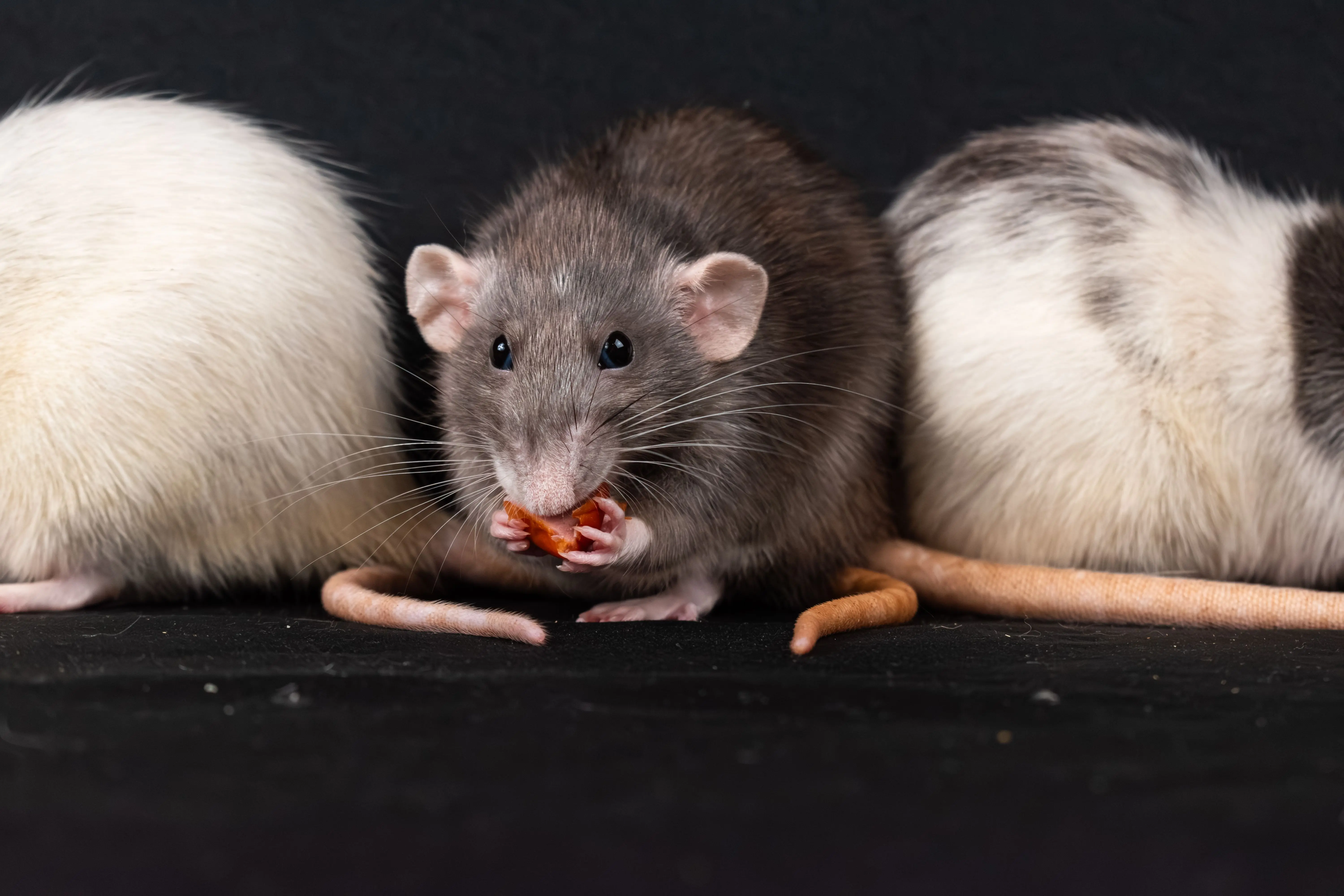
To successfully get rid of rats, it helps to understand their behavior. Rats are nocturnal, meaning they are most active at night. They tend to travel along walls and in secluded areas. Look for signs of activity such as droppings, gnaw marks on wood or wires, grease marks along walls, and scratching noises in ceilings or walls. Identifying these signs will help you strategically place traps and focus your exclusion efforts.
Rats are also prolific breeders, so a small problem can quickly escalate into a large infestation if not addressed promptly. Early intervention is key. By understanding their habits and preferences, you can implement more targeted and ultimately more successful control measures, moving away from the risky and often ineffective solutions like homemade rat poison.
Frequently Asked Questions About Rat Control
What are the risks of using homemade rat poison?
Homemade rat poison can be extremely dangerous to children, pets, and non-target wildlife. It can also cause prolonged suffering for the rats and may not be effective in eradicating the infestation.
Are there natural ways to repel rats?
While some natural repellents like peppermint oil or castor oil are suggested, their effectiveness is often limited and temporary. The most effective natural methods involve exclusion and sanitation.
How do I know if I have a rat infestation?
Signs of a rat infestation include droppings, gnaw marks, scratching noises, grease marks along walls, and sightings of rats themselves, especially at night.
What is the best way to get rid of rats safely?
The best and safest way to get rid of rats involves a combination of sealing entry points (exclusion), maintaining a clean environment (sanitation), and using humane traps or professional pest control services.
When should I call a professional pest control service?
You should call a professional if you have a large infestation, if DIY methods aren’t working, or if you prefer a comprehensive and guaranteed solution for long-term rat control.
Conclusion: Prioritizing Safety and Effectiveness
While the temptation to use homemade rat poison might seem like a quick fix, the risks associated with these methods far outweigh any potential benefits. From endangering your loved ones and pets to causing unnecessary suffering to the rats, DIY toxins are a dangerous path. Instead, focus on proven, safe, and effective strategies for rat control: robust exclusion, diligent sanitation, and strategic use of humane traps. For persistent or severe infestations, professional pest control remains the most reliable option.
Prioritizing safety, effectiveness, and humane treatment will not only ensure a rat-free home but also provide peace of mind. Make informed choices to protect your household and the environment from the dangers of inappropriate pest control methods. Invest in proper prevention and professional help to truly get rid of rats for good.