
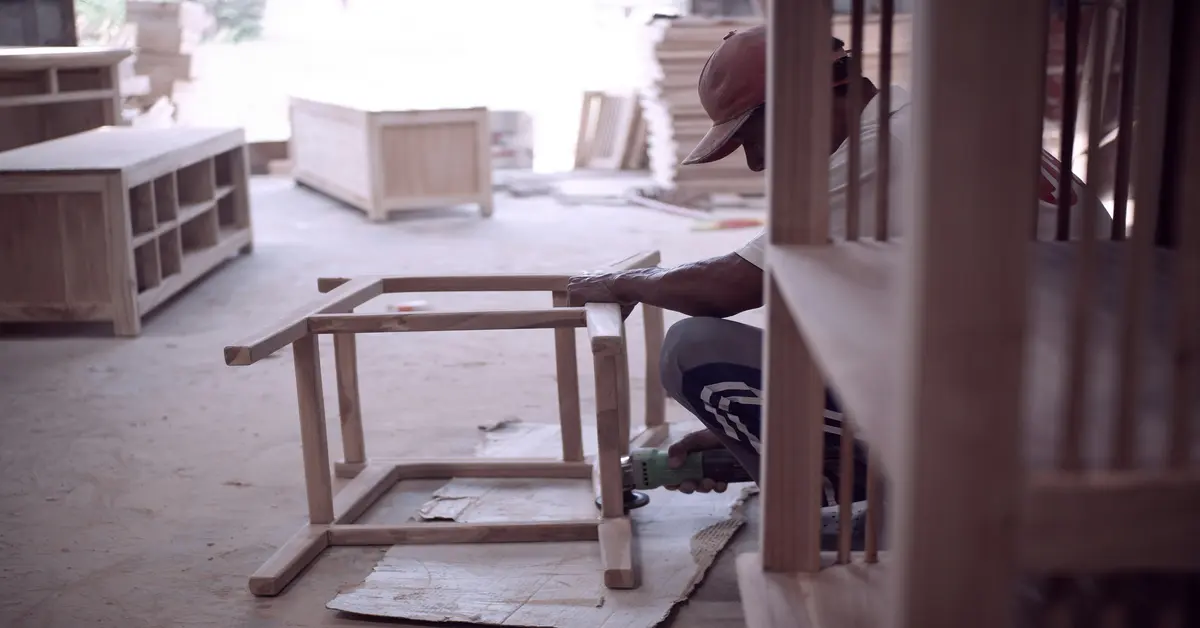
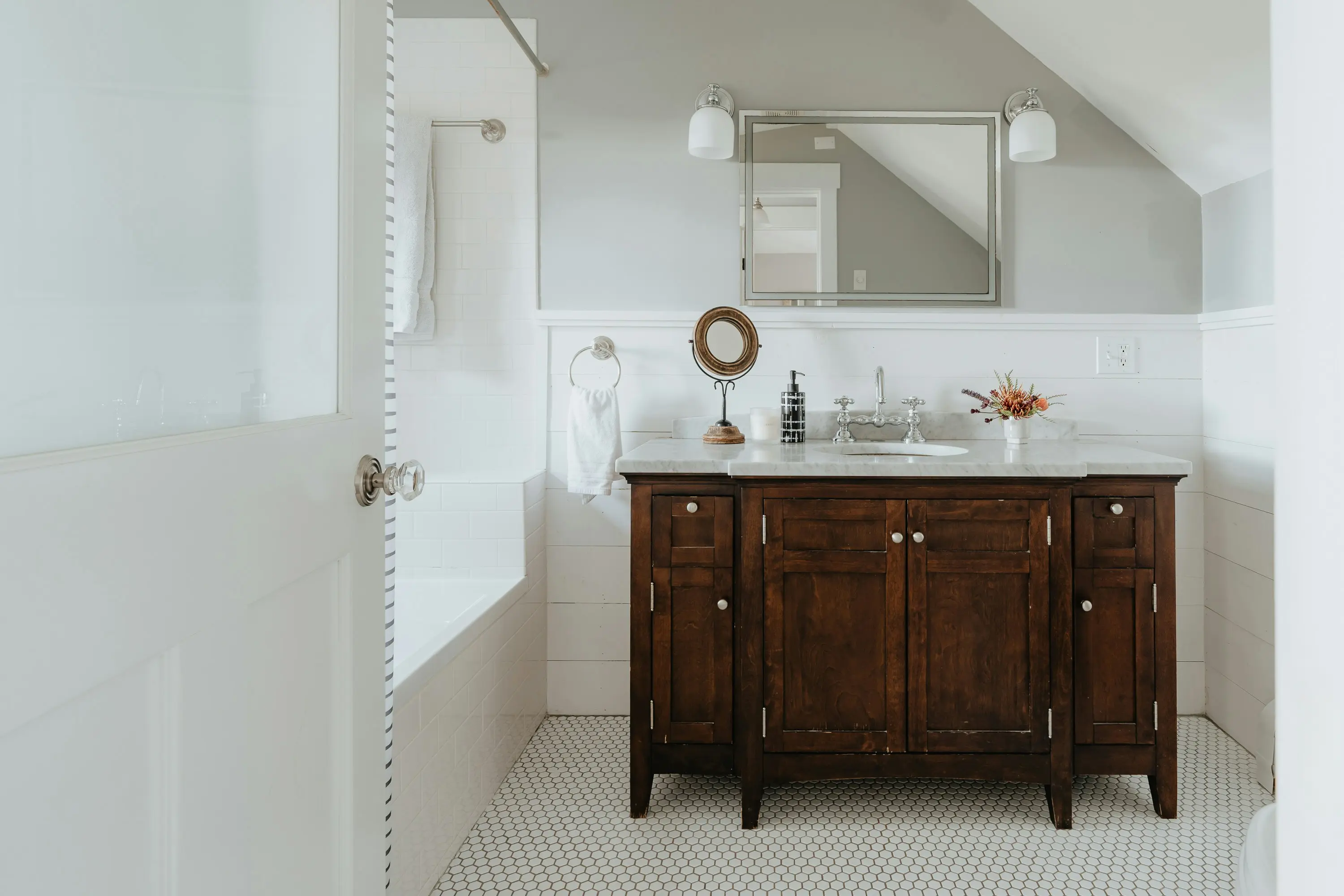
A woodworking vanity can transform your bathroom into a sanctuary of style and functionality. Far more than just a place to hold your sink, a well-crafted wooden bathroom vanity acts as a powerful design statement, adding warmth, character, and often much-needed storage to one of the most essential rooms in your home. The beauty of a woodworking vanity lies in its versatility and the endless possibilities for customization, allowing you to perfectly match your decor and personal taste. Whether you’re aiming for rustic charm, modern minimalism, or classic elegance, a custom wooden piece can elevate your bathroom’s aesthetic. This guide will explore various aspects of creating and choosing the perfect woodworking vanity for your space.
Why Choose a diy Woodworking Vanity?
Opting for a DIY woodworking vanity offers numerous advantages over mass-produced alternatives. First and foremost, it provides unparalleled customization. You dictate the dimensions, wood type, finish, and features, ensuring a perfect fit for your bathroom’s layout and your storage needs. This level of personalization is often impossible to achieve with off-the-shelf units. Furthermore, building your own can be significantly more cost-effective, allowing you to invest in higher-quality materials or more sophisticated hardware within your budget. There’s also immense satisfaction in creating something with your own hands, adding a unique, handcrafted touch that enhances your home’s character.

Selecting the Right Wood for Your Vanity
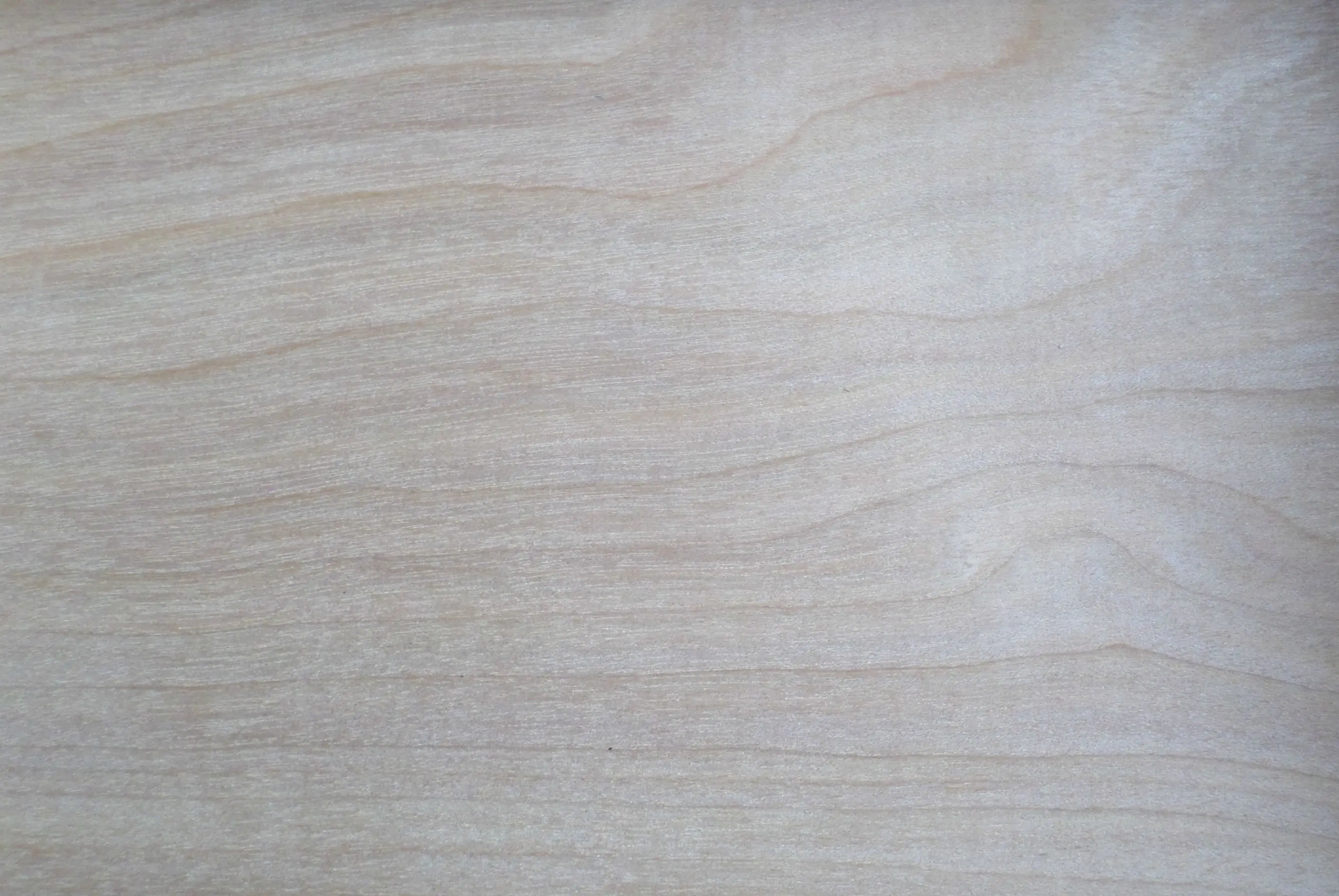
The choice of wood is paramount for a lasting and beautiful wooden bathroom vanity. Different wood types offer varying levels of durability, aesthetic appeal, and resistance to moisture – a crucial factor in bathroom environments. Here are some popular options:
- Oak: Known for its strength and prominent grain, oak is highly durable and resists warping.
- Maple: A dense, fine-grained wood that takes stains beautifully, offering a sleek, modern look.
- Cherry: Offers a rich, warm color that deepens with age, adding a touch of classic elegance.
- Teak: Naturally water-resistant due to its high oil content, making it an excellent, albeit more expensive, choice for bathrooms.
- Walnut: A luxurious wood with rich, dark tones and a beautiful grain pattern, ideal for a sophisticated aesthetic.
Consider the humidity levels in your bathroom and choose a wood and finish that can withstand the environment effectively.
Designing Your Perfect Woodworking Vanity
Considering Size and Layout
Before you even pick up a saw, meticulous planning is essential. Measure your bathroom space precisely, taking into account door swings, shower clearances, and toilet placement. Decide whether you need a single or double sink vanity and how much counter space is practical. Sketch out different layouts to visualize the flow and functionality. Think about how the vanity will integrate with existing fixtures and the overall style of your bathroom.
Storage Solutions and Functionality
A well-designed woodworking vanity goes beyond aesthetics; it provides essential storage. Consider various storage solutions: drawers for smaller items, open shelving for towels or decorative baskets, and cabinets for bulkier toiletries. Soft-close hinges and drawer slides enhance functionality and durability. Think about incorporating power outlets inside drawers for hair dryers or electric toothbrushes to keep countertops clutter-free.

Finishing Touches: Protecting Your Wooden Bathroom Vanity
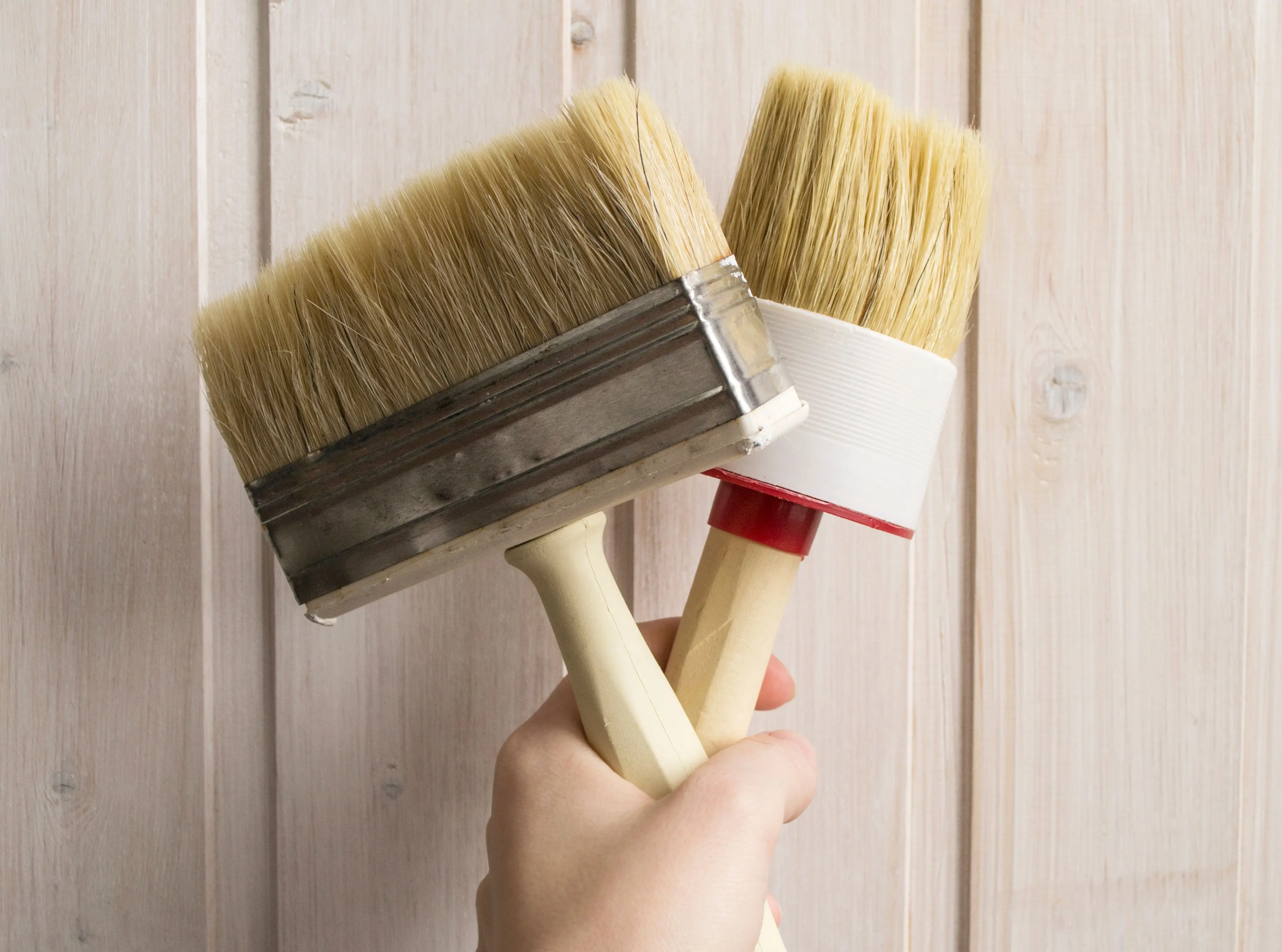
Proper finishing is crucial to protect your diy bathroom cabinet from moisture damage, which is inevitable in a bathroom. Polyurethane, spar varnish, or marine-grade sealants are excellent choices for water resistance and durability. Apply multiple thin coats, sanding lightly between each, for the best protection and a smooth, professional finish. For a more natural look, oil finishes can also be used but require more frequent reapplication and maintenance. Always choose a finish that complements your chosen wood and the overall aesthetic of your bathroom.
FAQ: Your Woodworking Vanity Questions Answered
Can I use reclaimed wood for a woodworking vanity?
Yes, reclaimed wood can create a stunning and unique vanity, adding character and a rustic feel. Ensure the wood is properly treated for moisture resistance before use.
How do I prevent mold and mildew on my wooden bathroom vanity?
Proper sealing with a waterproof finish is key. Also, ensure good ventilation in your bathroom to reduce humidity, which helps prevent mold and mildew growth.
What tools do I need to build a DIY woodworking vanity?
Essential tools include a saw (table saw, miter saw), drill, sander, clamps, measuring tape, and safety gear. More advanced projects might require a router or jointer.
Can a novice woodworker build a vanity?
Absolutely! Start with a simpler design, use clear plans, and take your time. There are many beginner-friendly plans available that yield beautiful results.
How do I maintain my wooden bathroom vanity?
Regular cleaning with a soft, damp cloth and mild soap is usually sufficient. Avoid harsh chemicals. Reapply protective finishes every few years as needed to ensure longevity.

Conclusion: Crafting Your Dream Woodworking Vanity
A woodworking vanity is more than just a piece of furniture; it’s an investment in your home’s beauty and functionality. By choosing to craft a custom wooden bathroom vanity, you gain complete control over the design, materials, and features, ensuring a perfect fit for your space and style. From selecting the ideal wood to meticulous planning and thoughtful finishing, each step contributes to a durable and visually appealing outcome. Embrace the satisfaction of creating a unique piece that reflects your personal touch. Ready to elevate your bathroom? Start planning your dream woodworking vanity today and enjoy the timeless elegance and practical benefits it brings.