
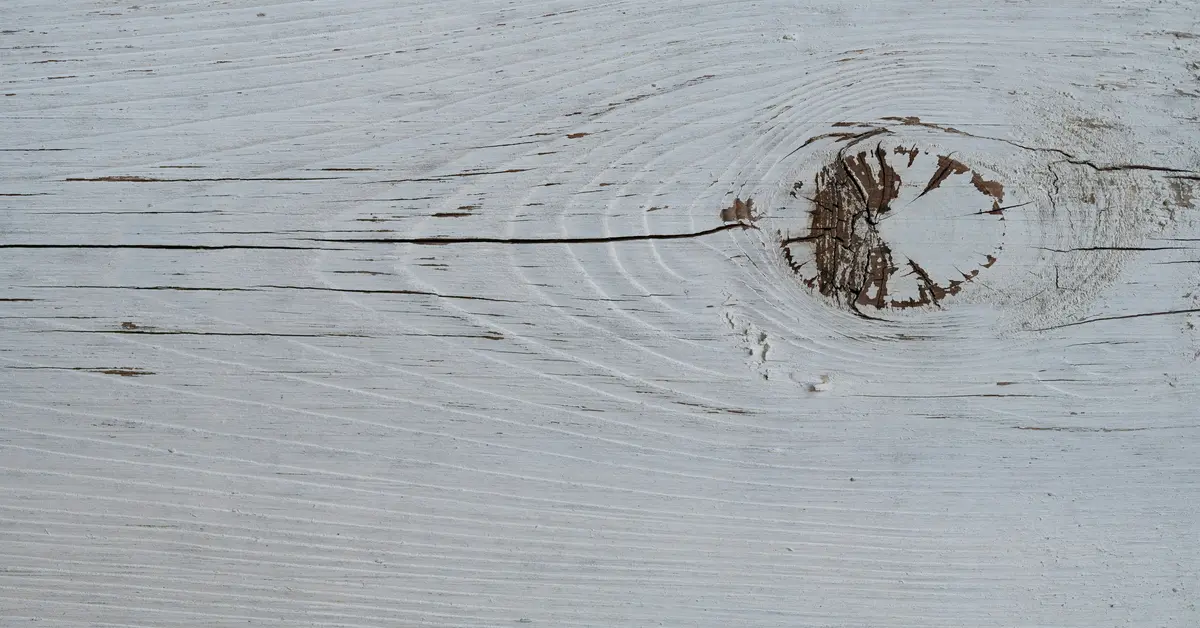

When it comes to transforming the look of your wooden furniture, floors, or cabinetry, achieving a fresh, modern aesthetic is often high on the priority list. That’s where white color wood stain comes into its own. Far from just painting over the grain, staining with white allows the natural beauty and texture of the wood to show through, offering a sophisticated and airy feel. It’s a versatile choice that can lighten up dark spaces, create a farmhouse chic vibe, or lend a contemporary edge to any room. Whether you’re refreshing an old heirloom or finishing new timber, understanding the nuances of white wood stain will help you achieve stunning results that elevate your home’s appeal.
The Enduring Appeal of White Wood Stain
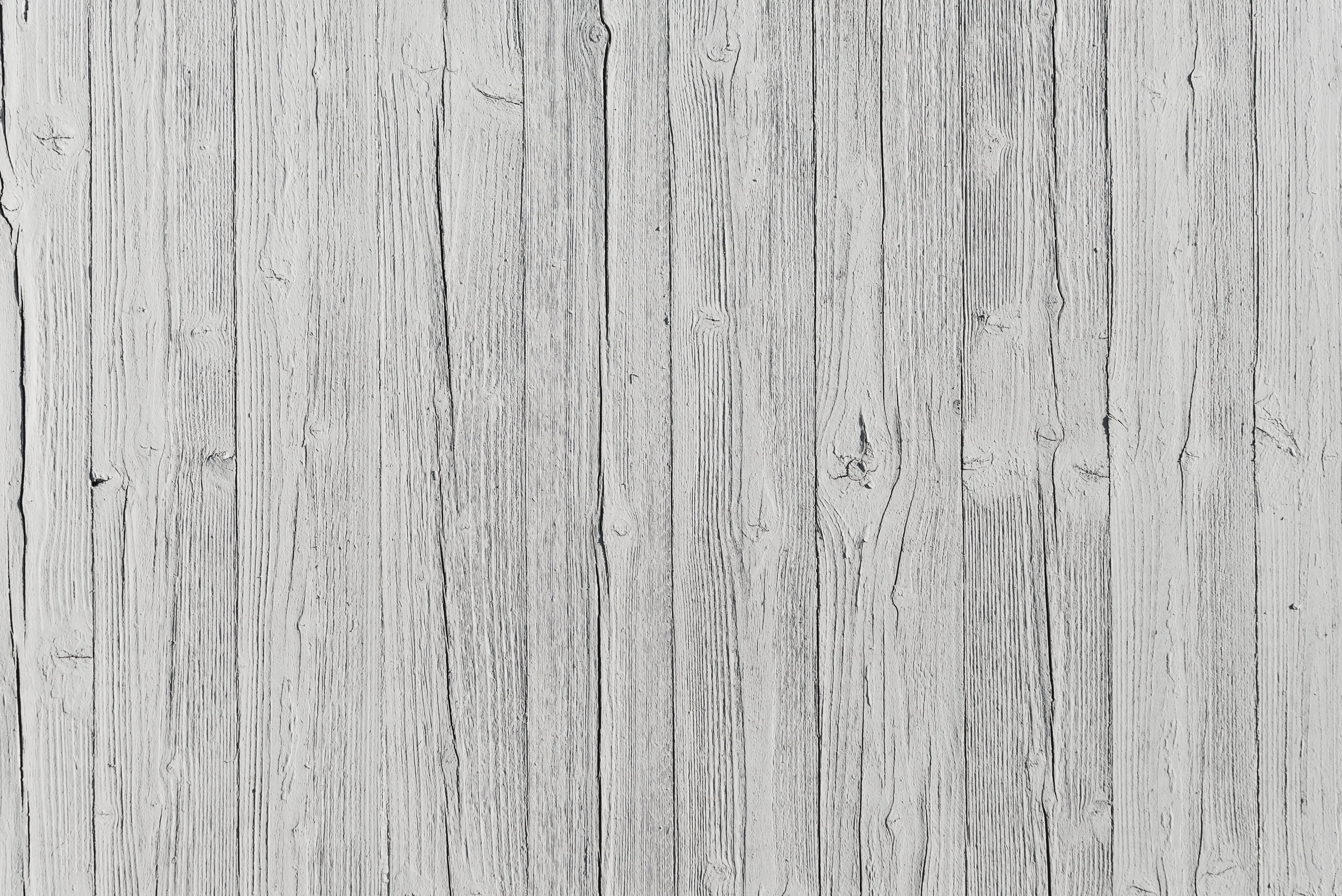
The popularity of white color wood stain isn’t just a fleeting trend; it’s a testament to its timeless elegance and versatility. White finishes create a sense of openness and brightness, making rooms feel larger and more inviting. Unlike opaque paints, a white wood stain allows the underlying wood grain to remain visible, adding character and depth. This transparency is key to its charm, providing a soft, weathered, or bleached look that can complement various interior design styles, from Scandinavian minimalism to rustic farmhouse. It’s an excellent option for enhancing natural light and creating a clean canvas for other decor elements.
Choosing the Right White Color Wood Stain Product
Selecting the ideal white color wood stain involves considering several factors, including the type of wood, the desired level of opacity, and the project’s intended use. Some stains offer a very light, almost translucent white, while others provide a more opaque, whitewashed effect. Water-based stains are popular for their low VOCs, quick drying time, and easy cleanup, making them a great choice for interior projects. Oil-based stains, while taking longer to dry, often penetrate deeper and offer exceptional durability, particularly for high-traffic areas or outdoor applications. Always test your chosen stain on an inconspicuous area or a scrap piece of the same wood to ensure the final look meets your expectations.
Preparing Wood for a Flawless White Finish
Proper preparation is paramount for achieving a professional and long-lasting stained white finish. Begin by thoroughly cleaning the wood, ensuring it’s free from dirt, grease, and old finishes. Sanding is a crucial step; start with a coarser grit sandpaper (e.g., 100-120) to smooth the surface and then move to a finer grit (e.g., 180-220) for a silky smooth feel. This opens up the wood grain, allowing the white wood stain to penetrate evenly. For woods prone to blotching, such as pine or maple, applying a pre-stain conditioner can help achieve a more uniform color. Always wipe away sanding dust completely before applying any product.

Application Techniques for White Color Wood Stain
Applying white color wood stain effectively requires a steady hand and attention to detail. Use a high-quality brush, foam applicator, or lint-free cloth, applying the stain in the direction of the wood grain. Work in small sections to maintain control and ensure even coverage. After applying, allow the stain to sit for the recommended time (check the product label) before wiping off the excess. The longer the stain sits, the more opaque the white finish will be. You may need one or two coats depending on the desired intensity. Always allow adequate drying time between coats and before applying a topcoat for protection.
FAQ: All About White Color Wood Stain
Does white wood stain cover wood grain?
No, a true white wood stain is designed to allow the wood grain to show through, offering a translucent or semi-transparent white finish rather than completely obscuring the wood like paint.
Can I apply white stain over an existing finish?
Generally, it’s best to remove any existing finish before applying white wood stain to ensure proper penetration and an even result. Stains work best on bare, sanded wood.
Is white stain difficult to maintain?
White stained wood is relatively easy to maintain. Regular cleaning with a damp cloth is usually sufficient. For added protection and durability, especially in high-traffic areas, apply a clear topcoat.
How do I prevent streaking when applying white wood stain?
To prevent streaking, apply the stain evenly in the direction of the wood grain, work in small sections, and wipe off excess stain promptly and thoroughly before it dries.
What kind of wood looks best with white stain?
White stain works beautifully on various wood types. Lighter woods like pine, maple, or ash take on a bright, airy look, while darker woods such as oak or walnut can achieve a stunning contrast with the white, highlighting their unique grain patterns.

Protecting Your White Stained Wood
Once you’ve achieved your desired white color wood stain finish, the final step is to protect it with a durable topcoat. This not only enhances the longevity of your project but also safeguards against scratches, moisture, and everyday wear and tear. Options include polyurethane, lacquer, or varnish, each offering different levels of durability and finish sheen. For interior pieces, a water-based polyurethane provides excellent protection without yellowing the white finish. Always apply the topcoat in thin, even layers, allowing proper drying time between coats and light sanding if recommended by the product manufacturer. This final layer ensures your beautifully stained white wood remains a highlight in your home for years to come.
