
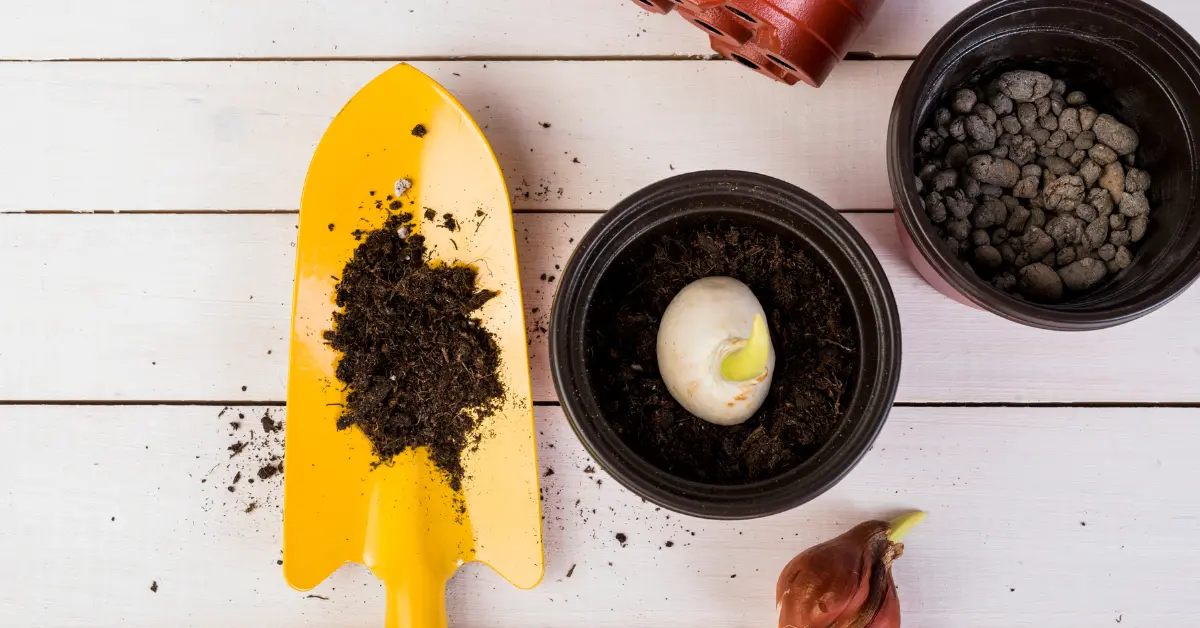
Embarking on the journey of growing plants from household plant seeds is a profoundly rewarding experience that transforms your living space and personal well-being. Far beyond mere aesthetics, cultivating plants from their foundational stage offers a unique blend of satisfaction, sustainability, and educational value. In an increasingly fast-paced world, finding solace and purpose in the simple act of nurturing life from a tiny seed can be incredibly grounding. This comprehensive guide will delve into the myriad reasons why selecting and sowing household plant seeds is an endeavor worth pursuing, highlighting not just the joy of seeing a seedling sprout, but also the broader benefits it brings to your home and lifestyle.
The initial concept might seem daunting to some, but with the right information and a little patience, anyone can become a successful seed starter. It’s an opportunity to connect with nature on a deeper level, understand the intricate cycles of growth, and even contribute to a greener planet, one pot at a time. From improving indoor air quality to providing a sense of accomplishment, the advantages of growing plants from seeds are extensive. We’ll explore how this hobby can reduce stress, enhance interior décor, and even supply you with fresh herbs or vegetables. Prepare to uncover the secrets to nurturing vibrant life from the smallest beginnings, fostering a thriving indoor garden that reflects your dedication and care, all starting with the humble yet powerful household plant seeds.
The Unmatched Joy of Starting with Household Plant Seeds
There’s a unique satisfaction that comes from watching life emerge from a seemingly inanimate object. When you plant household plant seeds, you’re not just buying a plant; you’re investing in a process, a journey of growth that you actively participate in. This hands-on involvement fosters a deeper connection to your plants. You witness every stage, from the initial cotyledons pushing through the soil to the unfurling of true leaves, and eventually, the full maturity of the plant. This intimate understanding of the plant’s life cycle is a powerful motivator and a source of immense pride. Unlike purchasing an already established plant, starting from seed gives you complete control over its environment from day one, allowing you to tailor conditions to its specific needs for optimal health and vigor.
Moreover, starting with household plant seeds opens up a world of variety that pre-potted plants simply cannot offer. Nurseries typically stock the most popular and readily available species. However, seed catalogs and online retailers provide an astonishing array of unique, rare, and heirloom varieties that might be impossible to find otherwise. This means you can cultivate truly distinctive plants that reflect your personal taste and add an unparalleled charm to your home. Imagine growing an exotic succulent from a tiny seed, or bringing to life a forgotten heirloom tomato variety in your indoor garden. The possibilities are endless, making seed starting an exciting adventure for any plant enthusiast.
Economic and Sustainable Advantages of Growing from Seeds
Beyond personal satisfaction, there are significant practical benefits to growing plants from household plant seeds, particularly from an economic standpoint. Seeds are considerably cheaper per plant than purchasing mature seedlings or established plants. For the cost of one small potted plant, you can often acquire dozens, if not hundreds, of seeds. This allows you to cultivate a much larger and more diverse indoor garden without breaking the bank. It’s an incredibly cost-effective way to beautify your home, especially if you have a wide array of plants in mind or wish to experiment with different species.
Sustainability is another key advantage. Growing from seeds reduces reliance on commercial nurseries, which often use plastic pots, trays, and extensive transportation, contributing to environmental impact. By starting your own seeds, you minimize waste and reduce your carbon footprint. You also have the option to choose organic or ethically sourced seeds, further aligning your gardening practices with sustainable values. Furthermore, learning to save seeds from your own plants creates a closed-loop system, promoting self-sufficiency and ensuring a continuous supply of your favorite varieties for future planting seasons. This cycle of growth and renewal is at the heart of sustainable living and an integral part of the experience of growing plants from household plant seeds.

Essential Tools and Techniques for Nurturing Household Plant Seeds
Successful seed starting doesn’t require a green thumb as much as it requires the right tools and a basic understanding of plant biology. When working with household plant seeds, the environment you create for them is paramount. Start with quality seed-starting mix, which is lighter and more sterile than regular potting soil, preventing dampening-off disease and providing excellent drainage. Seed-starting trays with cell inserts are ideal, allowing you to plant multiple seeds efficiently and manage individual seedlings. Don’t forget proper light; while window sills can work for some, supplemental grow lights are often crucial, especially in cooler climates or during shorter daylight hours, to ensure strong, non-leggy growth. A heat mat can also significantly improve germination rates for many species by providing consistent bottom heat.
Step-by-Step Guide to Sowing Your Seeds
- Choose the Right Container: Use sterile seed-starting trays, repurposed plastic containers with drainage holes, or even biodegradable pots like peat or coir pellets.
- Prepare the Seed-Starting Mix: Moisten your specialized seed-starting mix thoroughly until it’s damp but not waterlogged. Fill your containers, lightly tamping the soil to remove large air pockets.
- Planting Depth: Read your seed packet instructions carefully. Most small to medium household plant seeds are sown at a depth of about twice their diameter. Very tiny seeds can often be scattered on the surface and lightly pressed in.
- Sowing the Seeds: Place seeds according to the recommended spacing. For larger seeds, you might plant one or two per cell. For smaller seeds, sprinkle a few, planning to thin them later.
- Cover and Water: Gently cover the seeds with the appropriate amount of soil. Lightly mist the surface with water or use a bottom-watering technique to avoid disturbing the seeds.
- Provide Warmth and Humidity: Place your containers on a heat mat (if needed) and cover them with a humidity dome or plastic wrap to create a mini-greenhouse effect. This maintains consistent moisture and warmth, crucial for germination.
- Light Requirements: Once seedlings emerge, remove the humidity dome and immediately provide adequate light. For grow lights, typically place them a few inches above the seedlings, adjusting as they grow.
- Ventilation and Thinning: Ensure good air circulation to prevent fungal issues. Once seedlings have their first set of true leaves, thin them to the strongest single plant per cell.

Boosting Your Home’s Aesthetics and Well-being with Household Plant Seeds
Beyond the practicalities, growing plants from household plant seeds significantly enhances the aesthetic appeal of your home. Imagine a vibrant windowsill bursting with unique foliage, or a carefully curated plant shelf displaying an array of textures and colors, all grown by your own hand. These living décor elements add warmth, character, and a natural touch that no artificial ornament can replicate. The journey from a tiny seed to a magnificent plant imbues your interior spaces with a dynamic, evolving beauty. It allows for personalized decor, as you can choose plants that perfectly complement your existing style, or even design an entire room around the plant themes you cultivate. The visual impact of lush, healthy plants grown from household plant seeds is undeniable, transforming sterile environments into inviting sanctuaries.
The benefits extend far beyond visual appeal, profoundly impacting your well-being. Studies consistently show that interacting with plants can reduce stress, improve mood, and increase focus. The act of tending to household plant seeds, observing their slow but steady progress, and providing the care they need can be incredibly meditative. It offers a gentle escape from daily pressures, grounding you in the present moment. Furthermore, many indoor plants, especially those grown organically from seeds, act as natural air purifiers, filtering out toxins and releasing fresh oxygen. This improved air quality contributes to a healthier living environment, potentially leading to better sleep and overall vitality. Cultivating an indoor garden from household plant seeds is an investment in both your home’s beauty and your personal health.
The Therapeutic Power of Nurturing Life from Seeds
There’s a deep-seated human need to nurture, and growing plants from household plant seeds taps directly into this instinct. The responsibility of caring for a young seedling, providing it with water, light, and nutrients, offers a profound sense of purpose and accomplishment. For individuals seeking a hobby that provides both mental stimulation and emotional fulfillment, seed starting is an excellent choice. It encourages patience, problem-solving, and observation skills. Watching a fragile sprout overcome challenges and flourish under your care instills a sense of pride and connection. This therapeutic activity has been shown to alleviate symptoms of anxiety and depression, providing a tangible output for your efforts and a continuous source of wonder.
Moreover, the process of gardening, even indoors with household plant seeds, encourages mindfulness. It forces you to slow down, pay attention to subtle changes, and respond to the needs of another living thing. This deliberate focus can be a powerful antidote to the distractions of modern life. Sharing your homegrown plants or the knowledge you gain with others can also foster community and connection. From the moment you sow the first household plant seeds, you’re not just growing plants; you’re cultivating patience, resilience, and a deeper appreciation for the natural world around you, reinforcing a sense of peace within your own home.

Overcoming Common Challenges with Household Plant Seeds
While the journey of growing plants from household plant seeds is deeply rewarding, it’s not without its challenges. Even experienced gardeners face setbacks. One of the most common issues is low germination rates. This can be due to old or non-viable seeds, improper planting depth, inconsistent moisture, or incorrect temperature. Always check the expiry date on seed packets and consider pre-treating seeds that require stratification or scarification. Keeping the seed-starting mix consistently moist but not waterlogged is critical, as is maintaining the optimal temperature range for the specific plant species.
Identifying and Solving Seedling Problems
- Leggy Seedlings: This is a very common issue, primarily caused by insufficient light. Seedlings stretch towards a light source that is too far away or too weak. The solution is to move grow lights closer (typically 2-4 inches above the seedlings) or ensure they receive more direct, bright light if relying on natural sources.
- Damping-Off Disease: This fungal disease causes young seedlings to suddenly collapse at the soil line. It’s often due to overcrowded conditions, poor air circulation, and overly wet soil. Prevent it by using sterile seed-starting mix, ensuring good drainage, adequate spacing, and providing gentle air movement with a small fan.
- Yellowing Leaves: Yellow leaves can indicate a variety of problems, including nutrient deficiency, overwatering, or underwatering. Check the soil moisture first. If it’s consistently wet, reduce watering. If dry, gradually increase it. If the seedlings are larger, they might need a diluted liquid fertilizer designed for seedlings.
- Pests: Even indoors, tiny pests like fungus gnats can appear, especially in moist conditions. Ensure good drainage and allow the topsoil to dry slightly between waterings. Yellow sticky traps can help monitor and catch adult gnats. For other pests, identification is key before implementing appropriate organic control methods.
- Transplant Shock: When moving seedlings from their cozy seed-starting environment to larger pots or outdoors, they can experience shock. Harden off seedlings gradually by exposing them to outdoor conditions for increasing periods over a week or two before final transplanting. This acclimates them to wind, temperature fluctuations, and stronger sunlight.

Expanding Your Indoor Garden: Beyond the Basics of Household Plant Seeds
Once you’ve mastered the art of sprouting basic household plant seeds, an exciting world of possibilities opens up for expanding your indoor garden. Don’t limit yourself to common houseplants. Consider growing rare or unusual varieties that thrive indoors, adding a unique botanical flair to your home. Many tropical plants, herbs, and even some compact fruit-bearing plants can be started from seed and flourish under the right indoor conditions. Think about creating themed gardens, such as a culinary herb garden for your kitchen, a succulent and cactus landscape on a sunny windowsill, or even a mini-jungle in a terrarium. Experiment with different light conditions and microclimates within your home to find the perfect spot for various plant types.
Furthermore, venture into advanced propagation techniques once your household plant seeds have matured. Learn how to take cuttings from your established plants to create new ones, expanding your collection for free or to share with friends and family. Explore division for plants that form clumps, or even try air layering for larger specimens. This not only allows you to propagate your favorites but also deepens your understanding of plant reproduction. Consider vertical gardening solutions or hydroponic systems for maximizing space and accelerating growth, especially if you’re keen on growing edible plants indoors. The journey from household plant seeds is just the beginning; the world of indoor gardening is vast and constantly evolving, offering endless opportunities for creativity and learning.

FAQ: Understanding Household Plant Seeds
What is the ideal temperature for germinating most household plant seeds?
Most household plant seeds germinate best in temperatures ranging from 65-75°F (18-24°C). However, specific plants may have unique requirements, so always check the seed packet. Using a heat mat can help maintain consistent soil temperature.
How often should I water my newly planted household plant seeds?
The seed-starting mix should be kept consistently moist but never waterlogged. Mist the surface gently or use bottom watering to avoid disturbing the seeds. A humidity dome helps maintain moisture, reducing the need for frequent watering until germination.
Why are my household plant seeds not sprouting?
Several factors can cause poor germination: old or non-viable seeds, incorrect planting depth, too little or too much water, insufficient warmth, or seeds requiring specific pre-treatment like stratification or scarification. Review seed packet instructions and environmental conditions.
When should I transplant my seedlings started from household plant seeds?
Seedlings are typically ready for transplanting into larger pots or their final growing locations when they have developed their first set of ‘true leaves’ (the leaves that appear after the initial round, or cotyledons). Ensure they are ‘hardened off’ if moving outdoors.
Can I use regular garden soil to plant household plant seeds?
It is generally not recommended to use regular garden soil for starting household plant seeds. Garden soil can be too dense, may not drain well, and can contain weed seeds, pests, or disease pathogens. Use a sterile, light seed-starting mix for best results.
The Enduring Rewards of Cultivating Household Plant Seeds
As we’ve explored, the decision to cultivate your indoor garden using household plant seeds is a pathway to profound satisfaction and a healthier, more beautiful home. This journey, from a tiny, unassuming speck to a vibrant, thriving plant, offers more than just greenery; it provides a connection to nature, a sense of accomplishment, and a continuous source of joy. The economic savings, the vast variety available, and the sustainable practices involved make seed starting an incredibly intelligent and environmentally friendly hobby. Beyond these tangible benefits, the therapeutic act of nurturing life from its nascent stage significantly enhances mental well-being, fostering patience, mindfulness, and a deeper appreciation for the natural world.
Embracing the challenge of growing household plant seeds opens up a realm of creative expression and botanical exploration. It’s an invitation to personalize your living space with unique flora, improve your indoor air quality, and engage in a hobby that is both educational and deeply rewarding. So, whether you dream of an indoor herb garden, a collection of exotic succulents, or simply the serene beauty of a leafy houseplant, remember that every magnificent plant begins its life as a single seed. Take the leap, select your favorite household plant seeds, and embark on this incredibly fulfilling journey. Your home, and your spirit, will undoubtedly flourish. Start your seed-starting adventure today and witness the magic unfold!