
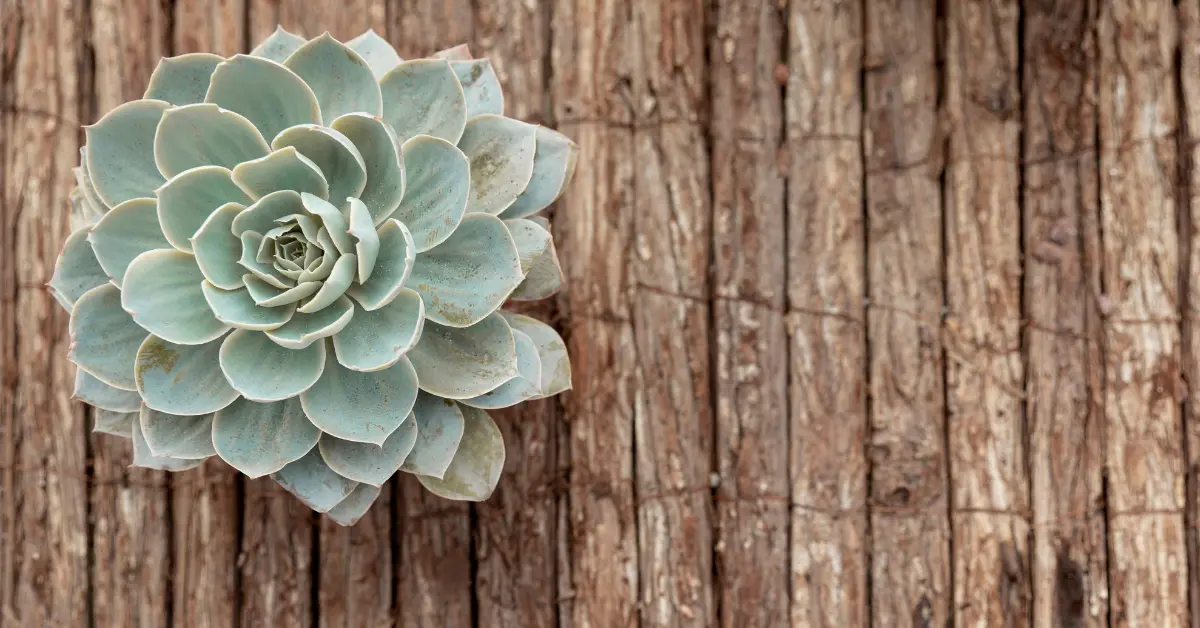
The allure of a succulent tree is undeniable, merging the architectural beauty of traditional trees with the drought-tolerant resilience of succulents. These fascinating plants offer a unique aesthetic, bringing a touch of the arid landscape indoors or to your garden, even in temperate climates. Far from the typical small potted succulents, a succulent tree develops a substantial, often woody, trunk and branching structure, creating a miniature arboreal masterpiece. They can become focal points in a collection, offering visual drama and a sense of permanence that smaller succulents sometimes lack.
Understanding what constitutes a succulent tree is key to appreciating their diversity. While many succulents grow low to the ground or form rosettes, true succulent trees exhibit significant vertical growth and develop a trunk-like stem that can be thick and gnarled. This adaptation allows them to store substantial amounts of water, enabling them to thrive in harsh conditions. Their leaves, often thick and fleshy, vary widely in shape, color, and texture, adding to their ornamental appeal. From the iconic Elephant Bush to the striking Pencil Cactus, the world of succulent trees is rich with options for both novice and experienced plant enthusiasts looking to add a majestic touch to their botanical display.
This comprehensive guide will delve into the best practices for cultivating these magnificent plants, ensuring they flourish in your care. We’ll explore popular varieties, essential care tips, common challenges, and how to create stunning displays with your succulent trees. Prepare to transform your understanding of succulents and discover the stately elegance they can bring to your home or garden.
Understanding the Appeal of a Succulent Tree
A succulent tree represents a fascinating evolutionary niche, combining the best attributes of succulents with the grandeur of traditional trees. Their appeal stems from several factors, making them highly desirable for various gardening and interior design contexts. Firstly, their unique aesthetics are a major draw. Unlike their smaller, more ground-hugging relatives, succulent trees develop distinct trunks and branches, creating a sculptural presence. These woody or semi-woody structures often become gnarled and textured with age, adding character and a sense of age-old wisdom to your plant collection. The diversity in forms is remarkable, ranging from elegant, slender silhouettes to robust, multi-branched specimens that evoke miniature ancient forests.
Beyond their visual impact, the low maintenance requirements of succulent trees make them incredibly attractive. Their inherent drought tolerance means they are forgiving of occasional neglect and require significantly less watering than most conventional plants. This feature is particularly appealing to busy individuals or those seeking to conserve water. Their ability to thrive in bright, dry conditions also makes them ideal for sunny windowsills, conservatories, or arid garden landscapes. Furthermore, many succulent trees are remarkably resilient, able to withstand various environmental stressors once established.
Their versatility in landscaping and indoor decor also contributes to their widespread appeal. A smaller succulent tree can serve as a stunning centerpiece on a table, while larger specimens can define a corner in a living room or become a focal point in a rock garden. They can be trained, pruned, and shaped to suit specific aesthetic preferences, offering a dynamic element to your plant arrangements. For collectors, the slow growth and unique development of each succulent tree offer a rewarding journey, observing their transformation over years.
The Unique Characteristics of Tree-Form Succulents
What truly sets a succulent tree apart are its distinctive morphological and physiological characteristics. The most defining feature is the development of a strong, often woody, stem that elevates the plant above the ground, mimicking the structure of a tree. This trunk can vary from thin and graceful, as seen in some Crassula species, to thick and highly branched, like certain Euphorbia. This trunk serves as a primary storage organ for water, allowing the plant to endure prolonged periods of drought.
The leaves of succulent trees are typically fleshy and plump, designed to store water efficiently. These leaves come in an astonishing array of colors, from vibrant greens to deep reds, purples, and even variegated patterns. Textures can range from smooth and glossy to felted or waxy. Some species, like Padena afra (Elephant Bush), have small, round leaves, while others, such as Portulacaria afra ‘Aurea’, display golden foliage, adding to their ornamental value.
Flowering, though not the primary reason for growing many succulent trees, can also be a spectacular event. Many species produce delicate, often brightly colored flowers that emerge from the leaf axils or terminal ends of branches, attracting pollinators and adding another layer of beauty to these already stunning plants. The combination of their architectural form, diverse foliage, and occasional floral displays makes a succulent tree a compelling addition to any plant enthusiast’s collection.

Top 5 Amazing Succulent Tree Varieties
When selecting a succulent tree for your home or garden, the options are surprisingly diverse, each offering unique characteristics and aesthetic appeal. Here are five exceptional varieties that stand out for their beauty, ease of care, and tree-like form, sure to captivate any plant enthusiast.
1. Elephant Bush (Portulacaria afra)
Often considered the quintessential succulent tree, the Elephant Bush is incredibly popular for its versatility and charming appearance. It features small, round, succulent leaves that grow on reddish stems, creating a dense, bushy habit that can be pruned into a beautiful tree form. Native to South Africa, it’s remarkably drought-tolerant and thrives in bright light. Its rapid growth makes it an excellent choice for bonsai enthusiasts or those looking to quickly establish a tree-like structure. Elephant Bush is also known for its edibility, with its leaves having a slightly sour taste often used in salads.
2. Pencil Cactus (Euphorbia tirucalli)
Despite its common name, the Pencil Cactus is not a true cactus but a succulent from the Euphorbia family. It forms a striking succulent tree with slender, bright green, pencil-like branches that lack traditional leaves. These branches grow upright, forming a dense, coral-like structure that can reach impressive heights in optimal conditions. It prefers full sun and well-draining soil. Be aware that its milky sap can be an irritant, so handle it with care. Its architectural form makes it a bold statement piece in modern landscapes or minimalist interiors.
3. Jade Plant (Crassula ovata)
The classic Jade Plant is perhaps one of the most recognizable succulent trees. With its thick, woody stems and glossy, oval-shaped green leaves, it easily forms a small tree over many years. It is incredibly resilient and can adapt to various indoor conditions, though it thrives in bright, indirect light. Jade plants are often considered symbols of good luck and prosperity, making them popular gifts. They are relatively slow-growing but can become substantial, long-lived specimens with proper care and occasional pruning to maintain their tree-like shape.
4. Candelabra Tree (Euphorbia ingens)
For those seeking a truly majestic and imposing succulent tree, the Candelabra Tree is an excellent choice. Native to southern Africa, it develops a thick, woody central trunk from which numerous upright, ribbed, cactus-like branches emerge, resembling a giant candelabra. It can grow very tall, reaching several meters in height in its natural habitat, though container-grown specimens will remain smaller. This plant requires full sun and excellent drainage. Like other Euphorbias, it produces a milky sap that can be irritating, so wear gloves when handling.
5. Dragon Tree (Dracaena draco)
While botanically a different family, the Dragon Tree shares many aesthetic and care similarities with other succulent trees, particularly its striking arboreal form. It develops a thick, grey trunk that branches out to hold rosettes of long, sword-shaped, bluish-green leaves. As it ages, the trunk becomes gnarled and incredibly sculptural, resembling a mythical creature. It is slower growing but remarkably long-lived, capable of becoming a stunning specimen indoors or in warm outdoor climates. It prefers bright, indirect light and can tolerate periods of drought, making it a low-maintenance, architectural choice.

Essential Care Tips for Your Succulent Tree
Cultivating a thriving succulent tree requires a foundational understanding of their specific needs, though they are generally forgiving plants. Adhering to these essential care tips will ensure your tree-form succulents grow strong, healthy, and continue to be a striking feature in your home or garden.
Light Requirements
One of the most critical factors for a succulent tree’s health is adequate light. Most succulent trees originate from arid or semi-arid regions and crave bright, direct sunlight for several hours a day. Indoors, this means placing them in your brightest window, preferably south-facing. If direct sun is not possible, supplemental grow lights can be beneficial. Insufficient light will lead to etiolation, where the plant stretches and becomes leggy as it searches for light, compromising its tree-like structure. When moving an indoor succulent tree outdoors, acclimate it gradually to prevent sunburn.
Watering Schedule
The golden rule for watering a succulent tree is ‘less is more.’ Overwatering is the most common cause of succulent demise. The thick trunks and fleshy leaves are designed to store water, so they prefer a good soak followed by a period of complete dryness. Allow the soil to dry out thoroughly between waterings, often to a depth of several inches or even completely, depending on the pot size and environmental conditions. During the dormant season (usually winter), watering frequency should be significantly reduced. Always check the soil moisture before watering.
Soil and Drainage
Excellent drainage is paramount for succulent trees. Standard potting soil retains too much moisture, leading to root rot. Instead, use a specialized succulent or cactus potting mix, or create your own by combining regular potting soil with gritty amendments like perlite, pumice, or coarse sand. Aim for a mix that drains quickly and prevents waterlogging. Ensure your pots have drainage holes at the bottom; never use pots without them for succulent trees.
Temperature and Humidity
Most succulent trees prefer warm temperatures and low humidity, mimicking their natural desert environments. They generally thrive in temperatures between 60°F and 85°F (15°C and 29°C). While some can tolerate brief dips below freezing, many are not frost-hardy and should be brought indoors or protected during cold snaps. High humidity can be detrimental, contributing to fungal issues and rot, so ensure good air circulation, especially for indoor plants.
Fertilization and Pruning
Succulent trees are not heavy feeders. Fertilize sparingly, if at all, during their active growing season (spring and summer) using a diluted, balanced liquid fertilizer specifically formulated for succulents or cacti. Over-fertilization can harm these plants. Pruning is essential for maintaining the desired tree shape, encouraging branching, and removing dead or damaged growth. Use sharp, clean pruning shears to make clean cuts. Pruning cuttings can often be propagated to create new plants.

Propagating and Growing Your Succulent Tree Collection
Expanding your collection of succulent tree specimens is a rewarding endeavor, and many varieties are surprisingly easy to propagate. Understanding the various methods and best practices will allow you to multiply your favorite plants or share them with fellow enthusiasts, all while enjoying the process of nurturing new life from cuttings or seeds.
Propagation from Cuttings
Propagation from stem cuttings is the most common and often the most successful method for many succulent trees, including Jade Plants (Crassula ovata) and Elephant Bush (Portulacaria afra). To begin, carefully select a healthy stem section, ideally 4-6 inches long, using a clean, sharp knife or pruning shears. Remove any leaves from the bottom inch or two of the cutting. This exposed stem will eventually form roots. The crucial next step is to allow the cutting to “callus over.” Place the cutting in a dry, well-ventilated area for several days to a week, or even up to two weeks for thicker stems, until a dry scab forms over the cut end. This prevents rot when planted.
Once calloused, plant the cutting in a well-draining succulent potting mix. You can lightly moisten the soil beforehand, but avoid heavy watering immediately after planting. Place the pot in a location with bright, indirect light. Resist the urge to water frequently; instead, wait until the soil is completely dry before offering a small amount of water. Roots typically form within a few weeks to a few months, indicated by resistance when you gently tug on the cutting. Once rooted, you can begin to treat the new plant as a mature succulent tree, gradually increasing light and water as it grows.
Seed Propagation
While more challenging and time-consuming, propagating a succulent tree from seed can be a fascinating experiment, especially for rare or unique varieties. Succulent seeds are often very tiny and require specific conditions for germination. Start with fresh seeds and a sterile, well-draining seed-starting mix. Lightly scatter the seeds over the surface of the soil, as many succulent seeds require light to germinate, and then very lightly cover them with a thin layer of fine sand or perlite. Keep the soil consistently moist but not waterlogged by misting or bottom watering, and maintain a warm temperature (around 70-80°F or 21-27°C). Covering the tray with a clear dome or plastic wrap can help maintain humidity. Germination can take anywhere from a few days to several months, depending on the species. Once seedlings are established and large enough to handle, carefully transplant them into individual pots.
Ideal Growing Conditions for Young Succulent Trees
Whether propagating from cuttings or seeds, providing the right environment for young succulent trees is paramount for their healthy development. Young plants are more sensitive than mature ones, so a slightly different approach may be necessary initially.
- Light: Provide bright, indirect light. Direct scorching sun can be too intense for nascent roots and tender new growth. Gradually acclimate them to stronger light as they mature.
- Water: Maintain slightly more consistent moisture than for mature plants, but still avoid waterlogging. The goal is to encourage root development without causing rot. Allow the top layer of soil to dry out between waterings.
- Soil: Continue to use a well-draining succulent mix to prevent root issues.
- Airflow: Good air circulation is important, especially for seedlings, to prevent dampening off and fungal diseases.
- Patience: Succulent trees are generally slow growers, especially in their early stages. Patience is key, and observing their progress will be a rewarding experience.
Common Problems and Solutions for Succulent Tree Care
Even with the most diligent care, your succulent tree might encounter common issues. Recognizing these problems early and knowing how to address them is crucial for maintaining the health and longevity of your prized plants. From pests to environmental stress, proactive measures can often prevent severe damage.
Pest Infestations
Mealybugs: These fuzzy, white insects often cluster in leaf axils or on stems, sucking sap from the plant and leaving behind sticky ‘honeydew.’ Infected areas might look like cotton. Remove them manually with a cotton swab dipped in rubbing alcohol, or use insecticidal soap for larger infestations. Repeat treatment as necessary.
Spider Mites: Tiny and red or brown, these pests create fine webbing, usually on the undersides of leaves or between branches. They thrive in dry conditions. Increase humidity slightly around the plant and spray with water or neem oil. Severe infestations may require miticides.
Scale Insects: Small, immobile bumps, either flat or dome-shaped, scale insects attach themselves to stems and leaves. Like mealybugs, they exude honeydew. Scrape them off gently, or use horticultural oil or systemic insecticides for stubborn cases.
Always inspect new plants before introducing them to your collection to prevent pest spread. Regular inspection of your succulent tree will help catch infestations early.
Fungal Diseases and Rot
Root Rot: The most common and often fatal problem for succulent trees, root rot is almost always caused by overwatering or poor drainage. Symptoms include a mushy stem base, yellowing leaves, and a foul odor. If caught early, unpot the plant, trim away all soft, rotted roots and stems with sterilized shears, allow the cuts to callus, and repot in fresh, dry, well-draining soil. Increase watering intervals significantly.
Stem Rot: Similar to root rot but higher up on the stem. Caused by excessive humidity or water sitting on the plant. Treat similarly to root rot, cutting away affected areas. Ensure good air circulation.
Prevention is key: ensure proper watering practices, use well-draining soil, and provide adequate airflow to minimize the risk of fungal issues.
Environmental Stress
Etiolation (Stretching): If your succulent tree starts to stretch, with widely spaced leaves and a pale green appearance, it’s not getting enough light. Move it to a brighter location. The stretched growth won’t revert, but new growth will be compact. You can prune back the leggy parts to encourage bushier growth.
Sunburn: While succulent trees love light, sudden exposure to intense direct sun, especially after being in lower light conditions, can cause sunburn. This appears as brown, dry, crispy patches on leaves or stems. Gradually acclimate plants to brighter conditions. Move sunburned plants to a slightly shadier spot to prevent further damage, though the affected parts won’t heal.
Leaf Drop: A common reaction to stress, such as sudden temperature changes, insufficient light, or incorrect watering (both over and under). Observe other symptoms to diagnose the root cause. Adjust care accordingly, focusing on stable conditions.
Wrinkling/Soft Leaves: Typically a sign of underwatering. The plant is using its stored water, causing leaves to shrink. Give the plant a thorough drink, and the leaves should plump up within a day or two. If leaves are soft and mushy, it could be overwatering, leading to rot.
By regularly observing your succulent tree and responding promptly to changes, you can ensure its continued health and vibrant growth, overcoming most common challenges with ease.

Designing with Your Succulent Tree: Aesthetic and Placement
Integrating a succulent tree into your home or garden design can elevate your aesthetic, adding a touch of sophisticated natural beauty. Their unique architectural forms, diverse textures, and often striking colors make them versatile elements in various design schemes. Thoughtful placement and creative pairings can maximize their visual impact and create harmonious botanical displays.
Indoor Styling
Indoors, a succulent tree can serve as a magnificent focal point, bringing a piece of the desert landscape indoors. For smaller varieties like the Jade Plant or Elephant Bush, consider placing them on a bright windowsill, a sturdy shelf, or as a centerpiece on a coffee table. Their distinct shapes can break the monotony of traditional houseplant arrangements. Larger specimens, such as mature Jade Plants or a contained Pencil Cactus, can anchor a corner of a room, providing a strong vertical element that draws the eye upwards. Pair them with minimalist decor to let their natural form shine, or integrate them into a bohemian setting with textured textiles and natural materials.
Choosing the right pot is crucial for indoor display. Terra cotta pots are excellent for succulents due to their porosity, which aids in drainage and aeration. However, decorative ceramic or concrete planters can also work, provided they have adequate drainage holes. Select a pot that complements both the plant’s form and your interior decor, enhancing its overall presence rather than overshadowing it. Consider elevating pots on stands to give smaller trees more prominence or to protect floor surfaces.
Outdoor Landscaping
In outdoor settings, especially in frost-free climates, a succulent tree can transform a landscape into a dramatic, drought-tolerant oasis. They are ideal for rock gardens, xeriscapes, or as focal points in mixed succulent beds. A large Candelabra Tree (Euphorbia ingens) or a mature Dragon Tree (Dracaena draco) can create an imposing silhouette, commanding attention and offering shade for smaller, more delicate succulents underneath. When planning outdoor placement, consider the plant’s mature size and ensure it has ample space to grow without crowding. Grouping different succulent trees with varying heights and textures can create a dynamic and visually interesting landscape.
Combine succulent trees with other drought-tolerant plants, such as agaves, aloes, or sedums, to create a cohesive and low-maintenance garden. The contrast between the upright tree forms and sprawling groundcovers can be particularly appealing. Use natural elements like rocks, gravel, and weathered wood to enhance the arid garden aesthetic. Remember to factor in hardiness zones if you live in an area with cold winters; even some outdoor-appropriate succulent trees may need protection or to be brought indoors during freezing temperatures.
Creative Pairings and Arrangements
Beyond individual placement, the art of designing with a succulent tree also lies in creative pairings and arrangements. Consider the principles of contrast and repetition. For instance, pair a smooth-stemmed succulent tree with a fuzzy-leaved succulent to add textural interest. Combine different shades of green, red, and variegated succulent foliage to create a vibrant tapestry of colors. Trailing succulents can be planted at the base of your succulent tree to create a lush understory, softening the transition from trunk to soil. Mini succulent trees can also be incorporated into larger container arrangements alongside other succulents and cacti, creating a miniature ecosystem within a single pot. Experiment with different combinations to discover what best suits your personal style and the specific growing conditions available.
FAQ: Your Succulent Tree Questions Answered
What makes a succulent a ‘tree’?
A succulent is considered a ‘tree’ when it develops a distinct, often woody, central stem or trunk that supports a canopy of branches and leaves, much like a traditional tree, but with the characteristic fleshy, water-storing tissues of a succulent. This development allows them to grow vertically and become substantial plants over time, distinguishing them from smaller, ground-hugging succulents.
How often should I water my succulent tree?
Watering frequency for a succulent tree depends on several factors, including climate, pot size, and soil type. Generally, you should water thoroughly only when the soil has completely dried out. This could be every 2-4 weeks during the growing season (spring and summer) and much less frequently, or even not at all, during the dormant period (winter).
Can a succulent tree grow indoors?
Yes, many succulent tree varieties, such as the Jade Plant (Crassula ovata) and Elephant Bush (Portulacaria afra), thrive indoors provided they receive ample bright light. A south-facing window is ideal. Ensure good air circulation and use a well-draining pot and soil mix to prevent root rot indoors.
Why is my succulent tree stretching or getting leggy?
Stretching, also known as etiolation, occurs when a succulent tree is not receiving enough light. The plant grows elongated, pale stems and widely spaced leaves as it ‘reaches’ for a light source. To resolve this, move your plant to a brighter location. You can prune off the leggy growth, as it will not revert, and new growth will be more compact.
Are succulent trees low maintenance?
Yes, one of the greatest appeals of a succulent tree is its relatively low maintenance nature. They are drought-tolerant, require infrequent watering, and generally don’t need much fertilization. Their primary needs are bright light, well-draining soil, and protection from frost for most varieties, making them excellent choices for busy individuals or novice gardeners.
Embrace the Majesty of Your Succulent Tree
The journey of cultivating a succulent tree is both fulfilling and captivating. These remarkable plants, with their stately forms and architectural elegance, offer a unique blend of resilience and beauty, transforming any space into a miniature botanical sanctuary. From the vibrant green of the Elephant Bush to the striking silhouette of the Candelabra Tree, each variety brings its distinct character and charm, proving that succulents are far more diverse and grand than often perceived.
By understanding their fundamental needs – ample light, thoughtful watering, and well-draining soil – you can ensure your succulent tree thrives, whether gracing a sunny windowsill or becoming a majestic centerpiece in your garden. Their low-maintenance nature makes them an ideal choice for both seasoned collectors and those new to the world of gardening, promising beauty without demanding constant attention. Moreover, the simple joy of propagating new plants from cuttings allows for an ever-expanding collection and the rewarding experience of nurturing life from its earliest stages.
Don’t hesitate to embark on your own succulent tree adventure. Explore the diverse varieties, experiment with creative placements, and watch as these magnificent plants evolve and mature, becoming treasured living sculptures in your home or landscape. Embrace the unique appeal of a succulent tree and discover the enduring beauty and tranquility they bring. Your next botanical masterpiece awaits!