
Are you blessed with an abundance of sunlight, or perhaps cursed with a scorching patio that seems to fry every plant you bring home? Fear not, fellow gardener! Finding the perfect plants for lots of sun can transform your sun-drenched spaces from barren landscapes into vibrant, thriving havens. Many plants not only tolerate intense sunlight but actually flourish in it, producing more blooms, richer foliage, and stronger growth. The key is understanding which species are naturally adapted to these high-light conditions and how to properly care for them to maximize their potential.
This comprehensive guide will walk you through the essential considerations for selecting and nurturing plants that crave the brightest spots in your garden, balcony, or even indoors. From understanding the difference between full sun and partial sun to exploring specific varieties that excel under relentless rays, we’ll equip you with the knowledge to create a flourishing, sun-loving ecosystem. Whether you’re dreaming of a desert oasis, a Mediterranean escape, or a vibrant cottage garden bathed in light, discovering the right plants for lots of sun is your first step toward horticultural success. Let’s dive in and unlock the secrets to a garden that truly shines!
Understanding "Full Sun" and Its Impact on Plants
Before we delve into specific plant recommendations, it’s crucial to define what "full sun" truly means in horticultural terms. Generally, full sun refers to areas that receive at least six direct hours of sunlight per day. This isn’t just about brightness; it’s about the intensity and duration of unfiltered sunlight. While some plants might tolerate a few hours of direct morning sun, true full-sun plants thrive on prolonged exposure to the most powerful rays, often adapting with specialized features like thick, waxy leaves, silvery foliage, or deep root systems to conserve water and protect against sun scorch.
The impact of full sun on plants is multifaceted. For light-loving species, it fuels photosynthesis, leading to vigorous growth, abundant flowering, and robust fruit production. However, for plants not suited to these conditions, too much sun can cause stress symptoms such as leaf burn (brown, crispy edges), wilting, stunted growth, and even death. Factors like geographical location, elevation, and proximity to reflective surfaces (like concrete or walls) can amplify the sun’s intensity, making plant selection even more critical. Knowing your garden’s sun patterns throughout the day and across seasons is the foundational step to successfully growing plants for lots of sun.
The Science of Sun Adaptation
Plants have evolved remarkable mechanisms to cope with intense sunlight. Many xerophytes, for example, have small or succulent leaves to reduce water loss. Some plants position their leaves to minimize direct sun exposure during peak hours, while others develop protective pigments. Understanding these adaptations helps us appreciate why certain plants thrive where others perish, making informed choices for your sunniest spots.
Top Outdoor Plants for Lots of Sun: Thriving in the Heat
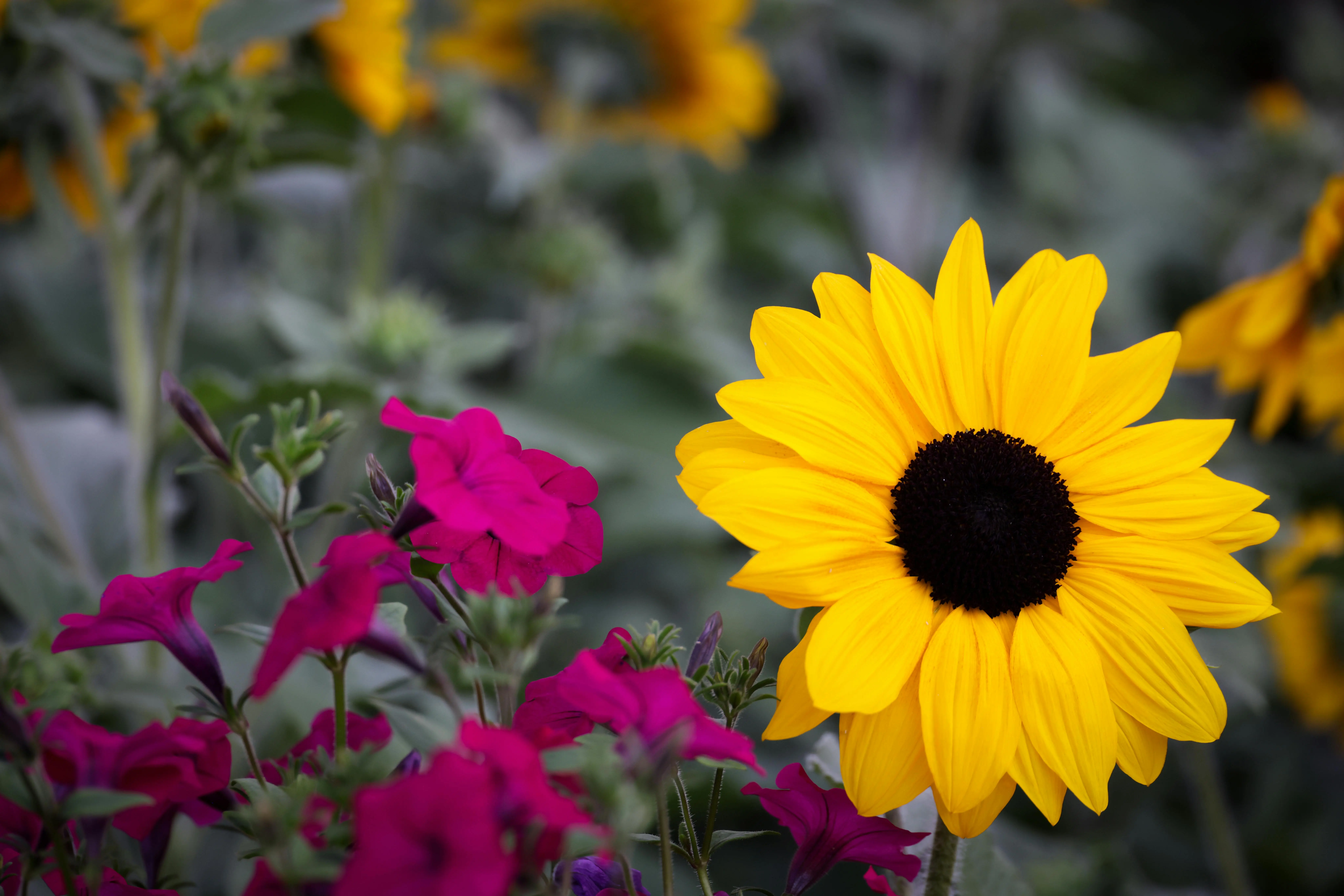
When it comes to outdoor spaces bathed in relentless sunlight, selecting the right plants is paramount. These resilient beauties not only survive but truly thrive, adding color, texture, and life to the hottest corners of your garden. Embrace the sun with these fantastic choices that revel in bright conditions.
- Lavender (Lavandula spp.): This aromatic shrub is a Mediterranean superstar, renowned for its fragrant purple blooms and silvery-green foliage. Lavender demands full sun and well-drained soil, making it perfect for dry, sunny garden beds or containers. It’s also drought-tolerant once established.
- Coneflower (Echinacea purpurea): A classic prairie plant, coneflowers are incredibly tough and perform beautifully in full sun. Their daisy-like flowers come in various colors and attract pollinators throughout the summer. They are also highly drought-resistant.
- Sedum (Stonecrop): With their succulent leaves and prolific late-season blooms, sedums are practically indestructible in full sun. "Autumn Joy" is a popular choice, providing architectural interest and food for late-season bees.
- Daylily (Hemerocallis spp.): These vibrant perennials are amazingly versatile and will produce a profusion of colorful blooms in full sun. They are relatively low-maintenance and tolerate a wide range of soil conditions, though they prefer consistent moisture during blooming.
- Salvia (Salvia spp.): From annual varieties like "Victoria blue" to perennial sages like Salvia nemorosa, salvias are magnets for hummingbirds and butterflies. They thrive in full sun and well-drained soil, offering continuous blooms from spring through fall.
- Gaillardia (Blanket Flower): True sun worshippers, gaillardias produce cheerful, multi-colored, daisy-like flowers all summer long. They are drought-tolerant and perform exceptionally well in poor, sandy, full-sun soils where other plants struggle.
- Yarrow (Achillea millefolium): Known for its feathery foliage and flat-topped clusters of flowers, yarrow is a tough, drought-tolerant perennial that loves full sun. It comes in shades of yellow, red, orange, and pink and is an excellent cut flower.
Full Sun Indoor House Plants: Brightening Your Home
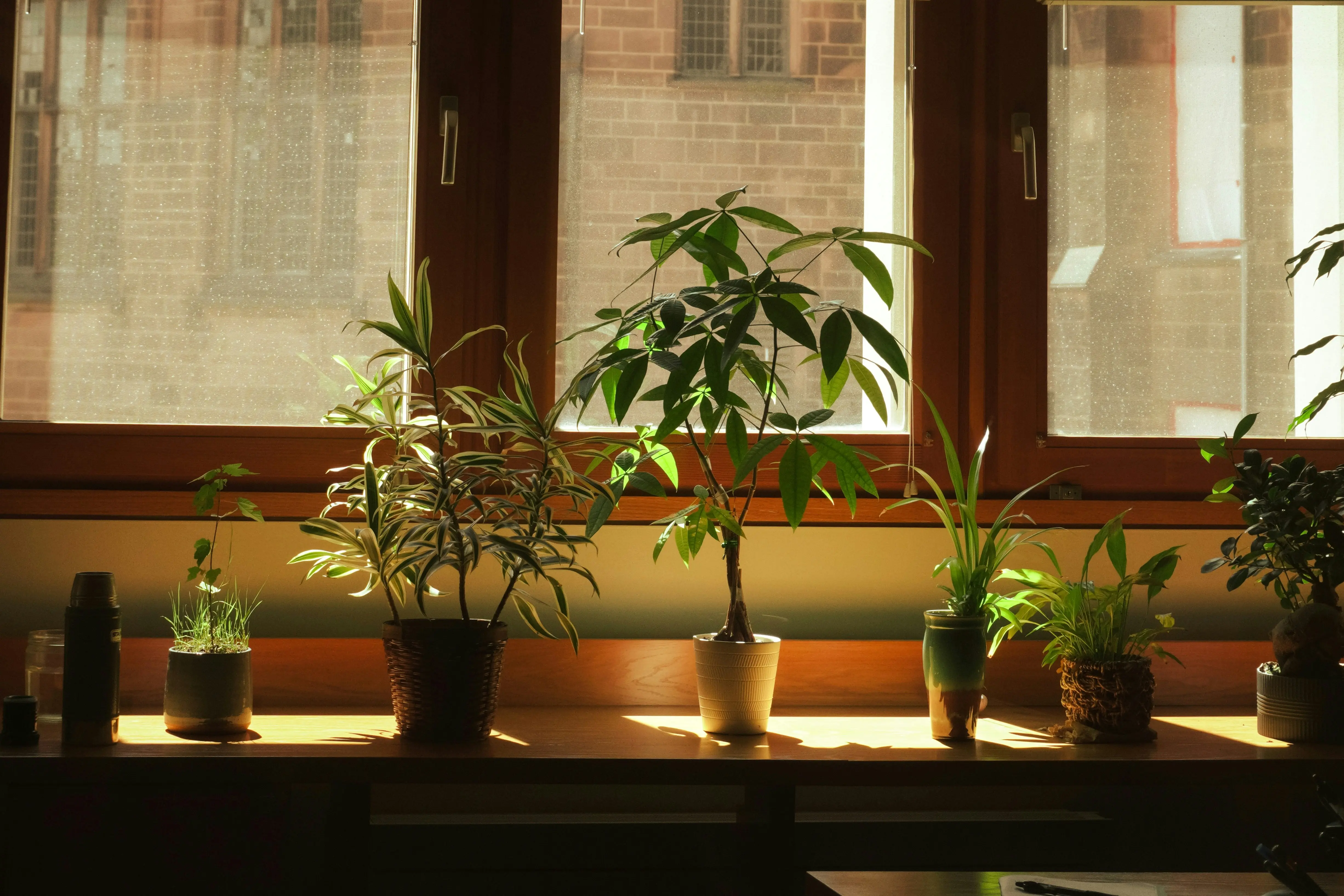
Who says you can’t have lush greenery indoors, even in the sunniest rooms? Many house plants adore bright, direct light, transforming sunny windowsills into vibrant displays. If you have south-facing windows or very bright east/west exposures, these full sun indoor house plants are perfect for you.
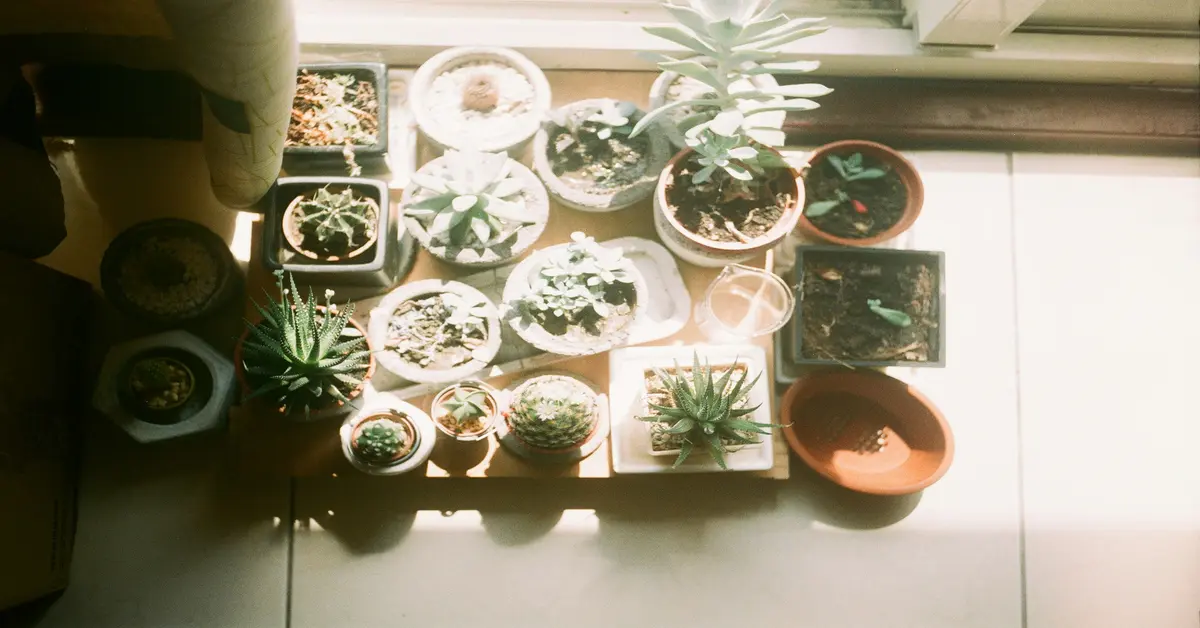
- Desert Cacti & Succulents: This broad category includes a vast array of plants like Aloe Vera, Echeveria, Haworthia, and various types of cacti. They are perfectly adapted to intense sunlight, requiring minimal water and thriving on neglect as long as they get plenty of bright light and excellent drainage.
- Sansevieria (Snake Plant / Mother-in-Law’s Tongue): While tolerant of low light, snake plants truly flourish in bright, indirect light and can even handle some direct sun, especially morning sun. Their architectural form adds a modern touch to any room.
- Jade Plant (Crassula ovata): A classic succulent houseplant, the jade plant loves full sun exposure, which encourages compact growth and can even give its leaf edges a reddish tint. It’s incredibly resilient and long-lived.
- Portulacaria Afra (Elephant Bush): Often mistaken for a small jade plant, elephant bush is another succulent that thrives in direct sun. It’s an excellent choice for a sunny windowsill and can even be trained as a bonsai.
- Ponytail Palm (Beaucarnea recurvata): This unique plant with its swollen base and cascading "ponytail" of leaves actually prefers bright, direct sunlight. It’s very drought-tolerant and makes a striking statement in a sunny spot.
- Ficus Lyrata (Fiddle Leaf Fig): While they need acclimation, Fiddle Leaf Figs thrive on very bright, indirect light and can tolerate a few hours of direct morning sun. Strong light is crucial for preventing leaf drop and promoting healthy growth.
- Hibiscus (Tropical Hibiscus): If you want vibrant blooms indoors, a tropical hibiscus placed in a very sunny window can provide a continuous display of colorful flowers. They will need consistent watering and feeding to thrive in these conditions.
Remember that even full sun indoor house plants benefit from being rotated occasionally to ensure even growth and prevent one side from getting scorched.
Choosing and Caring for Sun-Loving Plants: Essential Tips
Selecting the right plants for lots of sun is just the beginning; proper care ensures their long-term health and vibrancy. High-light environments come with their own set of challenges, primarily increased heat and faster water evaporation. Here are essential tips to help your sun-loving plants flourish:
Soil and Drainage
For most sun-loving plants, excellent drainage is non-negotiable. Heavy, waterlogged soils can lead to root rot, especially when combined with intense heat. Amend garden beds with organic matter like compost to improve soil structure and drainage. For containers, use a high-quality potting mix specifically designed for outdoor plants or succulents/cacti, which typically contains perlite or grit for aeration. Raised beds are also an excellent option for ensuring good drainage in sunny locations.
Watering Strategies
Even drought-tolerant plants need regular watering, especially when establishing or during prolonged dry spells. The key is deep, infrequent watering rather than shallow, frequent sprinkles. This encourages roots to grow deeper, making the plant more resilient. Water early in the morning before the sun is at its peak, allowing the plant to absorb moisture before it evaporates rapidly. For container plants, check soil moisture daily during hot periods; they tend to dry out much faster than in-ground plants.
Mulching for Moisture Retention
Applying a 2-3 inch layer of organic mulch (like wood chips, straw, or shredded leaves) around outdoor plants offers multiple benefits. It significantly reduces soil temperature, helping to keep roots cool, and dramatically decreases water evaporation from the soil surface. Mulch also suppresses weeds, which compete with your plants for precious water and nutrients.
Fertilization and Feeding
Active growth in full sun conditions often means your plants are working hard and consuming nutrients at a faster rate. While many sun-lovers aren’t heavy feeders, a balanced, slow-release fertilizer or a periodic application of liquid feed designed for flowering plants can boost their performance. Always follow product instructions and avoid over-fertilizing, which can burn roots, especially in dry conditions.
Pruning for Health and Bloom
Regular pruning benefits most sun-loving plants. Deadheading spent flowers (removing faded blooms) encourages new growth and more flowers, rather than the plant putting energy into seed production. Light trimming can also help maintain a desirable shape, improve air circulation through the plant, and remove any sun-scorched or damaged foliage.

Designing a Sun-Drenched Oasis with Impact
Designing a garden or indoor space for plants for lots of sun allows for incredible creativity and vibrant displays. Instead of seeing intense light as a limitation, view it as an opportunity to cultivate a specific aesthetic that thrives in these conditions. Here are some design principles to consider:
Embrace Mediterranean and Desert Themes
Many plants that love full sun originate from arid or Mediterranean climates. Lean into these themes with your design. Think terracotta pots, gravel or stone pathways, olive trees, lavender borders, and succulents overflowing from containers. These elements not only look beautiful but are often practical choices for low-water, high-sun environments.
Layering for Visual Interest
Create depth and visual interest by layering plants of different heights and textures. Place taller, upright plants like ornamental grasses or salvias at the back or center, surrounded by medium-height perennials like coneflowers and daylilies, and then fronted by low-growing sedums, portulaca, or groundcover succulents. This layering ensures that all plants receive adequate light while creating a dynamic landscape.
Consider Color and Bloom Time
Plan your planting to ensure continuous bloom throughout the growing season. Combine plants with staggered flowering times to always have something in vibrant color. Also, think about color palettes. Hot colors like reds, oranges, and yellows naturally pop in bright sunlight, while cool blues and purples can provide a soothing contrast. Silver-leafed plants, common among sun-lovers, offer excellent foliage contrast.
Container Gardening for Flexibility
If you have a patio or balcony with intense sun, container gardening is an excellent solution. It allows you to move plants if necessary (though true sun-lovers won’t need it), control soil conditions precisely, and create stunning focal points. Choose large, light-colored pots to help insulate roots from extreme heat, and ensure they have ample drainage holes.
Attracting Pollinators
Many of the best plants for lots of sun are also magnets for pollinators. Designing a sun-drenched pollinator garden not only benefits local ecosystems but also adds a lively, dynamic element to your space. Include a variety of flower shapes and sizes to attract different types of bees, butterflies, and hummingbirds. A small bird bath can also provide a crucial water source for wildlife in hot areas.

FAQ: Growing Plants for Lots of Sun
What does "full sun" actually mean for plants?
In gardening terms, "full sun" refers to an area that receives at least six hours of direct, unfiltered sunlight per day. This intense light is crucial for the growth and flowering of many plants adapted to sunny climates, as it fuels their photosynthetic processes effectively.
Which annuals are best for areas with lots of sun?
For annuals that thrive in full sun, consider Vinca (Catharanthus roseus), Portulaca (Moss Rose), Zinnias, Marigolds, Petunias (especially sun-loving varieties), and Lantana. These plants offer continuous blooms throughout the summer in bright, hot conditions.
Can all succulents tolerate direct, full sun?
While many succulents are excellent plants for lots of sun, some prefer bright, indirect light or only tolerate direct morning sun. Desert cacti and arid-climate succulents like Echeveria, Sedum, and some Aloes love full sun. However, always research specific succulent varieties, as overexposure can still cause sunburn on certain types, especially if not properly acclimated.
How often should I water plants in full sun?
The frequency of watering for plants in full sun depends on several factors: the plant species, soil type, temperature, and whether they are in the ground or containers. Generally, in-ground plants might need deep watering 1-3 times a week during hot periods, while container plants may need daily checks. Always check the soil moisture before watering; it’s better to water deeply when the top few inches of soil are dry.
What are some common mistakes when growing plants in full sun?
Common mistakes include choosing plants not suited for full sun, underwatering (especially for container plants), not amending poor soil, failing to provide adequate drainage, and neglecting to mulch. Planting new full-sun plants without proper establishment watering or during the hottest part of the summer can also lead to stress and failure.
Embrace the Sun: Your Garden’s Bright Future
Transforming your sun-drenched spaces into vibrant, flourishing gardens is not just possible, but incredibly rewarding when you choose the right plants for lots of sun. By understanding the unique needs of these light-loving species, from their soil preferences to their watering requirements, you can cultivate a landscape that truly shines. We’ve explored a diverse array of outdoor and indoor plants that revel in intense light, each offering its own unique beauty and resilience.
Remember, the abundance of sunlight is a powerful asset in your gardening arsenal. With the knowledge gained from this guide, you are now equipped to select, plant, and nurture a stunning collection of flora that will not only survive but thrive under the brightest conditions. Don’t let scorching sun deter your horticultural dreams; instead, embrace it as an opportunity to create a spectacular display of nature’s toughest and most beautiful creations. Begin your sunny garden adventure today and watch your bright spaces come alive with color and life!