

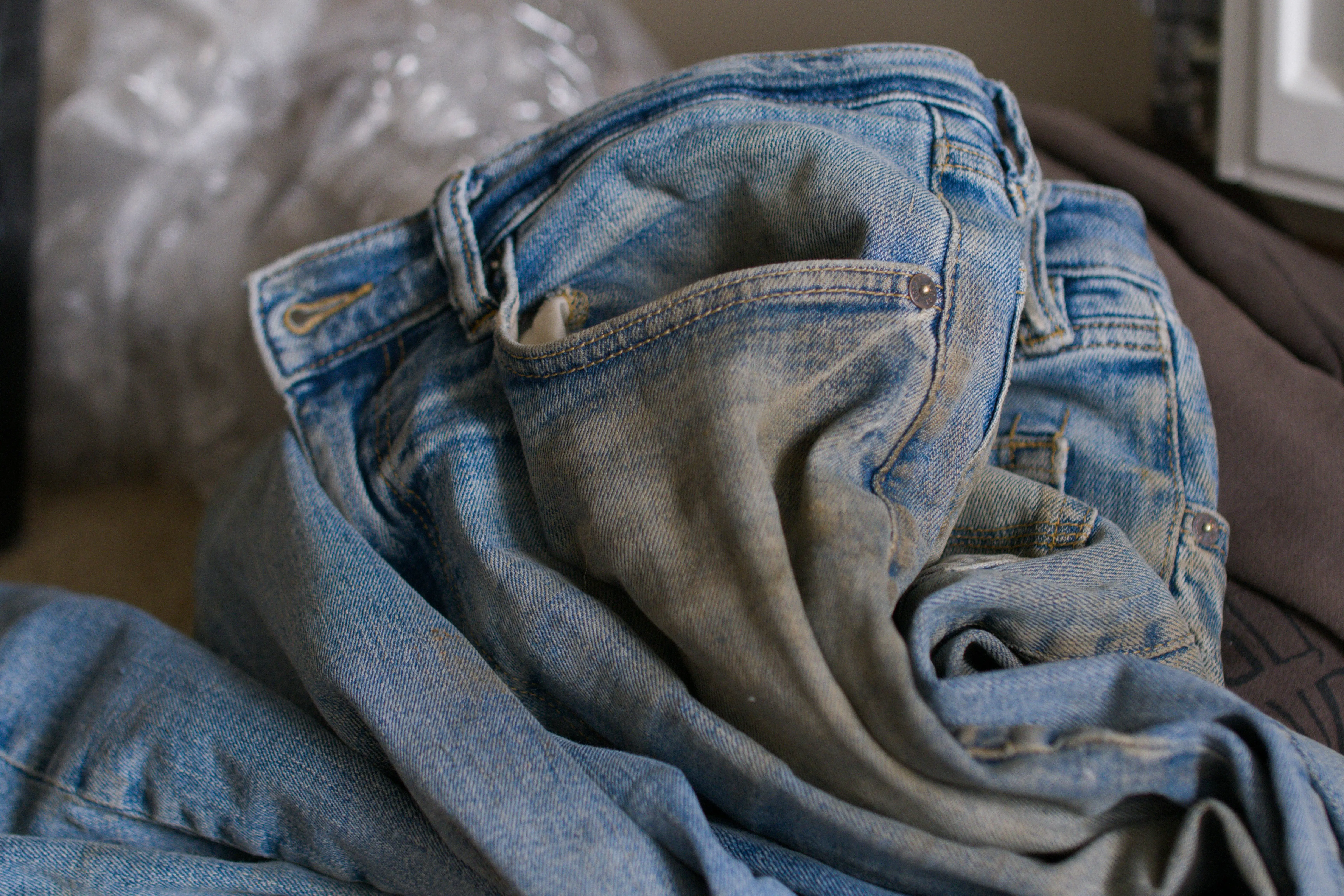
That musty, damp odor clinging to your favorite garments can be incredibly frustrating. We’ve all been there: a forgotten load in the washing machine, clothes left a bit too long in a gym bag, or even items stored in a humid environment. The result? That tell-tale mildew smell that signals unwelcome fungal growth. But don’t despair! Learning how to get mildew smell out of clothes is a common challenge, and thankfully, there are highly effective strategies you can employ to banish that unpleasant aroma for good. This comprehensive guide, crafted from years of experience in textile care and household management, will walk you through proven methods that not only remove the odor but also tackle the underlying issue. Say goodbye to musty laundry and hello to fresh, clean fabrics with these expert tips and tricks. Understanding the enemy, which is essentially mold or mildew spores, is the first step towards victory. These microscopic organisms thrive in damp, dark conditions, so addressing those factors is key to preventing reoccurrence. Whether your clothes are slightly damp or heavily saturated with that distinct must, the solutions provided here will offer a pathway to renewed freshness. Get ready to reclaim your wardrobe from the clutches of mildew!
Understanding Mildew and Its Impact on Fabrics
Before diving into the “how-to,” it’s crucial to understand what mildew is and why it produces such a strong, unpleasant odor. Mildew, a type of fungus, is essentially the early stage of mold. It thrives in moist, warm, and dark environments, feeding on organic materials found in natural fibers like cotton, linen, silk, and wool, as well as some synthetic fabrics. When mildew spores land on damp clothes and are left undisturbed, they begin to grow, releasing volatile organic compounds (VOCs) into the air. These VOCs are what we perceive as that characteristic musty, earthy, and sometimes pungent smell. The longer the clothes remain damp and affected by mildew, the deeper the spores can penetrate the fabric fibers, making the odor more persistent and challenging to remove. Beyond the smell, prolonged mildew growth can also lead to discoloration, often appearing as small black or grayish spots, and can weaken fabric integrity over time. This makes prompt action essential not just for odor removal but also for preserving your garments. Understanding this biological process is the foundational step in effectively tackling the problem and learning how to get mildew smell out of clothes comprehensively. Recognizing the signs early, such as a faint musty smell before visible spots appear, can significantly ease the cleaning process and protect your clothing investment.

Pre-Treatment Strategies to Remove Mildew Smell from Clothes
Effective pre-treatment is paramount when you’re trying to remove mildew smell from clothes. Simply tossing them into the washer without preparing them can often be ineffective, as the odor can sometimes withstand a regular wash cycle. The goal of pre-treatment is to begin breaking down the mildew and neutralizing the odor-causing compounds before the main wash. One of the most popular and effective methods involves soaking the affected garments. For white or light-colored items, a solution of oxygen bleach (color-safe bleach) and water can be highly beneficial. Follow the product instructions for dilution, ensuring the clothes are fully submerged. Allow them to soak for at least 30 minutes, or even a few hours for stubborn odors. Oxygen bleach works by releasing oxygen when mixed with water, which helps to lift stains and kill mildew without harsh chemicals that can damage fabrics or fade colors. Another powerful pre-treatment option, particularly good for both white and colored items, is white distilled vinegar. Vinegar is a natural deodorizer and antifungal agent. Create a soak solution using one cup of white vinegar per gallon of warm water. Submerge the clothes and let them soak for at least an hour, or overnight if the smell is deeply embedded. The acetic acid in vinegar helps to kill the mildew spores and neutralize the odor. For very strong smells, you can even add a cup of vinegar directly to the washing machine during the pre-soak or rinse cycle. Always ensure proper ventilation when working with these solutions. These initial steps are critical in preparing your clothes for a successful wash and significantly improve your chances of completely eliminating the mildew odor.
Washing Cycle Wisdom: The Best Techniques
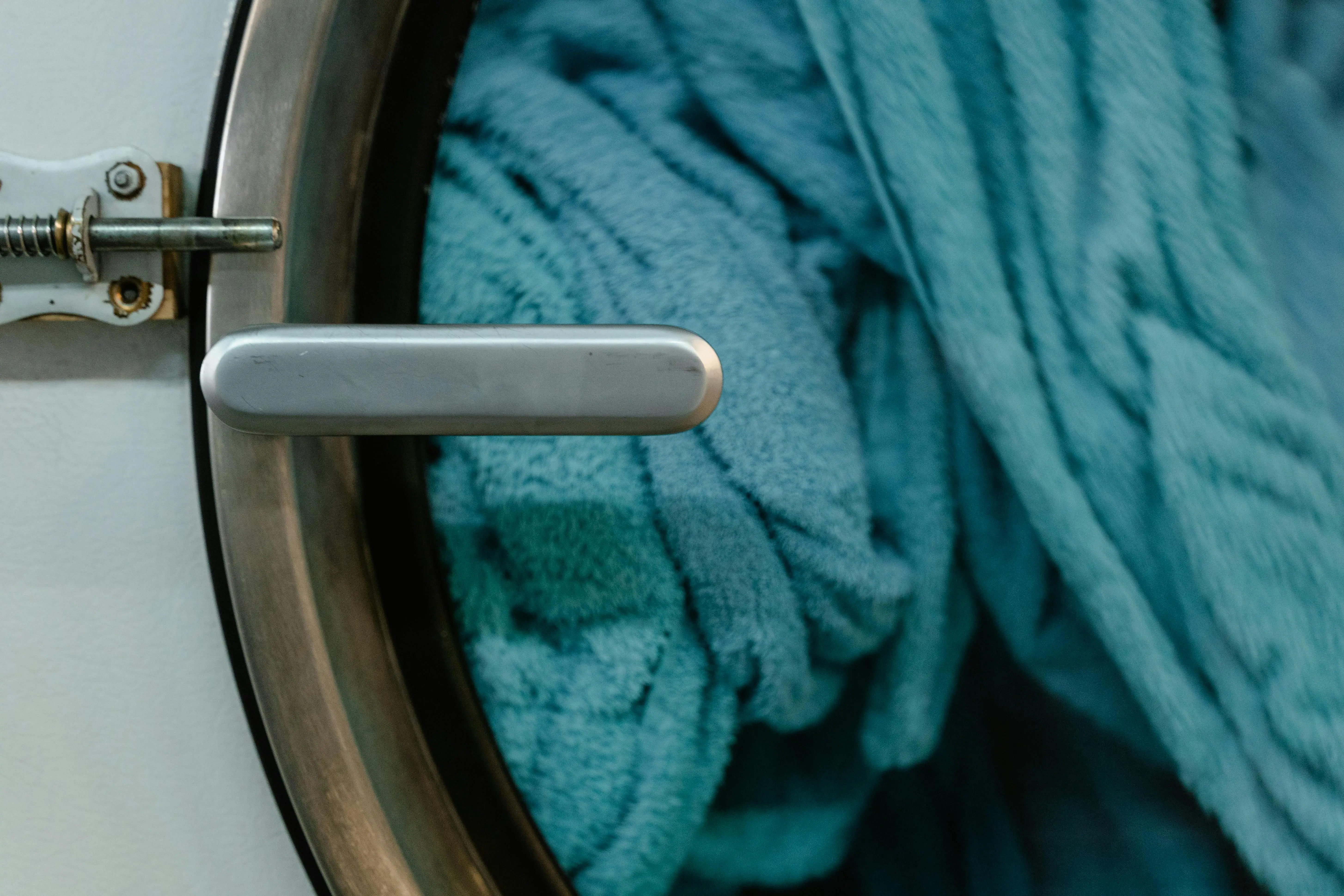
Once your clothes have been properly pre-treated, the next crucial step in how to get mildew smell out of clothes is the washing cycle itself. The right approach here can make all the difference in eradicating lingering odors. Firstly, wash mildew-affected clothes separately from other laundry to prevent the spread of spores or odors. Use the hottest water temperature safe for the fabric, as heat helps to kill mildew spores and activate cleaning agents more effectively. Hot water also aids in dissolving detergent and penetrating fabric fibers more thoroughly. When selecting your detergent, opt for a high-quality product that contains enzymes, as these can help break down organic matter and residue left by mildew. Along with your regular detergent, supercharge your wash by adding an additional agent. One highly recommended additive is one cup of white distilled vinegar directly to the detergent dispenser or during the rinse cycle. As mentioned before, vinegar is excellent for its antifungal and deodorizing properties. Alternatively, for white or colorfast items, a half-cup of borax can be added to the wash. Borax is a natural mineral that acts as a pH balancer, booster for detergents, and mild disinfectant, effectively combating mildew growth. Avoid using fabric softener, as it can sometimes coat fibers and trap odors, making them harder to remove. After the wash cycle, it’s vital to smell the clothes. If a faint mildew odor persists, do not put them in the dryer. Instead, repeat the washing process or consider another pre-treatment soak. Prompt and thorough washing ensures that the mildew is not just masked but truly eliminated.

Drying for Success: Preventing Recurrence After Removing Mildew Smell from Clothes
The drying process is just as critical as washing when attempting to remove mildew smell from clothes and, more importantly, preventing its return. Improper drying is often the root cause of mildew issues, so paying close attention to this stage is essential. After washing, immediately remove the clothes from the washing machine. Leaving them to sit, even for a short period, can create the perfect environment for mildew spores to reactivate. The best method for drying mildew-affected clothes is to hang them outdoors in direct sunlight. Sunlight is a natural disinfectant; its ultraviolet (UV) rays are highly effective at killing any remaining mildew spores and naturally deodorizing fabrics. The fresh air circulation also helps to dissipate lingering odors. If outdoor drying isn’t possible, use your dryer on the highest heat setting that is safe for your fabric. High heat helps to kill any lingering spores. However, be cautious not to over-dry, as this can damage delicate fibers. For items that cannot withstand high heat, such as delicates or synthetics, use a lower heat setting and ensure they are thoroughly dry. It’s absolutely crucial that clothes are 100% dry before folding or storing them. Even a slight amount of dampness can encourage mildew growth. Consider using a dehumidifier in your laundry area, especially during humid months, to reduce overall moisture levels. Cleaning your dryer’s lint trap before and after each load also ensures maximum airflow and efficiency. Thorough drying is the final, non-negotiable step to ensure that the mildew odor is truly gone and won’t reappear, protecting your hard work from going to waste.
Alternative Solutions and Deep Cleaning Methods
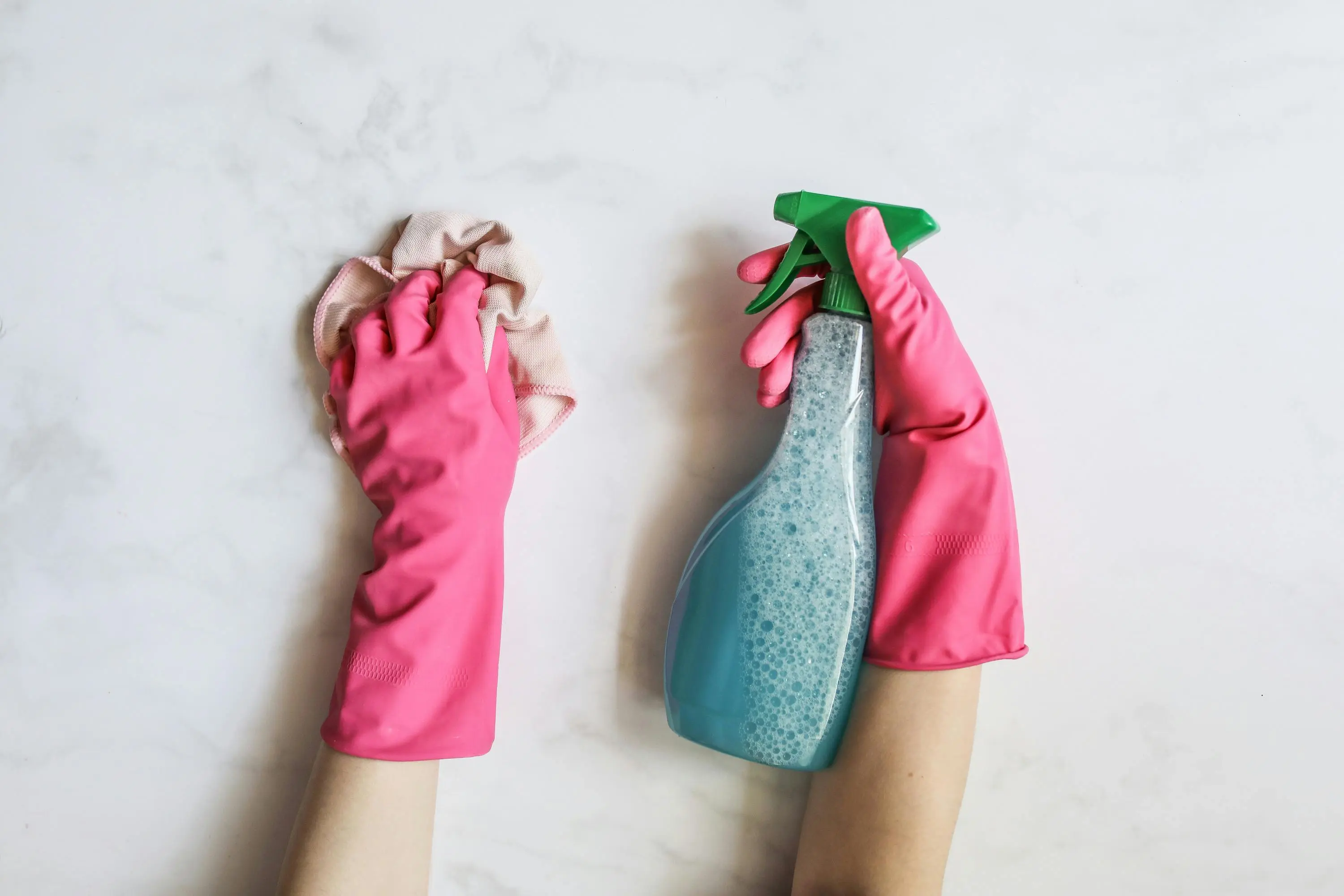
Sometimes, despite your best efforts with common treatments, the musty odor persists, or you’re dealing with particularly stubborn mildew. In such cases, exploring alternative and more intensive cleaning methods can provide the breakthrough you need to how to remove mildew smell from clothes completely. One powerful, yet often overlooked, agent is baking soda. Add half a cup to a full cup of baking soda directly into the wash cycle along with your detergent, or create a paste with water and apply it directly to heavily affected areas before washing. Baking soda is a natural deodorizer that neutralizes odors rather than just masking them. For extremely challenging cases, especially for durable fabrics like canvas or denim, ammonia can be an option, but it must be used with extreme caution and never mixed with bleach or bleach-containing products, as this creates dangerous toxic fumes. A small amount (about half a cup) can be added to a wash cycle, but ensure excellent ventilation. Another effective, though often less conventional, approach is using a commercial mildew remover or an enzyme cleaner designed for pet odors or biological stains. These products contain enzymes or specific chemicals formulated to break down the organic compounds responsible for the mildew smell. Always follow the manufacturer’s instructions very carefully when using such specialized cleaners, and test on an inconspicuous area first to ensure colorfastness. For items that cannot be wet-washed, such as certain delicate fabrics or upholstered items, consider professional dry cleaning, making sure to inform them about the mildew issue. They have specialized equipment and chemicals to deal with such problems. Remember, the key is persistence and trying different methods until you find what works best for your specific garments and the severity of the mildew.
Preventing Future Mildew: A Proactive Approach
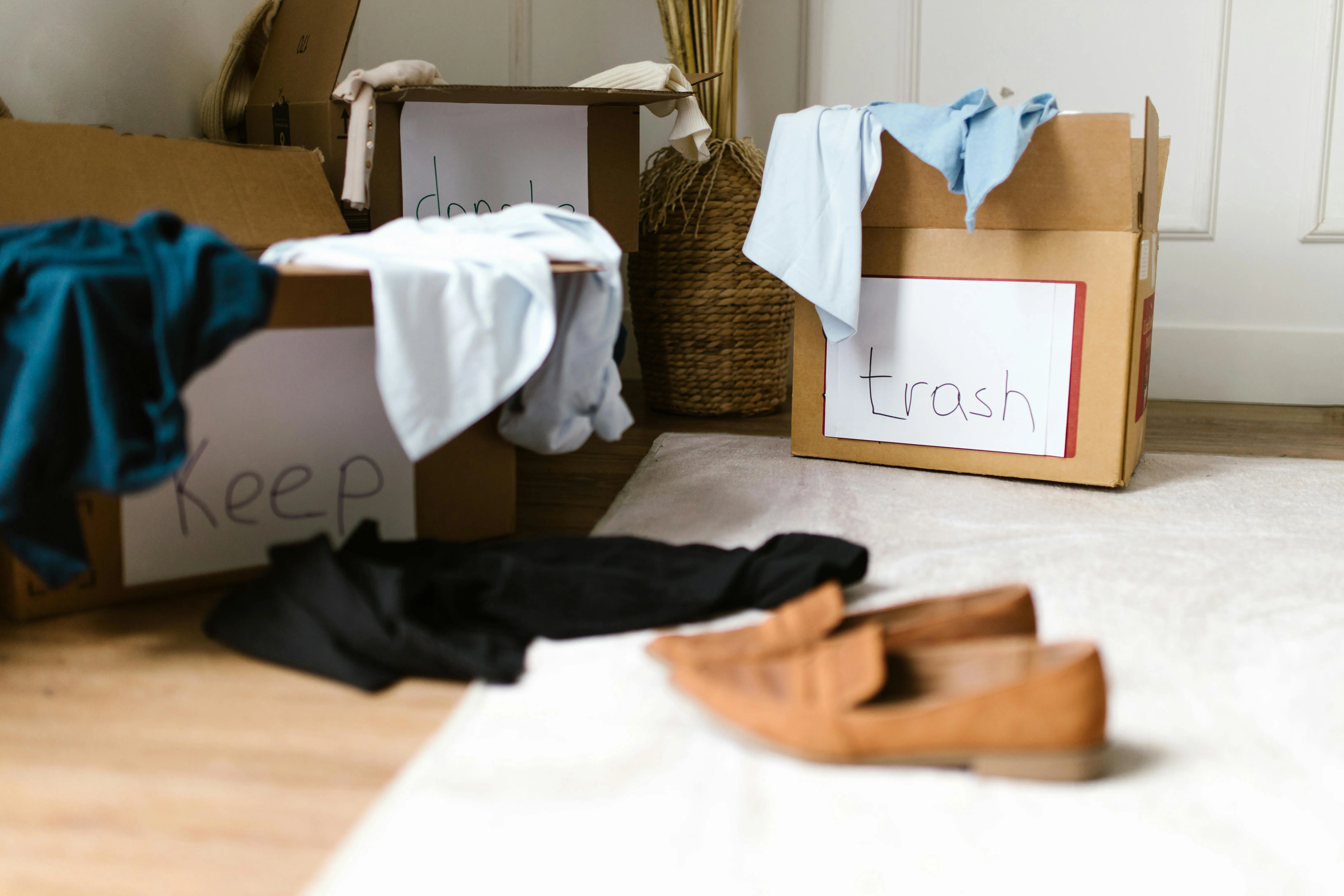
Once you’ve successfully learned how to get mildew smell out of clothes and banished that musty odor, the next critical step is to implement preventative measures to ensure it doesn’t return. Prevention is always easier than cure, especially when it comes to mildew. The fundamental principle is to minimize moisture and maximize air circulation around your clothes and laundry areas. Firstly, never leave wet or damp clothes in the washing machine, a laundry basket, or a gym bag for extended periods. As soon as a wash cycle is complete, transfer clothes immediately to the dryer or hang them to air dry. If you can’t deal with them right away, consider running an extra spin cycle to extract as much water as possible. Secondly, ensure your laundry room or any area where you store clothes is well-ventilated. Using exhaust fans, opening windows, or employing a dehumidifier can significantly reduce ambient moisture levels, especially in basements or humid climates. Thirdly, make sure clothes are completely dry before storing them in closets or drawers. Even slightly damp items can quickly become a breeding ground for mildew. Avoid cramming too many clothes into your closet; allowing for air circulation between garments helps prevent moisture buildup. Regularly clean your washing machine by running a hot cycle with vinegar or a specialized washing machine cleaner to remove any mold or mildew that might be growing within the machine itself, which can transfer to your clothes. Lastly, address any leaks or sources of dampness in your home promptly. A leaky pipe or a damp wall can contribute to overall humidity, indirectly affecting your clothing. By adopting these proactive habits, you can create an environment that is hostile to mildew growth, keeping your clothes fresh and free from unpleasant odors.
Frequently Asked Questions About Removing Mildew Smell from Clothes
How quickly can mildew grow on clothes?
Mildew can start to grow on damp clothes within 24 to 48 hours, especially in warm and humid conditions. The longer clothes remain damp, the more established the mildew becomes, leading to a stronger odor and potential damage.
Can I use bleach to get mildew smell out of colored clothes?
No, chlorine bleach is generally not safe for colored clothes as it will likely cause discoloration and damage. For colored items, opt for oxygen bleach (color-safe bleach), white vinegar, or baking soda as gentler, yet effective, alternatives.
Is drying clothes in direct sunlight really effective against mildew?
Yes, drying clothes in direct sunlight is highly effective. The sun’s ultraviolet (UV) rays act as a natural disinfectant, killing mildew spores and helping to naturally deodorize the fabric, making it an excellent final step after washing.
What if the mildew smell persists after washing and drying?
If the smell persists, do not give up. This indicates stubborn mildew. Repeat the pre-treatment soak (with vinegar or oxygen bleach) and the washing cycle. You might also consider using a commercial mildew remover or enzyme cleaner designed for tough odors. Ensure clothes are completely dry both times.
Can mildew damage my washing machine?
Yes, mildew can grow inside your washing machine, particularly around the gasket of front-loaders or in the detergent dispenser. This can transfer spores and odor to your freshly washed clothes. Regularly clean your washing machine with a hot cycle using vinegar or a specialized cleaner to prevent this.
Conclusion: Reclaiming Freshness for Your Wardrobe
Successfully tackling the challenge of how to get mildew smell out of clothes involves a multi-pronged approach, but it is undeniably achievable. From understanding the nature of mildew to implementing effective pre-treatments, optimizing your wash cycle, and mastering the drying process, each step plays a crucial role in banishing that stubborn musty odor. We’ve explored the power of natural agents like white vinegar and baking soda, along with the effectiveness of oxygen bleach and proper drying techniques, especially the beneficial role of direct sunlight. Remember that persistence is key; some deeply embedded odors may require repeat treatments. More importantly, establishing preventative habits is the ultimate long-term solution. By ensuring clothes are never left damp, maintaining good ventilation in your laundry area, and regularly cleaning your washing machine, you can create an environment where mildew simply cannot thrive. Don’t let mildew ruin your favorite garments or compromise the freshness of your home. Empower yourself with these proven strategies and reclaim a wardrobe that smells clean, fresh, and inviting. Take action today, and enjoy the satisfaction of mildew-free clothes!