
When considering improvements to your home‘s energy efficiency and overall comfort, one area often overlooked is your ceiling insulation. This vital component plays a significant role in maintaining a stable indoor temperature, reducing energy bills, and even enhancing the air quality within your living spaces. Many homeowners focus on windows or even wall insulation, but the ceiling acts as the primary barrier against heat transfer from the roof. During scorching summers, an uninsulated or poorly insulated ceiling allows heat to infiltrate your home, forcing your air conditioning system to work overtime. Conversely, in the dead of winter, warm air naturally rises and escapes through an inadequately insulated ceiling, leaving you with cold drafts and sky-high heating costs. Investing in proper ceiling insulation isn’t just about saving money; it’s about creating a more comfortable, sustainable, and healthier home environment for you and your family.
Understanding the different types of insulation available and their respective benefits is crucial. From fiberglass to cellulose, spray foam to rigid boards, each material offers unique advantages in terms of R-value, installation methods, and cost-effectiveness. This comprehensive guide will delve into the critical aspects of ceiling insulation, exploring why it’s a non-negotiable for modern homes, how it contributes to significant energy savings, and what factors you should consider when making an informed decision. We’ll also touch upon the potential for DIY home insulation projects, while emphasizing the importance of professional advice for optimal results, especially when dealing with complex installations or specific building codes. Let’s explore how upgrading your ceiling’s thermal barrier can transform your home.
The Core Benefits of Superior Ceiling Insulation
Proper ceiling insulation offers a multitude of advantages that extend beyond just energy savings. One of the most immediate and noticeable benefits is enhanced thermal comfort. With effective insulation, your home maintains a more consistent temperature throughout the year, eliminating cold spots in winter and preventing oppressive heat buildup in summer. This means fewer temperature fluctuations, leading to a more pleasant living environment and less reliance on your HVAC system to constantly cycle on and off, reducing wear and tear.
Beyond comfort, significant energy savings are a primary driver for investing in upgraded ceiling insulation. Up to 25% of a home’s heat loss can occur through the attic or roof. By creating a robust thermal barrier, insulation dramatically reduces the amount of heat escaping in winter and heat entering in summer. This directly translates to lower utility bills, often providing a substantial return on investment over time. The long-term financial benefits make it a wise decision for any homeowner looking to cut down on recurring expenses.
Furthermore, ceiling insulation contributes to a quieter home environment. Many insulation materials possess sound-dampening properties, which can reduce external noise infiltration from traffic, neighbors, and even harsh weather conditions. This acoustic benefit creates a more peaceful and tranquil interior, improving the overall quality of life within your home. It’s an often-underrated advantage that adds significant value, especially in urban or high-traffic areas.
Another critical aspect is improved indoor air quality. By helping to maintain stable indoor temperatures and reducing moisture buildup, insulation can deter the growth of mold and mildew, which often thrive in damp, fluctuating environments. Many modern insulation types are also made from recycled materials and are free from harmful chemicals, contributing to a healthier living space. This is particularly important for individuals with allergies or respiratory sensitivities.
Lastly, investing in quality ceiling insulation can increase your home’s resale value and contribute to its environmental sustainability. A well-insulated home is more attractive to potential buyers, as it signifies lower operating costs and a well-maintained property. Environmentally, reducing your energy consumption directly lowers your carbon footprint, making your home more eco-friendly and contributing to a healthier planet. These comprehensive benefits underscore why ceiling insulation is an essential upgrade for any modern home.
Understanding R-Value and Insulation Types
When considering ceiling insulation, a crucial concept to grasp is the R-value. R-value measures thermal resistance, indicating how well an insulation material resists the conductive flow of heat. A higher R-value signifies greater insulating power. The ideal R-value for your home depends on your climate zone, the type of heating and cooling systems you use, and local building codes. For example, homes in colder climates typically require a higher R-value to effectively prevent heat loss compared to those in more temperate regions. Understanding the recommended R-value for your specific area is the first step in selecting the right insulation.
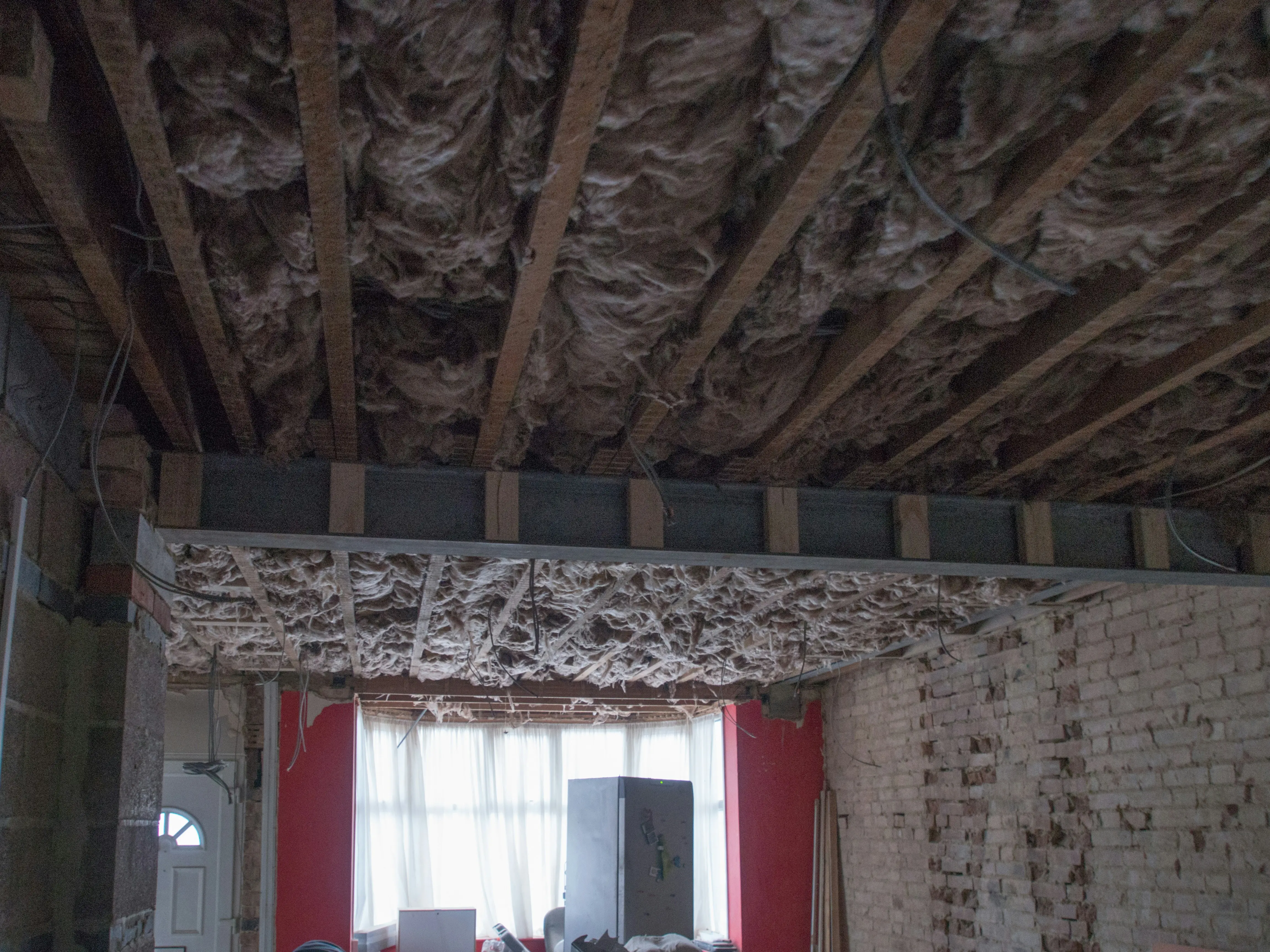
Several types of insulation materials are commonly used for ceilings, each with its unique characteristics and R-value per inch. Fiberglass insulation is one of the most popular choices, available in batts, rolls, and loose-fill forms. Fiberglass batts are pre-cut sections that fit snugly between ceiling joists, while rolls are longer sections that can be cut to size. Loose-fill fiberglass is blown into attic spaces, conforming to irregular shapes and filling voids. It’s relatively affordable and offers good thermal performance.
Cellulose insulation is another widely used option, particularly appreciated for its eco-friendly credentials as it’s often made from recycled paper products. Like loose-fill fiberglass, cellulose is typically blown into attic spaces, creating a dense, seamless blanket of insulation. It has excellent sound-attenuating properties and often boasts a higher R-value per inch than fiberglass batts. However, it can be more susceptible to moisture if not properly installed.
Spray foam insulation, available in open-cell and closed-cell varieties, offers superior insulation and air-sealing capabilities. Open-cell spray foam is lighter and more flexible, providing excellent sound control while still offering good thermal resistance. Closed-cell spray foam is denser, creates an extremely effective air barrier, and has a higher R-value per inch, making it ideal for maximizing insulation in thinner bays. Both types expand to fill cavities, creating a tight seal that prevents air leakage, a common culprit for energy loss. While spray foam can be more expensive upfront, its long-term energy savings and air-sealing benefits are significant.
Lastly, rigid foam boards are made from materials like expanded polystyrene (EPS), extruded polystyrene (XPS), or polyisocyanurate (polyiso). These boards offer high R-values in a thin profile, making them suitable for specific applications where space is limited. They are often used for cathedral ceilings or as an additional layer over existing insulation. Each of these insulation types presents distinct advantages depending on your budget, installation requirements, and desired performance outcomes for your ceiling insulation project.

The DIY Home Insulation Approach vs. Professional Installation
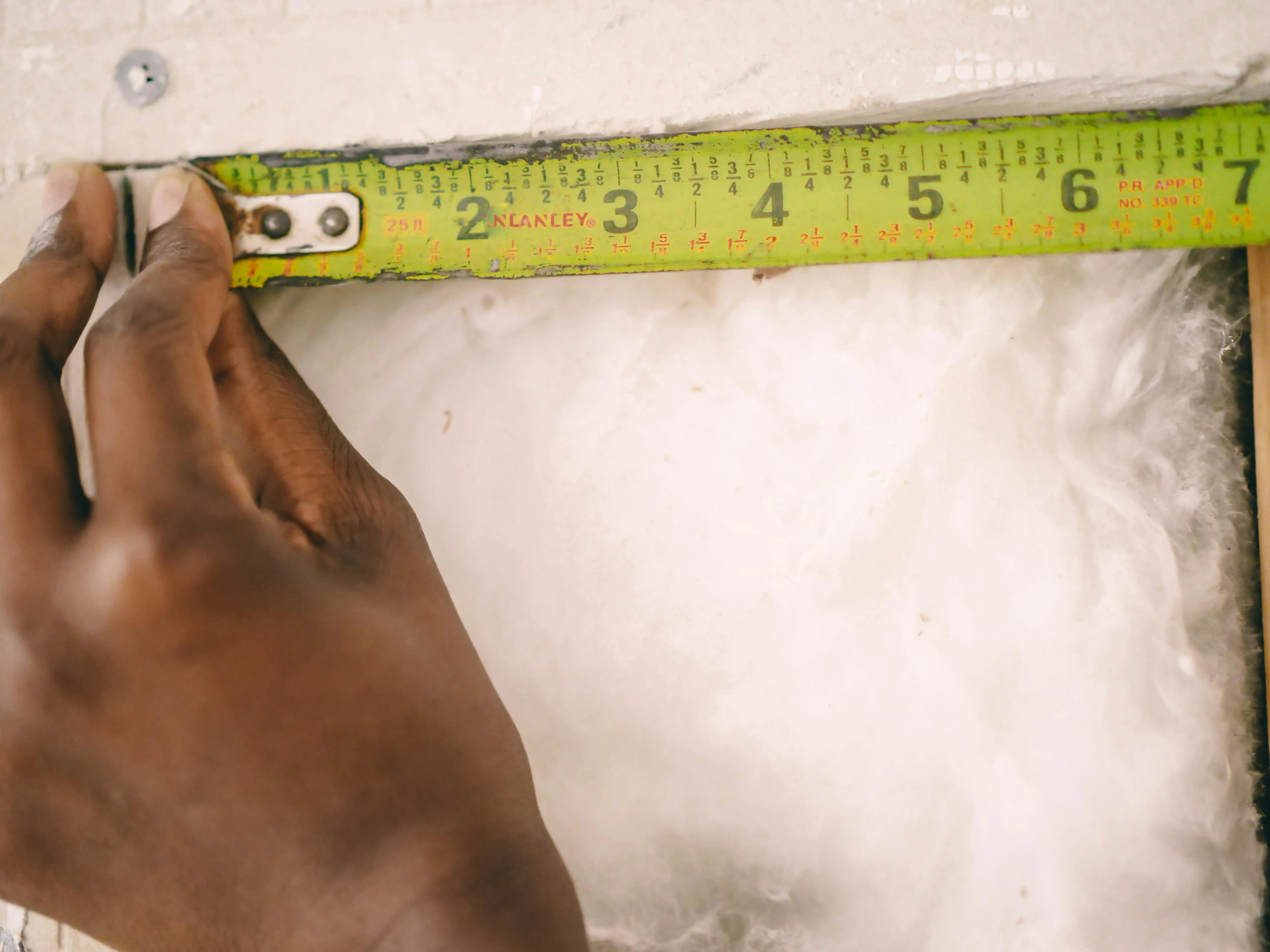
When considering upgrading your ceiling insulation, a common dilemma arises: should you tackle it as a DIY home insulation project or hire professionals? Both approaches have their merits and drawbacks. For many homeowners, the appeal of DIY lies in the potential cost savings on labor. Installing batt or roll fiberglass insulation in an accessible attic, for example, can seem straightforward for those with basic home improvement skills. With proper safety gear, a tape measure, and a utility knife, a motivated individual can significantly improve their home’s thermal envelope. Resources like online tutorials and manufacturer instructions can guide you through the process, ensuring correct material handling and placement. This can be a rewarding experience, offering a direct sense of accomplishment and immediate savings.
However, the complexities associated with insulation, particularly for ceiling applications, often make professional installation the more prudent choice. Professionals bring expertise in assessing your specific needs, recommending the optimal insulation type and R-value for your climate, and identifying potential air leaks or moisture issues that a novice might miss. They have access to specialized equipment, such as blowers for loose-fill insulation or spray foam rigs, which ensure a uniform and effective application. Incorrectly installed insulation can lead to inefficiencies, leaving gaps or compressions that reduce its effectiveness, or even creating moisture problems that can damage your home’s structure. In fact, many DIY projects inadvertently lead to less than optimal performance, negating some of the intended benefits.
Furthermore, safety is a significant concern. Working in attics can be hot, dusty, and present hazards like electrical wires, sharp objects, and uneven surfaces. Proper personal protective equipment (PPE), including respirators, gloves, and protective clothing, is essential. Materials like fiberglass can cause skin irritation and respiratory issues if not handled correctly. Spray foam insulation requires specific safety protocols due to the chemicals involved during the application process. Professionals are trained in these safety measures and are equipped to handle hazardous materials effectively. They are also familiar with local building codes and regulations, ensuring your insulation project meets all required standards, which is particularly important for wall and ceiling insulation where structural integrity and fire safety are concerns. While DIY can be tempting, the long-term benefits of a correctly installed, efficient, and safe insulation system often outweigh the initial savings of a do-it-yourself approach. For complex scenarios or if you’re unsure, professional assessment is always recommended.
Maximizing Energy Efficiency with Wall and Ceiling Insulation
While ceiling insulation is critically important, achieving optimal energy efficiency involves a holistic approach that often includes upgrading your wall and ceiling insulation. Walls represent a significant portion of your home’s exterior envelope, and if they are inadequately insulated, heat transfer can still compromise your indoor comfort and energy bills. Just as warm air escapes through an uninsulated ceiling in winter, it also permeates uninsulated walls. The same principle applies in reverse during hot weather, allowing heat to radiate into your living space. Therefore, a comprehensive strategy considers both elements to create a truly efficient thermal barrier.
For walls, common insulation techniques include blowing loose-fill cellulose or fiberglass into existing wall cavities, or installing batts during new construction or significant renovations. Spray foam is also an excellent option for walls, as it seals air leaks and provides high R-value in tight spaces. The synergy between well-insulated walls and ceilings is profound. When both are effectively sealed and insulated, your home becomes a tightly controlled environment, minimizing the exchange of heated or cooled air with the outdoors. This not only dramatically reduces the workload on your HVAC system but also eliminates drafts and cold spots, leading to a uniformly comfortable home.
Beyond insulation materials, air sealing is an indispensable component of maximizing energy efficiency, especially when considering both wall and ceiling insulation. Gaps, cracks, and penetrations in your home’s envelope-around electrical outlets, plumbing pipes, or where walls meet ceilings-allow conditioned air to escape and unconditioned air to enter. Even the best insulation won’t perform optimally if air bypasses it through these leaks. Sealing these pathways with caulk, weatherstripping, or expanding foam creates an airtight barrier that complements your insulation. This dual approach of insulating and air-sealing ensures that your investment in wall and ceiling insulation yields the greatest possible returns in terms of energy savings, comfort, and indoor air quality. It’s about treating your home as a complete system, where each component works together to create an energy-efficient and comfortable living space.
The Long-Term Investment of High-Quality Ceiling Insulation
Investing in high-quality ceiling insulation is not merely an expense; it’s a strategic long-term investment that pays dividends in multiple ways. The most tangible return is the consistent reduction in your monthly energy bills. Over the lifespan of your home, these savings can amount to thousands of dollars, effectively paying for the initial installation costs and then some. For example, if your current energy bills are high due to poor insulation, upgrading can immediately reduce your heating and cooling costs by 10-20% or even more, depending on your climate and existing R-value. This ongoing financial benefit makes insulation one of the most reliable home improvements for a positive return on investment.
Beyond direct energy savings, superior ceiling insulation contributes significantly to the longevity and structural integrity of your home. By maintaining stable indoor temperatures and controlling moisture, insulation helps prevent issues like condensation buildup in your attic, which can lead to wood rot, mold growth, and compromised structural elements. A well-ventilated and insulated attic space helps protect your roof and attic framing from temperature extremes and moisture damage. This preventative measure can save you from costly repairs down the line, safeguarding your home’s foundation and preserving its value. It’s an invisible guardian protecting your property from environmental degradation.
Furthermore, enhancing your ceiling insulation improves your home’s overall market appeal and resale value. Potential homebuyers are increasingly conscious of energy efficiency and operational costs. A home with modern, well-installed insulation is seen as a major asset, signaling lower utility bills and greater comfort, making it a more attractive purchase. Energy-efficient homes often command a higher price and spend less time on the market. Real estate agents frequently highlight energy efficiency upgrades like insulation as key selling points, demonstrating a forward-thinking and well-maintained property. Therefore, the investment not only serves your immediate comfort and budget but also enhances your asset’s future worth, solidifying its place as a cornerstone of smart homeownership.

Ceiling Insulation for Older Homes and Renovations
Older homes often present unique challenges and opportunities when it comes to upgrading ceiling insulation. Many historical or pre-mid-20th-century homes were built with minimal or no insulation by today’s standards, making them prime candidates for significant energy efficiency improvements. The first step involves a thorough assessment of existing conditions. This might include checking for any existing insulation, identifying air leaks, and assessing the condition of attic ventilation. Older homes can have limited attic access, irregular joist spacing, or even hidden areas that require specialized tools or techniques for effective insulation installation. Addressing these architectural quirks is crucial for a successful retrofit.
When renovating, integrating new ceiling insulation can be a transformative step. If you’re undertaking a major roof replacement or attic conversion, it’s the ideal time to add or upgrade insulation. During these projects, joists and roof decking are often exposed, allowing for easier installation of batt insulation, rigid foam boards, or spray foam directly to the underside of the roof deck, creating a conditioned attic space. This not only significantly improves thermal performance but can also open up new possibilities for using the attic as living space without the burden of extreme temperatures. For existing, finished ceilings without attic access, methods like dense-packing loose-fill insulation (cellulose or fiberglass) through small drilled holes can be an option, though this often requires professional expertise.
Addressing air sealing is particularly important in older homes, as they tend to have more leakage pathways. Sealing off bypasses around chimneys, plumbing stacks, electrical wires, and recessed lighting fixtures before adding new insulation is paramount. These gaps act like open windows, allowing conditioned air to escape regardless of how much insulation is present. Additionally, proper ventilation must be maintained or improved in conjunction with new insulation, especially in attics. Adequate ventilation prevents moisture buildup and radiant heat, ensuring the insulation performs optimally and prolongs the lifespan of your roof structure. Upgrading ceiling insulation in an older home requires careful planning and often professional guidance to navigate its unique characteristics and maximize energy savings while preserving its historical integrity.
Frequently Asked Questions About Ceiling Insulation
What is the best type of ceiling insulation?
The best type of ceiling insulation depends on various factors including your climate, budget, and attic access. Fiberglass batts and rolls are cost-effective and easy to install in accessible attics. Blown-in cellulose or fiberglass is excellent for existing homes or irregular spaces. Spray foam (open-cell or closed-cell) offers superior air sealing and high R-value but comes at a higher cost. Ultimately, the ‘best’ often refers to the most suitable for your specific needs and conditions.
How much R-value do I need for my ceiling insulation?
The recommended R-value for your ceiling insulation depends on your geographic location and climate zone, as defined by the Department of Energy. Colder climates require higher R-values (e.g., R-49 to R-60), while warmer climates might need slightly less (e.g., R-30 to R-49). It’s crucial to consult local building codes or an energy auditor for the precise recommendation for your area to ensure optimal performance and compliance.
Can I install ceiling insulation myself?
Yes, installing certain types of ceiling insulation like fiberglass batts or rolls can be a DIY project for accessible attics. However, blown-in insulation and spray foam typically require specialized equipment and expertise, making professional installation advisable. Always wear appropriate safety gear (respirator, gloves, protective clothing) and ensure proper ventilation. Incorrect installation can lead to reduced effectiveness and potential moisture issues.
How does ceiling insulation affect my energy bills?
Ceiling insulation significantly reduces heat transfer between your living space and the attic, leading to substantial savings on energy bills. In winter, it prevents warm air from escaping, and in summer, it stops heat from entering your home. This reduces the workload on your HVAC system, translating to lower heating and cooling costs, often by 10-25% or more, depending on your current insulation levels.
How often should ceiling insulation be replaced?
Good quality ceiling insulation, when properly installed and maintained, can last for many decades, often for the lifetime of the house. However, it may need replacement or augmentation if it becomes wet, compressed, damaged by pests, or if building codes and energy efficiency standards have significantly increased since its initial installation. Regular inspections can help determine its condition and effectiveness.
The Essential Upgrade: Transforming Your Home with Ceiling Insulation
In conclusion, the decision to invest in high-quality ceiling insulation is one of the most impactful home improvement choices you can make. It’s far more than just adding another layer; it’s about fundamentally transforming your home into a more comfortable, energy-efficient, and sustainable living space. From the immediate gratification of lower energy bills to the long-term benefits of enhanced structural integrity, reduced noise, and improved indoor air quality, the advantages are undeniable and multifaceted. We’ve explored how different insulation types, such as fiberglass, cellulose, and spray foam, each offer unique solutions tailored to various needs and budgets, and why understanding R-value is paramount to making an informed decision. The considerations of wall and ceiling insulation together reinforce the idea of a comprehensive approach to home energy management.
Whether you’re in an older home needing a significant energy overhaul or a newer build looking to optimize its performance, the benefits of modern ceiling insulation are profound. While DIY home insulation can be a viable option for straightforward projects, professional installation often ensures maximum efficiency, safety, and compliance with building codes, offering peace of mind and guaranteeing the best possible return on your investment. Remember, good insulation is an invisible guardian, working tirelessly year-round to protect your home from temperature extremes and reduce your carbon footprint.
Ultimately, enhancing your ceiling insulation isn’t just an upgrade; it’s an intelligent investment in your comfort, your finances, and the future value and sustainability of your home. Don’t let your home’s most significant thermal barrier go neglected. Take action today to explore your options and experience the remarkable difference proper ceiling insulation can make. Consult with a qualified professional to assess your home’s specific needs and embark on the path to a more energy-efficient and comfortable living environment. Discover the power of a well-insulated home!