
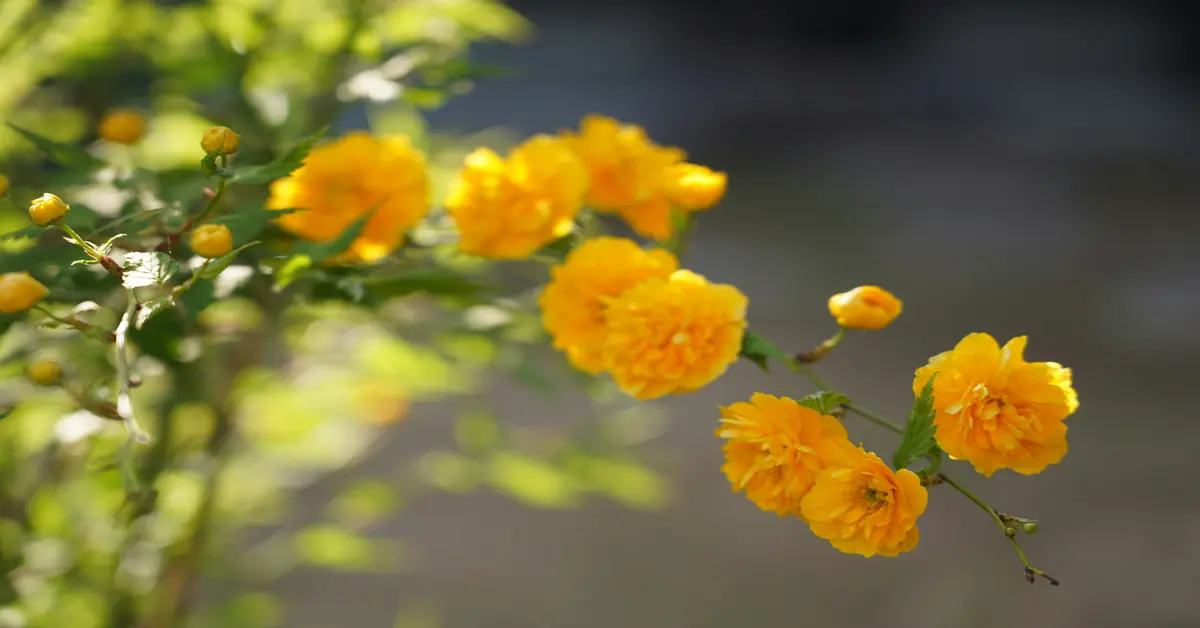
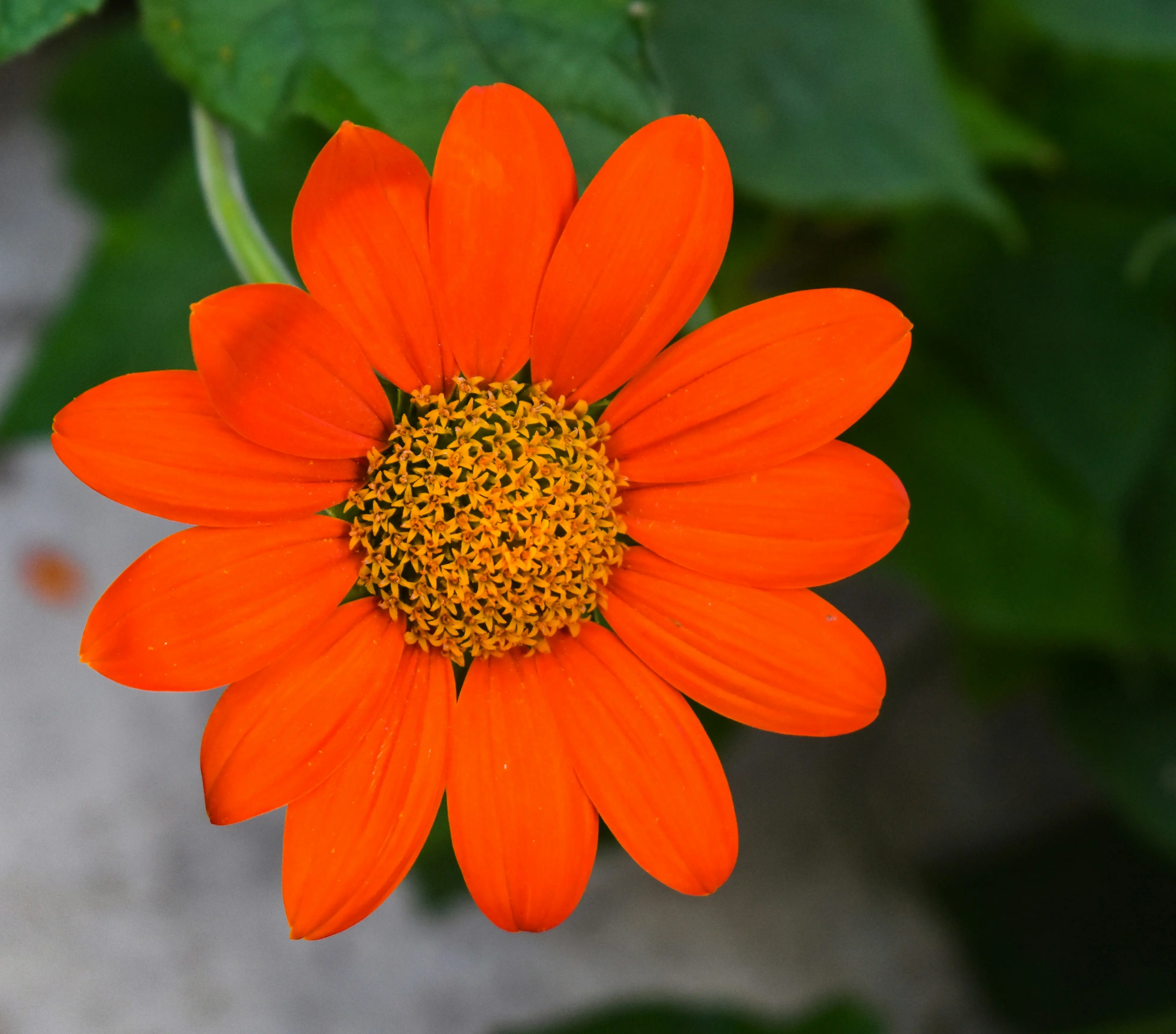
Flowers with orange hues bring a burst of sunshine and warmth to any garden or floral arrangement. From subtle peach tones to fiery tangerines, the spectrum of orange in nature is truly captivating. As a seasoned WordPress blogger and SEO expert with over a decade of experience, I’ve seen firsthand how incorporating these vibrant blooms can transform outdoor spaces, evoke strong emotions, and even influence mood. Orange flowers are often associated with enthusiasm, creativity, joy, and determination, making them a powerful choice for those looking to inject positive energy into their surroundings.
The appeal of flowers with orange extends beyond their aesthetic beauty. Many orange varieties are also incredibly resilient, attracting crucial pollinators like bees and butterflies, and offering a long-lasting display of color. Whether you’re designing a vibrant cottage garden, seeking to add a focal point to a minimalist landscape, or simply wanting to brighten a shady corner, there’s an orange blossom perfectly suited for your needs. This comprehensive guide will delve into the wonderful world of orange flowers, exploring various species, their care requirements, and how to best integrate them into your gardening plans. Get ready to discover the magic these fiery beauties can bring to your home and garden, enhancing its appeal and creating an unforgettable visual impact.
Understanding the versatility of orange flowers is key to successfully using them in your landscape. They can stand alone as a bold statement or provide a striking contrast when paired with blues, purples, or greens. Their warm tones can also harmonize beautifully with reds and yellows, creating a rich, opulent palette. This article will equip you with the knowledge to make informed choices, ensuring your garden flourishes with stunning orange blooms all season long. Let’s embark on this colorful journey and uncover the endless possibilities that await!
The Allure of plants with Orange Flowers: A Horticultural Deep Dive
The botanical world offers an astonishing array of plants with orange flowers, each with unique characteristics and charm. This section will explore some of the most popular and captivating options, detailing their growth habits, preferred environments, and the visual impact they deliver. Understanding these nuances is crucial for selecting the right orange blooms that will not only thrive in your specific climate but also complement your existing garden design.
Take, for instance, the classic Calendula, also known as pot marigold. These cheerful annuals are remarkably easy to grow from seed and produce a continuous display of bright orange and yellow daisy-like flowers. They are perfect for cottage gardens, borders, or even as edible garnishes. Another highly popular choice for those seeking plants with orange flowers is the Zinnia. Zinnias come in various forms and sizes, with many boasting intense orange petals. They are excellent cut flowers, attracting butterflies and adding a vibrant splash to any sunny garden bed. Their long blooming season makes them a favorite among gardeners looking for sustained color.
For a more tropical feel, consider the Bird of Paradise (Strelitzia reginae). This exotic plant produces spectacular orange and blue flowers resembling a crane’s head, making it an undeniable focal point. While it thrives in warmer climates, it can be grown in containers in cooler regions and brought indoors during winter. Another striking tropical option is the Canna Lily, with its bold foliage and fiery orange spikes that add dramatic vertical interest. These plants require full sun and moist, well-drained soil to truly flourish. Selecting the right species for your specific conditions is paramount to garden success.
Vibrant Annuals and Perennials for Continuous Orange Splendor
Beyond the well-known varieties, many other annuals and perennials contribute to the beauty of plants with orange flowers. The Nasturtium, for example, is a versatile annual that not only offers charming orange, yellow, and red flowers but also edible leaves and seeds-a true garden multitasker! They are ideal for ground cover, spilling over containers, or climbing trellises.
For perennial enthusiasts, the Blanket Flower (Gaillardia) is a superb choice. Its daisy-like blooms often feature fiery orange centers fading to yellow tips, providing a warm, inviting glow. These drought-tolerant plants are excellent for meadows and sunny borders, attracting pollinators with their vibrant hues. Daylilies (Hemerocallis) also come in an impressive range of orange shades, from soft apricot to deep rust, offering robust and long-lasting blooms with minimal care. Their adaptability to various soil types further enhances their appeal, making them a staple in many perennial gardens. By integrating a mix of annuals and perennials, you can ensure a continuous display of orange brilliance throughout the growing season.
Stunning tree with Orange Flowers: Elevating Your Landscape
When considering broader garden design, don’t overlook the impact a magnificent tree with orange flowers can have. Trees provide structure, shade, and often a breathtaking display of blooms that can define a landscape for decades. Incorporating flowering trees into your garden plan adds a layer of depth and seasonal interest that smaller plants simply cannot achieve. These arboreal wonders can serve as striking specimen plants, captivating avenues, or even provide valuable habitat for local wildlife.
One of the most iconic examples of a tree with orange flowers is the Flame Tree (Brachychiton acerifolius), known for its spectacular bursts of bell-shaped, bright red-orange flowers that often cover the entire canopy, creating a truly unforgettable sight. While typically found in warmer climates, its visual impact is undeniable. Another stunning option is the African Tulip Tree (Spathodea campanulata), which boasts large, showy, cup-shaped orange-red flowers that attract hummingbirds. This fast-growing tree is highly ornamental but can be invasive in some regions, so it’s important to research its suitability for your specific locale.
For those in more temperate climates, certain varieties of Trumpet Vine (Campsis radicans) can be grown as a tree-form vine trained on a sturdy support, producing abundant clusters of trumpet-shaped orange blooms. While primarily a vine, with proper pruning and support, it can create a striking upright specimen. Similarly, some Magnolias, such as ‘Elizabeth’, offer lovely peach to orange-yellow blossoms that signal the arrival of spring. When selecting a tree with orange flowers, consider not only the bloom color but also the tree’s mature size, growth rate, and environmental needs to ensure it thrives and enhances your outdoor space for years to come.
Shrubs and Vining Plants for Vertical Orange Displays
Beyond majestic trees, many shrubs and vining plants also offer spectacular orange blooms, adding vertical interest and vibrant texture to your garden. The Azalea, particularly certain deciduous varieties, produces an astonishing profusion of orange flowers in spring, creating a dazzling display. These acid-loving shrubs are excellent for woodland gardens or as foundation plantings beneath taller trees.
For a more exotic flair, the Cape Honeysuckle (Tecoma capensis) is a vigorous, sprawling shrub that can be trained as a climber, featuring brilliant clusters of tubular orange flowers. It’s a fantastic choice for covering fences, arbors, or walls in warm climates, attracting pollinators with its nectar-rich blooms. Another delightful vine is the Mandevilla, with varieties offering stunning clear orange flowers that spill beautifully from hanging baskets or climb elegantly up trellises. These sun-loving plants provide continuous color throughout the warmer months, making them perfect for adding a touch of tropical vibrancy to patios and decks. Both shrubs and vines offer versatile ways to incorporate impactful orange blooms into your landscape design.
Designing with Flowers with Orange: Color Theory and Combinations
Incorporating flowers with orange effectively into your garden design requires an understanding of color theory and thoughtful plant combinations. Orange is a warm, energetic color that can be both stimulating and inviting. Its versatility means it can be paired with a wide range of other hues to create diverse moods and visual effects. As an SEO expert, I emphasize creating engaging and visually appealing content, and the same principle applies to garden design – striking combinations capture attention and create lasting impressions.
For a truly harmonious and vibrant look, consider pairing flowers with orange with other warm colors like yellows and reds. This creates a bold, fiery palette reminiscent of a sunset, brimming with energy and passion. Think of planting marigolds alongside scarlet petunias and golden coreopsis for an explosion of warmth. This analogous color scheme is generally pleasing to the eye and easy to achieve.
Alternatively, for a more dramatic and sophisticated contrast, combine orange blooms with cool colors such as blues and purples. The complementary nature of blue and orange creates a striking visual dynamic where both colors pop. Imagine bright orange zinnias planted next to deep blue salvias, or cheerful orange daylilies juxtaposed with rich purple delphiniums. This combination is particularly effective in creating focal points and adding depth to your garden beds. green, being the natural backdrop for all flowers, always provides a refreshing contrast to orange, making the blooms stand out vividly.
Creating Seasonal Interest with Orange Flowers
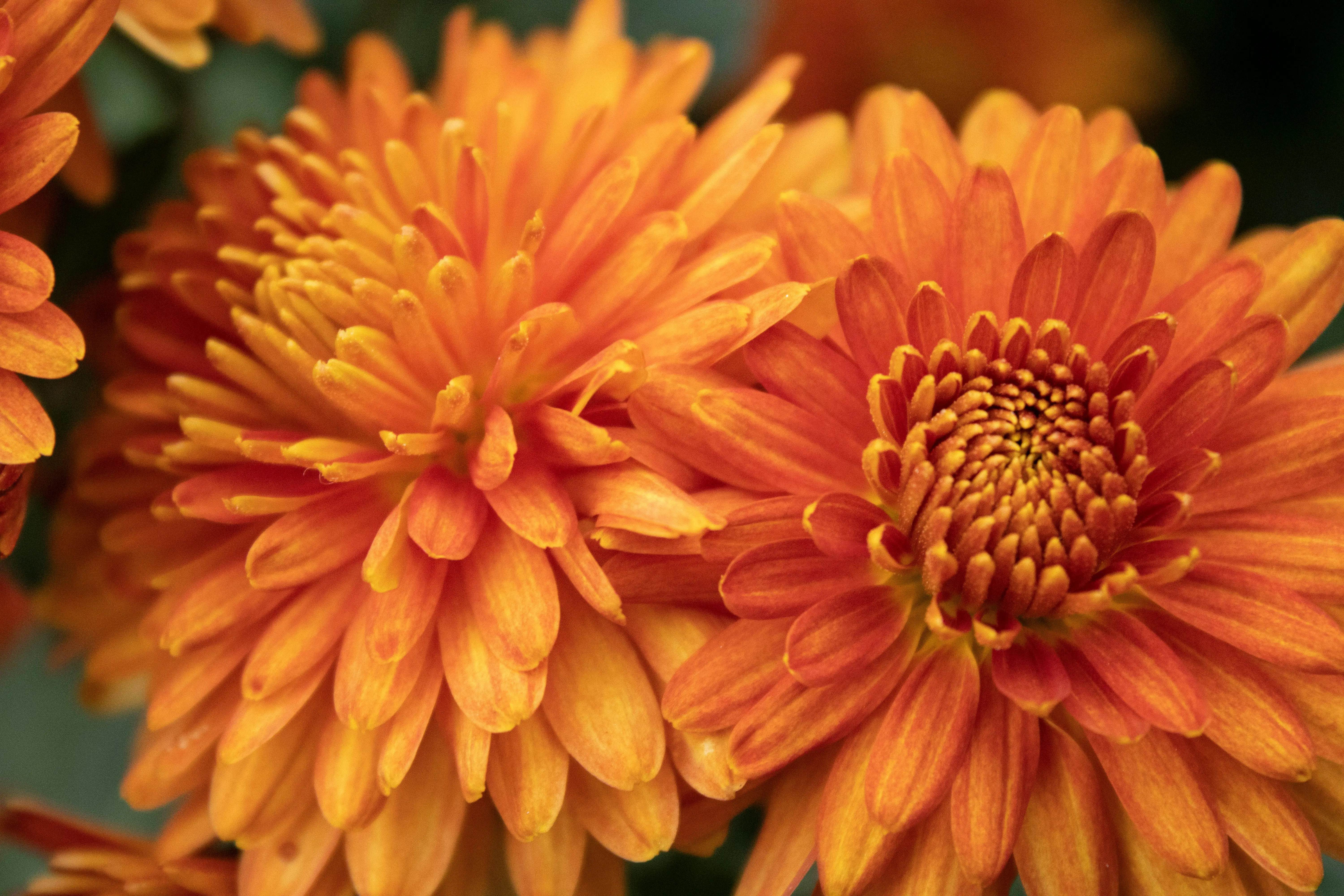
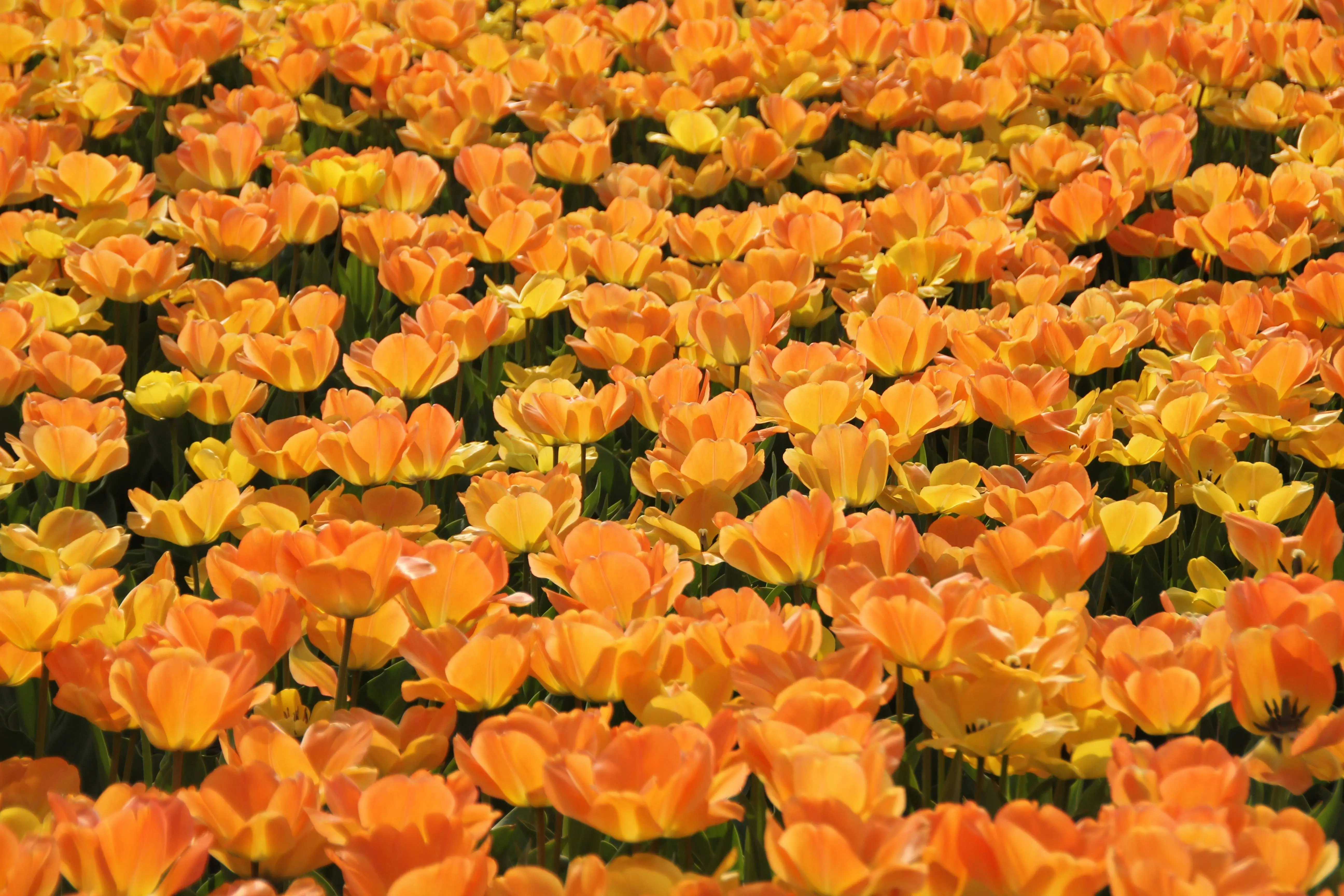
Strategic planting of flowers with orange can also help extend seasonal interest in your garden. For spring, consider early-blooming tulips or daffodils in vibrant orange shades. As summer progresses, the options expand dramatically with a plethora of annuals and perennials like cosmos, calendulas, and coreopsis providing continuous color. For autumn, focus on chrysanthemums, sedums, and even flowering kale varieties that incorporate orange and red tones to echo the changing foliage.
Don’t forget the power of foliage! Plants like certain Heucheras (Coral Bells) offer leaves in shades of peach and amber, providing orange interest even when not in bloom. Similarly, plants with bronze or coppery foliage can complement orange flowers beautifully, enhancing the overall warm palette. By carefully planning your selections based on bloom times and combining them with interesting foliage, you can ensure your garden boasts captivating orange displays from spring through fall, maintaining visual appeal throughout the gardening year.
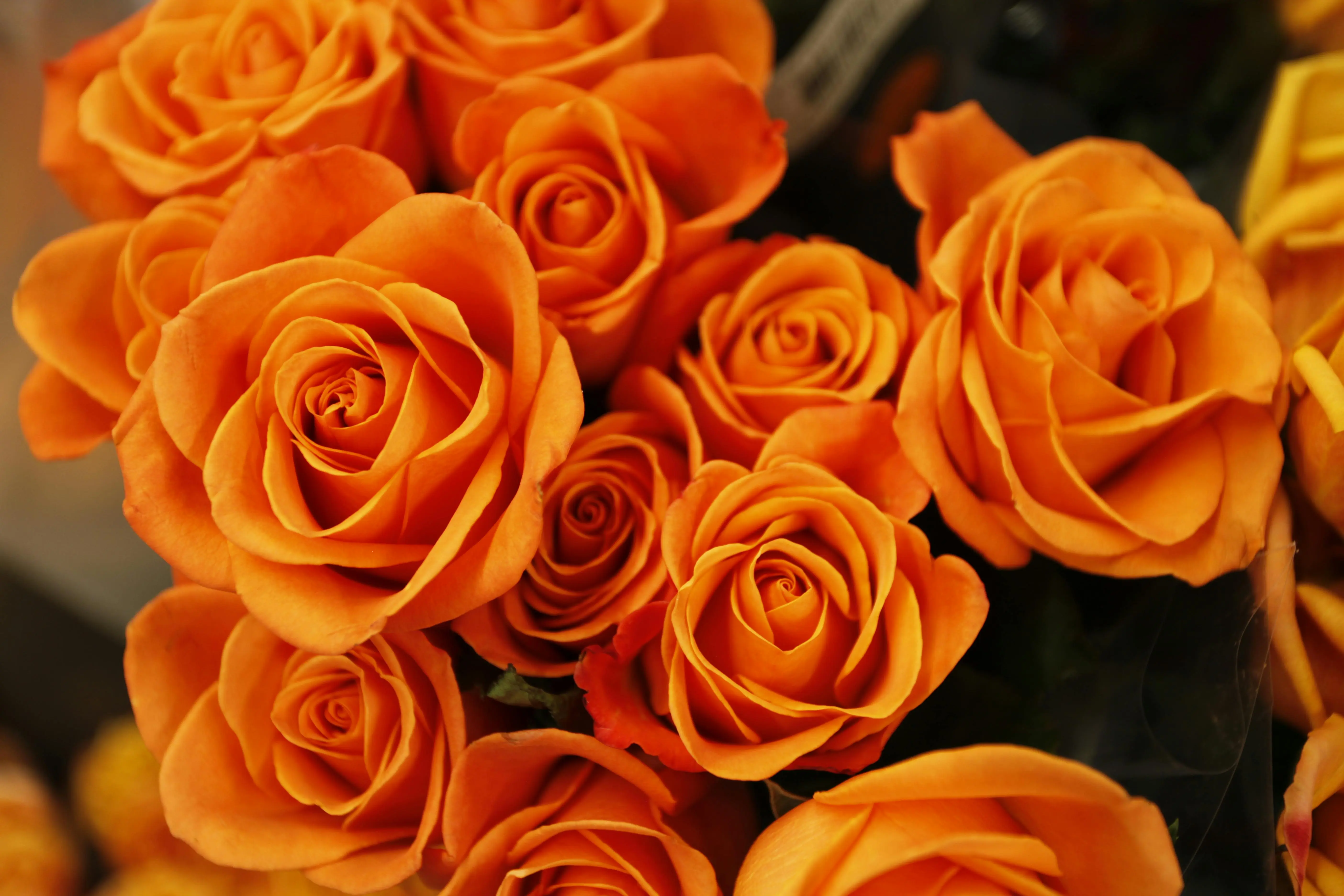
Caring for Your Orange Floral Beauties: Tips for Success
Ensuring your flowers with orange thrive requires understanding their basic care needs, which, while varying by species, share common principles. Many orange-flowering plants are sun-lovers, often originating from regions where bright, direct sunlight is abundant. Providing adequate light is therefore one of the most critical factors for prolific blooming and healthy growth. Typically, ‘full sun’ means at least six hours of direct sunlight per day. Insufficient light can lead to leggy growth and fewer, less vibrant flowers.
Soil quality is another fundamental aspect. Most flowers with orange prefer well-draining soil that is rich in organic matter. Good drainage prevents root rot, a common issue for many plants. Incorporating compost or other organic amendments into your garden beds can significantly improve soil structure and fertility. Before planting, it’s always a good idea to perform a soil test to understand its composition and pH levels, as some plants have specific preferences. For example, azaleas, which offer stunning orange varieties, thrive in acidic soil.
Watering correctly is also essential. While specific requirements differ, a general rule of thumb is to water deeply and regularly, especially during dry spells and the plant’s active growing season. Avoid shallow, frequent watering, which encourages shallow root growth and makes plants more susceptible to drought stress. Always check the soil moisture before watering; the top inch or two should feel dry to the touch for most plants before you water again. Overwatering can be just as detrimental as underwatering, leading to root problems and fungal diseases.
Pest and Disease Management for Orange-Bloomed Plants
Even the most vigorous flowers with orange can sometimes fall victim to pests or diseases. Regular inspection of your plants is the best defense. Look for signs of trouble such as discolored leaves, holes, stunted growth, or the presence of visible pests like aphids, spider mites, or slugs. Early detection allows for more effective and less invasive treatment options.
Many common garden pests can be managed with organic solutions such as insecticidal soaps, neem oil, or simply a strong spray of water from the hose to dislodge them. Encouraging beneficial insects, such as ladybugs and lacewings, into your garden can also provide natural pest control. For diseases, ensuring good air circulation around your plants, avoiding overhead watering, and practicing good garden hygiene (removing diseased plant material promptly) are crucial preventative measures. Selecting disease-resistant varieties when available can also significantly reduce potential problems. By combining proper cultural practices with vigilant monitoring, your orange floral display can remain healthy and vibrant throughout the growing season, bringing continuous joy and beauty to your garden.
FAQ About Flowers with Orange
Can all flowers with orange grow in any climate?
No, not all flowers with orange are suitable for every climate. Plant hardiness zones, which indicate the minimum winter temperature a plant can tolerate, vary greatly. For example, tropical plants like the Bird of Paradise thrive in warm, frost-free climates, while some varieties of Marigolds are annuals that complete their life cycle in one growing season across many zones. Always check the specific hardiness zone recommendations for any plant you consider for your garden to ensure it will grow successfully in your local conditions.
What are some low-maintenance plants with orange flowers?
Several plants with orange flowers are known for being low maintenance. Marigolds (Tagetes), Blanket Flowers (Gaillardia), and Coreopsis are excellent choices for their ease of care and continuous blooming. Daylilies (Hemerocallis) are also remarkably resilient perennials that require minimal attention once established. These plants generally tolerate average soil conditions, are drought-tolerant once mature, and require less fuss than many other ornamental varieties, making them ideal for busy gardeners.
Are there any tree with orange flowers that are suitable for small gardens?
Yes, some trees and tree-like shrubs with orange flowers can fit into smaller gardens, provided you choose carefully. For very small spaces, consider training a ‘tree form’ hibiscus or a dwarf peach tree with ornamental orange blooms. For a medium-sized option, look for compact varieties of flowering Crabapple or columnar specimens that offer orange-tinged blooms. Always research the mature size of the tree and prune appropriately to manage its growth in a confined space.
Do flowers with orange attract specific pollinators?
Yes, many flowers with orange are highly attractive to specific pollinators. The vibrant orange color is particularly appealing to hummingbirds, which are drawn to tubular flowers like those found on Trumpet Vines and some Fuchsias. Bees are also attracted to orange flowers, especially those with open, daisy-like structures, such as Calendulas and Zinnias, as these often offer easily accessible nectar and pollen. Planting a variety of orange blooms can help support a diverse range of beneficial insects and birds in your garden.
How can I ensure my orange flowers bloom profusely?
To ensure your orange flowers bloom profusely, focus on providing optimal growing conditions. This includes ensuring they receive adequate sunlight (most orange flowers prefer full sun), planting them in rich, well-draining soil amended with organic matter, and maintaining consistent moisture without overwatering. Regular fertilization during the growing season with a balanced fertilizer, combined with deadheading (removing spent blooms), will encourage continuous flowering. Also, protect your plants from pests and diseases, as healthy plants are more likely to produce abundant blooms.
The Enduring Appeal of Flowers with Orange in Your Garden
The journey through the vibrant world of flowers with orange reveals a spectrum of possibilities for every gardener, from the eager novice to the seasoned expert. We’ve explored the sheer diversity, from annuals that offer fleeting bursts of sunshine to robust perennials and majestic trees that anchor the landscape with their fiery grandeur. The profound impact that orange can have on a garden’s aesthetic and emotional resonance is undeniable, bringing joy, energy, and a touch of the extraordinary to any outdoor space.
Integrating these magnificent plants with orange flowers into your garden design is more than just adding color; it’s about crafting an experience. Whether you aim to create a cheerful cottage garden with drifts of marigolds and zinnias, or a dramatic, exotic retreat featuring the flamboyant Bird of Paradise, the warmth and vibrancy of orange blooms provide an unparalleled visual feast. Remember the power of thoughtful combinations, pairing orange with complementary blues and purples for striking contrast, or with reds and yellows for a harmonious, glowing tableau.
As we conclude, I encourage you to embrace the transformative power of orange in your own gardening endeavors. Experiment with different varieties, pay attention to their specific needs for light and soil, and delight in the continuous show they provide. The simple act of planting flowers with orange can elevate your garden from merely pretty to truly spectacular, enchanting all who behold its radiant beauty. Start planning your orange garden today and witness the incredible vibrancy these blooms can bring. Happy gardening, and may your outdoor spaces be perpetually bathed in the joyful glow of orange!