
When it comes to enhancing your indoor greenery, the corn plant (Dracaena fragrans) stands out as a popular and relatively easy-to-care-for option. Its striking, sword-like leaves and sturdy trunk evoke a tropical feel, making it a favorite among houseplant enthusiasts. Properly understanding corn plant care is crucial for ensuring your plant not only survives but thrives, bringing vibrant life to your home or office. These resilient plants are known for their air-purifying qualities and ability to adapt to various indoor environments, though they do have specific needs that, when met, result in a truly magnificent specimen. From the ideal watering schedule to the perfect light conditions, mastering the nuances of their environment can transform a struggling plant into a lush, green centerpiece. This guide is designed to provide you with all the essential knowledge to keep your Dracaena fragrans healthy and happy, ensuring it remains a beautiful addition to your space for many years to come.
Many people are drawn to the corn plant because of its low-maintenance reputation, but ‘low-maintenance’ doesn’t mean ‘no-maintenance.’ Neglecting fundamental aspects of its care can lead to common issues such as yellowing leaves, stunted growth, or even pest infestations. This article will delve into the critical aspects of corn plant care, offering practical advice and expert tips. We’ll cover everything from selecting the right pot and soil mixture to understanding its light and humidity requirements. By the end of this comprehensive guide, you’ll be equipped with the knowledge to troubleshoot common problems and cultivate a robust, flourishing corn plant that consistently brings joy and a touch of the tropics to your living space. Let’s embark on this journey to becoming a corn plant care master!
Understanding Your Corn Plant’s Environmental Needs
The success of your corn plant hinges significantly on understanding and replicating its natural habitat as closely as possible within your home. These plants originate from tropical Africa, meaning they thrive in warm, humid conditions with filtered light. One of the most critical aspects of corn plant care is providing the right light exposure. While they appreciate bright, indirect light, direct sunlight, especially for extended periods, can scorch their leaves, leading to unsightly brown patches. A spot near an east- or north-facing window is often ideal, offering sufficient brightness without the harsh intensity of direct afternoon sun. If your only option is a south or west-facing window, consider using a sheer curtain to diffuse the light.
Temperature and humidity are also vital components of a healthy environment for your corn plant. They prefer temperatures between 65°F and 75°F (18°C-24°C). Avoid placing them in areas with drastic temperature fluctuations, such as near drafty windows or heating/cooling vents, as this can stress the plant. Humidity is equally important. In their native environment, corn plants experience high humidity levels, which can be challenging to replicate indoors, especially in arid climates or heated homes during winter. Low humidity can lead to leaf tip browning, a common complaint among corn plant owners. To increase humidity, you can mist your plant regularly, place it on a pebble tray filled with water, or use a room humidifier. Grouping it with other plants can also create a microclimate with higher humidity.
Proper air circulation is another often-overlooked factor. While they love humidity, stagnant air combined with high moisture can encourage fungal issues. Ensure your plant is in a well-ventilated area, but avoid direct strong drafts that could dry out its leaves or cause temperature stress. Balancing these environmental factors creates a stable and nurturing home for your corn plant, setting the stage for its continued health and vibrant appearance. Regular observation of your plant’s leaves can often be the best indicator of whether its environmental needs are being met.
Watering and Fertilizing for Optimal Corn Plant Care
Proper watering is perhaps the most critical aspect of corn plant care, as both overwatering and underwatering can lead to significant problems. The key is to find a balance, allowing the soil to dry out partially between waterings. A good rule of thumb is to water thoroughly once the top 1-2 inches of soil feel dry to the touch. You can test this by sticking your finger into the soil. When you water, do so until water drains from the bottom of the pot, ensuring all parts of the root ball receive moisture. Always empty any collected water from the saucer to prevent the plant from sitting in water, which can lead to root rot-a common killer of corn plants. During winter months or periods of lower light, your plant’s water needs will decrease, so adjust your frequency accordingly. Conversely, in warmer, brighter conditions, it may require more frequent watering.
The type of water you use can also impact your corn plant’s health. Dracaena species are sensitive to fluoride, chlorine, and salts commonly found in tap water. These chemicals can accumulate in the soil over time, leading to leaf tip burn and brown spots. If possible, use filtered water, rainwater, or leave tap water out overnight to allow chlorine to dissipate before watering. This simple step can make a noticeable difference in the long-term health and appearance of your plant’s foliage.
Fertilization supports healthy growth, but it’s important not to overdo it. Corn plants are not heavy feeders. During the active growing season (spring and summer), feed your plant with a balanced liquid houseplant fertilizer diluted to half strength, approximately once every 2-4 weeks. Avoid fertilizing during the fall and winter months when the plant’s growth naturally slows. Over-fertilization can lead to salt buildup in the soil, which can burn the roots and cause leaf discoloration. If you notice a white crust forming on the soil surface, it’s a sign of salt buildup, and flushing the soil with plain water or repotting may be necessary. By carefully managing both watering and fertilization, you provide your corn plant with the essential nutrients and hydration it needs to flourish.
Pruning, Potting, and Pest Management
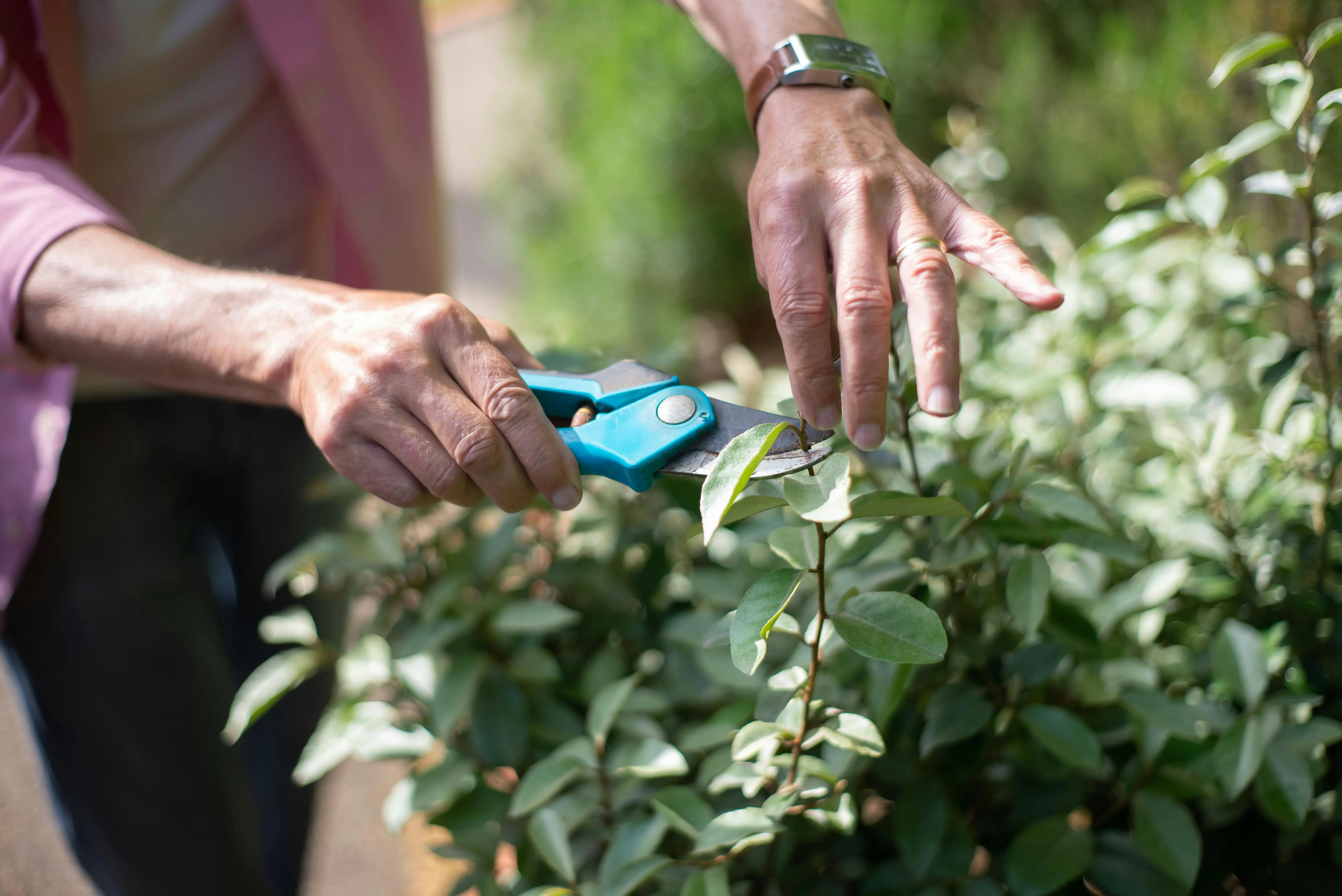
Regular maintenance, including pruning and timely repotting, plays a significant role in vibrant corn plant care. Pruning is not just for aesthetics; it also encourages bushier growth and helps maintain the plant’s desired size and shape. You can prune your corn plant by cutting back any leggy stems or stems that have grown too tall. Use sharp, sterile shears to make a clean cut just above a leaf node. New growth will typically emerge from below the cut. You can also remove yellowed, brown, or damaged leaves by gently pulling or cutting them off near the stalk. This directs the plant’s energy to healthy growth and improves its overall appearance. The trimmed tops can often be rooted in water or moist soil to create new plants, effectively propagating your existing specimen.
Repotting becomes necessary when your corn plant outgrows its current container, typically every 2-3 years, or when you notice roots emerging from the drainage holes. Choose a pot that is only one size larger than the current one to avoid giving the plant too much soil, which can hold excessive moisture and lead to root rot. Ensure the new pot has drainage holes, as good drainage is paramount for corn plant health. Use a well-draining potting mix, ideally one formulated for houseplants, or create your own by adding perlite or coarse sand to a standard mix to improve aeration and drainage. When repotting, gently remove the plant from its old pot, inspect the roots for any signs of rot (mushy, dark roots), and trim them if necessary. Place a layer of fresh soil in the new pot, position the plant, and fill with more soil, leaving about an inch of space from the rim.
Even with the best corn plant care, pests can occasionally become an issue. Common culprits include spider mites, mealybugs, and scale insects. Regularly inspect your plant’s leaves, especially the undersides, for any signs of pests (sticky residue, tiny webs, discolored spots, or visible insects). If you detect an infestation, isolate the plant immediately to prevent spread. For minor infestations, a strong spray of water can dislodge many pests. For more persistent issues, treat the plant with insecticidal soap or neem oil, following the product instructions carefully. Consistency is key when dealing with pests; repeat applications may be necessary to break their life cycle. A healthy plant is less susceptible to pest attacks, underscoring the importance of all aspects of proper care.
Common Corn Plant Care Issues and Solutions
Even with diligent corn plant care, you might encounter a few common issues. Recognizing these problems early and knowing how to address them is crucial for maintaining a healthy plant. One of the most frequent complaints is yellowing leaves. This can be attributed to several factors. Lower, older leaves naturally yellow and drop as part of the plant’s life cycle, which is normal. However, widespread yellowing, especially on newer leaves, often indicates overwatering or nutrient deficiency. Check your watering schedule and ensure the soil isn’t constantly soggy. If the soil is consistently moist, reduce watering frequency. If underwatering is suspected (soil is bone dry and leaves are crispy), increase watering. A lack of nitrogen can also cause yellowing, in which case a balanced fertilizer application during the growing season can help.
Another prevalent problem is brown leaf tips or margins. This is almost always a sign of low humidity, fluoride toxicity from tap water, or inconsistently watering. As discussed earlier, increasing humidity through misting or pebble trays can alleviate this. Switching to filtered or distilled water can reduce fluoride exposure. Ensure your watering is consistent and thorough when the topsoil is dry, avoiding extremes of wet and dry. Sometimes, brown tips can also indicate too much direct sunlight, so assess your plant’s light exposure.
Drooping leaves usually point to watering issues. If the leaves are soft and droopy, it’s likely overwatering and potential root rot. If they are crispy and droopy, the plant is severely underwatered. Adjust your watering regimen according to the soil moisture. Stunted growth can be a sign that the plant needs more light, more nutrients (fertilizer), or simply a larger pot. If your plant hasn’t grown much in a while, consider repotting it in fresh soil or evaluating its light source.
Finally, pest infestations, as mentioned earlier, manifest as sticky residue, tiny webs, or visible insects. Early detection and treatment with insecticidal soap or neem oil are the best defense. Regularly wiping down leaves can also help keep pests at bay. By understanding these common issues and their corresponding solutions, you’re well-equipped to provide excellent corn plant care and maintain a flourishing, vibrant plant.
The Benefits of Excellent Corn Plant Care
Beyond their aesthetic appeal, providing excellent corn plant care offers a multitude of benefits, transforming your indoor space into a healthier and more inviting environment. One of the most significant advantages of Dracaena fragrans is its proven ability to purify the air. Studies, such as those conducted by NASA, have identified corn plants as effective natural filters, capable of removing harmful toxins like formaldehyde, benzene, trichloroethylene, and xylene from indoor air. These volatile organic compounds (VOCs) are commonly found in household products, furniture, and building materials, making their removal crucial for improving indoor air quality. A well-cared-for corn plant actively contributes to a cleaner, fresher atmosphere, which can be particularly beneficial for individuals with allergies or respiratory sensitivities.
Furthermore, the presence of plants, including the corn plant, has been shown to have positive effects on mental well-being. Engaging in corn plant care can be a therapeutic and rewarding hobby, fostering a sense of connection with nature, even indoors. The act of nurturing a plant, observing its growth, and responding to its needs can reduce stress, improve focus, and boost overall mood. The vibrant green foliage itself can create a calming and aesthetically pleasing environment, transforming stark spaces into serene retreats. Plants also contribute to the biophilic design trend, integrating natural elements into human-made environments to enhance health and productivity.
From an ecological perspective, maintaining a healthy corn plant promotes sustainable living. By choosing houseplants, you are effectively bringing a piece of nature indoors, contributing to biodiversity within your personal space. These long-lived plants, when given proper care, can become enduring features of your home, offering continuous benefits without excessive resource consumption. They are an accessible way to green your environment and support a healthier planet by reducing reliance on artificial air fresheners and energy-intensive air purifiers. Ultimately, the diligent efforts in corn plant care culminate in a beautiful, air-purifying, and mood-enhancing living companion that rewards you with its gracious presence for years to come.
Corn Plant Care FAQ
What are the ideal light levels for my corn plant?
Corn plants thrive in bright, indirect light. An east or north-facing window is often perfect. Direct sunlight, especially harsh afternoon sun, can scorch their leaves, leading to brown spots. If placing near a south or west-facing window, use a sheer curtain to diffuse the intensity.
How often should I water my Dracaena fragrans?
Water your corn plant when the top 1-2 inches of soil feel dry to the touch. It’s crucial to avoid both overwatering (which can lead to root rot) and prolonged underwatering. Ensure the pot has drainage holes and empty any excess water from the saucer. Adjust watering frequency based on the season and environmental conditions.
Why are the tips of my corn plant’s leaves turning brown?
Brown leaf tips are a common issue and typically indicate low humidity, inconsistent watering, or fluoride toxicity from tap water. To remedy this, increase humidity around the plant, ensure consistent watering, and consider using filtered or distilled water. Avoiding direct drafts can also help.
When is the best time to fertilize my corn plant?
Fertilize your corn plant during its active growing season (spring and summer) with a balanced liquid houseplant fertilizer diluted to half strength, approximately every 2-4 weeks. Reduce or stop fertilization during fall and winter when the plant’s growth naturally slows down. Over-fertilization can lead to root burn and salt buildup.
How do I propagate my corn plant?
Corn plants can be easily propagated from stem cuttings. Cut a healthy stem section, ideally from a pruned top, ensuring it has at least one node. You can place the cutting in water until roots form, then transfer it to potting mix, or directly plant it in moist, well-draining soil. Ensure the cutting has warmth and indirect light.
Conclusion: Mastering Corn Plant Care for a Healthy Home
Mastering corn plant care is an achievable goal that promises to reward you with a magnificent and enduring indoor plant. By consistently addressing its fundamental needs-providing ample bright, indirect light, maintaining appropriate humidity, adhering to a judicious watering schedule, and offering timely nutrition-you create an optimal environment for your Dracaena fragrans to flourish. Remember that observation is your most powerful tool; your plant will often communicate its needs through the appearance of its leaves and overall vigor. Responding proactively to these subtle signals, whether it’s adjusting watering patterns for yellowing leaves or boosting humidity for brown tips, will ensure its long-term health and beauty.
Embracing the responsibilities of corn plant care not only contributes to a greener, more refreshing living space but also offers personal satisfaction. The corn plant’s air-purifying capabilities make it a valuable asset for enhancing indoor air quality, contributing to a healthier home environment for you and your family. Its striking presence adds a touch of tropical elegance, transforming any room into a more vibrant and welcoming sanctuary. As you continue your journey with this wonderful houseplant, you’ll discover that a little consistent effort goes a long way in cultivating a plant that not only survives but truly thrives. Take pride in your efforts, and enjoy the lasting benefits that excellent corn plants care brings to your home.