
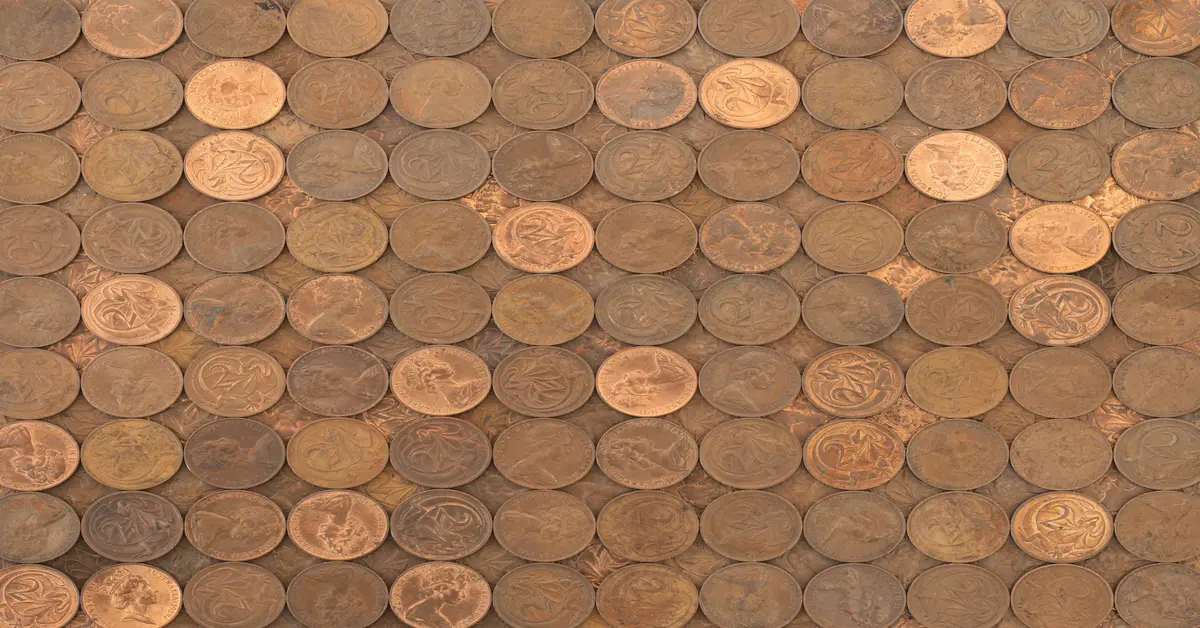
Creating a unique and eye-catching penny diy-flooring-installation-wood-guide/”>floor is a DIY project that captures attention, offering a blend of rustic charm and modern artistry. But before you dive headfirst into meticulously laying out thousands of copper coins, a crucial question arises: how much is a penny floor per square foot DIY? Understanding the true cost involved is paramount to budgeting effectively and ensuring your project is a success without breaking the bank. This detailed guide will break down all the financial aspects, from the pennies themselves to the essential epoxy resin, sealants, and tools required for a stunning, durable finish. We’ll explore the variables that influence the overall expenditure, helping you plan your DIY flooring masterpiece with confidence. Prepare to transform your space with a project that’s not only visually striking but also surprisingly achievable.
The allure of a penny floor lies in its affordability and the sheer individuality it brings to any room. Imagine a kitchen backsplash, a bathroom accent wall, or even an entire floor shimmering with the warmth of copper. While the concept seems simple – pennies glued down and covered with epoxy – the reality involves careful planning, material selection, and a commitment to detail. Many DIY enthusiasts are drawn to this project because it promises a high-impact aesthetic at a potentially low cost, especially when compared to professional flooring installations. However, without a clear understanding of all the components, perceived savings can quickly evaporate. We’ll delve into the specifics, helping you decipher the true investment required for your very own DIY penny floor, ensuring you know exactly what to expect when tackling this extraordinary home improvement.
The Penny Pile: Calculating Your Coin Count and Cost
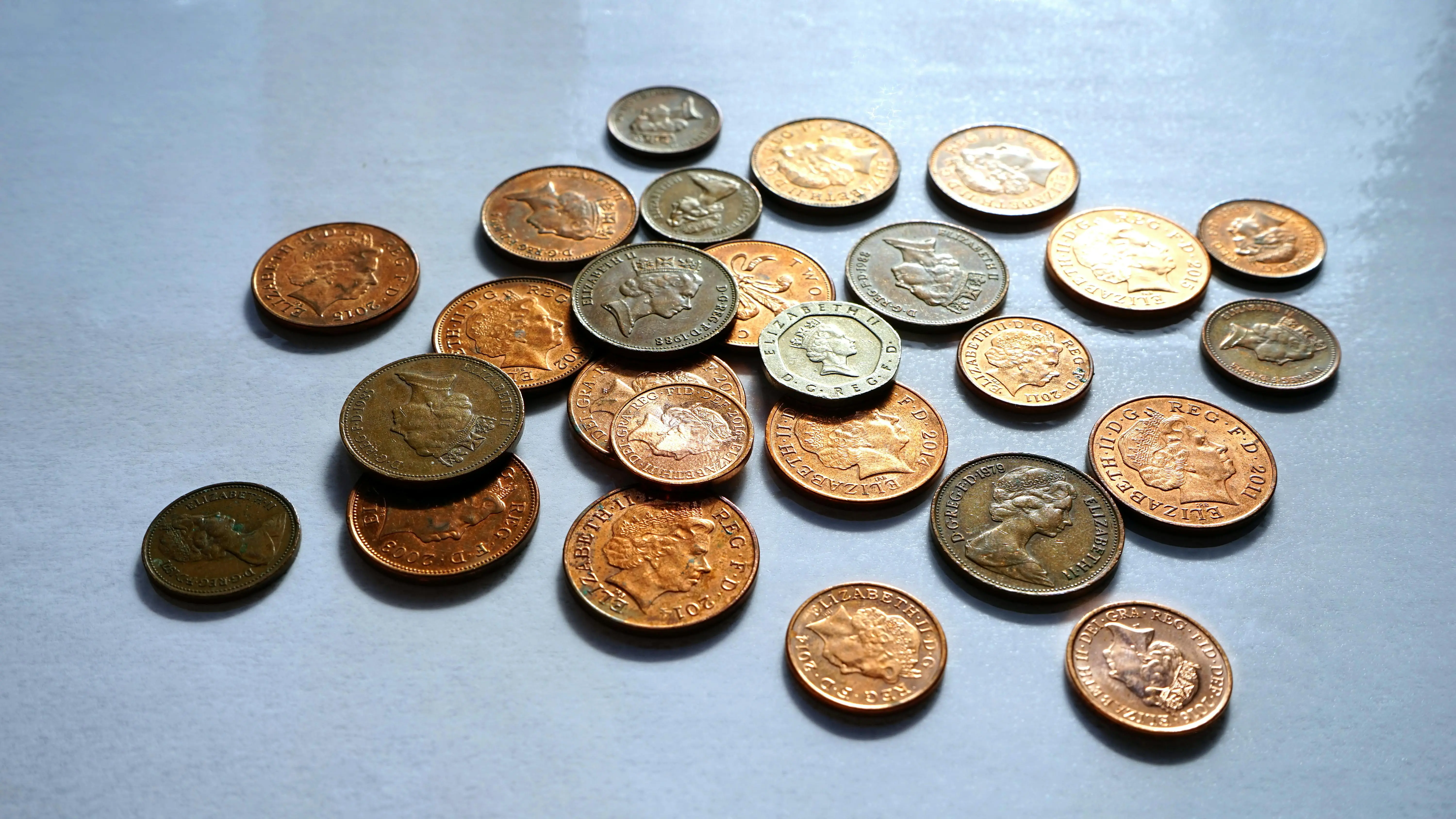
The foundation of your penny floor is, unsurprisingly, pennies. But exactly how many do you need, and what’s the real cost? The number of pennies required per square foot can vary slightly based on how tightly you lay them and whether you opt for a specific pattern. Generally, you’ll need approximately 250-300 pennies per square foot when laying them flat and side-by-side. If you decide to do a honeycomb pattern or slightly overlap them, this number can climb. For estimation purposes, let’s use an average of 250 pennies per square foot. Since each penny is worth one cent, the monetary cost of the pennies themselves is $2.50 per square foot. This initial cost is often the most straightforward to calculate, but remember that sourcing a large quantity of pennies might require a trip to your bank or a bit of accumulation over time. Some DIYers even prefer using older pennies for a more aged, varied aesthetic, which doesn’t typically cost more, but can involve more effort in collecting.
Beyond the raw count, consider the condition of your pennies. Do you want them shiny and new, or do you prefer the aged patina of older coins? Cleaning thousands of pennies can be a time-consuming task, involving vinegar, salt, and elbow grease. While this doesn’t add to the direct monetary cost, it adds significantly to the labor involved. Some prefer to mix old and new, or even pre-sort them by luster to create specific visual effects. The cost of the pennies themselves represents a relatively small portion of the overall budget, but it’s the most fundamental. Budgeting for roughly $2.50 to $3.00 per square foot just for the coins is a good starting point. Don’t forget that handling thousands of tiny objects will test your patience! The initial investment in the pennies themselves is minimal, but the time commitment to prepare them can be substantial. For a 100 square foot floor, you’d be looking at around 25,000 pennies, totaling $250. This gives you a tangible idea of the bulk of coins you’ll be working with, emphasizing that while cheap per unit, the sheer volume adds up.
Adhesive and Grout: Securing Your Pennies
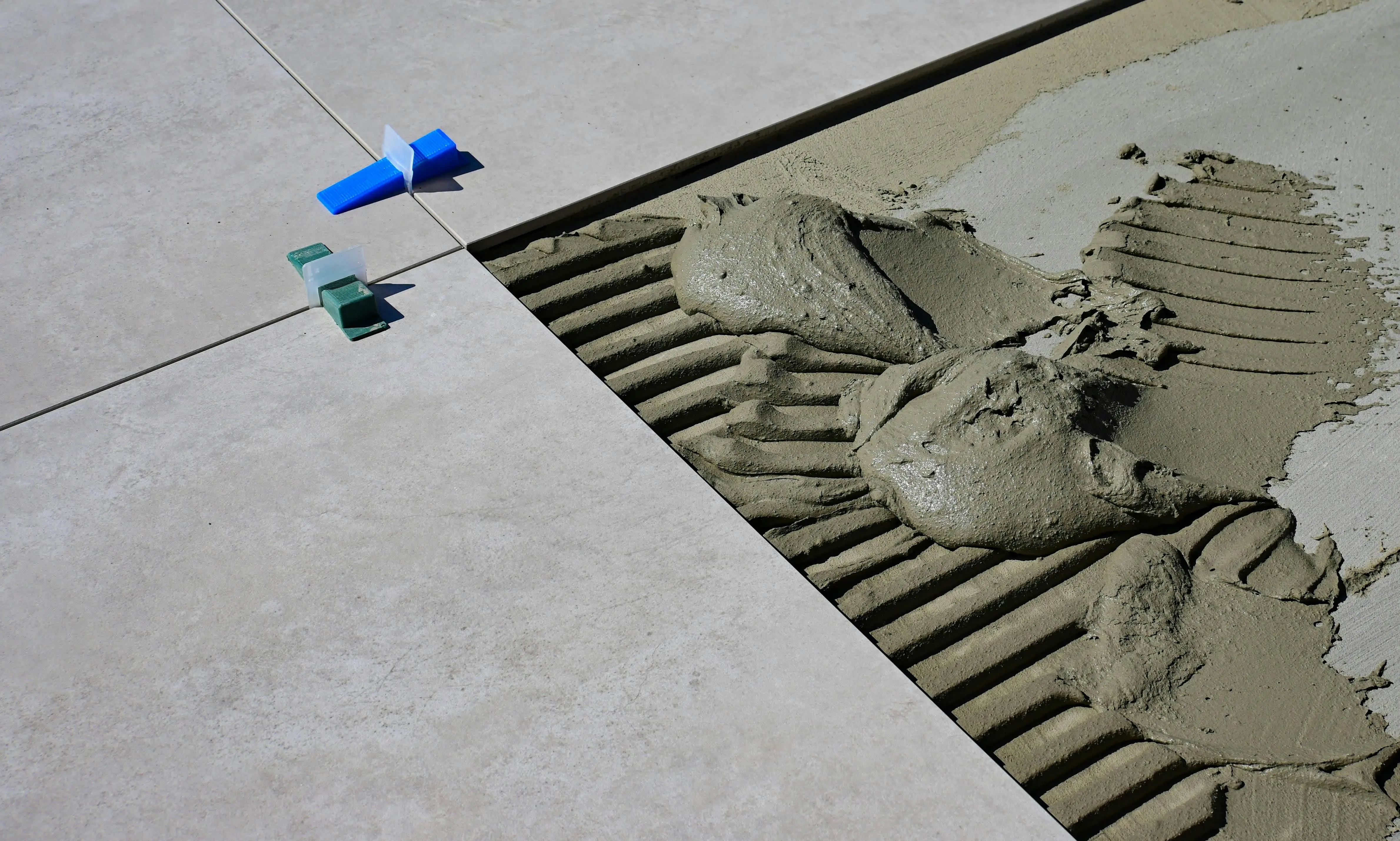
Once you have your pennies, the next critical step is securing them to your subfloor. This involves both an adhesive and, often, a grout or filler to create a stable, level surface before the epoxy resin for penny floor application. For adhesive, strong construction adhesive, silicone caulk, or specialized coin adhesive can be used. The cost for adhesive typically ranges from $15 to $30 per tube or small tub, and you’ll likely need several, depending on your square footage. A good estimate for adhesive costs is around $0.50 to $1.00 per square foot. The goal is to firmly attach each penny to prevent shifting or bubbling when the epoxy is poured.
Many DIYers also opt to use a fine-grit sanded grout or tile filler in between the pennies before applying the epoxy. While not strictly necessary if your epoxy is thick enough to fill all gaps, it can provide additional stability, prevent the epoxy from seeping too deeply between coins, and create a smoother sub-surface. Grout comes in various colors, but a neutral tone like grey or black is often preferred to enhance the copper hues. A bag of grout typically costs between $10 and $25 and can cover a significant area, bringing the cost per square foot down to a very negligible amount, perhaps $0.10 to $0.20. It’s an optional step but one that can greatly improve the final finish and longevity of your how much is a penny floor per square foot DIY project. The combined cost for securing the pennies, including adhesive and optional grout, could be estimated at around $0.60 to $1.20 per square foot. This segment of the cost is crucial for the foundational integrity of your floor, ensuring each penny remains perfectly in place for years to come.
The Epoxy Resin for Penny Floor: The Clear Superstar
The star of the penny floor show, beyond the coins themselves, is the epoxy resin for penny floor. This clear, durable coating not only protects your pennies but also creates that signature glassy, high-gloss finish. Epoxy resin costs can vary significantly based on brand, quality, and whether it’s a two-part or three-part system. For flooring applications, you’ll want a self-leveling, clear, and durable epoxy designed for high-traffic areas. Expect to pay anywhere from $60 to $150 per gallon kit. One gallon of epoxy typically covers around 10-20 square feet at a 1/8-inch thickness, which is a common thickness for penny floors to ensure full encapsulation and durability.
Therefore, the cost of epoxy resin for penny floor applications can range from $5 to $15 per square foot. This is often the most significant single expense in your how much is a penny floor per square foot DIY budget. It’s crucial not to skimp on quality here; a cheaper epoxy might yellow over time, scratch easily, or not provide the necessary protection, ultimately undermining all your hard work. Always choose a product specifically formulated for thick pours or flooring applications to ensure proper curing and a long-lasting, crystal-clear finish. Consider doing a small test pour in an inconspicuous area before committing to your entire floor. The investment in high-quality epoxy will pay dividends in the longevity and aesthetic appeal of your finished penny floor, making it a critical budgeting consideration.
Tools and Supplies: The Essentials for a Smooth DIY Process
Beyond the main materials, assembling a penny floor requires a range of tools and supplies that, while individually inexpensive, can add up. Here’s a breakdown of what you might need and their approximate per-square-foot cost contribution. You’ll need a good pair of gloves for handling pennies and epoxy, mixing buckets, stirring sticks, notched spreaders or squeegees for epoxy application, and possibly a heat gun or torch for removing air bubbles from the epoxy. A level is essential for ensuring your subfloor is perfectly flat, which is critical for a self-leveling epoxy. Kneepads will be your best friend when laying thousands of pennies, and a utility knife is handy for cutting adhesive tubes.
For cleaning your pennies, you might need vinegar, salt, and fine-bristle brushes. If you’re working in a large area, a small shop vac can be invaluable for cleaning the subfloor. A respirator mask is also highly recommended when working with epoxy, especially in enclosed spaces, to protect against fumes. Overall, the cost of these miscellaneous tools and supplies can average around $0.50 to $1.50 per square foot, depending on what you already own and the scope of your project. While some of these are one-time purchases for dedicated DIYers, factoring them into your budget ensures you aren’t surprised by unforeseen expenses, contributing to the overall understanding of how much is a penny floor per square foot DIY. Investing in suitable tools ensures a smoother, safer, and ultimately more professional outcome for your unique flooring endeavor.
Preparing Your Subfloor for a Flawless Finish
The success of your penny floor heavily relies on the preparation of your subfloor. This isn’t just about cleaning; it’s about creating a perfectly stable, level, and clean base for your pennies and epoxy. Any imperfections in the subfloor will be magnified once the glossy epoxy is poured. First, ensure your subfloor is structurally sound and free from moisture issues. Address any creaks, loose boards, or water damage before proceeding. Next, the subfloor must be thoroughly cleaned, vacuumed, and degreased. Any dust, debris, or oils can prevent adhesives from bonding properly and can cause issues with epoxy adhesion or clarity.
Levelling is perhaps the most crucial step. Use a self-leveling compound if your subfloor has significant dips or humps. These compounds cost around $30 to $50 per bag, and coverage varies, but you might budget an additional $0.50 to $1.50 per square foot for this step. Sanding any rough areas and filling cracks with patching compound are also essential. Finally, priming the subfloor with an appropriate primer for adhesion can enhance the bond of your adhesive and epoxy. Primer usually costs $20 to $40 per gallon, adding another $0.20 to $0.50 per square foot. While these preparatory steps add to the cost and time of your project, they are non-negotiable for a professional-looking and durable penny floor. Skimping on preparation almost always leads to costly issues down the line, so consider this an essential investment in your overall how much is a penny floor per square foot DIY project.
Totaling It Up: How Much is a Penny Floor Per Square Foot DIY?
Now, let’s combine all the estimated costs to answer the central question: how much is a penny floor per square foot DIY?
- Pennies: $2.50 – $3.00 per square foot (based on 250-300 pennies/sq ft)
- Adhesive & Grout: $0.60 – $1.20 per square foot
- Epoxy Resin for Penny Floor: $5.00 – $15.00 per square foot
- Tools & Supplies: $0.50 – $1.50 per square foot
- Subfloor Preparation (estimated, if needed): $0.70 – $2.00 per square foot
Adding these ranges together, a conservative estimate for a DIY penny floor would be approximately $9.30 on the lower end, up to about $22.70 per square foot on the higher end, if extensive subfloor prep is needed and premium epoxy is used. A realistic average for a quality, well-executed DIY penny floor often falls in the range of $12 to $18 per square foot. This makes it a surprisingly affordable option, especially when considering the unique visual impact and durability compared to many professionally installed flooring types. This cost is significantly lower than many high-end tile or hardwood installations, making DIY flooring with pennies an attractive option for budget-conscious homeowners seeking a distinctive aesthetic. Remember that these figures are estimates; actual costs will depend on specific material choices, local prices, and the condition of your existing subfloor. Always get quotes for materials and compare options before making your final purchase decisions to ensure you get the best value for your project.
FAQs: Your Penny Floor Project Questions Answered
How many pennies do I need for a square foot?
You typically need about 250-300 pennies per square foot when laying them flat and side-by-side. The exact number can vary based on your specific layout or if you choose to overlap them. It’s always a good idea to collect slightly more than your estimate to account for any damaged coins or layout adjustments.
What type of epoxy resin for penny floor is best?
For a penny floor, you should use a high-quality, self-leveling, clear epoxy resin designed for thick pours or flooring applications. Look for products that offer good UV resistance to prevent yellowing and are formulated for durability in high-traffic areas. Two-part epoxy systems are common and effective for this application.
Can I just glue pennies down without epoxy?
While you could technically glue pennies down, it is highly recommended to encapsulate them with epoxy resin. Without epoxy, the pennies would be prone to shifting, tarnishing, and collecting dirt in the gaps, making the floor difficult to clean and significantly less durable. The epoxy is crucial for protection and creating a smooth, long-lasting surface.
How long does a DIY penny floor project take?
The timeline for a DIY penny floor varies greatly depending on the size of the area, your experience level, and the complexity of your design. Collecting and cleaning pennies can take days or weeks. Laying pennies can be very time-consuming, often taking several hours per square foot. The epoxy application itself involves multiple steps (mixing, pouring, curing for each layer), which can add several days to a week for proper curing before the floor can be fully used. Break down the project into manageable stages to estimate your time more accurately.
Is a penny floor difficult to maintain?
Once properly installed with a high-quality epoxy finish, a penny floor is relatively easy to maintain. The epoxy creates a smooth, non-porous surface that is simple to sweep and mop with mild cleaners. Avoid abrasive cleaners or harsh chemicals that could dull or damage the epoxy. While durable, like any floor, it can scratch under extreme conditions, so consider using felt pads on furniture legs and avoiding dragging heavy objects across the surface.
Constructing a penny floor is a remarkable DIY flooring project that transforms an ordinary space into something extraordinary. By addressing the critical question of how much is a penny floor per square foot DIY, we’ve unveiled that with careful planning and smart material choices, this distinctive aesthetic is well within reach for many homeowners. From the surprisingly low cost of the pennies themselves to the significant investment in quality epoxy resin for penny floor surfaces and essential subfloor preparation, understanding each component of the budget is key. Ultimately, a unique and incredibly durable floor can be achieved for an average of $12 to $18 per square foot. This guide has provided a comprehensive breakdown, empowering you to embark on your penny floor journey with confidence, knowing the financial outlay and steps involved. The result is not just a floor, but a conversation piece, a testament to your creativity, and a truly one-of-a-kind addition to your home. Take the plunge and create your own shimmering copper masterpiece!