
When accidents happen, a blood stain can feel like a permanent scar on your favorite fabrics. Whether it’s a tiny prick from a crafting project, a scraped knee, or a kitchen mishap, knowing how to get blood out of fabric is an essential life skill. Blood stains, especially fresh ones, don’t have to be a death sentence for your clothes, upholstery, or carpets. With the right approach and a few common household items, you can effectively tackle these challenging spots and restore your fabrics to their pristine condition. The key lies in acting quickly and understanding the science behind stain removal. Blood contains proteins and hemoglobin, which can bond tightly to fabric fibers, making dried stains particularly stubborn. However, armed with the correct techniques, you can break down these bonds and lift the stain without damaging the material. This comprehensive guide will walk you through proven methods, from immediate responses to strategies for older, set-in stains, ensuring you have the knowledge to save your cherished textiles. Forget the frustration and despair that often accompanies a fresh blood stain; instead, embrace the confidence that comes with knowing exactly how to handle it. We’ll cover everything from the importance of cold water to specific stain removers, ensuring you’re well-equipped for any blood-stain emergency.
Understanding the different types of fabric and how they react to various cleaning agents is also crucial. Delicate materials like silk or wool require a gentler touch compared to durable cotton or synthetics. This guide will provide tailored advice, helping you choose the safest and most effective method for your particular item. So, before you consider tossing that stained shirt or covering that rug, delve into our expert advice on how to get blood out of fabric and discover how simple and effective stain removal can be.
Immediate Action: The First Steps to Remove Blood Stains
The golden rule for removing blood stains is speed. The sooner you address the stain, the higher your chances of complete removal. Dried blood is significantly harder to tackle because the proteins in the blood denature and bond more permanently with the fabric fibers. As soon as you notice a blood stain, resist the urge to panic. Instead, take a deep breath and follow these critical immediate steps. First and foremost, you must always use cold water. Hot water can cook the proteins in the blood, effectively setting the stain and making it much more difficult, if not impossible, to remove. Think of it like scrambling an egg – once the proteins are heated, they change structure irrevocably. Cold water, on the other hand, helps to keep the proteins from bonding to the fabric and encourages the blood to dissolve and flush out.
Begin by rinsing the stained area under cold running water from the back of the fabric. This helps to push the blood out of the fibers rather than forcing it further in. Continue rinsing until no more blood is washing away. Avoid rubbing the stain vigorously at this stage, as this can spread the blood and further embed it into the fabric. After rinsing, gently blot the remaining stain with a clean cloth or paper towel. Again, blot, don’t rub. Rubbing can abrade the fabric and spread the stain. If the stain is fresh, sometimes this initial cold water rinse and blot is all you need, especially for small, superficial marks. For more persistent fresh stains, or when rinsing isn’t quite enough, you’ll need to move to the next step, which involves introducing a cleaning agent. Remember, the goal here is to remove as much of the visible blood as possible before it has a chance to set.
Why Cold Water is Your Best Friend When Dealing with Blood
Understanding the chemistry behind why cold water is so effective is key to successful stain removal. Blood primarily consists of red blood cells, which contain hemoglobin, and plasma, which contains various proteins. When exposed to heat, these proteins coagulate, much like an egg white cooking. This coagulation causes the proteins to bind tightly to the fabric fibers, creating a strong, almost unbreakable bond. Once this bond is formed, the stain becomes permanent. Cold water, however, does not cause this coagulation. Instead, it helps to loosen the blood from the fibers and allows it to dissolve, making it easier to rinse away. It’s a simple yet incredibly powerful principle that forms the foundation of all blood stain removal techniques. Ignoring this step and using hot water is the most common mistake people make, often leading to irreversible damage to their clothes or textiles.
Effective Household Remedies for Fresh Blood Stains
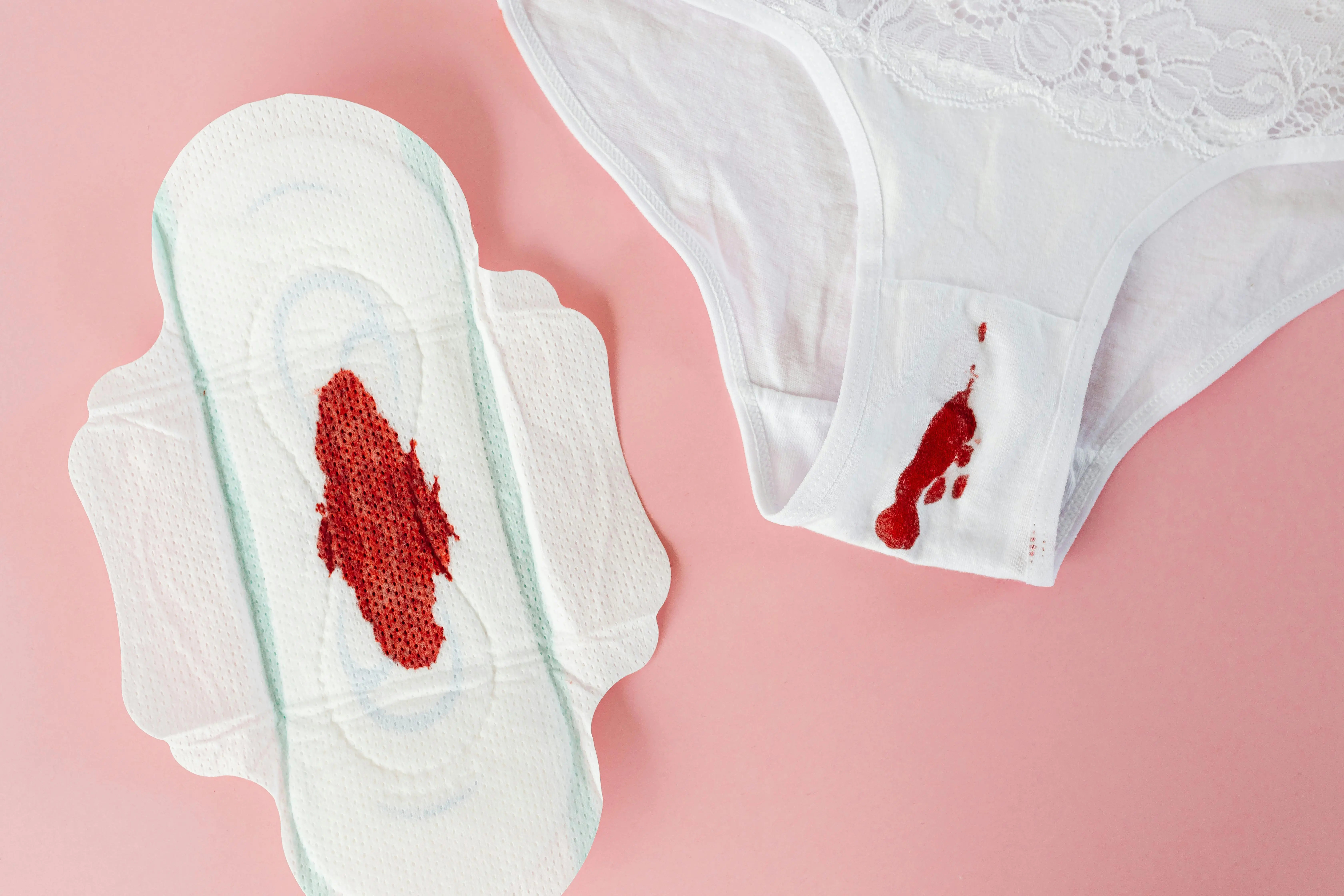
Once you’ve tackled the immediate rinse, it’s time to bring in the household heroes. Several common products found in most homes are surprisingly effective at lifting fresh blood stains. These methods work by breaking down the proteins or providing an abrasive action to lift the stain without harsh chemicals. One of the most popular and effective solutions is an enzymatic cleaner. Many laundry detergents contain enzymes designed to break down protein-based stains like blood, grass, and food. Apply a small amount of liquid laundry detergent directly to the stain, gently rub it in, and let it sit for 5-10 minutes before rinsing thoroughly with cold water. For more delicate fabrics, choose a detergent formulated for delicates.
Another excellent option for fresh blood is hydrogen peroxide. This common antiseptic is a powerful oxidizing agent that can effectively break down blood proteins. However, it’s crucial to exercise caution when using hydrogen peroxide, especially on colored or delicate fabrics, as it can cause bleaching or damage. Always test it on an inconspicuous area first. If safe, apply a small amount of 3% hydrogen peroxide directly onto the stain, let it fizz for a few minutes, then blot it away with a clean cloth. Repeat if necessary, then rinse thoroughly with cold water. Baking soda, known for its deodorizing and mild abrasive properties, can also be used. Make a paste with baking soda and a little cold water, apply it to the stain, let it dry completely, and then brush it off and rinse. Both hydrogen peroxide and baking soda are great for how to get blood out of fabric when it’s still wet or damp, preventing it from setting in.
Salt and Dish Soap: A Powerful Combination
For blood stains on more robust fabrics like cotton or denim, a paste made from salt and liquid dish soap can work wonders. Salt acts as an abrasive and also helps to draw out the moisture and blood from the fabric, while the dish soap breaks down oils and lifts the stain. Mix a tablespoon of salt with a few drops of dish soap and a little cold water to form a thick paste. Apply this paste directly to the blood stain, ensuring it covers the entire affected area. Gently rub the paste into the fabric using a soft brush or your fingers. Allow the paste to sit for 10-15 minutes, giving it time to work its magic. After the waiting period, rinse the area thoroughly with cold water, repeatedly flushing out the loosened blood and paste. You might need to repeat this process a couple of times for stubborn stains. This method is particularly effective for fresh spills where the blood hasn’t yet had a chance to fully dry and set into the fibers. The combination of drawing power, scrubbing action, and detergent properties makes this a very reliable DIY solution.
Tackling Dried and Set-In Blood Stains
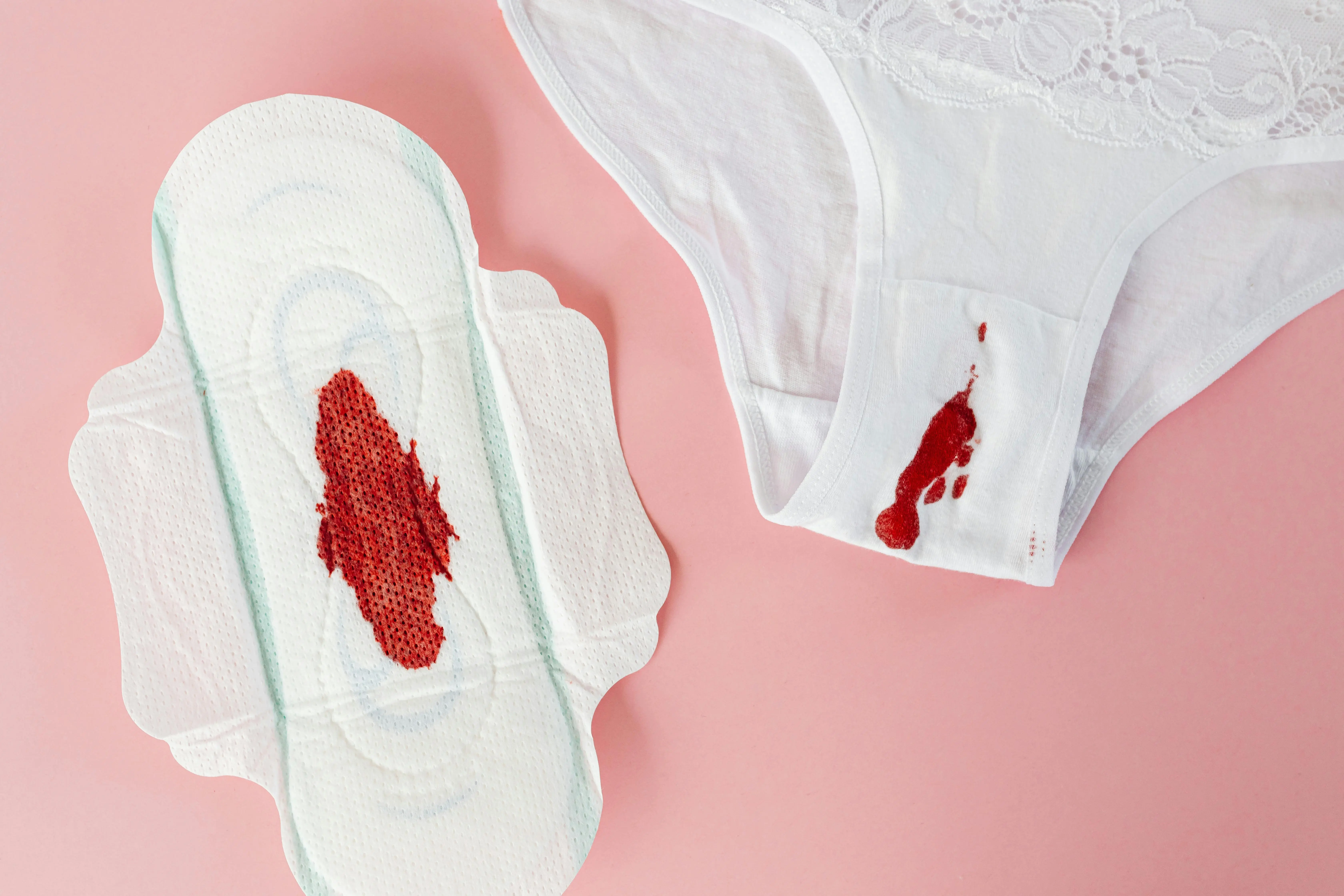
While fresh blood stains are easier to remove, don’t despair if you’re dealing with a dried or set-in stain. It requires a bit more patience and typically a stronger approach, but it’s often still possible to achieve good results. The trick here is to rehydrate the blood and break down the strong bond it has formed with the fabric fibers. Start by soaking the stained item in cold water for several hours, or even overnight, if the stain is particularly old. This rehydration process helps to loosen the dried blood, making it more responsive to treatment. After soaking, gently blot the stain with a clean towel to remove excess water.
For dried stains, enzymatic cleaners are often your best ally. These detergents contain enzymes specifically designed to break down protein molecules, which is exactly what blood is. Apply a concentrated enzymatic laundry pre-treater directly to the rehydrated stain. Allow it to sit for the recommended time on the product label (usually 15-30 minutes, but check instructions), or even longer for very tough stains. Gently work the product into the stain with your fingers or a soft brush. After the product has had time to work, wash the item in cold water with an enzymatic laundry detergent. Always air dry the item afterwards; putting it in a hot dryer can permanently set any remaining traces of the stain. Repeat the process if necessary before resorting to more aggressive methods. Understanding how to get blood out of fabric when it’s dried requires this multi-step approach.
Ammonia and Meat Tenderizer for Stubborn Stains
For extremely stubborn, dried blood stains on non-delicate fabrics (always test first!), you might consider using ammonia or even unseasoned meat tenderizer. Ammonia is an alkaline solution that can help break down proteins. Dilute a tablespoon of clear ammonia in a cup of cold water and dab it onto the stain with a clean cloth. Let it sit for a few minutes, then rinse thoroughly with cold water. Be cautious: never mix ammonia with bleach, as this creates dangerous toxic fumes. For fabric that can handle it, unseasoned meat tenderizer contains enzymes (often papain or bromelain) that are excellent at breaking down proteins. Make a paste with unseasoned meat tenderizer and a little cold water, apply it to the moistened stain, let it sit for about 30 minutes, then rinse thoroughly with cold water. Always wash the item as usual afterwards. These methods are generally reserved for very tough cases and robust fabrics.
Special Considerations for Different Fabrics
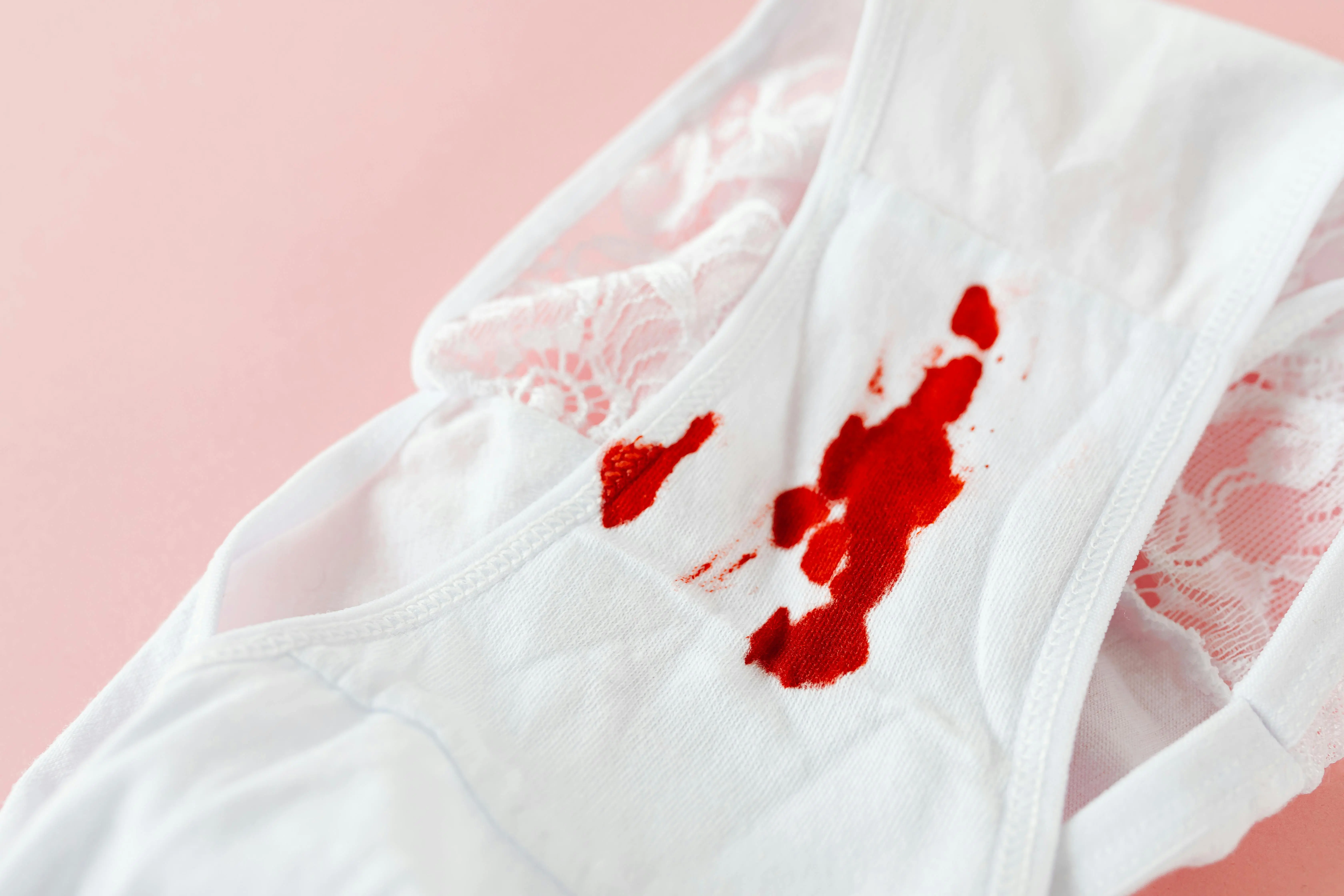
Not all fabrics are created equal, and what works wonders on a sturdy cotton shirt might damage a delicate silk blouse or wool sweater. Understanding the material you’re working with is crucial when learning how to get blood out of fabric. For delicate materials like silk, wool, and rayon, harsh chemicals or vigorous scrubbing are a definite no-go. With silk and wool, proteins are present in the fibers themselves, meaning strong enzymatic cleaners designed to break down proteins can also damage the fabric. For these materials, opt for the gentlest approach first: cold water rinsing and blotting. If a stain persists, a mild solution of dish soap and cold water, applied very gently, is usually the safest bet. Always test on an inconspicuous area first.
Upholstery and carpets present their own set of challenges because they cannot be easily submerged in water. For these items, immediate action is even more critical. Blot the fresh blood stain with a clean, damp cloth and cold water, working from the outside of the stain inwards to prevent spreading. Then, apply a small amount of a diluted enzymatic cleaner or even a mixture of cold water and dish soap to a clean cloth and blot the stain. Do not oversaturate the fabric. Rinse by blotting with another clean, cold-water-dampened cloth. Vacuum cleaners with upholstery attachments can sometimes help extract excess moisture. For suede or leather, blood stain removal can be particularly tricky and might require professional cleaning. However, for a fresh stain on leather, a damp cloth with cold water and a tiny bit of saddle soap can sometimes work if blotted very gently.
Testing Stain Removers and Aftercare
Regardless of the method you choose, always perform a patch test on an inconspicuous area of the fabric first. This is especially important for colored garments, delicate materials, or when using products like hydrogen peroxide or ammonia that could cause bleaching or damage. Apply a small amount of the cleaner to an unseen seam or hem, let it sit for a few minutes, and then check for any discoloration or adverse reactions. If all looks good, proceed with the treatment. After successfully removing a blood stain, always wash the item according to its care label instructions. Ensure the stain is completely gone before tumble drying, as heat will set any remaining traces. If the stain persists after one treatment, repeat the process. Patience and persistence are often key to removing stubborn blood stains.
Preventative Measures and Laundry Best Practices
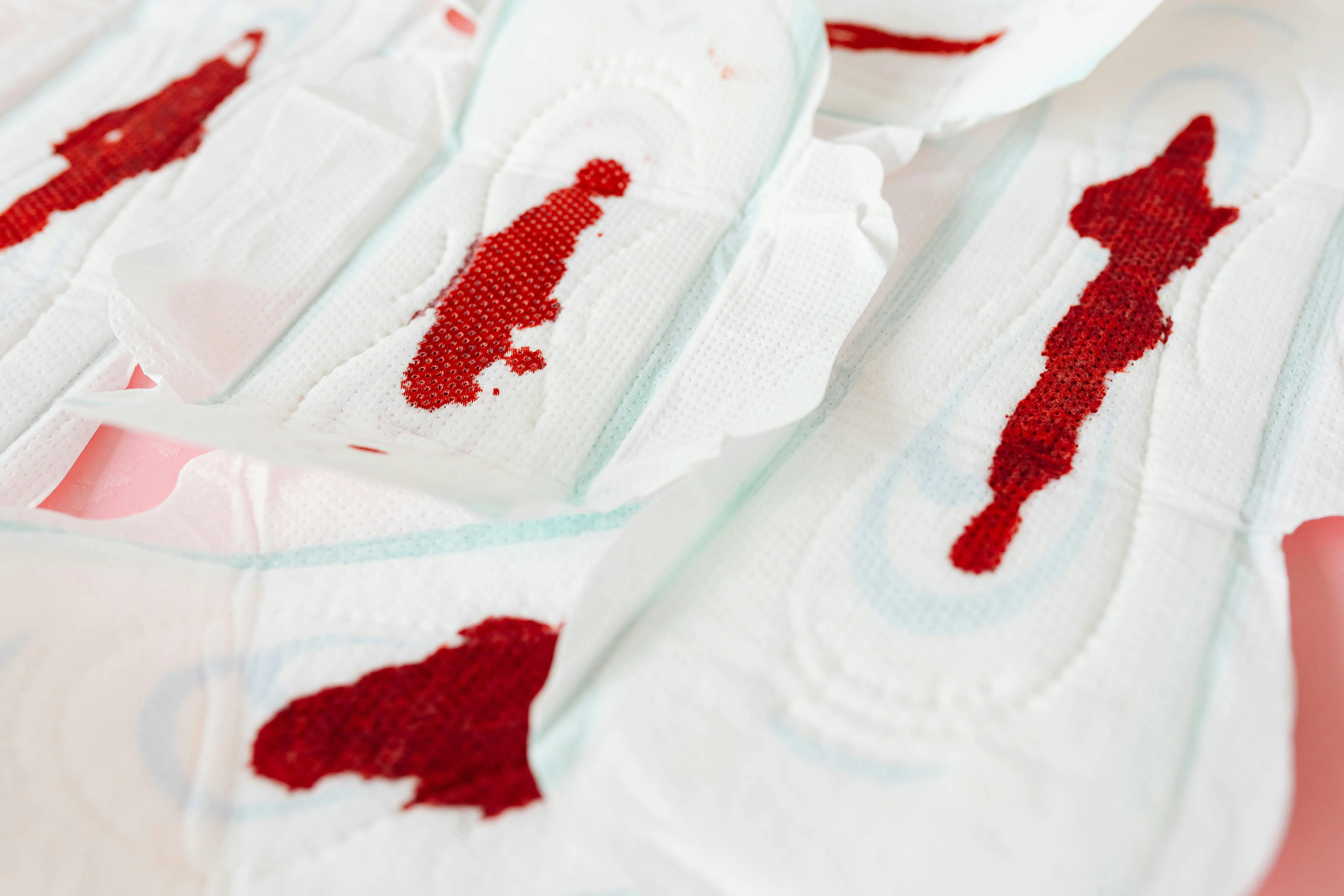
While knowing how to get blood out of fabric is a valuable skill, sometimes prevention is the best medicine. While accidents inevitably happen, there are ways to minimize the risk of severe blood stains and best practices in your laundry routine that can help you deal with spills more effectively. For instance, in environments where blood stains are frequent, like in healthcare or certain hobbies, consider wearing protective clothing or aprons. When dealing with minor cuts or scrapes, cover them properly with bandages to prevent blood from transferring to your clothing or upholstery. Having a small stain removal kit handy – perhaps a bottle of hydrogen peroxide, some salt, and a clean cloth – can make all the difference in tackling a blood stain immediately, which as we’ve discussed, is the most crucial step.
Beyond immediate stain treatment, adopting good laundry habits can also save you a lot of grief. Always check garments for stains before tossing them into the laundry hamper, especially before washing with other clothes in hot water. A quick inspection can prevent a small, treatable blood stain from becoming a set-in, permanent one after a hot wash and dry cycle. Separate your laundry by color and fabric type, not just to prevent color bleeding but also to ensure proper washing temperatures. Washing items in cold water whenever possible is a good general practice for stain prevention and energy saving, and it specifically helps in case there’s an unnoticed blood stain. If you have children or are prone to minor injuries, keeping a spray bottle of cold water mixed with a little dish soap can be a quick and effective pre-treatment for fresh blood stains.
When to Call a Professional
Sometimes, despite your best efforts, a blood stain proves too challenging to remove, or the fabric is simply too delicate for DIY attempts. In such cases, knowing when to call in the professionals is important. For expensive garments, historical textiles, delicate upholstery, or large, intricate carpets, a professional cleaner might have access to specialized enzymes, solvents, and cleaning techniques that are safer and more effective than anything you can do at home. They also have the expertise to assess the fabric type and determine the least damaging approach. Don’t risk permanent damage to a valuable item by trying an overly aggressive home remedy. If you’ve tried the gentlest methods discussed here and the stain remains, or if you’re unsure about the fabric, contact a reputable dry cleaner or textile restoration expert. They can often work miracles even on what appears to be a hopeless stain.
FAQ: Frequently Asked Questions About Blood Stains
What is the absolute best way to get blood out of fabric?
The absolute best way to get blood out of fabric, especially fresh blood, is to act immediately by rinsing the stain under cold running water from the back of the fabric, then applying an enzymatic laundry detergent or hydrogen peroxide (testing first) before washing in cold water. Speed and cold water are paramount.
Does hydrogen peroxide really get blood out of clothes?
Yes, hydrogen peroxide can be very effective at getting blood out of clothes, particularly for fresh stains. It acts as an oxidizing agent that breaks down blood proteins. However, always test it on an inconspicuous area first, as it can bleach or damage certain fabrics, especially colored or delicate ones.
Can vinegar remove dried blood stains?
Vinegar can help loosen dried blood stains to some extent due to its acidic nature. You can soak the stained area in undiluted white vinegar for 15-30 minutes, then scrub gently and rinse with cold water. While not as powerful as enzymatic cleaners, it can be a decent option for rehydrating and treating older stains.
Is hot water good for blood stains?
No, hot water is detrimental for blood stains. Heat causes the proteins in blood to coagulate and bond permanently with fabric fibers, effectively setting the stain and making it much harder, if not impossible, to remove. Always use cold water for rinsing and washing blood-stained items.
How do you get old, set-in blood out of fabric?
To get old, set-in blood out of fabric, start by rehydrating the stain by soaking it in cold water for several hours or overnight. Then, apply a concentrated enzymatic laundry pre-treater or a paste of unseasoned meat tenderizer to break down the dried proteins. Follow with a cold water wash and air dry.
Conclusion: Conquer Blood Stains with Confidence
Dealing with blood stains can feel daunting, but armed with the right knowledge and techniques, you can approach these mishaps with confidence. The golden rule, which cannot be stressed enough, is to act swiftly and always use cold water. By understanding the principles behind protein denaturation and leveraging common household products or specialized enzymatic cleaners, you significantly increase your chances of successful stain removal. From quick rinses and gentle blotting for fresh spills to more persistent methods involving soaking and targeted treatments for dried stains, there’s a solution for most scenarios. Remember the importance of testing any cleaning agent on an inconspicuous area first, especially when dealing with delicate fabrics or robust chemicals like hydrogen peroxide or ammonia.
Knowing how to get blood out of fabric isn’t just about saving a piece of clothing; it’s about eliminating frustration and extending the life of your cherished items. Whether it’s a child’s favorite shirt, a beloved piece of upholstery, or an everyday textile, the methods outlined in this guide provide a clear path to effective stain removal. Don’t let a blood stain become a permanent reminder of an accident. Instead, empower yourself with these practical tips and bring your fabrics back to life. With a little patience and the right approach, you can conquer even the most stubborn blood stains. Keep these tips handy for when accidents strike, and you’ll be well-prepared to tackle any blood-related laundry emergency. Discover the effectiveness of these methods and reclaim your fabrics today!