
Silk, with its luxurious feel and elegant drape, is a fabric cherished by many. From delicate blouses to sophisticated bedding, its natural sheen and incredible softness make it a premium choice. However, this exquisite material often comes with a perception of being high-maintenance, leading many to shy away from caring for it at home. The truth is, learning how to wash silk properly can extend the life of your garments, maintain their luster, and save you considerable dry-cleaning costs. This comprehensive guide will demystify the process, providing you with expert tips and step-by-step instructions to keep your silk items looking pristine, all from the comfort of your home laundry room. We’ll cover everything from preparation to drying, ensuring your precious silk pieces receive the gentle care they deserve.
Understanding the unique properties of silk is the first step to successful home care. Silk fibers are made from natural protein, similar to human hair, which means harsh chemicals, high heat, and abrasive washing can damage their delicate structure, leading to shrinkage, dullness, or even tears. By employing the right techniques and products, you can preserve the integrity of this beautiful fabric. Our aim is to empower you with the knowledge and confidence to tackle washing your silk items, transforming what might seem like a daunting task into a simple, rewarding routine. Get ready to embrace the enduring beauty of your silk collection.
Understanding Silk: Why Special Care is Essential
Silk is a natural protein fiber produced by silkworms, primarily Bombyx mori. Its unique molecular structure gives it incredible strength, natural sheen, and a wonderfully soft texture. These protein fibers are delicate and can be easily damaged by common laundry practices designed for synthetic materials or cotton. For instance, high temperatures can cause the fibers to shrink and lose their natural luster. Strong detergents, especially those containing enzymes or bleach, can break down the protein structure, leading to discoloration, weakening, and a rough texture.
The natural oils and sericin (a gummy protein that coats silk fibers) contribute to silk’s unique properties, including its hypoallergenic qualities and smooth feel. Harsh washing can strip these essential components, leaving the silk brittle and dull. Moreover, agitating silk too vigorously can cause snagging or stretching, permanently altering the garment’s shape. This is why understanding the ‘why’ behind special care is crucial before diving into ‘how to wash silk’. Recognizing the vulnerability of this luxurious fabric will help you appreciate the importance of gentle handling, appropriate water temperatures, and mild cleansers. By respecting these fundamental characteristics, you can ensure your silk items retain their beauty and longevity for years to come, avoiding common pitfalls that lead to irreparable damage.
The Science Behind Silk’s Delicacy
At a microscopic level, silk fibers are incredibly fine and smooth. Their protein composition, primarily fibroin, is known for its strength but is susceptible to denaturation (damage) when exposed to extreme conditions. Heat can cause the protein chains to unravel and contract, resulting in shrinkage. Alkaline environments, common in many conventional detergents, can also degrade the protein, weakening the fabric. This is why pH-neutral, gentle detergents are recommended, as they clean without stripping away the natural protective layers of the silk. Additionally, silk’s delicate weave means it’s prone to snags and pulls if not handled with care. The goal when learning how to wash silk is to clean the fabric without disturbing its intrinsic structure, ensuring it remains soft, strong, and lustrous.
Gathering Your Supplies for a Perfect Silk Wash
Before you begin the process of understanding how to wash silk, it’s essential to gather the correct supplies. Having everything at hand will make the washing process smooth, efficient, and stress-free, ensuring the best outcome for your delicate items. Starting without the right tools can lead to suboptimal results or even damage your precious silk. The key is to use gentle, appropriate products that are specifically formulated for delicate fabrics like silk, or those that are known to be safe and mild.
First and foremost, you will need a gentle, pH-neutral detergent. Look for detergents specifically labeled for delicates, wool, or silk. Alternatively, baby shampoo or a mild, uncolored liquid soap can be excellent substitutes. Avoid any detergents containing harsh chemicals, enzymes (proteases, amylases, lipases), bleach, or brighteners, as these can severely damage silk fibers. Next, you’ll need a clean basin, bathtub, or a dedicated laundry tub for hand washing. Ensure it’s free of any residue from previous washes or cleaning agents. If using a washing machine, a mesh laundry bag is indispensable to protect your silk from snagging and stretching during the cycle. Finally, clean, soft towels are crucial for gently removing excess water after washing, and a padded hanger or a drying rack will be needed for air drying. Preparing these items beforehand sets the stage for a successful and safe silk washing experience.
Essential Detergents and Tools
When selecting your detergent, pay close attention to the ingredients. Enzyme-based detergents are a big no-no for silk, as enzymes are designed to break down protein stains, and silk itself is a protein. This means they will effectively ‘eat away’ at your silk fabric over time. Opt for a mild, liquid detergent that is biodegradable and free from dyes and perfumes if possible. Brands like Tenestar, The Laundress Delicate Wash, or even a simple baby shampoo are often recommended by experts. For hand washing, a large, clean bowl or a sink stopper will be necessary. If you’re machine washing, a high-quality mesh bag with a zipper closure will act as a protective barrier, preventing tangles and snags with other items in the load. Remember, the goal is to be as gentle as possible to preserve the integrity and beauty of your silk garments.

The Hand Washing Method: The Gentle Touch for Silk
When it comes to learning how to wash silk, hand washing is universally considered the safest and most recommended method. It provides the ultimate control, allowing you to be incredibly gentle with your delicate items and minimize any risk of damage. This method is particularly suitable for intricate silk garments, heavily embellished pieces, or items with sensitive dyes. While it requires a bit more time and attention than machine washing, the investment is well worth it to preserve the pristine condition and longevity of your beloved silk treasures.
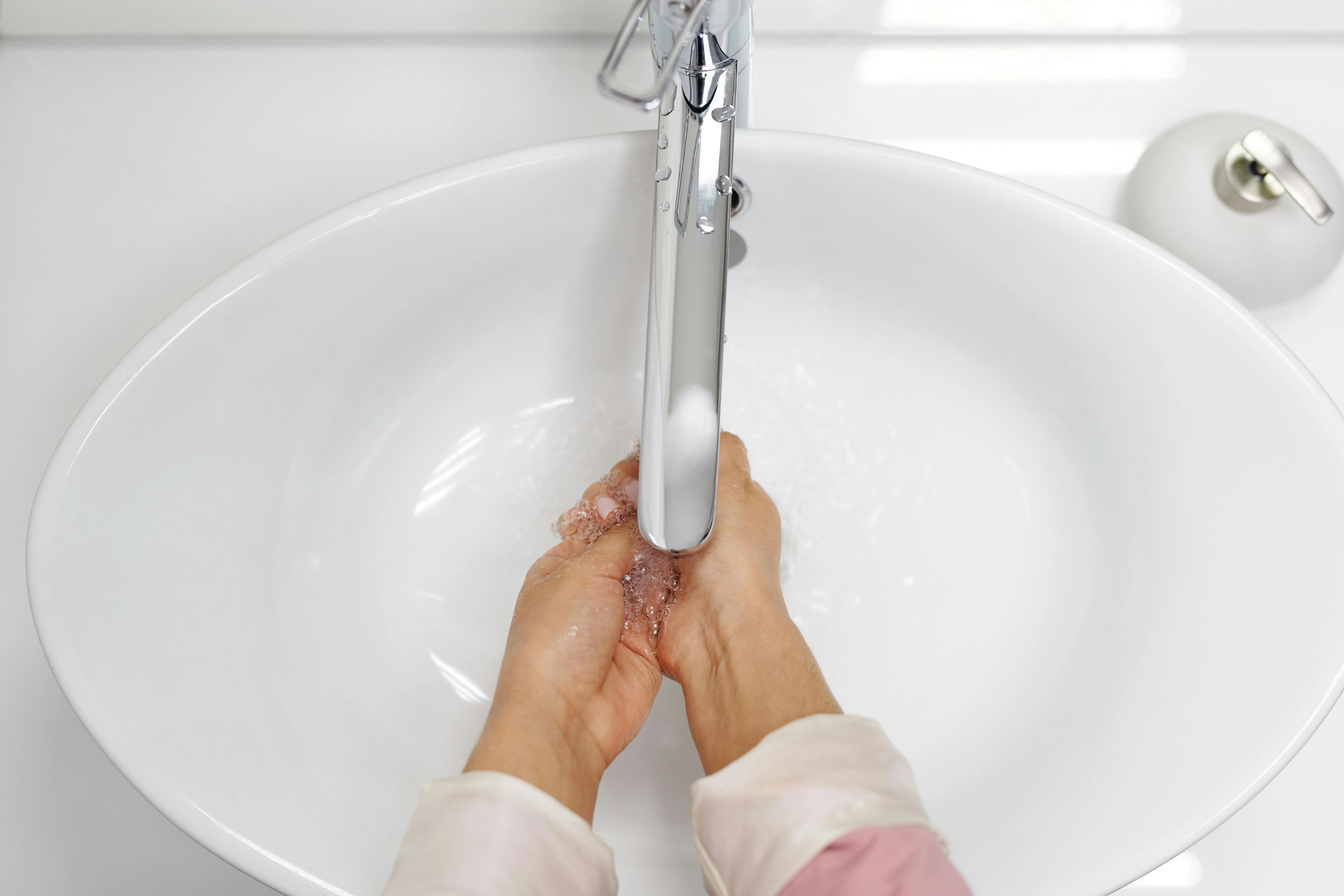
Begin by filling a clean basin or sink with cool or lukewarm water. The water temperature should not exceed 30°C (86°F), as hot water can cause silk to shrink and dull. Add a tiny amount, typically a teaspoon or less, of your chosen gentle detergent (as discussed in the previous section) to the water and swirl it around to create a mild, sudsy solution. Do not add detergent directly to the silk item. Once the detergent is evenly dispersed, submerge your silk garment completely into the water. Gently agitate the water with your hands, allowing the silk to move freely. Avoid vigorous scrubbing, twisting, or wringing, which can stretch or damage the fibers. Let the item soak for no more than 3-5 minutes, allowing the detergent to work its magic without prolonged exposure. For any specific stains, gently dab them with your fingers or a soft cloth; never rub aggressively. After soaking, lift the garment carefully from the soapy water, supporting its weight, and drain the basin. Refill the basin with clean, cool water and rinse the silk thoroughly, gently pressing out the soapy water. Repeat this rinsing process until all detergent residue is gone and the water runs clear. This careful hand washing ensures your silk remains soft, lustrous, and beautifully intact.
Step-by-Step Hand Washing Instructions
- Prepare Your Wash Basin: Ensure your basin or sink is spotlessly clean. Fill it with cool to lukewarm water (max 30°C/86°F).
- Add Detergent: Dispense a small amount (e.g., 1 teaspoon) of pH-neutral silk-friendly detergent into the water. Swirl gently to dissolve and create a light lather.
- Submerge Silk: Carefully place your silk garment into the soapy water, ensuring it is fully submerged. Do not overcrowd the basin.
- Gentle Agitation: Swirl the garment gently for 3-5 minutes. Avoid rubbing, twisting, or scrubbing. For spot cleaning, lightly dab the area.
- Rinse Thoroughly: Remove the garment, drain the soapy water, and refill the basin with clean, cool water. Gently press water through the fabric until all soap is rinsed out and the water runs clear.
- Final Squeeze: Gently press out excess water, do not wring.
Machine Washing Silk: When and How to Safely Do It
While hand washing is the gold standard for precious silk items, modern washing machines offer a delicate cycle that can be suitable for certain silk garments, particularly those that are not heavily embroidered or exceptionally fragile. Knowing how to wash silk in a machine safely can be a time-saver, but it requires careful attention to settings and preparation. It’s crucial to remember that not all silk items are suitable for machine washing; always check the care label on your garment first. If the label explicitly states ‘dry clean only,’ it’s best to follow that advice, especially for structured pieces or those with delicate embellishments.

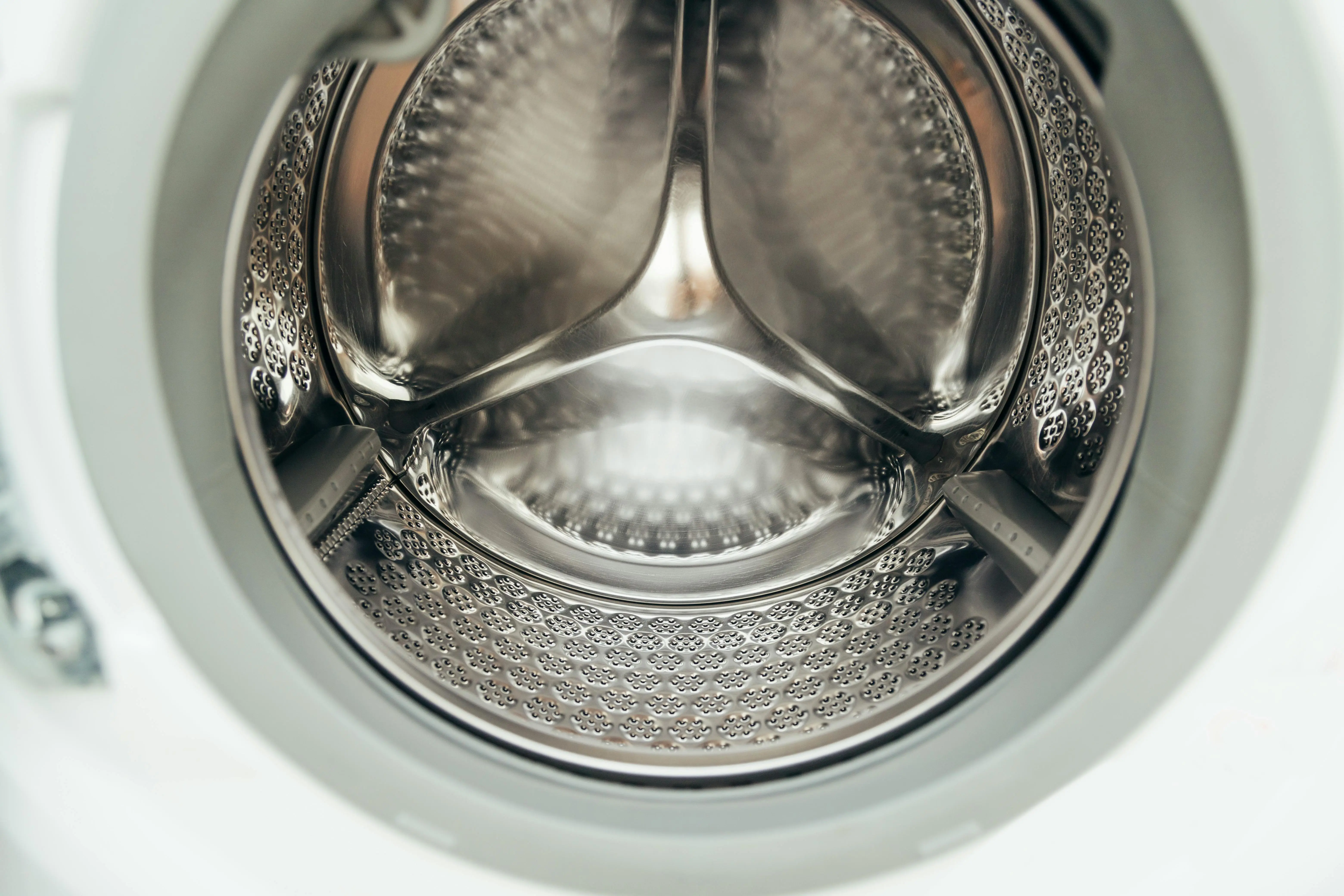
If your silk item’s care label permits machine washing, preparation is key. First, turn the garment inside out. This protects the outer surface from friction and helps preserve its color and finish. Place the silk item, either alone or with other similar delicate items (never mix with heavy items like jeans or towels), into a mesh laundry bag. This bag acts as a protective cocoon, preventing snags, stretching, and tangles during the wash cycle. Select the ‘delicate’ or ‘hand wash’ cycle on your washing machine. These cycles typically use cold water, minimal agitation, and a slow spin speed, which are essential for silk. Use a minimal amount of a gentle, pH-neutral detergent, the same type you would use for hand washing. Avoid overloading the machine, as this can lead to insufficient rinsing and excessive friction. Once the cycle is complete, promptly remove the silk from the machine to prevent prolonged dampness, which can cause mildew or creasing. By adhering to these guidelines, you can safely wash appropriate silk items in your machine without compromising their luxurious quality.
Machine Washing Best Practices
To ensure a safe machine wash, always use cold water settings. Hot water can cause irreversible shrinkage and damage the delicate protein fibers. A slow spin speed is also critical; high spin speeds can put undue stress on the fabric and lead to stretching or distortion. Avoid using fabric softeners, as these can leave a residue on silk and affect its natural sheen and breathability. If you need to remove wrinkles, mild steaming after drying is a better option. Remember, machine washing should always be a last resort or for more robust silk items, such as silk pillowcases or simple slips. When in doubt, hand washing is always the safest bet for maintaining the integrity and exquisite beauty of your silk garments.
Drying and Finishing: Preserving Silk’s Luster
The drying process is just as crucial as washing when learning how to wash silk. Improper drying can lead to shrinkage, wrinkles, or a loss of the fabric’s characteristic softness and sheen. Just as with washing, the key is gentleness and avoiding harsh conditions. Never put silk in a tumble dryer, even on a low heat or air-dry setting. The high heat of a dryer, even ‘low’ heat, can damage silk proteins, causing irreversible shrinkage, dullness, and weakening of the fibers. The friction within the dryer can also create snags and contribute to a rougher texture.
Instead, after gently pressing out excess water from your hand-washed or machine-washed silk item, lay it flat on a clean, dry towel. Roll the towel and the silk garment together, applying gentle pressure to absorb more moisture. Do not twist or wring the towel vigorously, as this can still stretch the silk. Once the majority of the water has been absorbed, unroll the towel and reshape the silk item to its original form. For garments like blouses or dresses, you can hang them on a padded hanger, ensuring there are no sharp edges that could snag the fabric. For items that might stretch easily, such as knit silkwear, or for delicate items like silk pillowcases, it’s best to lay them flat on a clean, dry surface or a mesh drying rack. Ensure the silk is not exposed to direct sunlight or direct heat from radiators, as this can cause fading or damage the fibers. Allow the silk to air dry completely in a well-ventilated area. Once dry, your silk item should retain its beautiful drape, softness, and lustrous finish.
Ironing and storage Tips
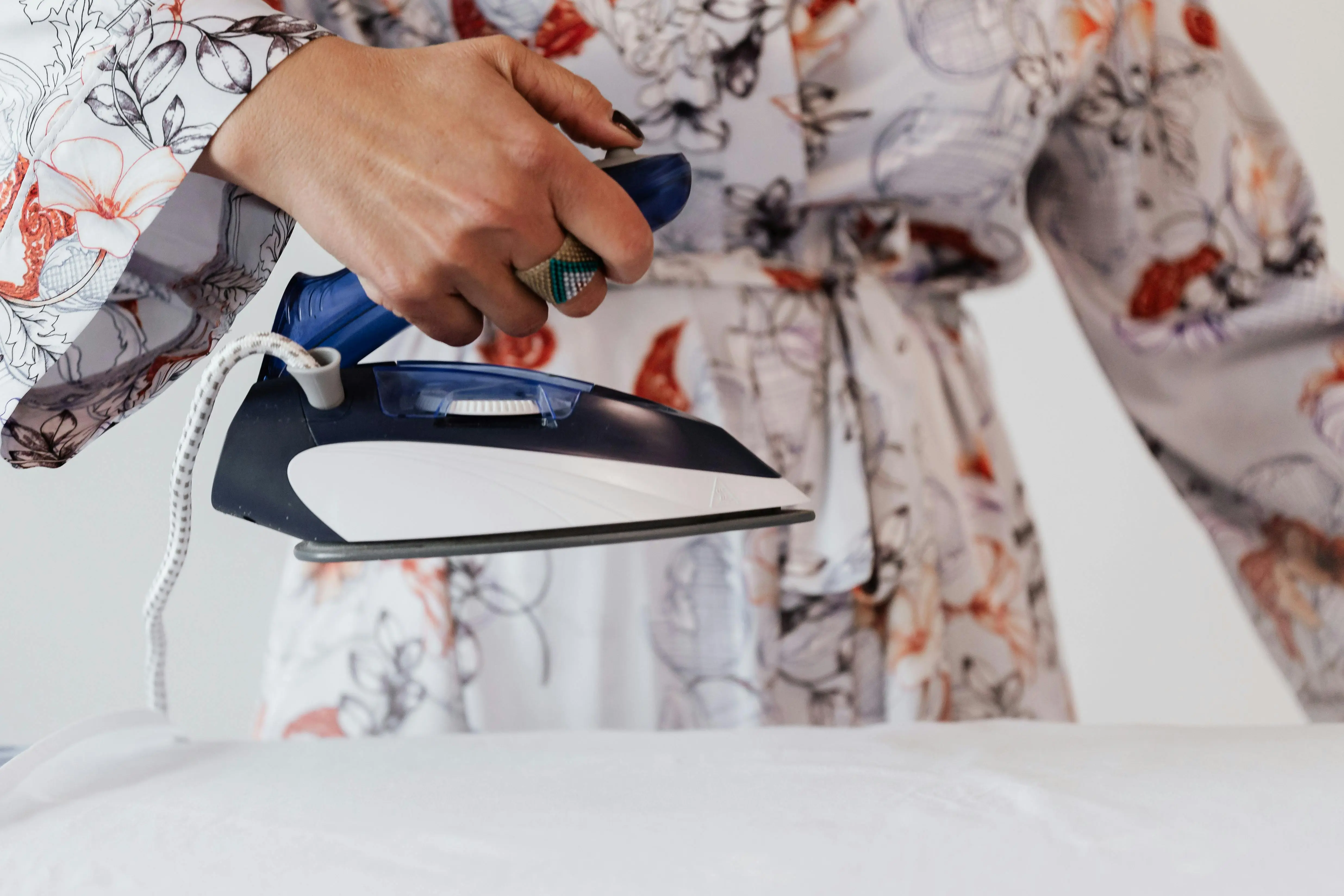
Most silk items do not require ironing if dried correctly, as their natural drape allows many wrinkles to fall out. However, if ironing is necessary, do so when the silk is still slightly damp, and use the lowest heat setting on your iron (often labeled ‘silk’ or ‘cool’). Always iron on the reverse side of the fabric and place a pressing cloth between the iron and the silk to prevent scorching or developing a shine. Avoid using steam directly on silk, as water spots can be challenging to remove. For storage, store silk in a cool, dry place away from direct sunlight. Use padded hangers for garments to maintain their shape, and avoid hanging silk near rough surfaces or crowded closets where it might snag. Folding is also an option, but ensure folds are not too sharp or permanent to prevent creasing. With proper drying and storage, your silk will continue to be a luxurious addition to your wardrobe for years.
Common Silk Mishaps and How to Avoid Them
Even with the best intentions, accidents can happen when caring for delicate fabrics. Knowing how to wash silk involves not only understanding the correct procedures but also being aware of common pitfalls and how to steer clear of them. Preventing damage is always easier than trying to repair it, especially with a material as sensitive as silk. By being proactive and mindful, you can safeguard your silk items from typical laundry blunders that often lead to irreversible damage, preserving their beauty and extending their lifespan.
One of the most frequent mistakes is using the wrong type of detergent. As discussed previously, conventional detergents containing harsh enzymes, bleach, or optical brighteners are disastrous for silk. They degrade the protein fibers, leading to discoloration, weakening, and a rough texture. Always opt for a mild, pH-neutral detergent specifically designed for delicates or silk. Another common mishap is using hot water. High temperatures, whether in the wash or rinse cycle, cause silk to shrink and lose its natural sheen. Always use cool or lukewarm water. Excessive agitation, twisting, or wringing are also major culprits. These actions stretch and distort the delicate fibers, permanently altering the garment’s shape and integrity. Remember to handle silk with the utmost gentleness throughout the washing and rinsing process.
Finally, improper drying is a significant source of damage. Tumble drying, even on low heat, is a definite no-go for silk. The heat and friction will cause shrinkage, dullness, and potential snags. Direct sunlight during air drying can also cause fading and weaken the fibers. Always air dry silk flat or on a padded hanger, away from direct heat and sunlight. By being vigilant about these common mistakes, you can master the art of how to wash silk and ensure your cherished items remain beautiful and intact for countless wears. Prevention truly is the best cure when it comes to silk care.
FAQs About Washing Silk
Can all silk items be washed at home?
Generally, most pure silk items like blouses, scarves, and pillowcases can be hand washed at home. However, always check the care label first. Structured items, those with elaborate embellishments, or items labeled ‘dry clean only’ should typically be taken to a professional dry cleaner to avoid damage and maintain their shape.
What kind of detergent is safe for silk?
You should use a gentle, pH-neutral detergent formulated for delicates, silk, or wool. Mild liquid soaps or baby shampoo are also good alternatives. Avoid detergents containing enzymes (proteases, amylases), bleach, or optical brighteners, as these can break down and damage silk proteins.
Is it okay to put silk in the washing machine?
Some silk items can be machine washed if they are not too delicate and the care label permits. Always use a mesh laundry bag, select the ‘delicate’ or ‘hand wash’ cycle, and use cold water with a slow spin speed. Hand washing is generally preferred for maximum safety.
How do I dry silk without damaging it?
Never tumble dry silk. Gently press out excess water by rolling the item in a clean towel. Then, air dry silk flat on a clean surface or a mesh rack, or hang it on a padded hanger. Keep it out of direct sunlight and away from direct heat sources to prevent shrinkage and fading.
How can I remove wrinkles from silk without ironing?
Many wrinkles in silk will naturally relax as it air dries. For stubborn wrinkles, a garment steamer can be used gently. If ironing is necessary, do so on the lowest heat setting, on the reverse side of the fabric, and preferably when the silk is slightly damp, always using a pressing cloth.
Final Thoughts on How to Wash Silk
Mastering how to wash silk at home might seem like a daunting task initially, but as we’ve explored, it’s a straightforward process that requires only a bit of patience and the right approach. By understanding the delicate nature of this beautiful protein fiber and adopting gentle care techniques, you can confidently maintain the exquisite look and feel of your silk garments and accessories. The key takeaways include always checking care labels, opting for hand washing whenever possible, using pH-neutral detergents, and strictly avoiding high heat and harsh agitation. These practices will protect your silk from shrinking, fading, and losing its characteristic luster, ensuring it remains a cherished part of your wardrobe for many years to come.
The investment in learning proper silk care pays dividends by preserving the quality and extending the life of your luxurious items, ultimately saving you money on dry cleaning and replacements. Embrace the delicate touch, and you’ll discover that caring for silk at home is not only achievable but also incredibly rewarding. So, go ahead and give your silk items the gentle, loving care they deserve. With these expert tips, you are now well-equipped to keep your silk collection looking pristine and feeling as luxurious as the day you first acquired it. Start confidently washing your silk today and enjoy its enduring beauty!