
Understanding the distinction between a hornet nest vs wasp nest is more than just academic curiosity; it’s crucial for your safety and effective pest management. I’ve seen countless homeowners struggle with identifying these often-feared insects and their domiciles. While both hornets and wasps are members of the Hymenoptera order, their nests, behaviors, and the risks they pose can differ significantly. Misidentifying a nest can lead to improper removal techniques, increasing the likelihood of painful stings and potentially further infestations. This comprehensive guide will equip you with the knowledge to confidently identify a hornet nest versus a wasp nest, recognize their unique characteristics, and understand the best course of action when you encounter them. We’ll delve into the architectural nuances, preferred locations, and the social structures that influence their nest building, ensuring you’re well-informed the next time you spot one of these paper palaces.
From the tell-tale grayish paper of a hornet nest to the more organized, open-celled structure of a wasp nest, we’ll break down each element. Knowing these differences isn’t just about protection; it’s about appreciating the intricate natural world around us while still maintaining a safe environment for your family and pets. Whether you’re dealing with aggressive European hornets or common paper wasps, an accurate identification is your first and most important step. Let’s explore the fascinating world of vespid architecture and arm you with the insights you need to distinguish a hornet nest vs wasp nest with ease.
The Fundamental Differences: Hornet Nest vs Wasp Nest Aesthetics
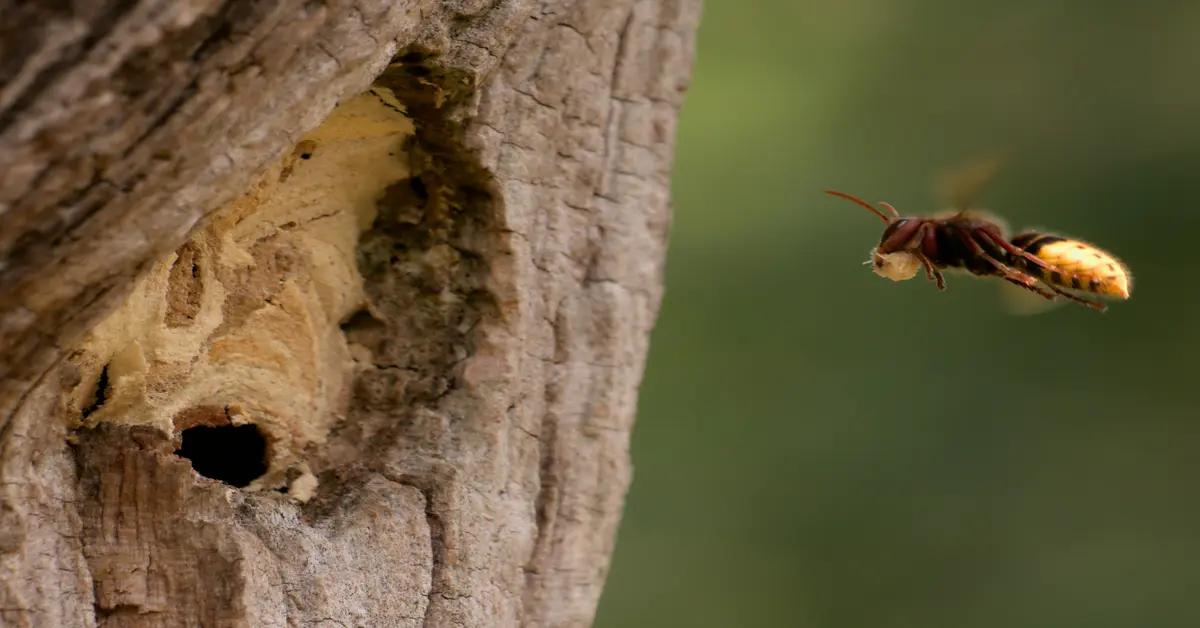
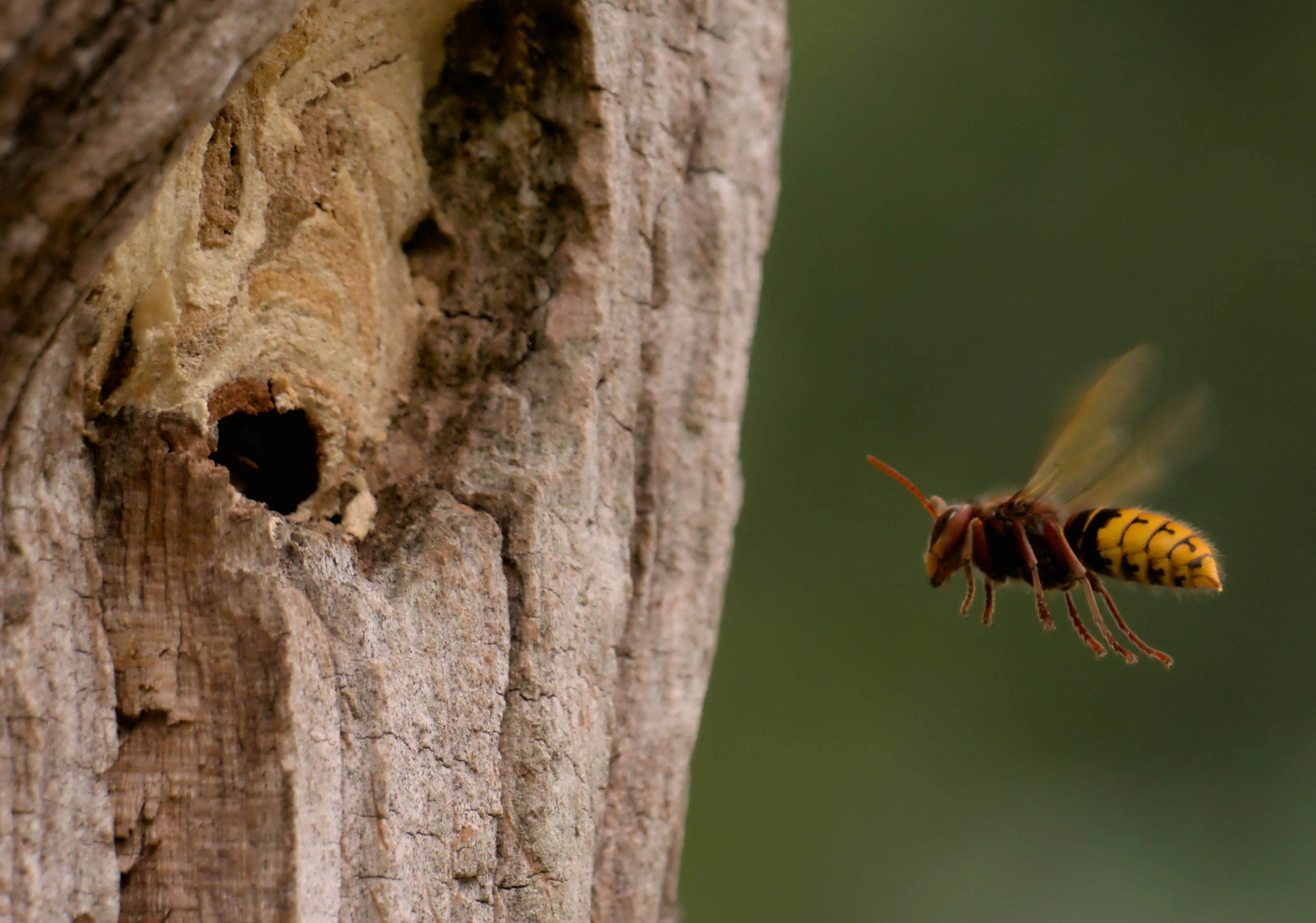
When you’re trying to differentiate a hornet nest vs wasp nest, the visual aesthetics are often the most immediate and telling clues. Both build their nests from chewed wood fibers mixed with saliva, giving them a papery texture, but the results are distinctly different. Hornet nests, particularly those of the aggressive European hornet, tend to be more enclosed and have a distinct grayish-brown, often football-like or teardrop shape. They are typically covered with a thick, protective outer layer that hides the internal honeycomb structure. This outer shell is not just for protection; it also helps regulate the internal temperature of the nest, which is vital for the development of their young. The entrance to a hornet nest is usually a single opening, often located near the bottom of the structure. The paper material itself can feel brittle but is remarkably strong. You might notice concentric rings or layers in larger hornet nests, indicating growth over time as the colony expands. They often build in dark, secluded locations, such as hollow trees, attics, sheds, or even within wall voids, making them harder to spot until the colony is quite large.
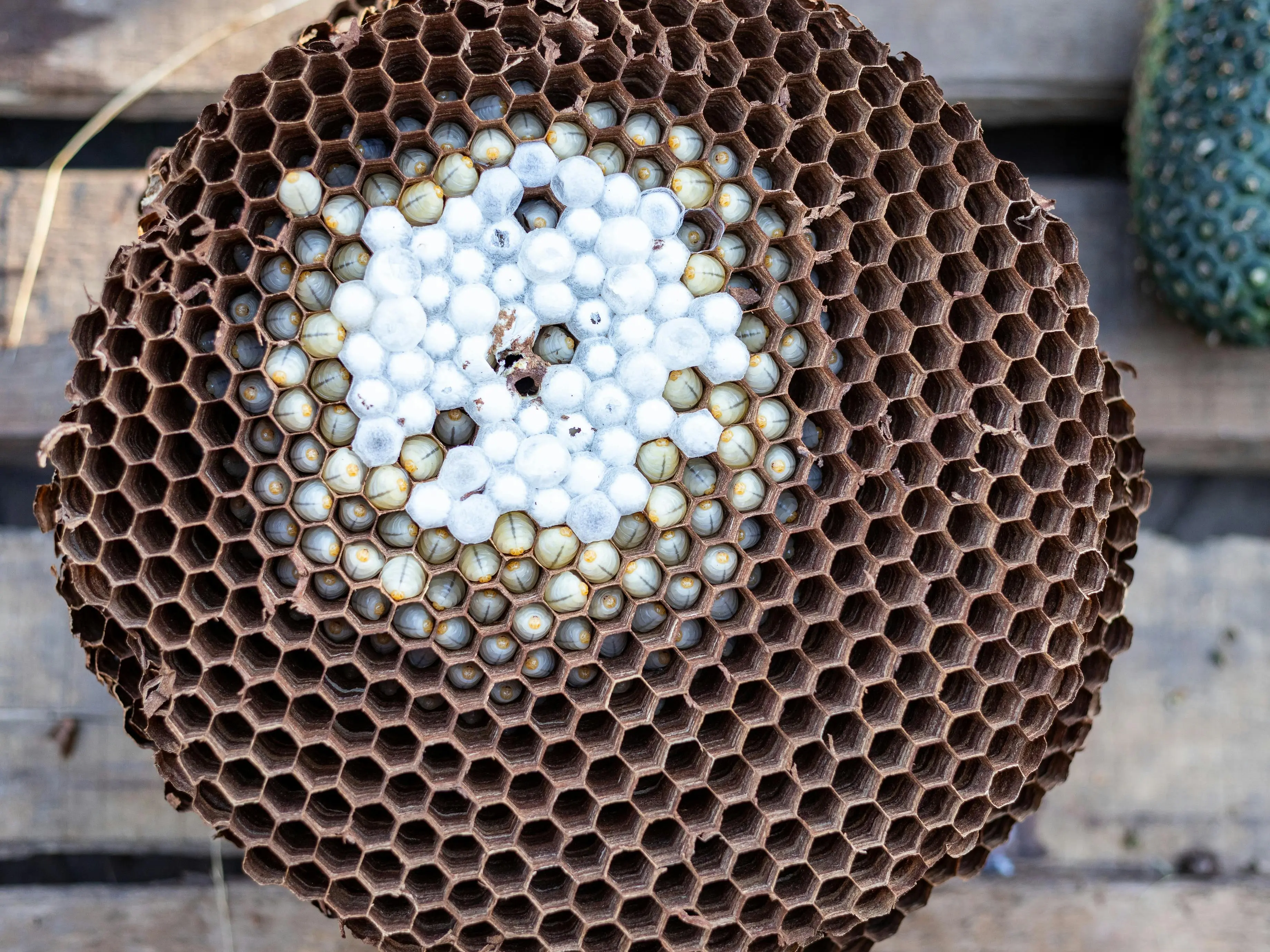
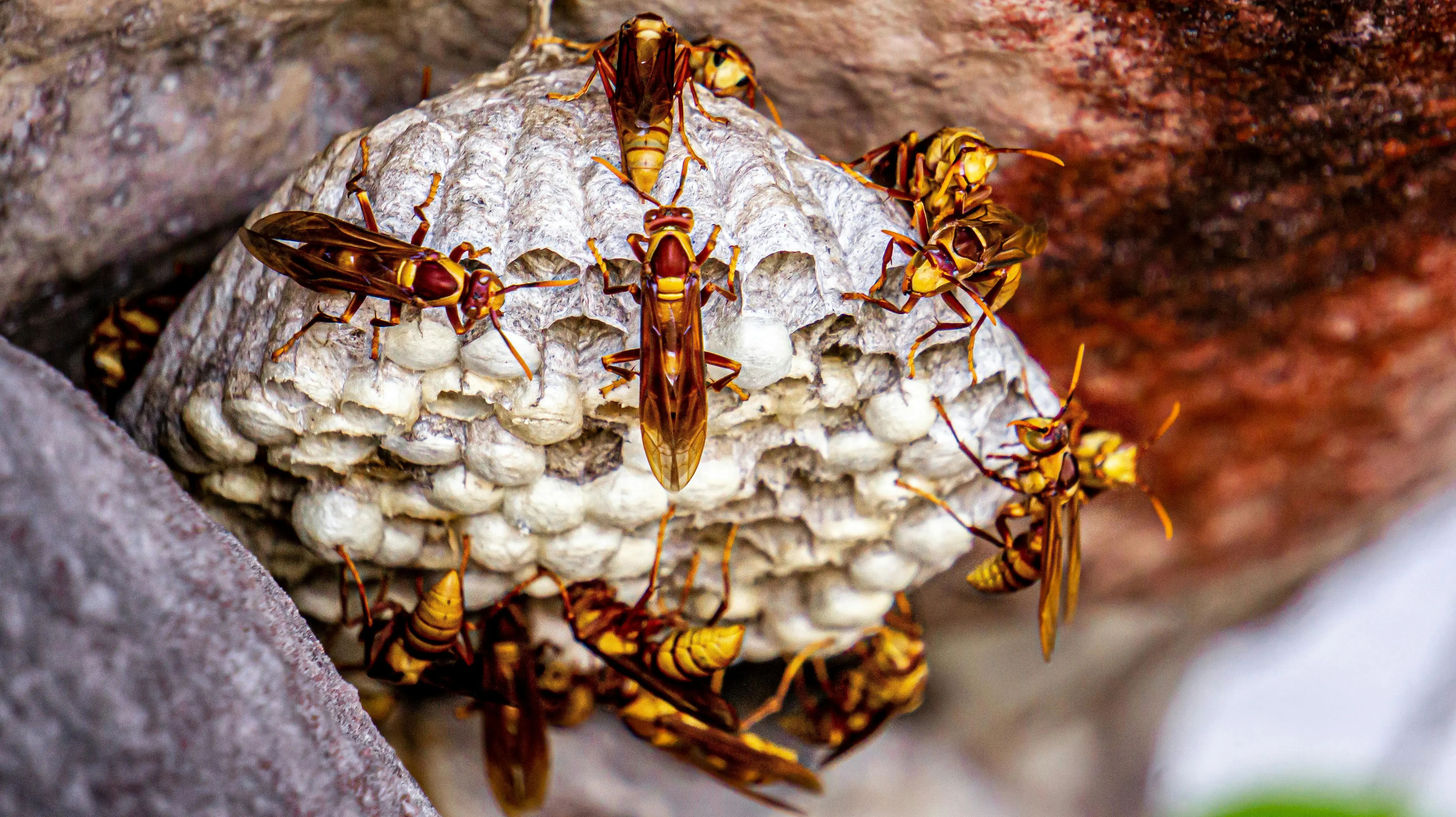
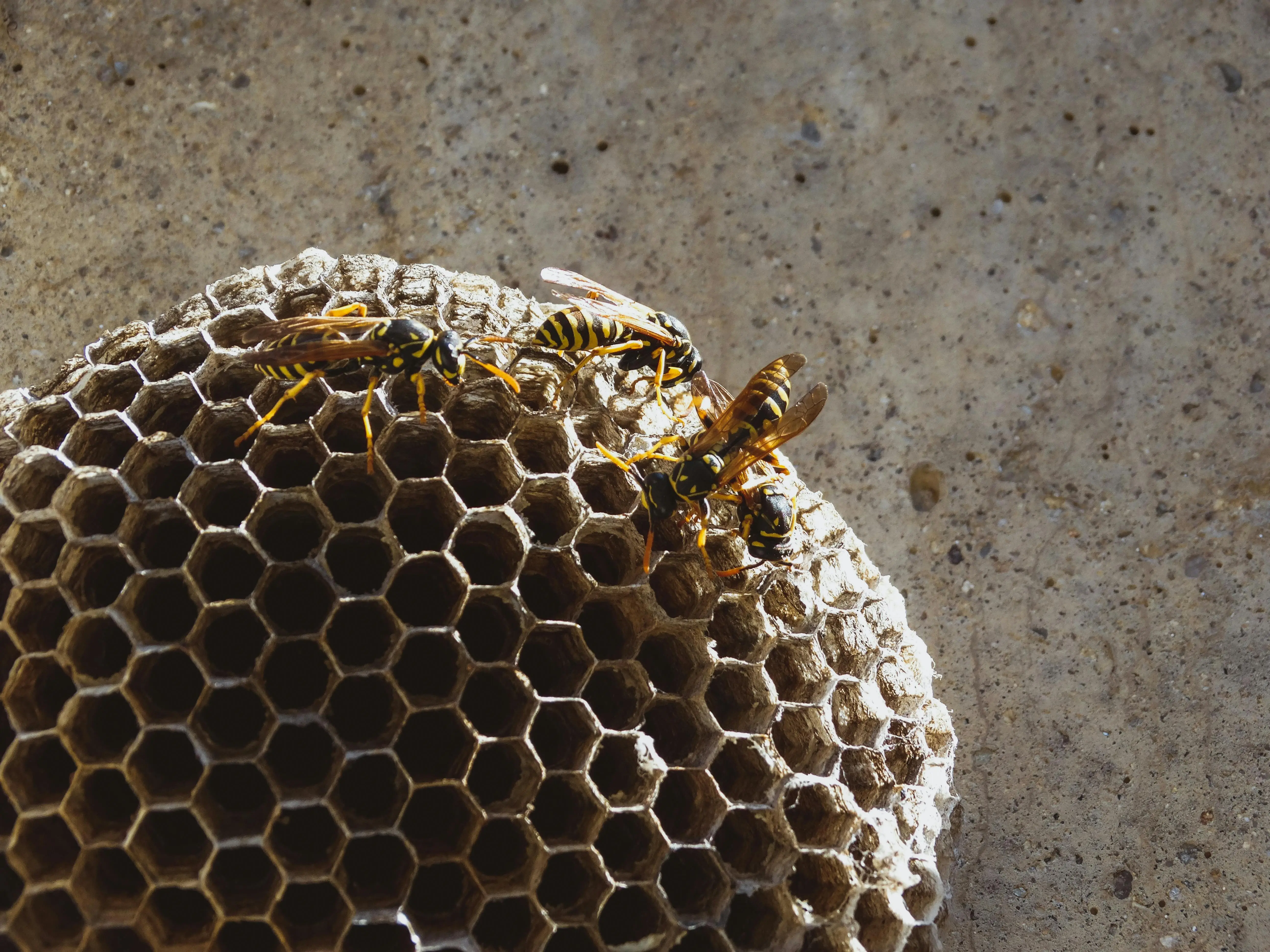
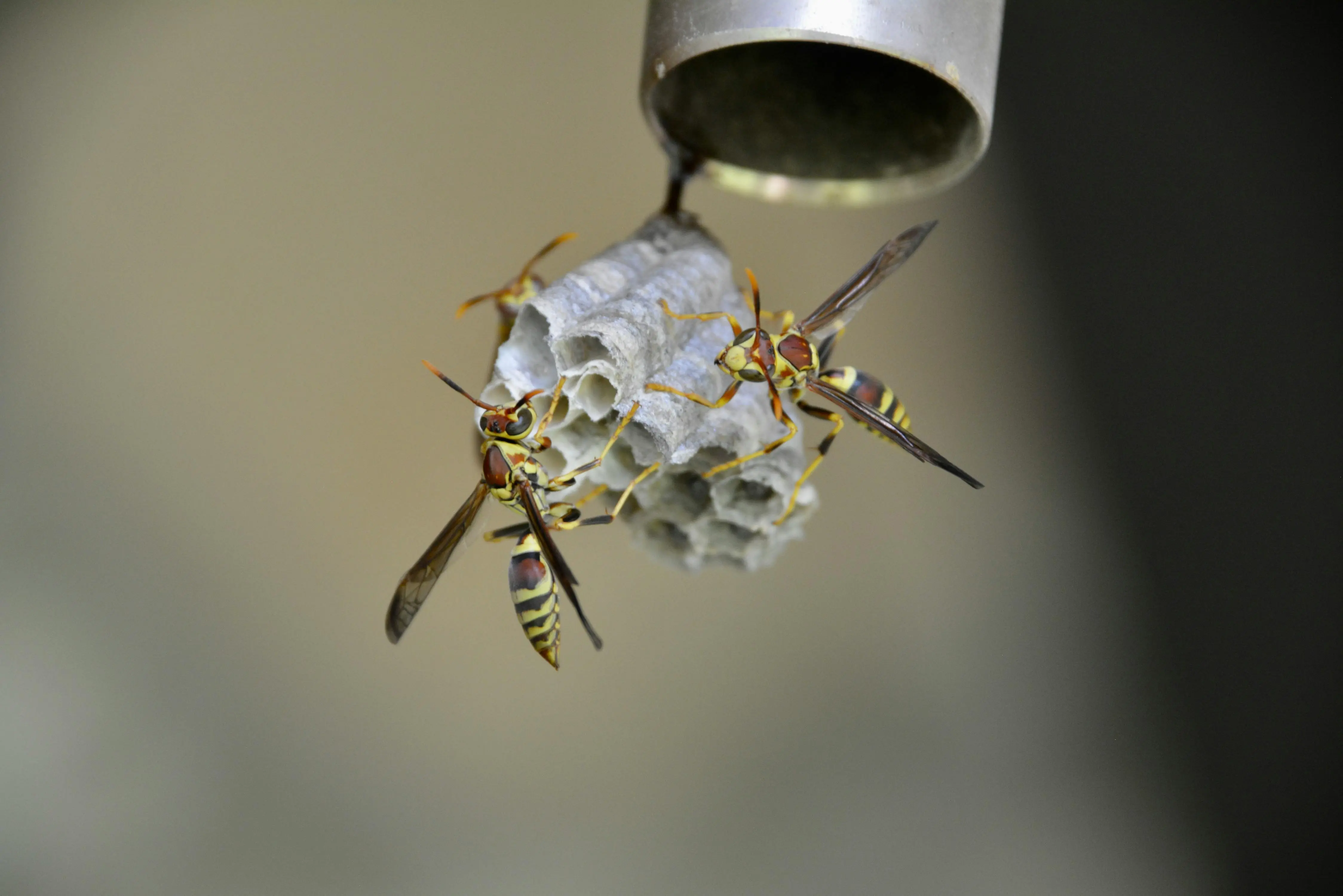
In contrast, wasp nests, especially those of common paper wasps, typically have an open, umbrella-like or inverted bowl shape. The honeycomb cells, where the larvae develop, are often visible from the underside of the nest. You can see the individual hexagonal cells, giving it a somewhat exposed and vulnerable appearance. The color of a paper wasp nest tends to be a lighter gray or tan, often reflecting the specific wood fibers they’ve chewed. Unlike hornet nests, which often have a single entry point, paper wasp nests are built with an accessible, open base. They are commonly found hanging from eaves, under porch ceilings, window frames, or branches – essentially any sheltered overhang. The stalks that connect the nest to its surface are also a characteristic feature, allowing the wasps to suspend their homes. While both types of nests are made from paper, the overall form, color, and visibility of the internal structure are key visual identifiers when scrutinizing a hornet nest vs wasp nest.
Location, Location, Location: Where to Find Each Nest
The preferred nesting locations provide another strong indicator when trying to distinguish a hornet nest vs wasp nest. Hornets, particularly the European hornet, exhibit a preference for sheltered, often dark, and concealed environments. They are cavity nesters, meaning they frequently choose hollow trees, wall voids, attics, sheds, barns, and even abandoned beehives. This tendency to nest in enclosed spaces makes their nests frequently larger before being discovered, as they have ample room to expand without being easily noticed. If you find a large, enclosed, football-shaped papery structure tucked away in an attic corner or hanging inside a hollow log, it’s highly likely you’re dealing with a hornet nest. These locations offer insulation and protection from predators and environmental elements, which is crucial for a large, thriving hornet colony. They might also excavate existing cavities to enlarge them, further emphasizing their preference for hidden abodes.
Paper wasps, on the other hand, are more inclined to build their nests in exposed, yet still protected, areas. Their open-celled nests are commonly found hanging from eaves, under porch roofs, window sills, deck railings, light fixtures, and sturdy plant stems. Essentially, any horizontal surface that offers protection from rain and direct sunlight is a potential nesting site for paper wasps. Their nests are often smaller and more easily spotted due to their open structure and conspicuous placement. This difference in preferred location is a critical clue. If you see a smaller, open-celled comb attached by a single stalk to an overhang, it’s almost certainly a paper wasp nest. The accessibility of paper wasp nests, while making them easier to observe, also means they are more frequently encountered by humans. Understanding these distinct habitat preferences is an invaluable tool in accurately identifying whether you’re dealing with a hornet nest vs wasp nest.
Construction Masterclass: The Materials and Structure
The intricate architecture of a nest is a fascinating aspect that helps differentiate a hornet nest vs wasp nest. While both hornets and wasps are master builders using lignified cellulose (wood fibers), their construction methods and resulting structures diverge significantly. Hornet nests are characterized by their enclosed, multi-layered design. Hornets forage for decaying wood, stripping tiny fibers from sources like dead trees, fences, or old sheds. They chew these fibers, mixing them with their saliva to create a pulp that hardens into a durable paper-like material. This pulp is then meticulously applied in layers, forming a sturdy outer envelope that completely encloses the internal combs. Inside, successive tiers of hexagonal combs are built, often connected by sturdy pillars, and suspended within the protective casing. The entrance is typically a single, small opening at the bottom or side, designed to control access and maintain internal temperature. The overall appearance is a smooth, somewhat drab gray or brown, often resembling a large, inverted pear or football. The outer layer provides insulation and protection against rain, wind, and predators, highlighting the hornets’ more defensive and concealed nesting strategy.
Paper wasp nests, in contrast, are characterized by their open-comb structure. Paper wasps also collect wood fibers, but they tend to use newer, less weathered wood, which often results in a lighter, sometimes variegated gray or tan color. They meticulously build a single layer of hexagonal cells, all visible from the underside. This single comb is attached to an overhang by a sturdy, single stalk, or pedicel. There is no outer envelope enclosing the cells; the larvae and pupae within are exposed, though still protected from the elements by the overhang under which the nest is built. The open design allows for easier observation of the developing young and offers a distinct visual cue. The simplicity of the paper wasp nest compared to the complex hornet nest reflects differences in their social structure and defensive strategies. While hornets invest in a heavily fortified stronghold, paper wasps rely more on their individual defensive capabilities and the strategic placement of their accessible, yet sheltered, homes. Observing these structural differences is key when analyzing a hornet nest vs wasp nest.
Behavioral Clues: Aggression Levels and Defensive Strategies
Behavioral patterns and aggression levels are critical indicators when distinguishing a hornet nest vs wasp nest, largely influencing the potential danger they pose. Hornets, especially the European hornet, are known for their formidable sting and a generally more aggressive demeanor, particularly when their nest is threatened. They are highly territorial and will vigorously defend their nests and foraging areas. If you approach a hornet nest too closely or disturb it, you can expect a rapid and coordinated attack from multiple hornets. Their stings are quite painful due to higher concentrations of venom and can be dangerous for individuals with allergies. European hornets are also unique among common wasps in that they are active at night and are attracted to lights, which can inadvertently draw them into human dwellings. This nocturnal activity adds another layer of caution when dealing with them. Their defensive strategy often involves sending out several individuals to investigate perceived threats, escalating to a full-blown assault if the threat isn’t removed.
Paper wasps, while still capable of delivering a painful sting, are generally less aggressive than hornets. They are primarily defensive around their nests but are less prone to unprovoked attacks. If you encounter a paper wasp away from its nest, it’s unlikely to sting unless directly provoked or squashed. However, if their nest is disturbed, they will certainly defend it. Their defense often involves individual wasps flying out and stinging the intruder. Unlike hornets, paper wasps are not typically active at night. Their tendency to build open nests in more visible locations means that encounters are frequent, but often manageable with caution. The key differentiator in aggression when considering a hornet nest vs wasp nest lies in the readiness and intensity of their defensive response. Hornets are more prone to collective, sustained aggression, while paper wasps are more reactive when directly threatened. Always exercise extreme caution around any stinging insect nest and consider professional help for removal.
Why Correct Identification Matters: Risks and Removal Strategies
Understanding the precise differences between a hornet nest vs wasp nest isn’t just an academic exercise; it has significant practical implications for your safety and the effectiveness of any pest control measures. Misidentification can lead to improper handling, increased risk of stings, and potentially escalating the problem rather than solving it. For instance, attempting to remove a large, established hornet nest without proper protective gear and knowledge can be extremely dangerous. Hornets are highly aggressive defenders of their nests, and their stings are potent. Anaphylactic shock is a serious concern for allergic individuals, and even for those without allergies, multiple stings can cause significant pain and localized reactions. Professional pest control is almost always recommended for hornet nests, especially if they are large or in hard-to-reach locations, due to the high-risk nature of their removal.
Conversely, while paper wasp nests should still be treated with respect, their removal can sometimes be managed by a homeowner if the nest is small, easily accessible, and the individual takes appropriate precautions (e.g., wearing protective clothing, removing at dusk when wasps are less active). Paper wasps are generally less aggressive than hornets, and their stings, while painful, are typically less severe unless allergies are present. Knowing you’re dealing with paper wasps might empower you to use a readily available wasp spray from a safe distance, whereas attempting the same with a hornet nest could lead to a far more dangerous encounter. Furthermore, the preferred nesting locations (concealed cavities for hornets vs. open overhangs for paper wasps) also dictate the complexity and safety risks of removal. For hornet nests in wall voids, specialized equipment and techniques are required to avoid trapping hornets within your home. Accurate identification is the foundational step in choosing the correct, safest, and most effective removal strategy, thereby minimizing risks and ensuring peace of mind. Never take chances when dealing with stinging insects, especially when you’re unsure if it’s a hornet nest vs wasp nest.
Top 5 FAQs: Hornet Nest vs Wasp Nest
Is a hornet nest more dangerous than a wasp nest?
Generally, a hornet nest is considered more dangerous than a paper wasp nest. Hornets are often more aggressive and have more potent venom, leading to more painful stings. They also tend to attack in larger numbers if their nest is disturbed, posing a greater risk of multiple stings.
What color is a hornet nest typically?
Hornet nests are typically a grayish-brown color. The specific hue can vary depending on the type of wood fibers the hornets used in construction, but they generally have a more muted and drab appearance than some wasp nests.
Can I remove a hornet nest myself?
It is strongly recommended not to remove a hornet nest yourself due to the high risk of aggressive attacks and painful stings. Professional pest control services have the necessary protective gear and expertise to safely remove hornet nests, especially large ones or those in difficult locations.
How can I tell if it’s a hornet or a wasp in general?
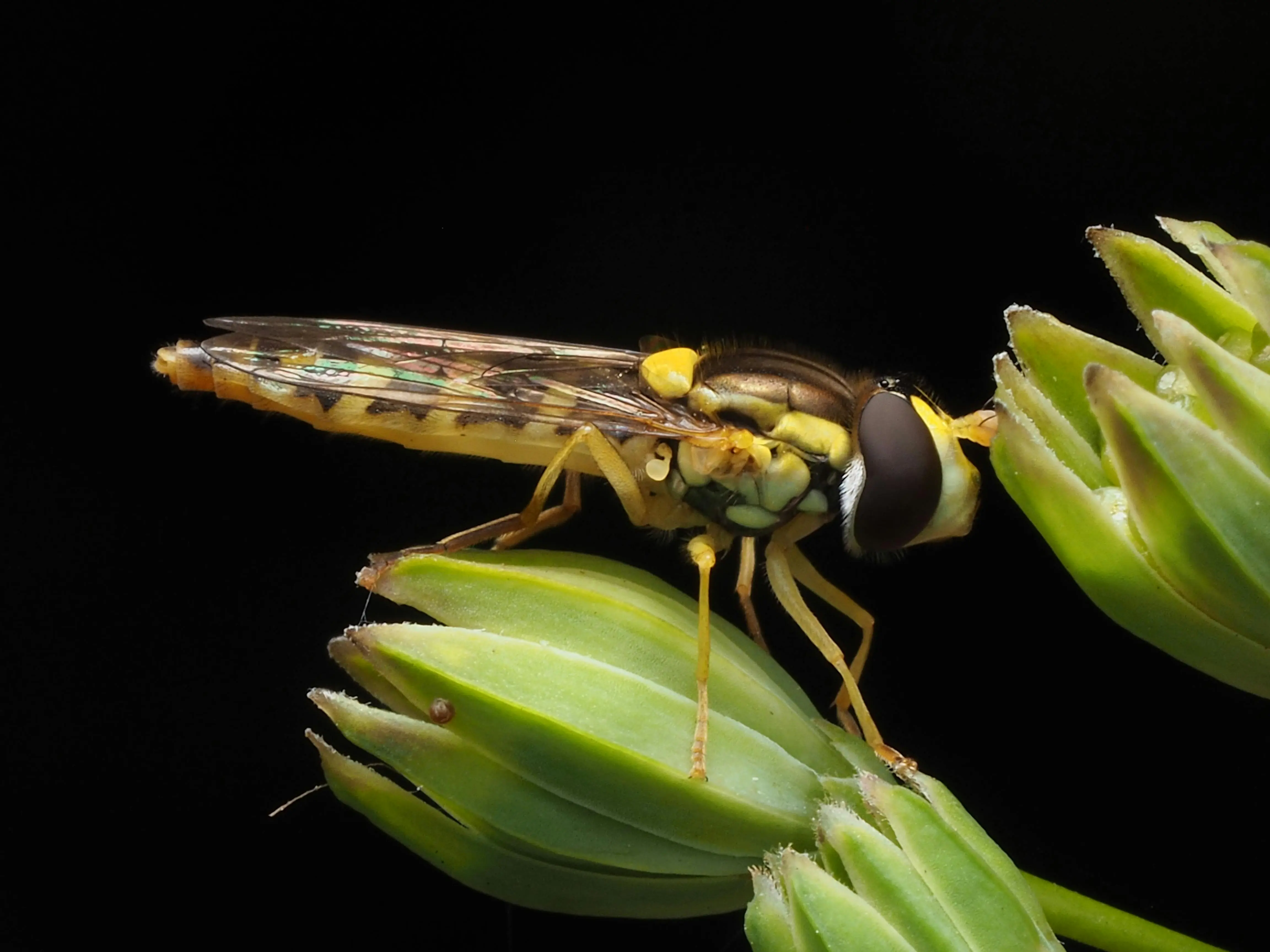
Hornets are generally larger and stouter than most wasps, with broader heads and more robust bodies. Wasps, particularly paper wasps, tend to be thinner and more elongated. Hornets also often have a more reddish-brown and yellow or orange coloring, while wasps can be brighter yellow and black.
Are hornet nests always enclosed?
Yes, hornet nests are typically always enclosed within a thick, papery outer envelope. This enclosure protects the internal combs and helps regulate the nest’s temperature and humidity, distinguishing them from the open-celled nests of many paper wasps.
Conclusion: Master the Hornet Nest vs Wasp Nest Distinction
Successfully distinguishing a hornet nest vs wasp nest is a crucial skill for any homeowner, gardener, or outdoor enthusiast. We’ve explored the key visual cues, preferred nesting locations, construction differences, and behavioral traits that set these two stinging insects apart. From the enclosed, often football-shaped gray hornet nest hidden in a cavity to the open, umbrella-like paper wasp nest hanging from an eave, these distinctions are more than superficial; they inform your safety decisions and dictate the appropriate course of action. Remember that hornets generally exhibit higher levels of aggression and their stings are more potent, making professional removal almost always the safest option for their nests.
Understanding these differences empowers you to react appropriately, whether it’s applying a DIY solution for a small, accessible paper wasp nest or, more often, calling in experts for a hornet nest. Your safety and peace of mind should always be the top priority. By appreciating the intricate world of these insects and knowing how to identify their homes accurately, you can coexist more safely and effectively manage any potential threats around your property. Remain vigilant, observe carefully, and when in doubt, always err on the side of caution. If you encounter a nest and are unsure about its identity or how to handle it, don’t hesitate to contact a professional pest control service in your area. They possess the knowledge and tools to manage the situation safely and efficiently, ensuring your home remains a safe haven.