
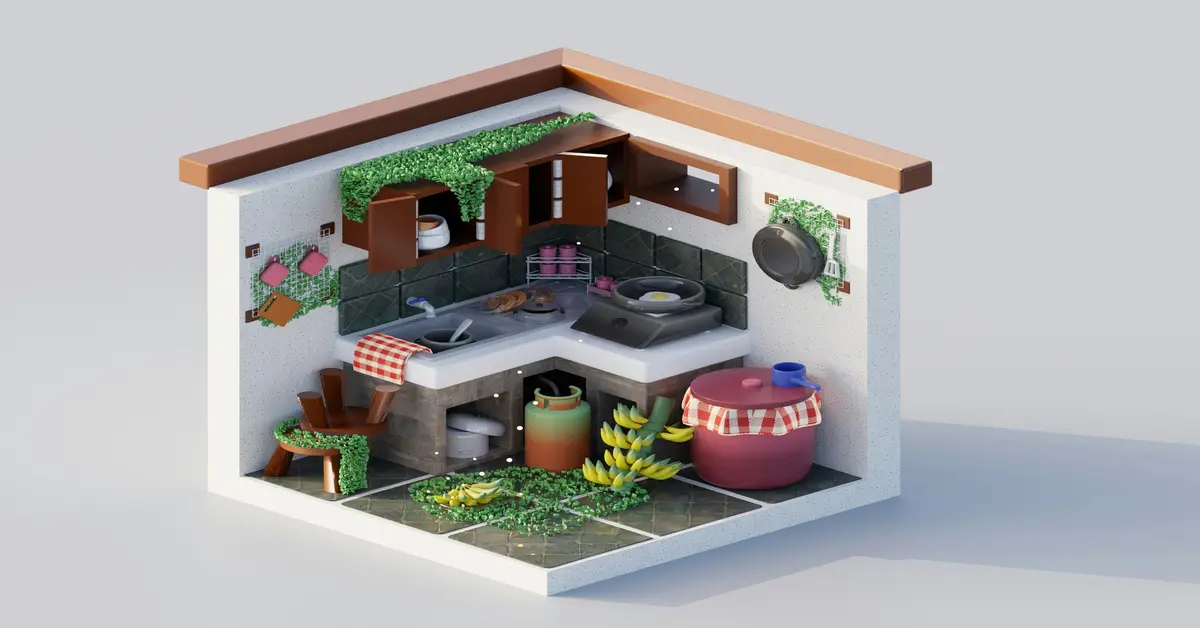
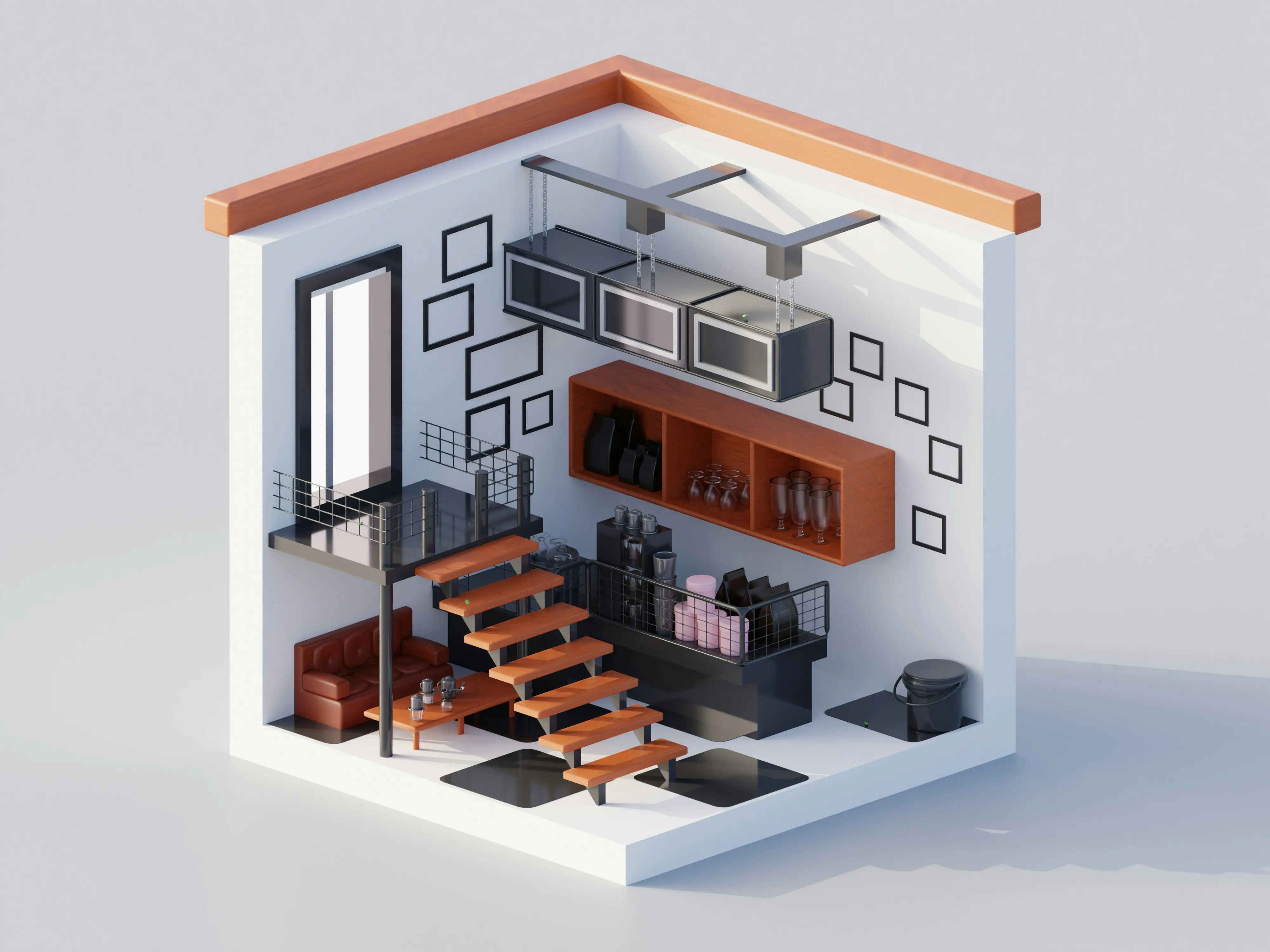
In an era where efficiency and sustainability are paramount, the concept of house–living has captured the imagination of many. But what if you need more than just a cozy nook for one or two? What if you envision a family life, or simply desire extra space for guests or a home office, all within the diminutive footprint of a tiny home? This is where the innovation of a 3 bedroom tiny house truly shines. It’s a game-changer for those who thought the tiny living dream was out of reach due to space constraints. Far from being an oxymoron, a 3 bedroom tiny house represents a brilliant fusion of minimalist philosophy and practical living requirements, offering an incredibly versatile and functional dwelling.
For years, the tiny house movement has been synonymous with single or double occupancy, often featuring clever but limited layouts. The perception has been that expanding beyond a single bedroom meant compromising the fundamental ‘tiny’ aspect. However, design ingenuity and smart space utilization have evolved dramatically, making the 3 bedroom tiny house a tangible and highly desirable reality. These homes are not just about fitting more rooms into a small area; they are about redefining how we perceive space, functionality, and comfort in compact dwellings. They cater to a growing demographic of individuals and families who are seeking a simplified, eco-friendly, and financially accessible lifestyle without sacrificing the need for distinct sleeping areas or multipurpose rooms. The appeal extends from young families looking for an affordable entry into homeownership to retirees wanting a downsized yet accommodating space for visiting grandchildren. It’s a testament to human creativity that such comprehensive living can be achieved within such a small footprint, embodying smart living at its finest.
The Astonishing Feat of a 3 Bedroom Tiny House Design
Designing a 3 bedroom tiny house is a remarkable feat of architectural efficiency and careful planning. It requires a deep understanding of spatial dynamics, multi-functional furniture, and innovative storage solutions. Unlike traditional homes where rooms are often dedicated single-purpose spaces, every square inch in a tiny house, especially one with three bedrooms, must serve multiple functions or be incredibly efficient. Architects and builders specializing in tiny homes often employ a variety of clever design strategies to achieve this. Lofted sleeping areas are a cornerstone of many tiny house designs, providing vertical separation for private spaces without expanding the overall footprint. In a 3 bedroom tiny house, you might see a primary bedroom on the main level, and then two additional bedrooms located in lofts, accessed by ladders or stairs. These lofts can be surprisingly spacious, often accommodating queen-sized beds and built-in storage.
Beyond lofts, the use of modular furniture is crucial. Beds that transform into desks, dining tables that fold away against a wall, and couches with hidden storage compartments are all common features. Sliding barn doors or pocket doors save precious swing space compared to traditional hinged doors. Furthermore, built-in storage, from under-stair drawers to clever wall nooks, maximizes every available cavity. The integration of outdoor living spaces also plays a significant role. Large decks, porches, or even screened-in areas can effectively extend the usable living space, blurring the lines between indoor and outdoor and making the home feel much larger. Materials are often chosen for their lightness and durability, contributing to the overall efficiency and mobility if the tiny house is on wheels. Every decision, from window placement for natural light to appliance sizing, is meticulously considered to ensure a harmonious and functional living environment capable of comfortably housing three distinct sleeping zones.
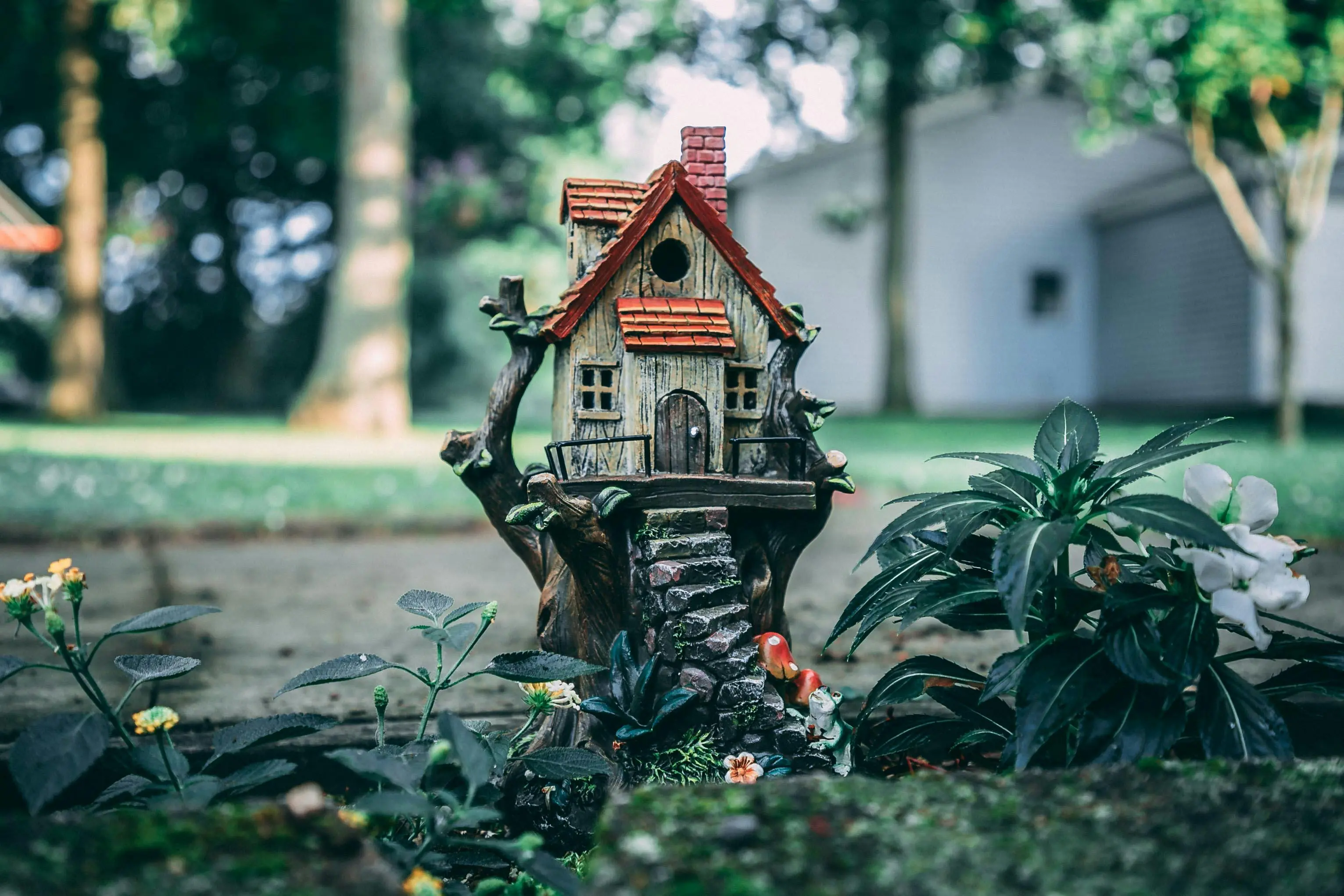
Maximizing Space and Comfort in Your 2 Bedroom Tiny Home
While our focus is on the expansive possibilities of a 3 bedroom tiny house, understanding the principles applied to a 2 bedroom tiny home offers valuable insights into achieving maximum space and comfort in any compact dwelling. The transition from a single-bedroom to a two-bedroom design, and further to three, highlights the escalating challenges and corresponding innovations in space management. In a 2 bedroom tiny home, designers often leverage similar techniques to those found in larger tiny homes: multi-functional furniture, smart storage, and strategically placed lofts. The key difference lies in the number of distinct private areas required. With two bedrooms, there’s typically one main floor bedroom and one loft, or two well-designed lofts, ensuring privacy for occupants. The living area, kitchen, and bathroom must then be meticulously planned around these two separate sleeping zones.
Comfort in a small space isn’t just about fitting everything in; it’s about creating an atmosphere that feels expansive and inviting. This often involves careful consideration of natural light, ventilation, and interior finishes. Abundant windows, skylights, and even glass doors can flood a 2 bedroom tiny home with light, making it feel larger and more open. Light-colored walls and clever lighting schemes also contribute to this sense of spaciousness. Ventilation is equally important, not only for air quality but also to prevent the feeling of being cooped up. Cross-ventilation through opposing windows or the use of exhaust fans and mini-split systems ensures a comfortable internal climate. Ultimately, the successful design of any small dwelling, including a 2 bedroom tiny home, hinges on thoughtful planning that prioritizes both functionality and the psychological comfort of its inhabitants, demonstrating that small spaces can indeed be incredibly livable and luxurious.
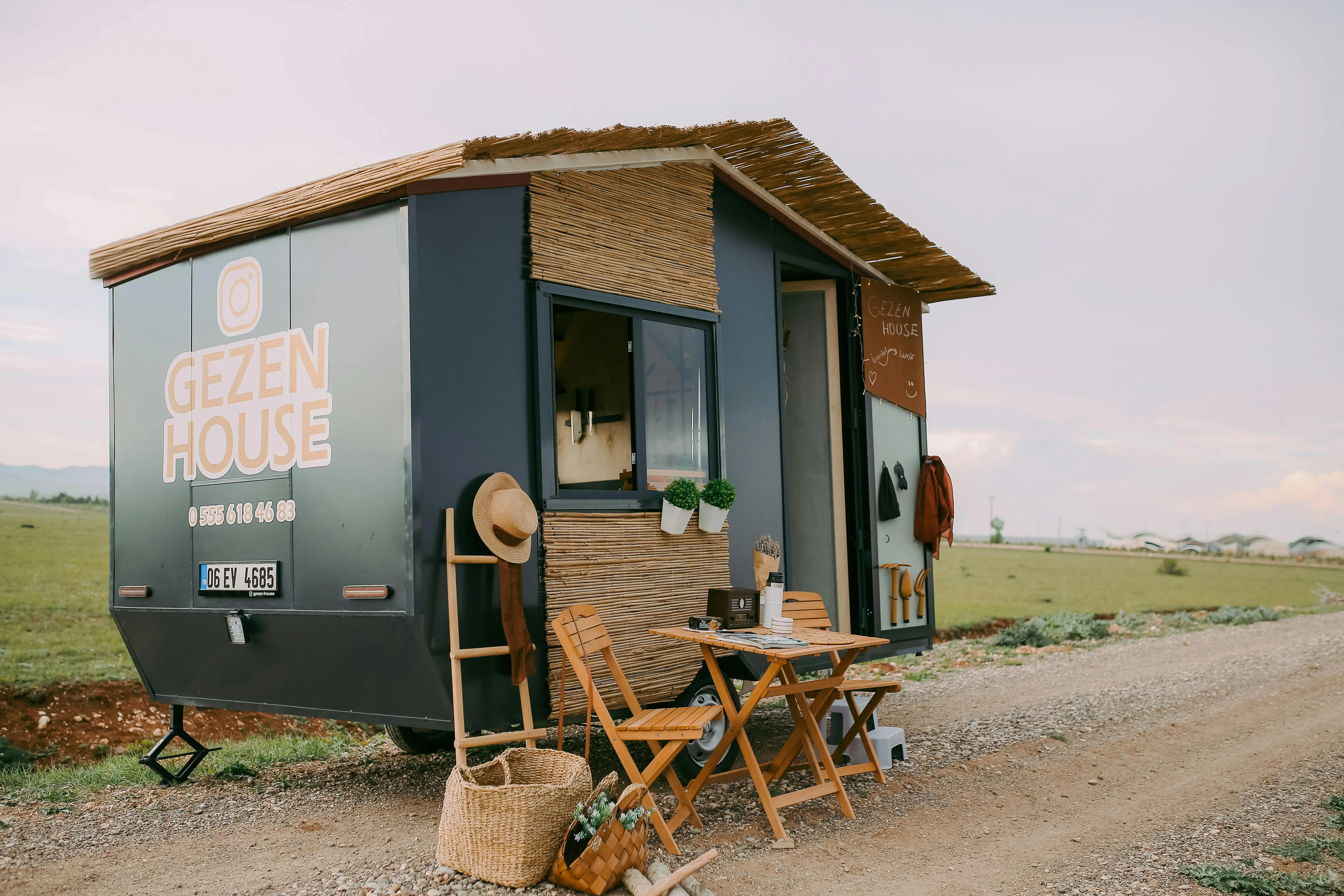
The Versatility of 2 Bedroom Tiny Homes for Modern Living
The rise of 2 bedroom tiny homes is a clear indicator of the versatility and adaptability of the tiny living movement to a broader range of lifestyles. While a solitary occupant might find a studio layout sufficient, many individuals and couples seek an additional private space, whether for a guest room, a dedicated home office, or even a nursery. This demand has firmly established the 2 bedroom tiny home as a popular and practical choice. For young professionals, it offers the flexibility to work from home without co-opting the primary living area. For couples, it might mean the luxury of a dedicated hobby room or an extra guest bedroom for visiting family and friends. The ability to compartmentalize space in this way significantly enhances the livability and long-term appeal of tiny dwellings, moving beyond the bare necessities to offer a greater degree of comfort and functionality.
Furthermore, from an investment perspective, 2 bedroom tiny homes often hold greater appeal for resale value. They cater to a wider market segment, including small families or individuals who need that extra room. This versatility also extends to their potential uses. They can serve as primary residences, vacation rentals, backyard ADUs (Accessory Dwelling Units), or even mobile offices. Their compact size makes them easier to site on smaller plots of land or to permit in areas with strict zoning regulations. This flexibility is a key driver behind their increasing popularity, showcasing how tiny homes can be adapted to fulfill diverse needs and preferences in modern society. They prove that you don’t need a sprawling mansion to enjoy a comfortable, multi-functional living space; intelligent design in a 2 bedroom tiny home can deliver an exceptional quality of life.
Building Your Dream: Considerations for a 3 Bedroom Tiny House
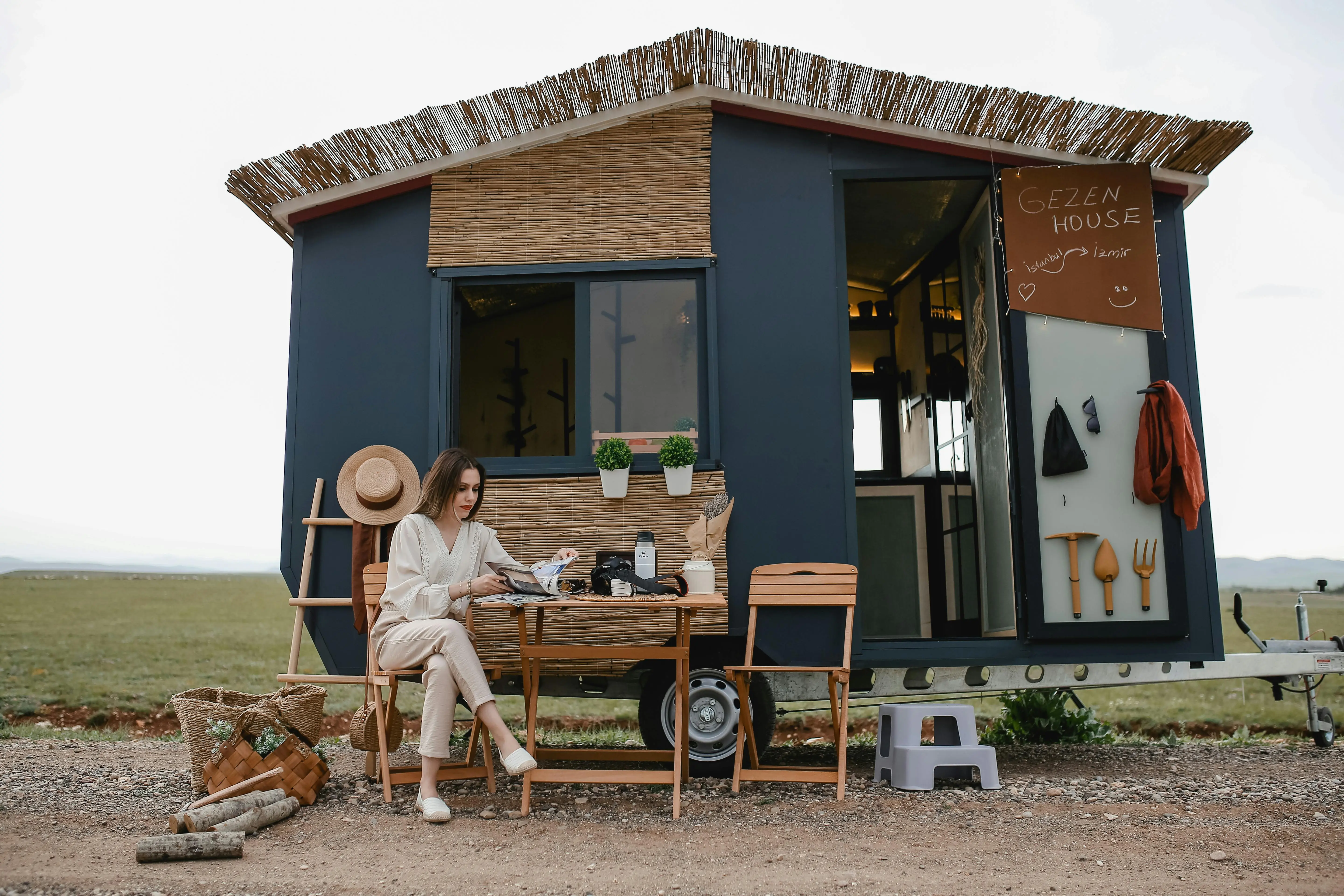
Embarking on the journey to build or purchase a 3 bedroom tiny house involves several critical considerations. The first and perhaps most significant is the foundation type. Will it be a tiny house on wheels (THOW) or a permanent foundation? A THOW offers mobility, which can be advantageous for those who desire to relocate or live in different areas. However, these homes often have stricter weight and size limitations due to road regulations, which can impact the number and size of bedrooms and overall layout. A permanently foundations tiny house, in contrast, offers greater design flexibility in terms of dimensions and structural integrity, but sacrifices mobility. The choice between these two will profoundly influence your design options and long-term lifestyle.
Secondly, local zoning laws and building codes are paramount. Tiny houses, especially those with three bedrooms that stretch the typical tiny house footprint, can sometimes fall into a legal gray area. It’s crucial to research fire codes, minimum square footage requirements, and regulations regarding multiple sleeping areas in your desired location. Some areas are more tiny-house friendly than others. Thirdly, utility hookups must be planned meticulously. Will your 3 bedroom tiny house be fully off-grid with solar panels and water harvesting, or will it connect to municipal services? Each option has specific design implications, costs, and ongoing maintenance. Finally, the budget is always a key factor. While tiny houses are generally more affordable than traditional homes, a 3 bedroom design will inherently be more complex and potentially more expensive than smaller models. Careful financial planning, including material costs, labor, and potential regulatory fees, is essential to bringing your 3 bedroom tiny house dream to fruition.
Innovations in 3 Bedroom Tiny House Layouts
The design landscape for a 3 bedroom tiny house is continually evolving, driven by innovation and a demand for more spacious and flexible tiny living. One notable trend is the strategic use of rooflines and ceiling heights to create different levels and zones within the home. Gambrel or shed roofs, for example, can provide extra vertical space in lofts, allowing for more comfortable standing room and larger bed sizes. Another innovation is the development of convertible spaces. What might be a living room by day can cleverly transform into a third bedroom at night via a Murphy bed or a sofa bed, often accompanied by privacy screens or sliding panels. This dynamic approach allows for maximum utilization of square footage without making the space feel cramped during the day.
Furthermore, designers are increasingly integrating smart home technology to enhance functionality and comfort. Automated lighting, climate control, and even remote-controlled blinds can make a small space feel more luxurious and easier to manage. Sustainable building practices are also at the forefront, with architects incorporating eco-friendly materials, enhanced insulation, and energy-efficient appliances to reduce the environmental footprint and operational costs of a 3 bedroom tiny house. The use of large, operable windows not only provides abundant natural light and ventilation but also fosters a stronger connection to the outdoors, making the interior feel less confined. Ultimately, these innovations are pushing the boundaries of what’s possible in tiny living, demonstrating that even a home with three distinct sleeping areas can be a paragon of clever design, efficiency, and modern comfort, defying traditional expectations of small-scale dwellings.
FAQ: Your Questions About a 3 Bedroom Tiny House Answered
Can a 3 bedroom tiny house really be comfortable for a family?
Absolutely! With smart design, a 3 bedroom tiny house can be very comfortable for a family. Key elements like strategic loft placement, multi-functional furniture, ample storage, and the thoughtful integration of outdoor living spaces contribute significantly to making these homes highly livable and comfortable for multiple occupants. Privacy and personal space are achieved through clever architectural solutions.
What are the legal considerations for owning a 3 bedroom tiny house?
Legal considerations are crucial. You’ll need to research local zoning laws, building codes, and regulations for tiny houses, especially regarding minimum square footage, parking, and utility hookups. These vary widely by location, and it’s important to understand if your desired 3 bedroom tiny house will be considered a permanent dwelling, an ADU, or a recreational vehicle, each with its own set of rules.
Are 3 bedroom tiny houses more expensive than smaller tiny homes?
Generally, yes. While still significantly more affordable than traditional homes, a 3 bedroom tiny house will typically cost more than a 1 or 2 bedroom tiny home due to increased size, material requirements, and the complexity of integrating additional private spaces. However, the cost per square foot often remains very competitive, offering excellent value.
How do you achieve privacy with three bedrooms in a tiny space?
Privacy is achieved through innovative design. This often includes well-separated lofted bedrooms, solid or sound-dampening walls, and the use of sliding doors or privacy screens. Creating distinct zones within the small footprint and positioning windows strategically can also contribute to a sense of seclusion in each sleeping area.
What kind of utilities can a 3 bedroom tiny house have?
A 3 bedroom tiny house can be designed for various utility setups. It can be fully off-grid with solar power, composting toilets, and rainwater harvesting, or it can be connected to traditional municipal services for water, electricity, and sewage. Many owners choose a hybrid approach, combining some off-grid features with grid connections for reliability.
Embrace the Spacious Efficiency of a 3 Bedroom Tiny House
The journey through the world of the 3 bedroom tiny house reveals a remarkable intersection of innovative design, efficient living, and sustainable practices. It shatters the misconception that tiny living must equate to cramped quarters, instead presenting a compelling vision of how ample and comfortable space can be meticulously crafted within a compact footprint. From clever loft designs and multi-functional furniture to the thoughtful integration of indoor/outdoor living, these homes are not just about fitting three sleeping areas into a small space; they are about optimizing every single square inch to create a dwelling that is both highly practical and incredibly inviting. The principles of maximizing space and comfort, honed in a 2 bedroom tiny home, are elevated to new heights in these more expansive tiny dwellings, demonstrating that functionality and aesthetic appeal can coexist harmoniously.
The appeal of a 3 bedroom tiny house extends beyond mere novelty. It offers a tangible solution for families seeking an affordable entry into homeownership, provides flexible accommodation for guests or dedicated office spaces, and aligns perfectly with a growing desire for a simplified, more eco-conscious lifestyle. By carefully considering aspects like foundation type, local regulations, utility hookups, and budget, individuals and families can effectively navigate the path to ownership. The continuous innovations in layout and technology further ensure that these homes are not just small, but also smart, sustainable, and supremely comfortable. Ready to redefine your perception of spaciousness and embrace a smarter, more intentional way of living? Explore the incredible possibilities that a 3 bedroom tiny house offers. Discover a world where less truly does offer more, providing a beautiful and efficient home for your unique needs.