
Attracting the vibrant beauty of bluebirds to your yard is a rewarding experience, and having the right blue bird feeder is the secret to success. These captivating creatures, with their striking azure plumage, are a joy to observe as they flit and dart through gardens and open spaces. However, enticing them isn’t as simple as just hanging any old feeder. Bluebirds have specific dietary preferences and feeding habits that differentiate them from other common backyard birds. Understanding these nuances is crucial for creating an inviting environment that caters to their needs. This comprehensive guide will delve into everything you need to know about selecting and maintaining the perfect bluebird feeders, ensuring your garden becomes a favorite stop for these delightful visitors.
From the types of food they prefer to the design of the feeders themselves, every detail plays a role. We’ll explore the best materials, mounting options, and placement strategies to maximize your chances of attracting these elusive beauties. We’ll also cover common challenges and how to overcome them, ensuring your bluebird sanctuary remains a safe and attractive haven. Get ready to transform your outdoor space into a bluebird paradise with our expert advice on blue bird feeders.
Understanding Bluebird Diet and Preferences
To effectively attract bluebirds, one must first understand their primary dietary habits. Unlike many common backyard birds that are avid seed-eaters, bluebirds are primarily insectivores, especially during breeding season. Their natural diet consists largely of insects like grasshoppers, crickets, beetles, and caterpillars. This preference is vital when selecting food for your blue bird feeders. While insects form the bulk of their diet, bluebirds also consume a variety of berries and small fruits, particularly in the fall and winter months when insects are scarcer. This varied diet means that offering a mix of suitable foods is key to keeping them coming back.
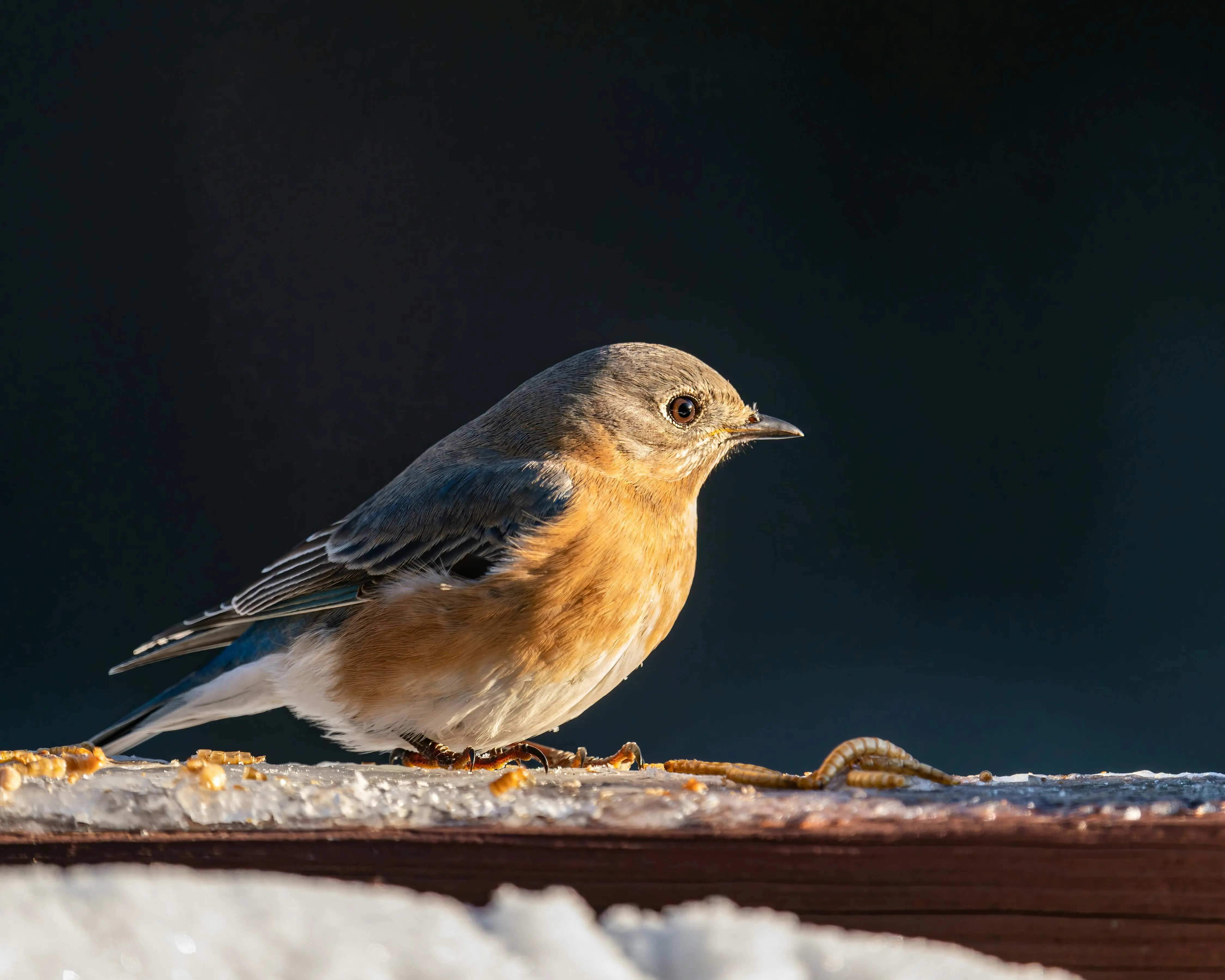
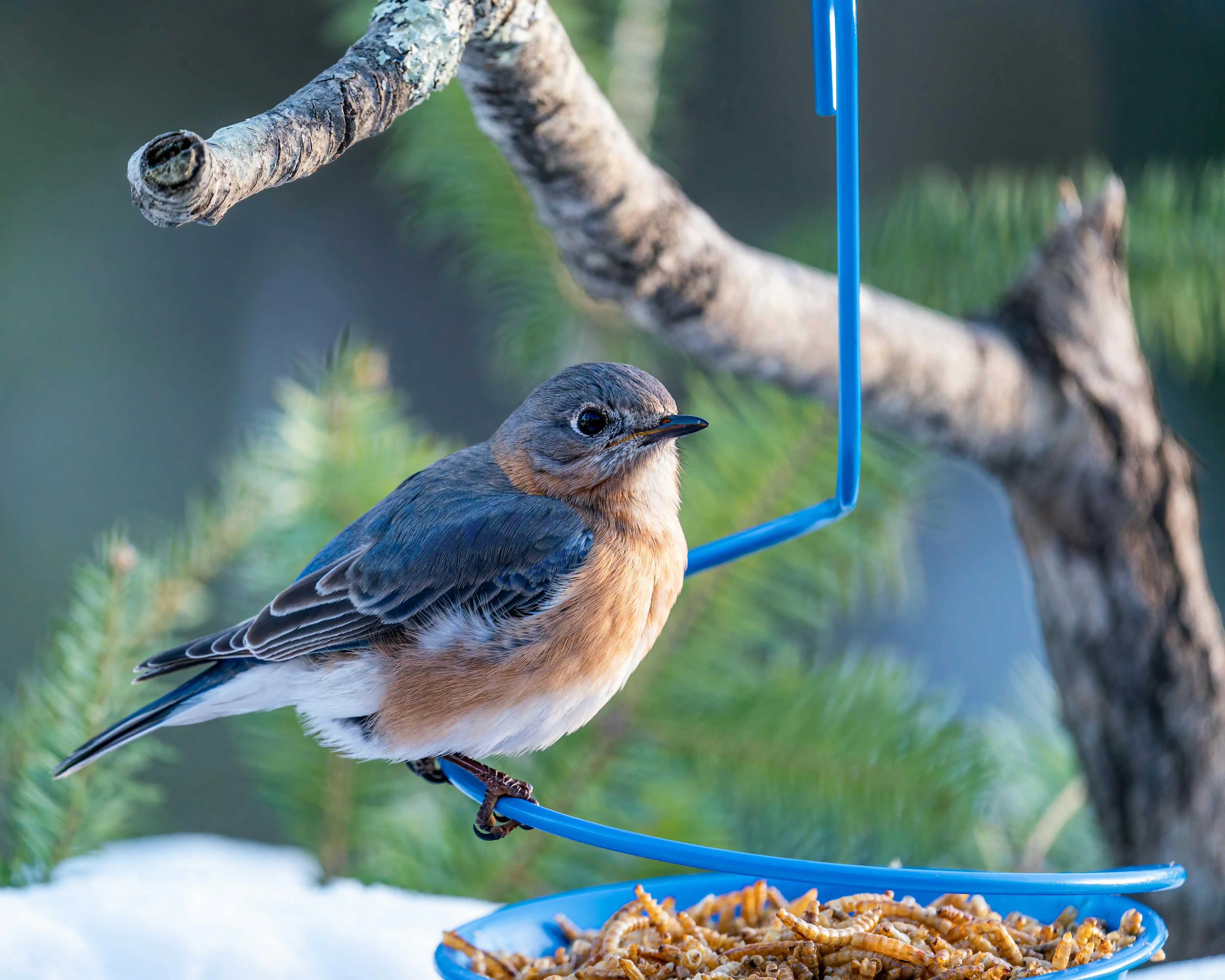
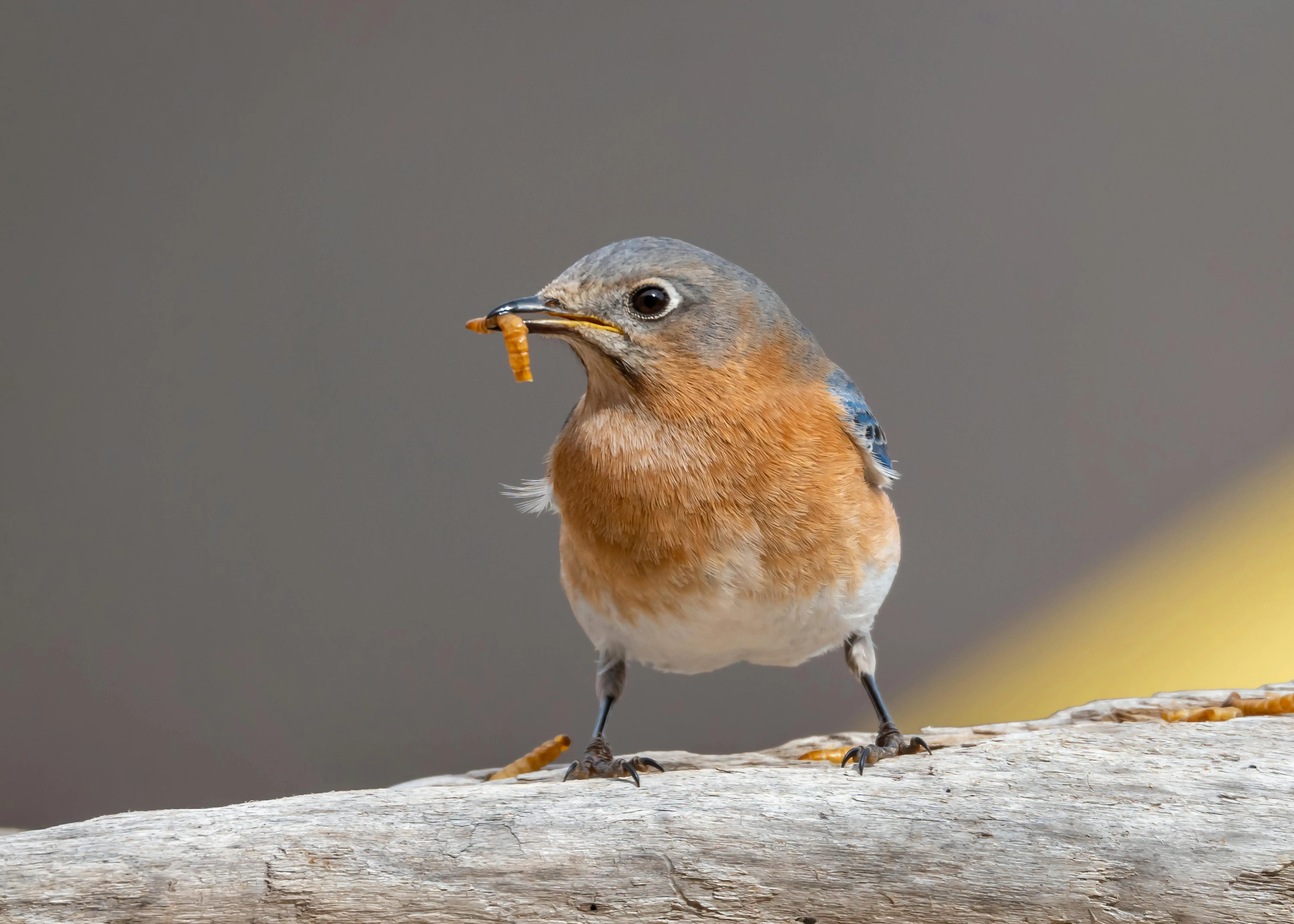
The most effective food to offer in blue bird feeders is mealworms, either live or dried. Live mealworms are often irresistible to bluebirds, mimicking their natural prey. Dried mealworms are a convenient alternative and can be rehydrated for added appeal. Beyond mealworms, consider offering a specialized bluebird suet, which is often formulated with insects and berries, or even small pieces of fruit like apple, raisins, or grapes. Avoid offering traditional seed mixes in bluebird feeders, as these are rarely eaten by bluebirds and will primarily attract other species, potentially deterring your target birds. Understanding and catering to these specific preferences is the first step in creating a successful bluebird feeding station.
Why Mealworms are King for Bluebirds
Mealworms are undeniably the go-to food for anyone serious about attracting bluebirds. Their high protein content and resemblance to natural insect prey make them an incredibly appealing option. Bluebirds, especially during nesting season when they are feeding their young, require a significant amount of protein to support their growth and development. Live mealworms offer the added benefit of movement, which often triggers a stronger feeding response in bluebirds. While live mealworms require a bit more maintenance from the feeder, their effectiveness is unparalleled. Dried mealworms are a fantastic alternative for those who prefer a less hands-on approach. Many brands offer high-quality dried mealworms that, when placed in blue bird feeders, can still be very enticing. Sometimes, rehydrating dried mealworms in warm water for about 10-15 minutes can make them even more attractive and easier for the birds to digest. Ensuring a consistent supply of mealworms, whether live or dried, will significantly increase your success in drawing bluebirds to your feeders.
Choosing the Right Blue Bird Feeders
Selecting the appropriate blue bird feeders is just as important as the food you offer. Bluebirds have specific feeding behaviors and physical characteristics that dictate the best feeder designs. Unlike seed-eating birds that often cling to feeders, bluebirds prefer to perch on a stable surface while they eat. This means feeders with platforms, trays, or shallow dishes are generally more effective. The design should also make the food easily accessible to bluebirds while ideally deterring larger, more aggressive birds, or squirrels. Material choice also plays a role in the longevity and effectiveness of your feeder. Durable materials that can withstand outdoor elements are essential.
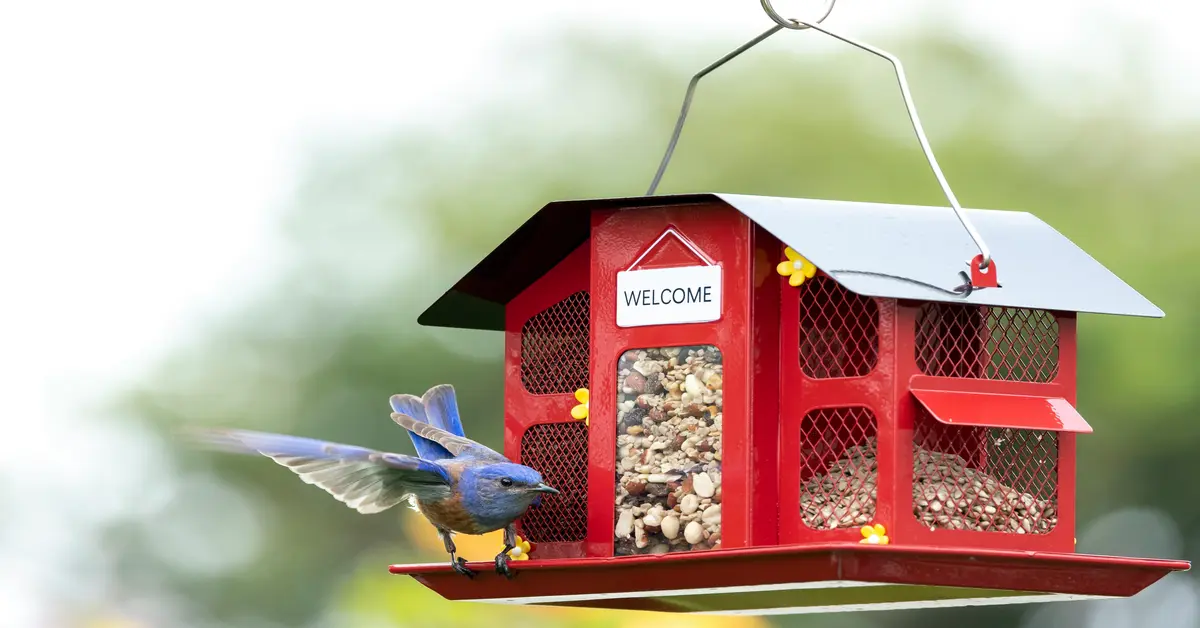
Several types of blue bird feeders are specifically designed with these preferences in mind. These include platform feeders, dish feeders, and specialized bluebird feeders that often incorporate features like plexiglass windows or cage designs to restrict access. When evaluating options, consider factors like ease of cleaning, capacity, and predator protection. A well-chosen feeder not only attracts bluebirds but also keeps them safe and healthy. Remember, the goal is to create a feeding station that is intuitive and comfortable for bluebirds, encouraging them to return repeatedly.
Specific Feeder Designs for Attracting Bluebirds
Platform feeders are simple trays that allow bluebirds to land and feed comfortably. They often have mesh bottoms to allow for drainage, preventing mealworms from becoming waterlogged. Dish or bowl feeders are similar, providing a shallow container for mealworms. These can be particularly effective when placed on a pole or hanging from a branch, offering bluebirds a clear view of their surroundings. Some specialized bluebird feeders feature a plexiglass roof or side panels that create a protected feeding area, making it harder for larger birds like starlings or jays to access the mealworms. Another popular design incorporates a cage or wire mesh surrounding the feeding dish. The openings in the cage are sized to allow bluebirds to pass through, but exclude larger birds. This type of bluebird feeder is highly effective at minimizing competition and ensuring your mealworms are enjoyed by their intended recipients. Regardless of the design, ensure the feeder is easy to clean, as hygiene is paramount for bird health.
Optimal Placement and Maintenance for Blue Bird Feeders
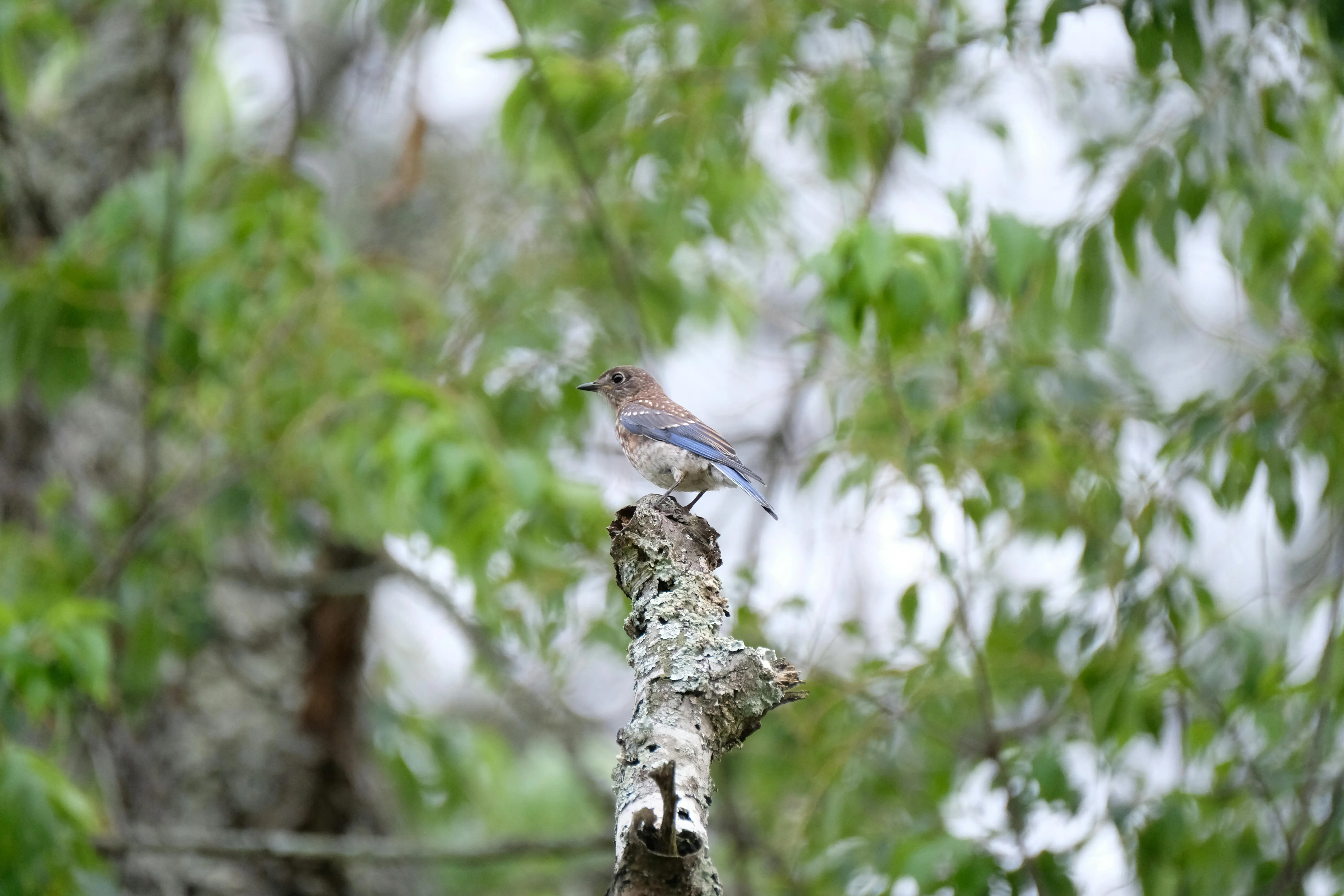
Beyond selecting the right blue bird feeders and food, their placement and ongoing maintenance are critical for long-term success. The location of your feeders can significantly impact their visibility and safety for bluebirds. Bluebirds are often found in open woodlands, orchards, and suburban areas with scattered trees. They prefer open spaces with nearby perching opportunities and sources of water. Placing your feeders in such an environment will maximize their appeal. Consider placing feeders away from dense shrubbery that could harbor predators, but close enough to trees or branches for bluebirds to perch and observe their surroundings before approaching the feeder.
Regular cleaning is non-negotiable for all blue bird feeders. Mealworms, especially live ones, and other wet foods can quickly spoil, leading to mold and bacteria buildup. This can be harmful to bluebirds and deter them from visiting. Aim to clean your feeders thoroughly at least once a week, or more frequently during hot and humid weather. Using a mild detergent and scrubbing brush, followed by a thorough rinse and drying, will ensure a healthy feeding environment. Consistent replenishment of fresh food is also important; empty feeders won’t attract anyone. By focusing on smart placement and diligent maintenance, you can ensure your blue bird feeders remain a popular and safe destination for your feathered friends.
Tips for Keeping Your Blue Bird Feeders Clean and Safe
To maintain a clean and safe environment for bluebirds, follow these essential tips. First, always use separate cleaning tools for bird feeders to avoid cross-contamination. A designated brush and bucket are ideal. Second, after cleaning with soap and water, you can opt for a diluted bleach solution (1 part bleach to 9 parts water) for disinfection. However, if using bleach, ensure you rinse the feeder thoroughly multiple times until no bleach smell remains. Let the feeder air dry completely in the sun, as sunlight can help sanitize naturally. Third, position feeders where they are easily accessible for cleaning, but out of reach for ground predators like cats. Fourth, consider offering smaller quantities of mealworms or other foods daily, rather than filling feeders to capacity, to minimize spoilage, especially during warm weather. This strategy reduces waste and ensures the food is always fresh. Lastly, rotate feeder locations periodically if possible to prevent excessive accumulation of droppings or discarded food in one spot, which can also harbor pathogens. These practices will contribute to the health and well-being of the bluebirds visiting your blue bird feeders.
Troubleshooting Common Bluebird Feeder Challenges
Even with the best blue bird feeders and intentions, you might encounter some common challenges. Overcoming these hurdles is part of the journey of attracting and sustaining a bluebird population in your yard. One of the most frequent issues is attracting unwanted visitors such as starlings, sparrows, squirrels, or even raccoons. These animals can quickly deplete your mealworm supply and deter bluebirds. Solutions often involve using specialized feeder designs discussed earlier, such as caged feeders that only allow smaller birds to enter. Another challenge is the initial reluctance of bluebirds to use new feeders. Bluebirds can be shy and may take time to discover and trust a new food source.
Patience is key in this scenario. Ensuring the feeder is in a quiet, undisturbed area can help. Predators, both aerial and terrestrial, are another concern. Cats, hawks, and even larger birds can pose a threat. Placing feeders strategically, away from dense cover where predators can hide, but near escape routes like scattered trees, can help. Understanding and addressing these challenges will help you create a more secure and appealing environment for your bluebird friends, ensuring your blue bird feeders remain a successful attraction.
Dealing with Unwanted Guests and Predators at Blue Bird Feeders
Effectively managing unwanted guests and protecting bluebirds from predators requires a multi-pronged approach. For aggressive birds like starlings and house sparrows, caged blue bird feeders are highly effective because the openings are too small for them to pass through. Another strategy is to offer mealworms in a feeder with a weighted perch that collapses under the weight of heavier birds but remains stable for bluebirds. For squirrels and raccoons, squirrel baffles installed above or below pole-mounted feeders are crucial. These barriers prevent them from climbing up or down to access the food. When placing feeders, consider a location at least 10-12 feet away from any structures or tree limbs that squirrels might use as a launching pad. To deter predators like cats, ensure feeders are placed in open areas, away from thick bushes or low-hanging branches where cats can hide and ambush. Attaching a bell to your cat’s collar can also provide a warning to birds. If hawk predation is an issue, providing scattered protective cover like small, dense shrubs near the feeding area can offer bluebirds a quick escape route without obstructing their flight paths to the feeder itself. By implementing these measures, your blue bird feeders can become a much safer haven for their delicate visitors.
The Joy of Attracting Bluebirds to Your Garden
Successfully attracting bluebirds to your garden with blue bird feeders is an incredibly rewarding experience that enriches any outdoor space. Their vibrant colors, cheerful calls, and graceful movements add a touch of magic that can transform a simple backyard into a lively natural sanctuary. Observing these beautiful creatures as they visit your feeders, feed their young, and interact with their environment provides endless hours of enjoyment and a deeper connection to local wildlife. Beyond their aesthetic appeal, bluebirds also play a beneficial role in the ecosystem, helping to control insect populations, making them welcome guests for gardeners.
The effort invested in choosing the right blue bird feeders, providing appropriate food, and maintaining a safe environment comes back tenfold in the sheer pleasure of their presence. Each visit is a testament to your dedication and the creation of a welcoming habitat. Seeing a family of bluebirds happily foraging at a feeder you’ve carefully prepared is a truly special moment. It fosters a sense of responsibility and appreciation for nature, encouraging further stewardship of your garden environment. Make your yard a haven for these precious birds, and you’ll be richly rewarded with their beauty and charm for years to come.
FAQs About Blue Bird Feeders
How do blue bird feeders differ from regular bird feeders?
Blue bird feeders are specifically designed to cater to bluebirds’ dietary preferences, primarily mealworms, and their feeding behavior, which often involves perching on stable surfaces rather than clinging. They also frequently incorporate features to deter larger birds and squirrels.
What is the best bird food for bluebirds?
The best bird food for bluebirds is mealworms, either live or dried. They are very high in protein, which is essential for bluebirds, especially during nesting season. Specialized bluebird suet and small pieces of fruit are also good supplementary options for blue bird feeders.
How long does it take to attract bluebirds to a new feeder?
Attracting bluebirds can take time and patience. It might be a few days, several weeks, or even a few months. Factors like the feeder’s location, consistency of food, and existing bluebird populations in your area can influence the timeline. Persistence with your blue bird feeders is key.
Can I feed bluebirds in winter?
Yes, feeding bluebirds in winter is highly beneficial, especially when natural food sources like insects and berries are scarce. Offering mealworms, bluebird suet, and small fruits in your blue bird feeders can greatly aid their survival during colder months.
How often should I clean my blue bird feeders?
Blue bird feeders, especially those holding mealworms or wet foods, should be cleaned at least once a week. During hot or humid weather, more frequent cleaning (every 2-3 days) is recommended to prevent spoilage and bacterial growth. Regular cleaning ensures a healthy environment for bluebirds.
Conclusion: Your Bluebird Oasis Awaits
Creating a backyard oasis for bluebirds is a deeply gratifying endeavor that returns immense beauty and natural charm to your personal space. By understanding their unique needs and implementing the strategies outlined in this guide, you are well on your way to becoming a successful bluebird host. The journey begins with selecting the right blue bird feeders, focusing on designs that cater to their perching habits and deter unwanted visitors.
Equally important is providing their preferred diet, with mealworms leading the charge as the most effective attractant. Thoughtful placement, ensuring safety from predators and easy access for the birds, combined with diligent cleaning and maintenance, will solidify your garden’s reputation as a reliable and welcoming bluebird haven. Don’t be discouraged by initial challenges; patience and persistence are your greatest allies. Embrace the process, and soon you’ll be enjoying the stunning sight and cheerful songs of bluebirds gracing your blue bird feeders. Start today, and discover the profound joy of connecting with these magnificent creatures right in your own backyard!