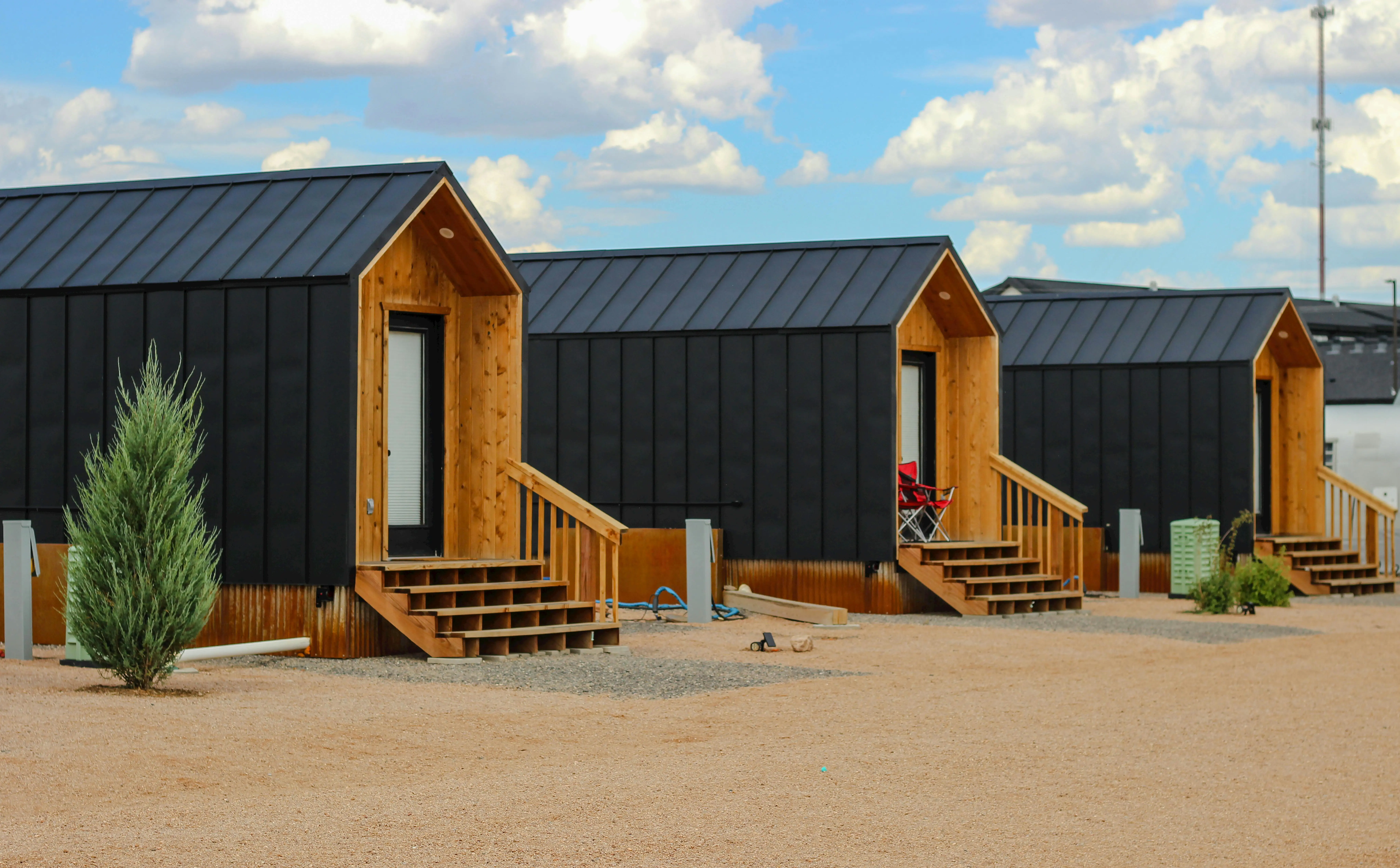
Are you dreaming of minimalist living without the mobility constraints of a house/”>tiny house on wheels? A tiny house on foundation offers the best of both worlds: the charm and efficiency of a small home with the permanence and stability of traditional construction. This approach provides a solid, long-term solution for those looking to downsize their footprint while rooting themselves in a specific location. By choosing a foundation, you unlock greater customization, increased property value, and often, smoother permitting processes. Let’s explore why building a tiny house on a permanent foundation might be the perfect path to your dream home.
The Enduring Appeal of a Tiny House on Foundation
Opting for a tiny house on foundation means investing in longevity. Unlike their wheeled counterparts, these homes are affixed to the ground, typically with a concrete slab, pier, or crawl space foundation. This not only provides superior structural integrity against severe weather but also often qualifies the home as real property, not an RV. This distinction is crucial for securing financing, obtaining insurance, and navigating local zoning laws, which are often more favorable to permanent structures. The perceived value and resale potential of a permanent tiny home are generally higher, making it a sound long-term investment.
Stability and Durability for Your Small Home Foundation
A properly installed small home foundation offers unmatched stability. It protects your tiny house from ground moisture, pests, and shifting soils, significantly extending its lifespan. Depending on your climate and soil conditions, you might choose a slab foundation for cost-effectiveness and excellent thermal mass, or a crawl space for easier utility access and insulation. Pier foundations are ideal for sloped lots or flood-prone areas, allowing airflow beneath the structure. Each type of foundation provides a robust base, ensuring your tiny home remains safe and secure for decades.
Building a 600 Square Foot Tiny House: Maximizing Space
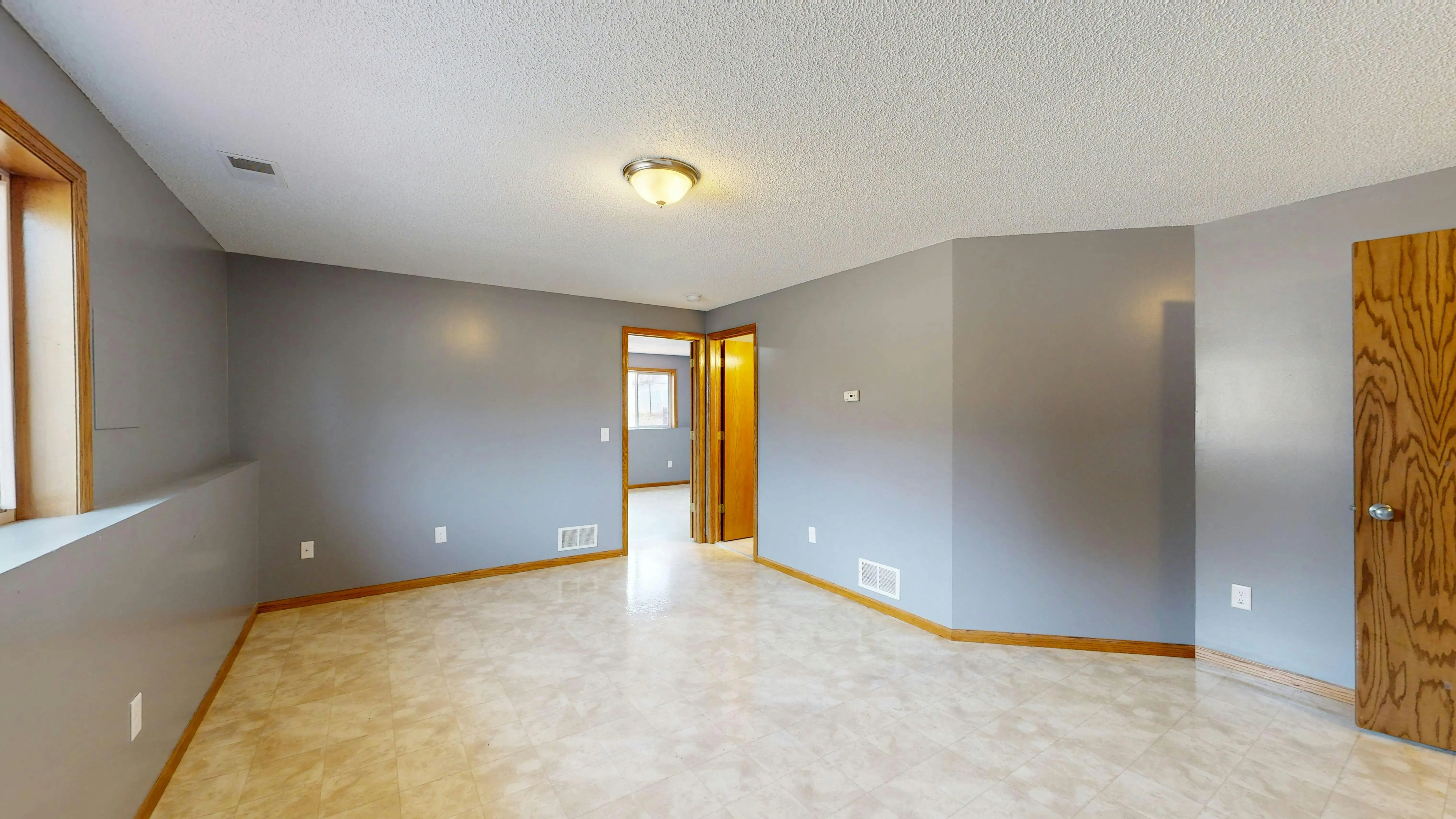
A 600 square foot tiny house, while still compact, offers more room for creative design and functionality than smaller models. With this extra space, you can comfortably incorporate dedicated living, sleeping, and working areas, often including a full-sized kitchen and bathroom. Building on a foundation allows for more traditional construction methods, making it easier to integrate standard appliances, built-in storage solutions, and even a small second bedroom or office loft. Thoughtful design, like multi-functional furniture and vertical storage, is key to making every square foot count in your well-appointed tiny abode.
Legalities and Logistics: Permitting Your Permanent Tiny Home
Navigating zoning and building codes is often simpler for a tiny house on foundation than for wheeled tiny homes. Because they are considered permanent dwellings, they typically fall under standard residential building codes. This means adhering to local requirements for setbacks, septic systems, utility hook-ups, and minimum square footage (where applicable). While this might involve more upfront paperwork and inspections, it results in a legally recognized and insurable home. Always research local regulations thoroughly before you begin your project or consult with a local architect or builder experienced in tiny home construction.
FAQs About Tiny Houses on Foundations
What are the main benefits of a tiny house on foundation?
A tiny house on foundation offers greater stability, durability, increased property value, easier financing and insurance, and simpler compliance with local building codes compared to tiny homes on wheels.
Is a tiny house on foundation cheaper to build than a traditional home?
Generally, yes. While the cost per square foot can be higher due to specialized construction and infrastructure, the overall material and labor costs for a much smaller footprint make a tiny house on foundation significantly more affordable than a standard-sized house.
Do I need a building permit for a tiny house on foundation?
Absolutely. Because it’s a permanent structure affixed to land, a tiny house on foundation is subject to local zoning, building codes, and requires a full building permit like any traditional home.
Can I put a tiny house on foundation on any land?
Not necessarily. Your land must be zoned for residential use and meet local requirements regarding setbacks, septic/sewer access, and utility connections. Always check local ordinances before purchasing land or starting construction.
How does a small home foundation impact resale value?
A tiny house on a permanent foundation typically holds and increases its value better than a tiny house on wheels, as it’s considered real property and has a longer lifespan, making it more appealing to future buyers and lenders.
Embrace Permanent Tiny Living
Choosing a tiny house on foundation is a powerful decision for those seeking a simplified lifestyle without sacrificing permanency or stability. It provides a robust, long-term solution for homeownership, often with fewer regulatory hurdles and greater financial advantages in the long run. From a tranquil rural escape to a clever urban infill, a permanent tiny home offers endless possibilities for custom design and sustainable living. Take the leap and discover the profound freedom and security that comes with rooting your tiny dreams in a solid foundation.