
A cracked sink can be more than just an eyesore; it can lead to leaks, water damage, and a generally unhygienic bathroom or kitchen. Fortunately, not every crack spells the end for your beloved basin. With the right approach and a little patience, many cracked sink repair jobs are manageable for the average homeowner. Whether it’s a hairline fracture in your porcelain bathroom sink or a more substantial chip, understanding the cause and the remedy is the first step towards restoring your sink’s functionality and aesthetic appeal. This guide will walk you through effective strategies to tackle those unwelcome fissures.
Understanding Your Cracked Sink: Diagnosis is Key
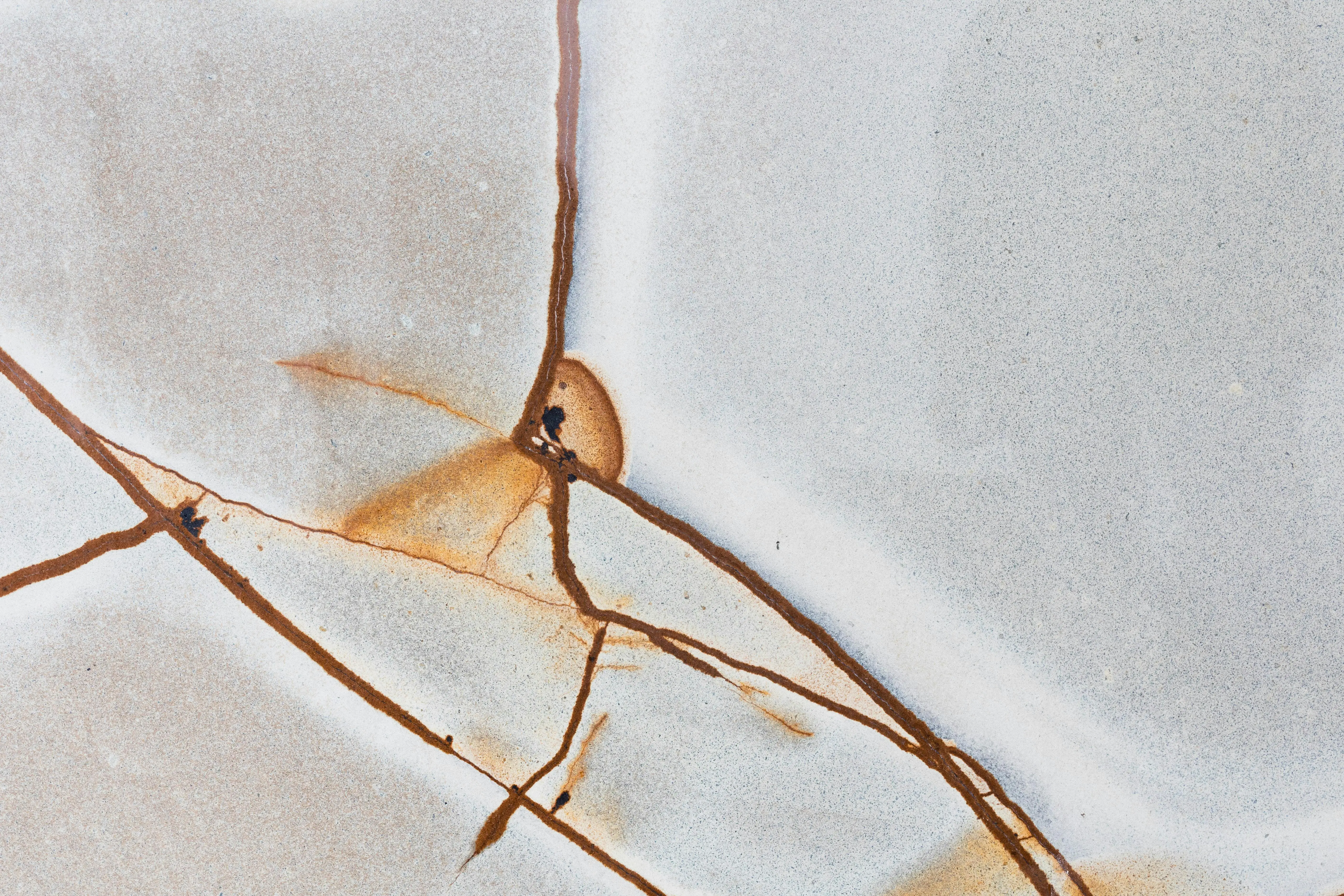
Before diving into any cracked sink repair, it’s crucial to accurately assess the damage. Is it a superficial craze line, a deep crack that goes all the way through, or a chip? The material of your sink-porcelain, ceramic, cast iron, or acrylic-also dictates the best repair method. For instance, fixing a porcelain sink often involves different materials and techniques compared to repairing an acrylic one. Inspect the crack closely, noting its length, depth, and location. Is it in a high-stress area, near the drain, or on the rim? A thorough diagnosis ensures you choose the most effective and lasting solution for your specific cracked sink.
Essential Tools and Materials for Cracked Sink Repair
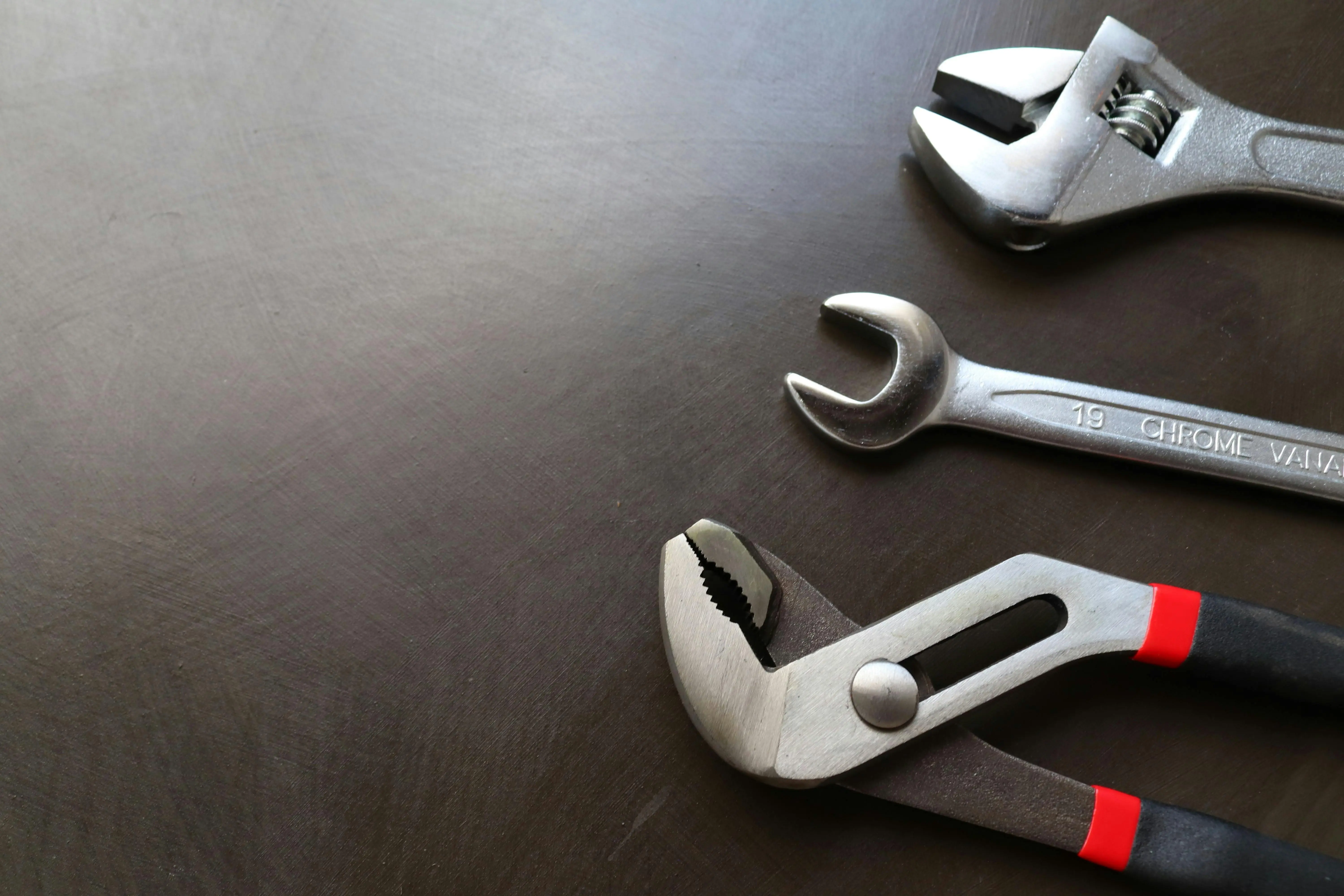
Gathering the right tools and materials before you start your cracked sink repair project will save you time and frustration. For most minor cracks, you’ll likely need a two-part epoxy or a specialized porcelain repair kit. These kits often include a filler, hardener, and colorants to match your sink. Other handy items include fine-grit sandpaper, rubbing alcohol for cleaning, a clean cloth, a small spatula or stirring stick, and painter’s tape to protect surrounding areas. For larger chips, you might consider a fiberglass repair kit. Always read the instructions on your chosen repair product carefully, as application methods can vary.
Step-by-Step Guide: How to Repair a Cracked Porcelain Sink
Repairing a cracked porcelain sink involves several meticulous steps to ensure a strong and invisible fix. First, thoroughly clean the cracked area with rubbing alcohol to remove any grease or grime. Allow it to dry completely. Next, apply painter’s tape around the crack, leaving only the damaged area exposed. This helps create a clean edge. Mix your two-part epoxy or porcelain repair compound according to the manufacturer’s instructions. Carefully apply a thin layer of the mixture to the crack, ensuring it fills the entire void. Use a spatula or razor blade to smooth the surface, level with the surrounding sink. Allow adequate curing time, which can vary from a few hours to overnight, then gently sand smooth if necessary and polish the area.
When to Call a Professional for Bathroom Sink Repair
While many minor cracked sink repair jobs are DIY-friendly, there are instances where professional help is warranted. If the crack is extensive, spans across a large portion of the sink, or compromises its structural integrity, a professional plumber or sink restorer might be your best bet. Deep cracks that leak water consistently, or those in antique or specialty sinks, also often require expert attention. Attempting to fix severe damage yourself could lead to further complications and higher repair costs down the line. A professional can offer specialized techniques, materials, and peace of mind.

FAQ: All Your Cracked Sink Questions Answered
What causes sinks to crack?
Sinks can crack due to sudden temperature changes, heavy impacts from dropped objects, manufacturing defects, or pressure from overtightened plumbing fixtures. Age and prolonged stress can also contribute.
Can you repair a cracked porcelain sink permanently?
For minor cracks, a high-quality epoxy or porcelain repair kit can provide a durable and long-lasting fix. However, for severe structural cracks, a complete replacement might be the only permanent solution.Is it safe to use a sink with a hairline crack?
A hairline crack that doesn’t leak is generally safe for temporary use, but it should be addressed promptly to prevent it from worsening into a larger, more problematic crack.How long does a sink repair typically last?
The longevity of a cracked sink repair depends on the extent of the damage, the quality of the repair materials, and how well the sink is maintained afterward. Minor repairs can last for many years with proper care.
What’s the best way to prevent sink cracks?
Prevent cracks by avoiding dropping heavy objects into the sink, using mats for protection, and being mindful of extreme temperature fluctuations. Ensure plumbing is installed correctly to prevent undue stress on the sink material.
Conclusion: Embracing a Flawless Future for Your Sink
Don’t let a cracked sink diminish the beauty or functionality of your bathroom or kitchen. With the right approach to cracked sink repair, you can often restore your basin to its former glory. From understanding the nuances of the damage to meticulously applying repair compounds, taking proactive steps can save you the cost and hassle of a full replacement. Remember to always prioritize safety and follow product instructions for the best results. If in doubt, don’t hesitate to consult a professional. Embrace these strategies and enjoy a perfectly restored, functional, and aesthetically pleasing sink once more!