
stains/”>bleach stains can be a homeowner’s nightmare, turning vibrant fabrics into faded, discolored patches. Whether it’s a splatter on your favorite shirt, a drip on your carpet, or an accidental spill on upholstery, these unsightly marks often seem permanent. The good news is that while removing the original bleach can be impossible (since it’s a strong oxidizing agent that removes color), you can often minimize its appearance or even reintroduce color to salvage your items. Understanding the science behind bleach and knowing the right techniques are crucial for tackling these stubborn stains. This comprehensive guide will walk you through effective strategies and practical tips on how to get rid of bleach stains, helping you restore your belongings.
Understanding Bleach Stains and Why They Happen
Bleach, primarily sodium hypochlorite, works by oxidizing chromophores – the molecules responsible for color in fabrics. This oxidation process breaks down the chemical bonds of these color molecules, effectively removing the color and resulting in a white or faded spot. Once color is removed by bleach, it cannot be put back in the same way you’d remove a dirt stain. The key to addressing these areas isn’t ‘removing’ the bleach stain itself, but rather restoring the lost color or minimizing the contrast. The immediate aftermath of a bleach spill requires swift action, but even older, set-in stains can sometimes be improved with the right approach. Knowing what fabric you’re dealing with (natural fibers vs. synthetics) is also vital, as different materials react differently to color restoration efforts.
Immediate Action: Neutralizing Fresh Bleach Stains
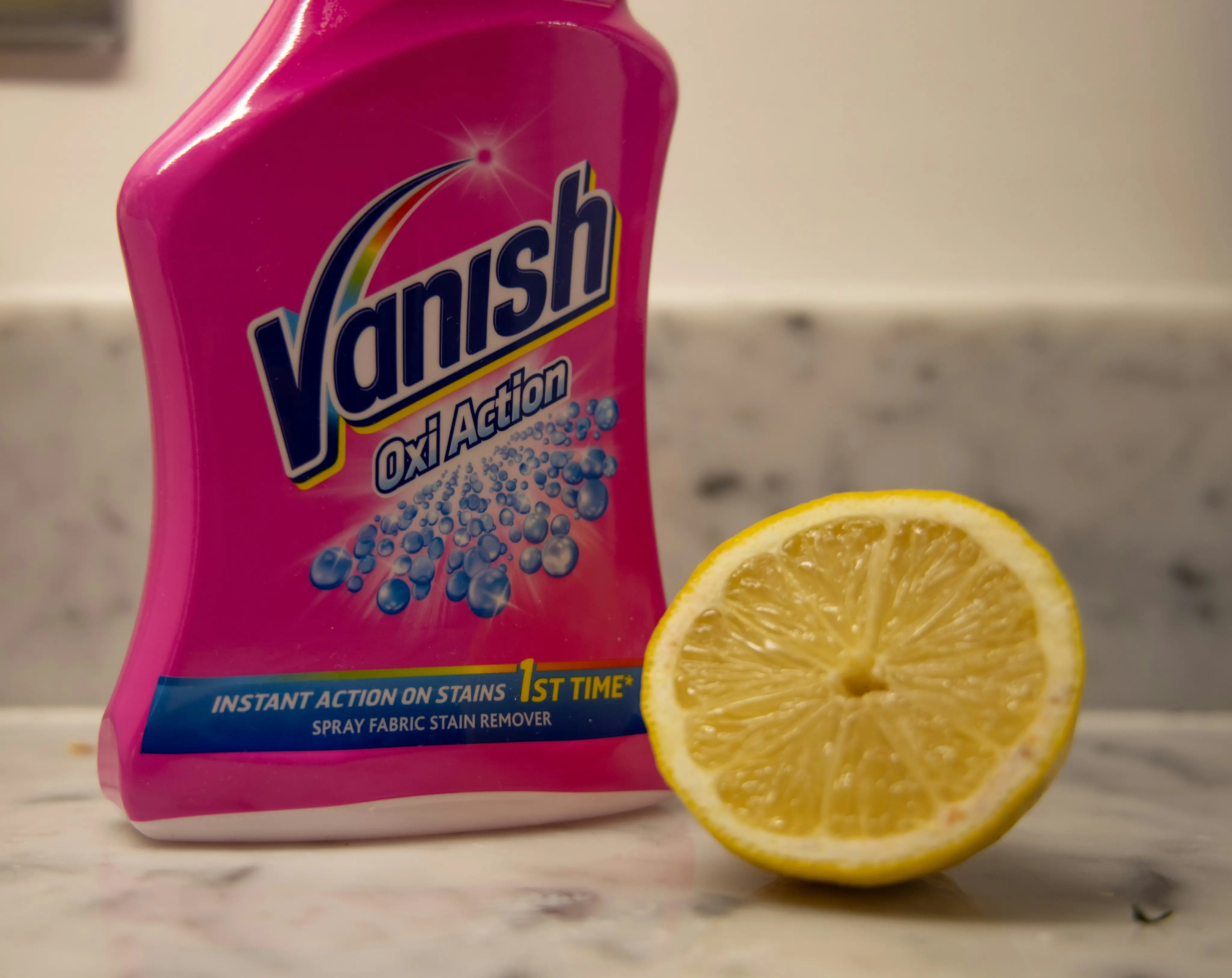
If you’ve just spilled bleach, acting quickly can significantly reduce the damage. The first step is to neutralize the bleach to stop its oxidizing action. You can create a simple bleach solution for stain removal neutralization with common household items. For clothing, rinse the affected area thoroughly with cold water to dilute the bleach. Then, apply a few drops of dish soap or a mixture of white vinegar and water. Vinegar is acidic and can help neutralize the alkalinity of bleach. Be careful not to use vinegar on bleach stains on delicate fabrics that might be sensitive to acid. Another effective neutralizer is hydrogen peroxide. Apply it directly to the fresh stain, let it sit for a few minutes, then rinse. These immediate actions are crucial for preventing further discoloration and setting the stage for potential color restoration.
Effective Techniques for Restoring Color to Fabric Bleach Stains
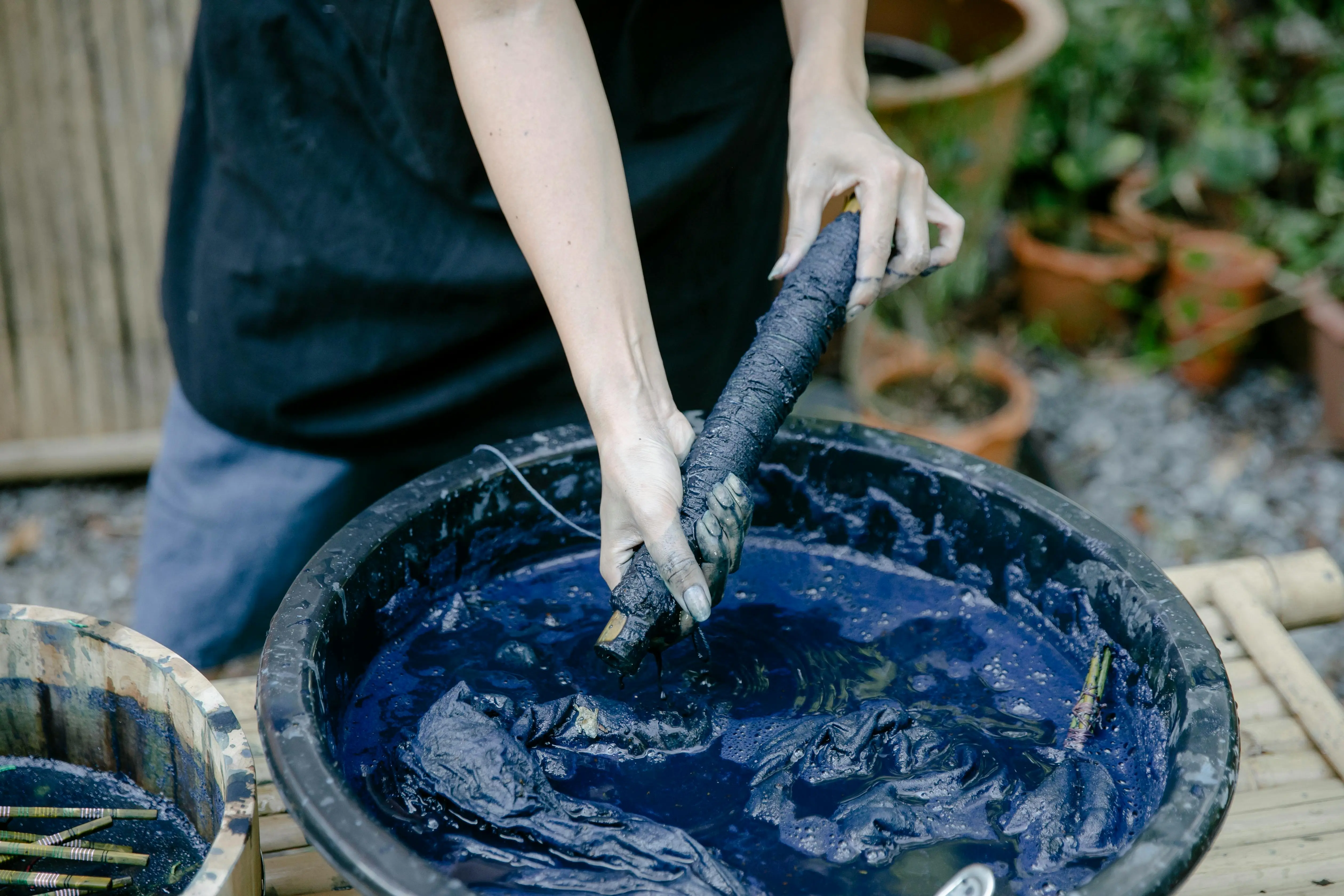
Once the bleach is neutralized, the next step in how to get rid of bleach stains is to attempt color restoration. This typically involves re-dyeing the affected area. For small spots on dark-colored fabrics, a permanent marker or fabric marker in a matching shade can work wonders. Test it in an inconspicuous area first. For larger bleach spots on clothing, fabric dye is your best bet. You can try spot-dyeing by diluting the dye and carefully applying it with a cotton swab or a small brush, blending outwards. If the stain is large or the item is uniformly colored, re-dyeing the entire garment might be necessary for a consistent finish. Always read the dye instructions carefully and choose a dye specifically designed for your fabric type. Alternatively, for very small, almost invisible bleach spots, even a strong tea or coffee solution can sometimes provide a subtle tint.
How to Remove Bleach Stains from Carpets and Upholstery
Removing bleach stains from carpets and upholstery presents a unique challenge, as these items cannot be easily washed or re-dyed entirely. For fresh spills, blot the area immediately with cold water to dilute the bleach. Then, apply a mixture of dish soap and water, blotting gently. For set-in stains, color restoration is often the primary strategy. You can purchase carpet dye kits that come with various shades for spot treatment. Carefully match the color and apply the dye using a small brush, feathering the edges to blend. Another option for light-colored carpets is to use a brown or black permanent marker for very small dots, carefully blending to create a natural look. If you’re hesitant, consider consulting a professional carpet cleaning or restoration service, as they have specialized tools and dyes for these situations when you want to truly how to get rid of bleach stains effectively.
FAQ: Your Top Questions on Bleach Stain Removal
How can I naturally neutralize a bleach stain?
You can neutralize a fresh bleach stain with white vinegar, hydrogen peroxide, or even baking soda mixed with water. These substances help counteract the strong oxidizer effect of bleach, stopping further damage.
Can hydrogen peroxide really fix bleach stains?
Hydrogen peroxide is effective at neutralizing bleach on contact, especially with fresh spills. While it won’t restore lost color, it stops the bleach from continuing to damage the fabric, making subsequent color restoration attempts more successful.
What is the best way to get rid of bleach stains on dark clothing?
For dark clothing, immediate neutralization is key. Afterwards, use a permanent fabric marker that closely matches the garment’s color for small spots. For larger areas, consider spot-dyeing with fabric dye or re-dyeing the entire garment for an even finish.
Is there a magical product to completely remove bleach stains?
Unfortunately, once bleach has removed color, it’s virtually impossible to reverse the process and ‘remove’ the stain in the traditional sense. The goal is always to neutralize the bleach and then restore or reintroduce color to the affected area.
Should I throw away items with bleach stains?
Not necessarily! With the right techniques for neutralization and color restoration, many items with bleach stains can be salvaged. Experiment with fabric markers, dyes, or even creative patching before discarding them.
Conclusion: Reclaiming Your Stained Items with Confidence
While the initial sight of a bleach stain can be disheartening, remember that it’s not always a death sentence for your beloved items. Understanding how to get rid of bleach stains involves a two-pronged approach: immediate neutralization to halt the damage and then strategic color restoration to blend or reintroduce lost hues. From simple household remedies like vinegar and hydrogen peroxide to more advanced techniques like fabric dyeing, there are numerous ways to tackle these persistent marks. Don’t let a bleach accident ruin your day-arm yourself with these effective tips and confidently restore your clothes, carpets, and upholstery. With a bit of patience and the right methods, you can often salvage what seemed lost. Embrace these solutions and give your cherished possessions a second chance today!