
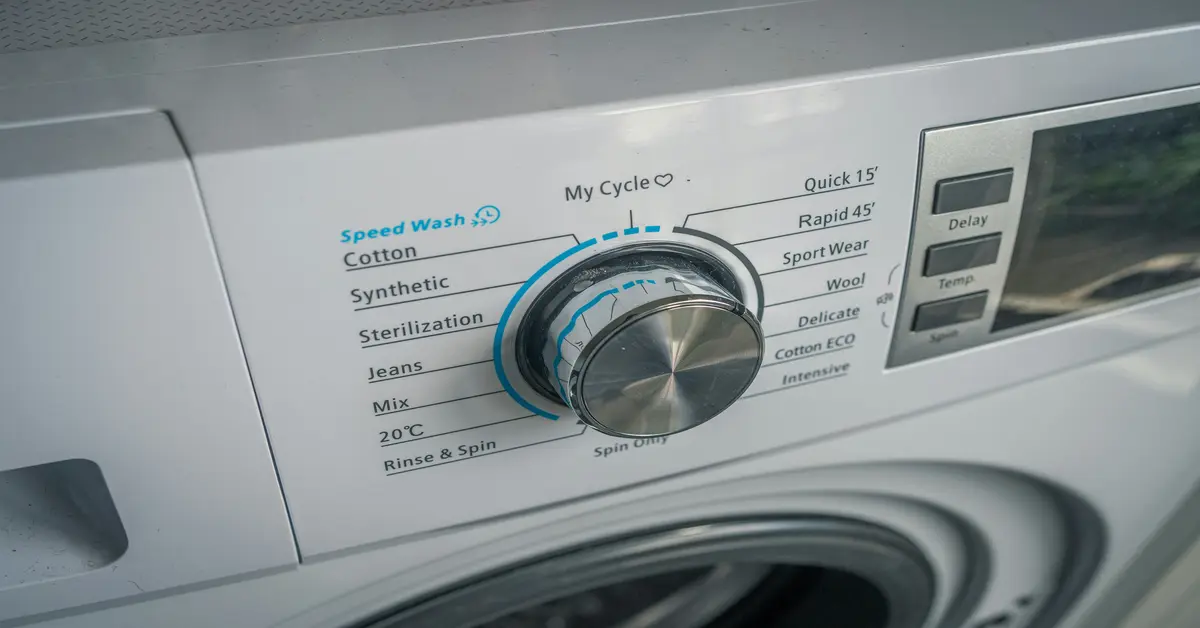

Understanding machine/”>washing Machine weight: A Comprehensive Guide
When considering moving or purchasing a new appliance, a common question arises: how much does a washing machine weigh? This seemingly simple query has a surprisingly nuanced answer, as the weight can vary significantly based on the type, size, and features of the machine. Knowing the approximate weight is crucial for planning logistics, especially if you're tackling a DIY move, scheduling delivery, or even reinforcing flooring. From compact apartment models to heavy-duty industrial units, understanding the factors that influence washer weight will help you make informed decisions and avoid potential backaches or structural issues.
This guide will break down the typical weight ranges for different washing machine types, explain why they vary, and provide essential tips for safe handling. We'll also touch upon the combined weight when considering how heavy is a washer and dryer together, empowering you with the knowledge needed for a smooth and safe appliance transition. Let’s dive into the specifics of how much does a washing machine weigh and ensure your next appliance project is a breeze.
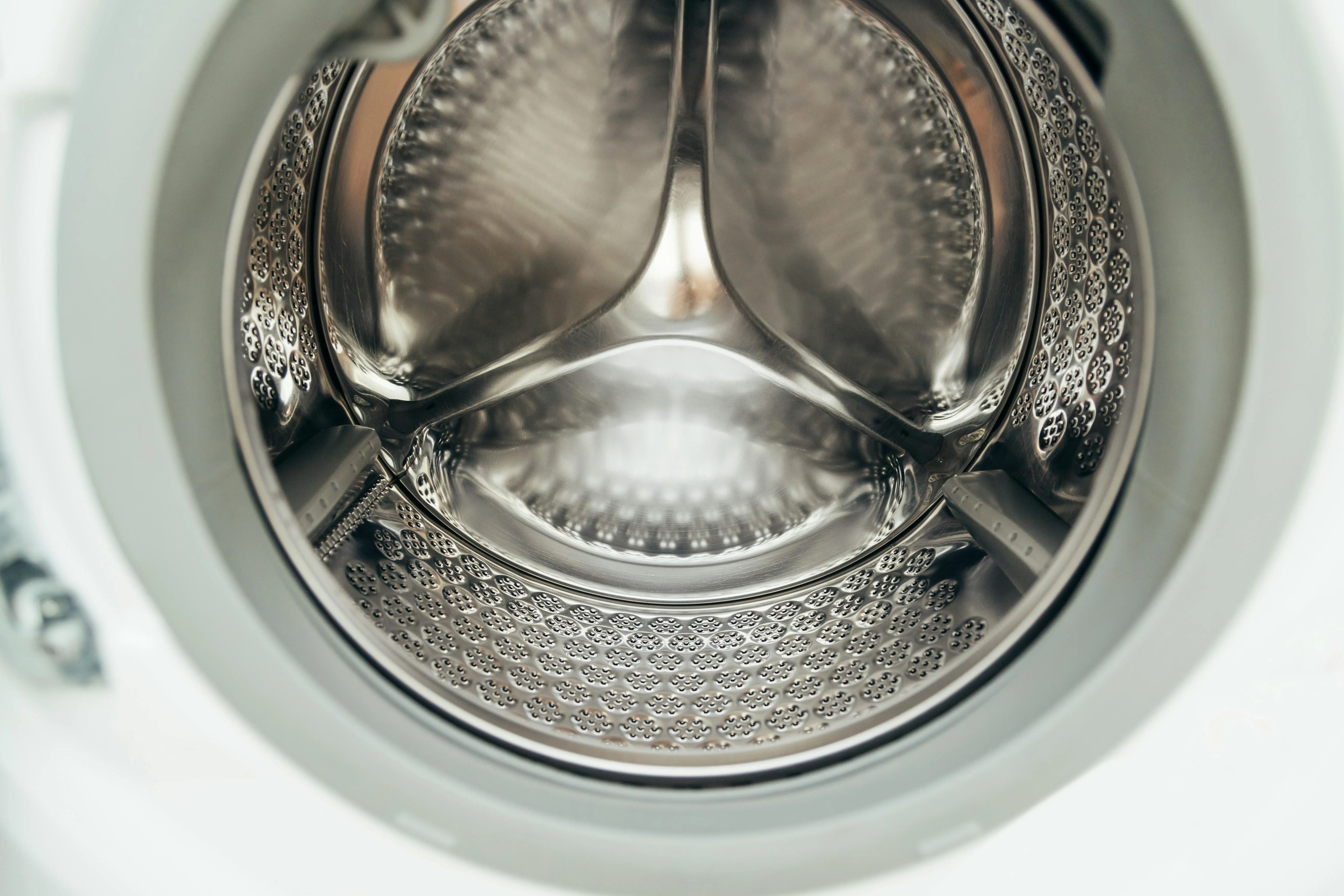
Average Washing Machine Weights by Type
The weight of a washing machine isn’t a one-size-fits-all answer. Different designs cater to different needs, and their construction reflects that. A standard top-load washing machine, often found in many homes, typically weighs between 130 to 180 pounds. These models are generally simpler in their mechanics compared to front-loaders, contributing to a slightly lighter average weight. However, variations exist even within this category, with larger capacity models pushing towards the higher end.
Front-load washing machines, renowned for their energy efficiency and gentle washing action, tend to be heavier. Their robust build, often incorporating heavier counterweights to manage vibrations during high-speed spinning, places them in the range of 180 to 250 pounds, or even more for high-capacity or commercial-grade units. Compact, portable washing machines, designed for smaller spaces or RVs, can be as light as 50 to 90 pounds, offering a much more manageable option for frequent relocation. Conversely, commercial or industrial washing machines, built for heavy use and large loads, can easily exceed 300 pounds, sometimes even reaching 500 pounds or more due to their reinforced components.
Factors Influencing Washer Weight
Several key elements contribute to the overall weight of a washing machine. The most significant is the type of machine itself, as discussed above. Front-loaders inherently require more internal bracing and heavier components to counteract the rotational forces. Another major factor is the material of the drum and outer tub. Stainless steel drums, while durable and rust-resistant, are heavier than plastic alternatives. Similarly, the outer tub’s construction material influences the total weight.
The motor size and chassis material also play crucial roles. Larger, more powerful motors needed for higher capacities add significant weight. Furthermore, the overall construction and build quality, including the robustness of the frame and the presence of soundproofing materials, can increase the appliance’s heft. Finally, advanced features like internal water heaters, steam functions, or sophisticated suspension systems contribute incrementally to the total weight, making modern, feature-rich machines often heavier than their older, simpler counterparts.
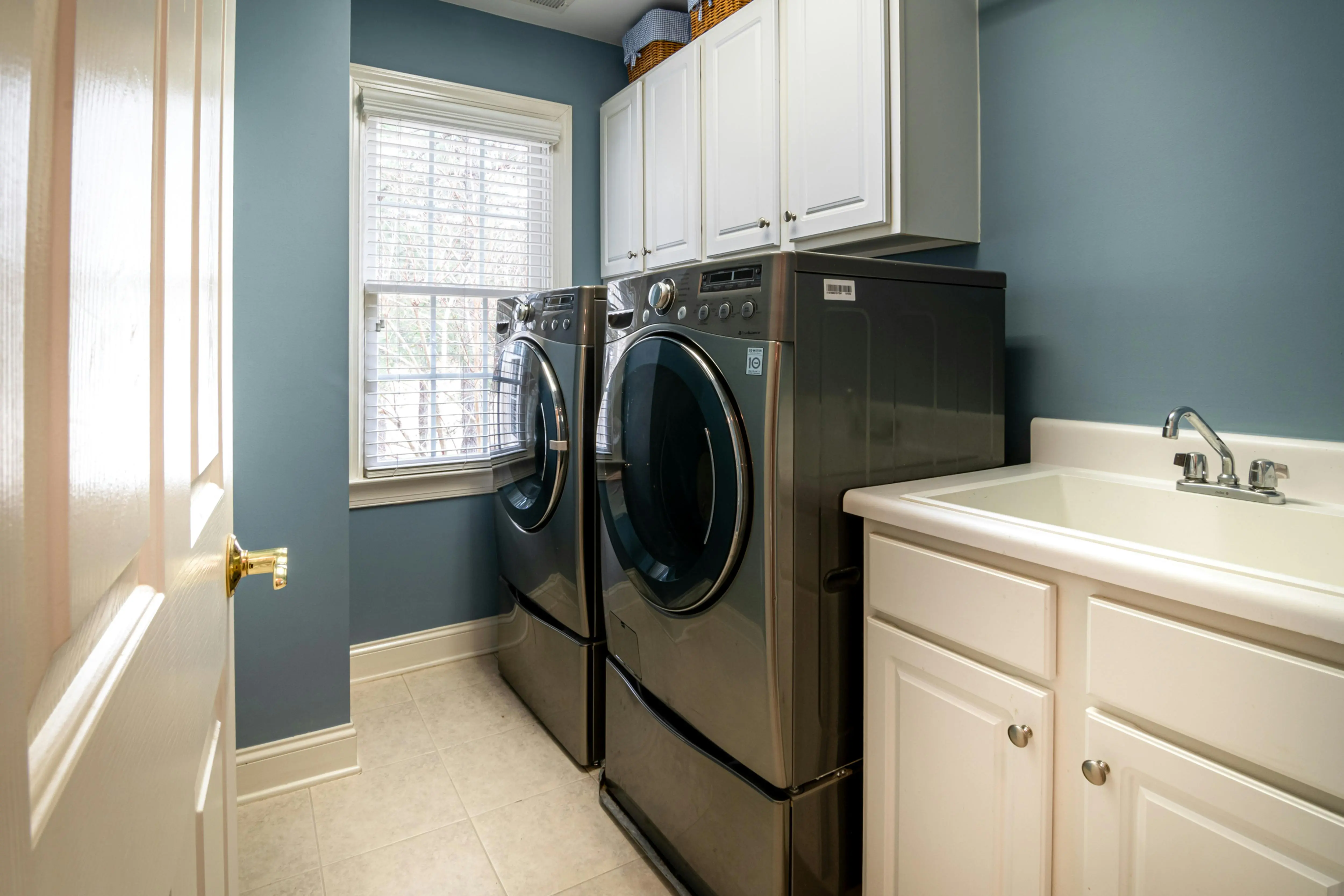
How Much Does a Washer and Dryer Weigh Together?
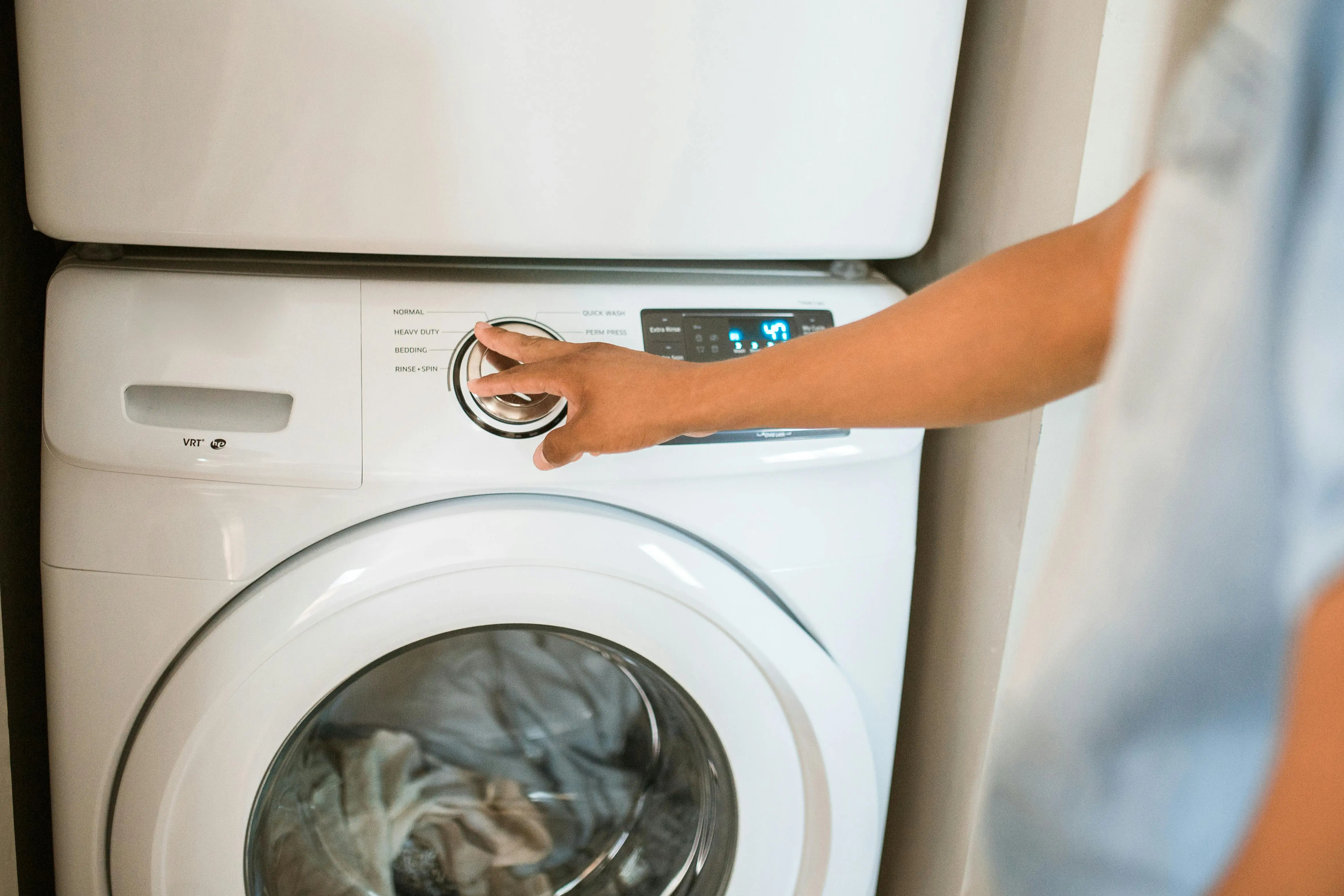
If you’re planning a move or a new laundry room setup, you’re likely considering the combined weight of your laundry pair. So, how heavy is a washer and dryer when moved as a unit? A typical residential washer and dryer set can range from 300 to 500 pounds. This combined weight is substantial and requires careful planning and proper equipment for safe handling. Given that most dryers are slightly lighter than washers, often ranging from 120 to 150 pounds for electric models, and a bit more for gas dryers due to additional components, their combined weight makes them a two-person job at minimum, often necessitating specialized moving straps or a dolly.
When stackable units are involved, the individual weights will be similar, but their stacked configuration adds to the perceived difficulty of moving. Always confirm the manufacturer’s specifications for both appliances, as they may have unique characteristics that impact their weight. Understanding the total weight is vital not only for moving but also for ensuring your flooring can support the combined load, especially on upper floors or if you have older floorboards.
Safe Handling and Moving Tips for Heavy Appliances
Moving a heavy appliance like a washing machine requires more than just brute strength; it demands careful planning and execution to prevent injury or damage. Always follow these essential safe handling tips. First, empty and disconnect the machine completely. Remove all water hoses, drain any residual water, and disconnect the power supply. Secure the drum with shipping bolts, if available, to prevent internal damage during transit. Failing to do so can lead to costly repairs.
Next, use the right equipment. An appliance dolly with straps is essential for moving a washing machine safely. Lifting straps can also be invaluable, distributing the weight evenly and reducing strain on your back. Always lift with your legs, not your back, and maintain a straight posture. When navigating stairs, one person should pull from above, and another should guide and support from below. If possible, enlist the help of at least one other person, as even a seemingly light washing machine can be unstable and unwieldy when moved alone. Consider hiring professional movers for exceptionally heavy or large capacity washing machines to ensure a hassle-free and damage-free relocation.

FAQ: Answering Your Washing Machine Weight Questions
How much does a washing machine weigh on average?
On average, a standard top-load washing machine weighs between 130 to 180 pounds, while a front-load model typically weighs from 180 to 250 pounds.
Why are front-load washing machines heavier than top-loaders?
Front-load washing machines are generally heavier due to their more robust construction, which often includes heavier counterweights designed to stabilize the drum during high-speed spinning cycles and minimize vibrations.
What should I consider when moving a heavy washing machine?
When moving a heavy washing machine, consider disconnecting it fully, draining all water, securing the drum with shipping bolts, and using an appliance dolly and lifting straps. Always enlist help to prevent injury.
Does the capacity of a washing machine affect its weight?
Yes, higher capacity washing machines generally weigh more. Larger drums and more powerful motors required for bigger loads contribute to an increase in overall appliance weight.
Is it safe to move a washing machine by myself?
It is generally not safe to move a washing machine by yourself due to its significant weight and awkward shape. Always seek assistance from at least one other person, and use appropriate moving equipment to ensure safety and prevent injury or damage.
Conclusion: Navigating the Weight of Your Washing Machine
Understanding how much does a washing machine weigh is more than just a trivial fact; it’s essential knowledge for anyone planning a move, contemplating a new purchase, or ensuring the structural integrity of their home. From the lighter portable units to the heavy-duty commercial behemoths, washing machine weights vary widely, influencing everything from delivery logistics to DIY moving strategies. We've explored the key factors that contribute to this weight, such as machine type, drum material, and features, and provided insights into the combined weight of a washer and dryer setup.
Armed with this comprehensive guide, you are now better equipped to handle your appliance needs safely and efficiently. Remember, always prioritize safety by using the right equipment and enlisting help when moving these substantial machines. For specific weight details, always refer to your appliance’s manufacturer specifications. Make your next appliance project a smooth and successful one with this foundational knowledge.