
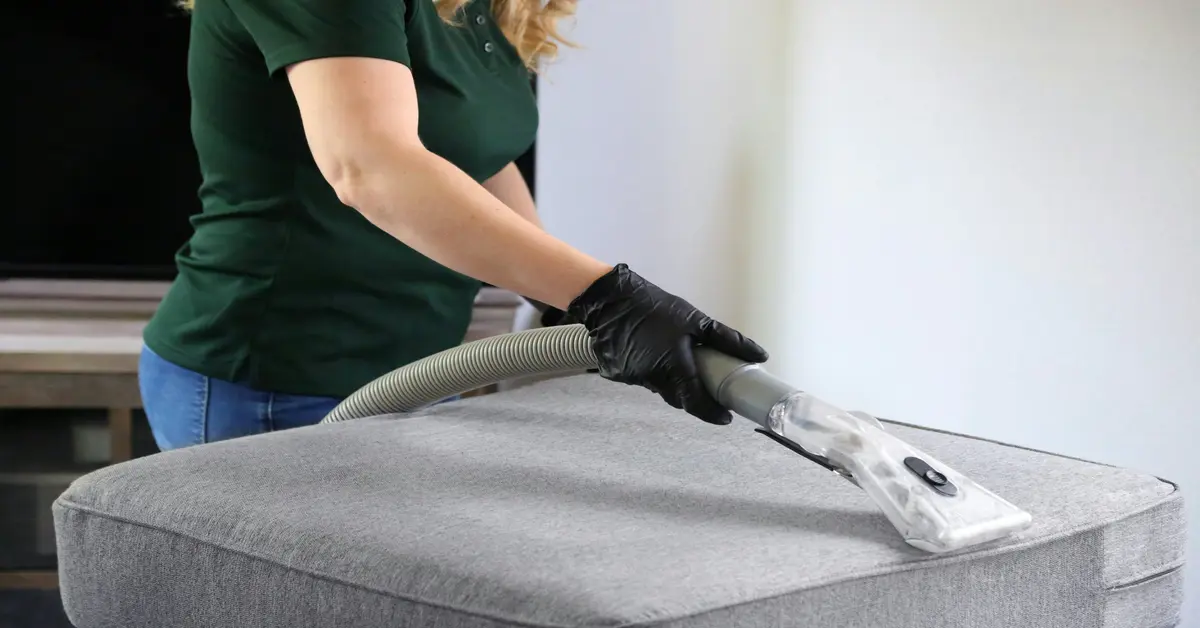
Upholstered furniture adds comfort and style to any home, but it also collects dust, dirt, and spills. Learning how to clean upholstered furniture effectively is essential for maintaining its appearance and extending its lifespan. Regular cleaning not only keeps your sofa looking fresh but also improves indoor air quality by removing allergens. This comprehensive guide will walk you through the entire process, from identifying your fabric type to tackling tough stains, ensuring your furniture remains a beautiful centerpiece for years to come.
Understanding Your Upholstery Fabric
Before you even think about cleaning products, it’s crucial to identify your upholstery fabric and its specific cleaning code. Most furniture pieces have a care tag, usually under a cushion or on the frame. These codes dictate the appropriate cleaning methods:
- W (Water-based cleaner): You can use water-based cleaners and steam.
- S (Solvent-based cleaner): Use only water-free solvents; water can cause staining.
- SW (Solvent or Water-based cleaner): Both types of cleaners are safe to use.
- X (Professional cleaning only): Do not use water or solvents; vacuuming is the only safe DIY option.
Ignoring these codes can lead to irreversible damage, such as water stains, shrinkage, or discoloration. If there’s no tag, it’s best to test any cleaning solution on an inconspicuous area first.
Essential Tools and Supplies for Cleaning Upholstered Furniture
Having the right tools makes the cleaning process much more efficient and effective. Here’s what you’ll likely need:
- Vacuum cleaner with upholstery attachment: For removing loose dirt and debris.
- Microfiber cloths: Soft and absorbent for wiping and blotting.
- Bucket of warm water: For mixing solutions and rinsing.
- Mild dish soap or specialized upholstery cleaner: Choose based on your fabric code.
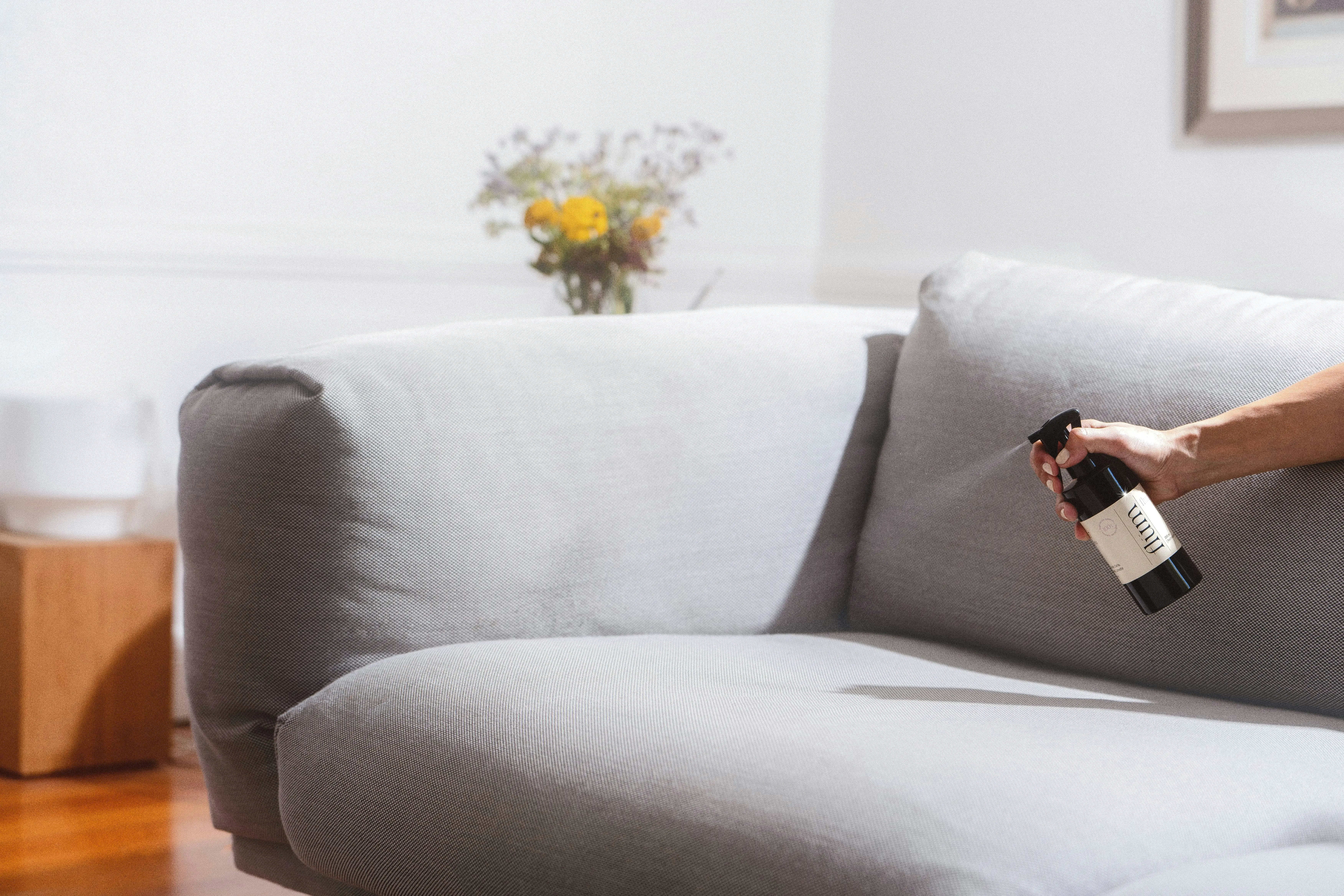
- Spray bottle: For applying cleaning solutions evenly.
- Soft brush or sponge: For gently agitating stains.
- Hairdryer (optional): For quick drying in certain situations.
- Distilled white vinegar: A natural deodorizer and stain remover for certain fabrics.
- Baking soda: Excellent for absorbing odors.
Always ensure your cleaning products are compatible with your fabric type to avoid damage.
Step-by-Step Guide: How to Clean Upholstered Furniture
1. Vacuum Thoroughly
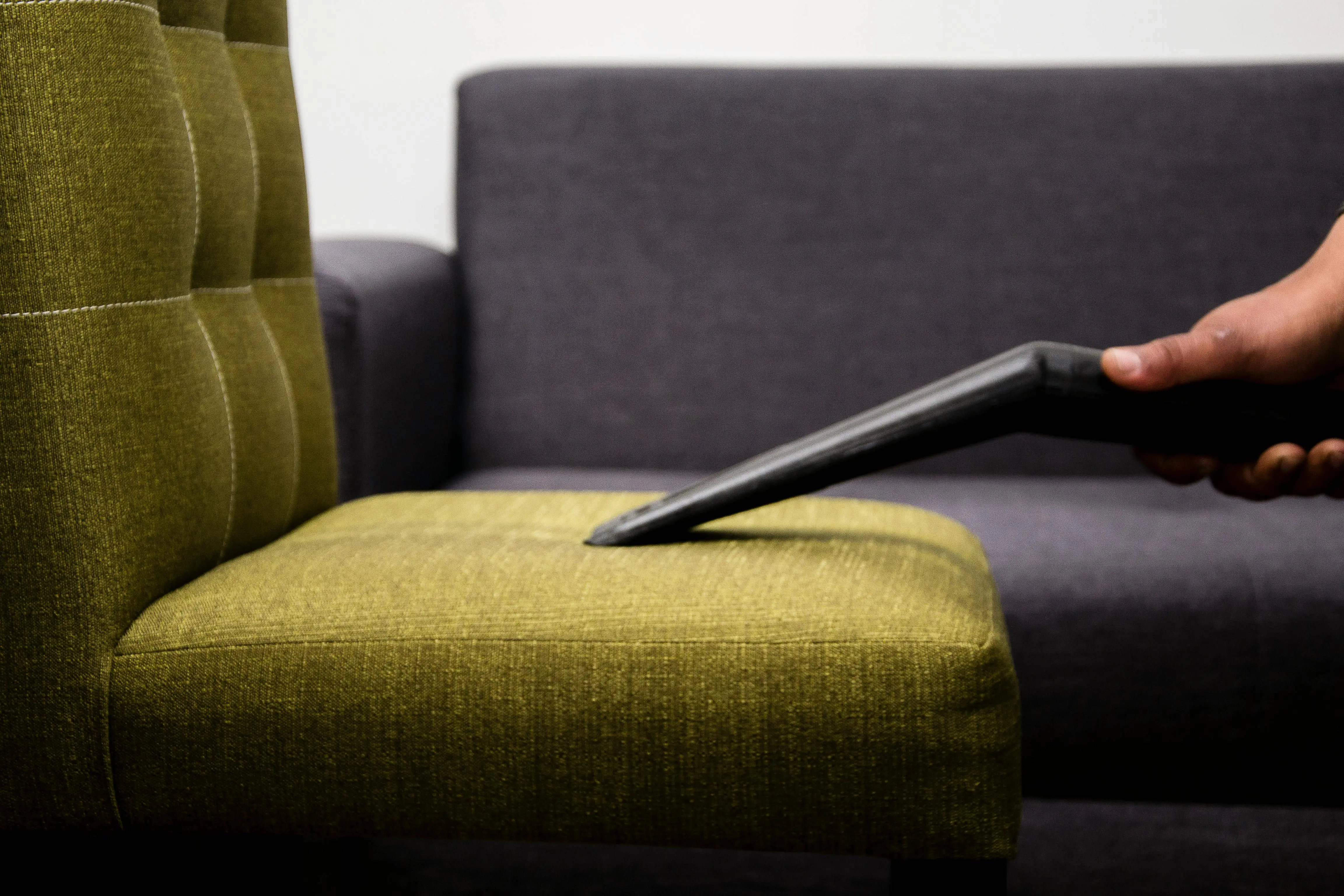
Start by using your vacuum cleaner’s upholstery attachment to remove all loose dirt, crumbs, pet hair, and dust from the entire piece of furniture. Pay extra attention to seams, crevices, and under cushions where debris tends to accumulate. This initial step is vital as it prevents dirt from turning into mud once you introduce liquids.
2. Spot Test Your Cleaning Solution
Regardless of your fabric code, always perform a spot test on an inconspicuous area, such as the back of the furniture or an hidden underside. Apply a small amount of your chosen cleaner, wait a few minutes, and then blot with a clean white cloth. Check for any discoloration, shrinkage, or adverse reactions. If all looks good, proceed with confidence.
3. Tackle Stains and Spills
For fresh spills, blot immediately with a clean, dry cloth to absorb as much liquid as possible. Avoid rubbing, which can spread the stain. For tougher or dried stains, apply your chosen cleaning solution (water-based for ‘W’ or ‘SW’ codes, solvent-based for ‘S’ code) to a clean cloth, then gently dab the stained area. Work from the outside of the stain inwards to prevent spreading. Rinse your cloth frequently and continue blotting until the stain lifts.
4. Deep Clean (if applicable)
If your upholstery code allows (W or SW), you can proceed with a deeper clean. Mix a small amount of mild dish soap with water to create suds, or use your specialized upholstery cleaner according to its instructions. Lightly mist the fabric with your solution (do not saturate), then gently wipe with a clean microfiber cloth. You can also use a soft brush to work the solution into heavily soiled areas. For ‘S’ coded fabrics, use your solvent-based cleaner carefully, following product directions.
5. Rinse and Dry
After cleaning, dampen a clean microfiber cloth with plain water and wipe down the treated areas to remove any soap residue. It’s crucial not to over-wet the fabric. Allow the furniture to air dry completely. You can speed up the drying process by opening windows or using a fan. Avoid using the furniture until it’s fully dry to prevent mildew growth or re-soiling.
Maintaining Your Upholstery
Regular maintenance is key to keeping your upholstered furniture looking its best between deep cleans. Vacuum your furniture weekly to remove surface dust and pet hair. Address spills immediately to prevent them from setting into permanent stains. Consider using fabric protectors specific to your upholstery type to create a barrier against future spills and dirt. Rotate cushions periodically to ensure even wear.

FAQ: How to Clean Upholstered Furniture
Can I use a steam cleaner on all upholstered furniture?
No, steam cleaners are generally only safe for ‘W’ or ‘SW’ coded fabrics. Using steam on ‘S’ coded fabrics can cause water stains and damage, while ‘X’ coded fabrics should never be wet.
How often should I clean my upholstered furniture?
As a general rule, a deep clean every 6-12 months is recommended, depending on usage and presence of pets or children. Regular vacuuming (weekly) and immediate spot cleaning are more important for daily upkeep.
What’s the best way to remove pet hair from upholstery?
A good quality vacuum with an upholstery attachment is effective. For stubborn hair, rubber gloves or a lint roller can work wonders by creating static cling to pick up the fur.
Can baking soda remove odors from upholstery?
Yes, baking soda is excellent for absorbing odors. Sprinkle a generous amount over the entire upholstered area, let it sit for several hours (or overnight), and then vacuum it thoroughly.
What should I do if I don’t know my upholstery’s cleaning code?
If you can’t find a cleaning code, it’s safest to vacuum only or consult a professional upholstery cleaner. If you must attempt DIY cleaning, always perform a discreet spot test with a mild, pH-neutral cleaner.
Conclusion
Mastering how to clean upholstered furniture doesn’t have to be a daunting task. By understanding your fabric type, gathering the right tools, and following a consistent cleaning routine, you can keep your beloved pieces looking fresh and inviting for years. Remember, prevention is often the best medicine – tend to spills quickly and vacuum regularly. If you encounter a particularly tough stain or an ‘X’ coded fabric, don’t hesitate to seek professional help. Your investment in comfortable furniture deserves proper care to maintain its beauty and longevity. Start your upholstery cleaning journey today and enjoy a cleaner, fresher home!