
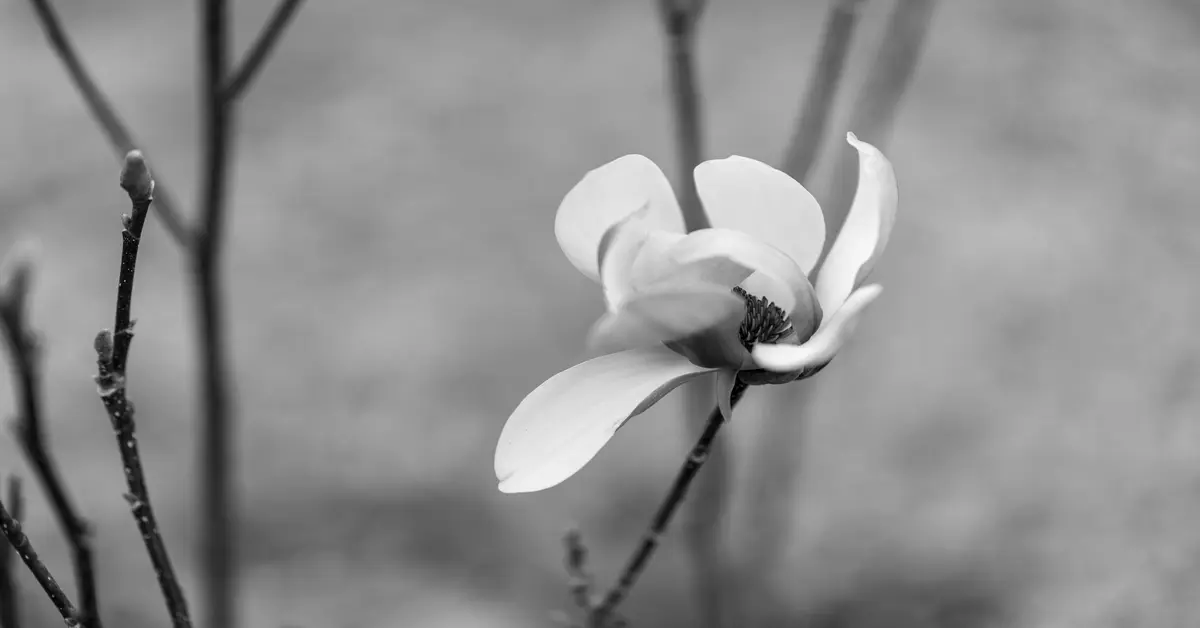
Magnolia Jane, a spectacular deciduous shrub or small tree, is a true superstar in the world of ornamental plants. Renowned for its early spring display of vibrant, tulip-shaped flowers, this cultivar of the saucer magnolia (Magnolia x soulangiana) offers an unparalleled visual feast. Its compact size makes it an ideal choice for smaller gardens, urban landscapes, and even container planting, bringing a touch of elegance and dramatic color to any setting. Gardeners frequently choose the Jane magnolia tree for its adaptability and resilience, making it a favorite for both novice and experienced plant enthusiasts seeking reliable and breathtaking spring blossoms. Understanding the specific needs of the Magnolia Jane is key to unlocking its full potential and enjoying its stunning features year after year.
The Allure of Magnolia Jane: Why It’s a garden Favorite
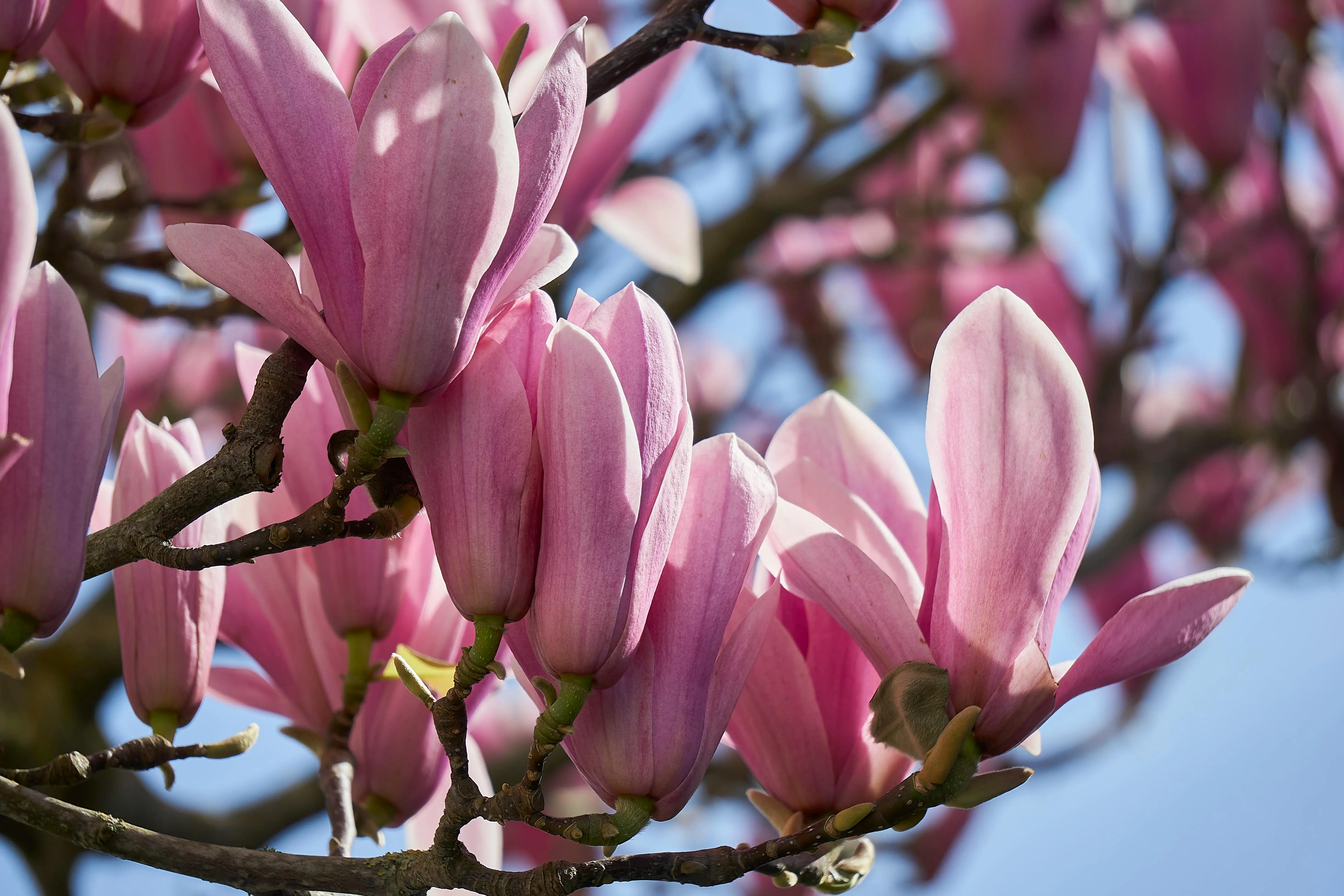
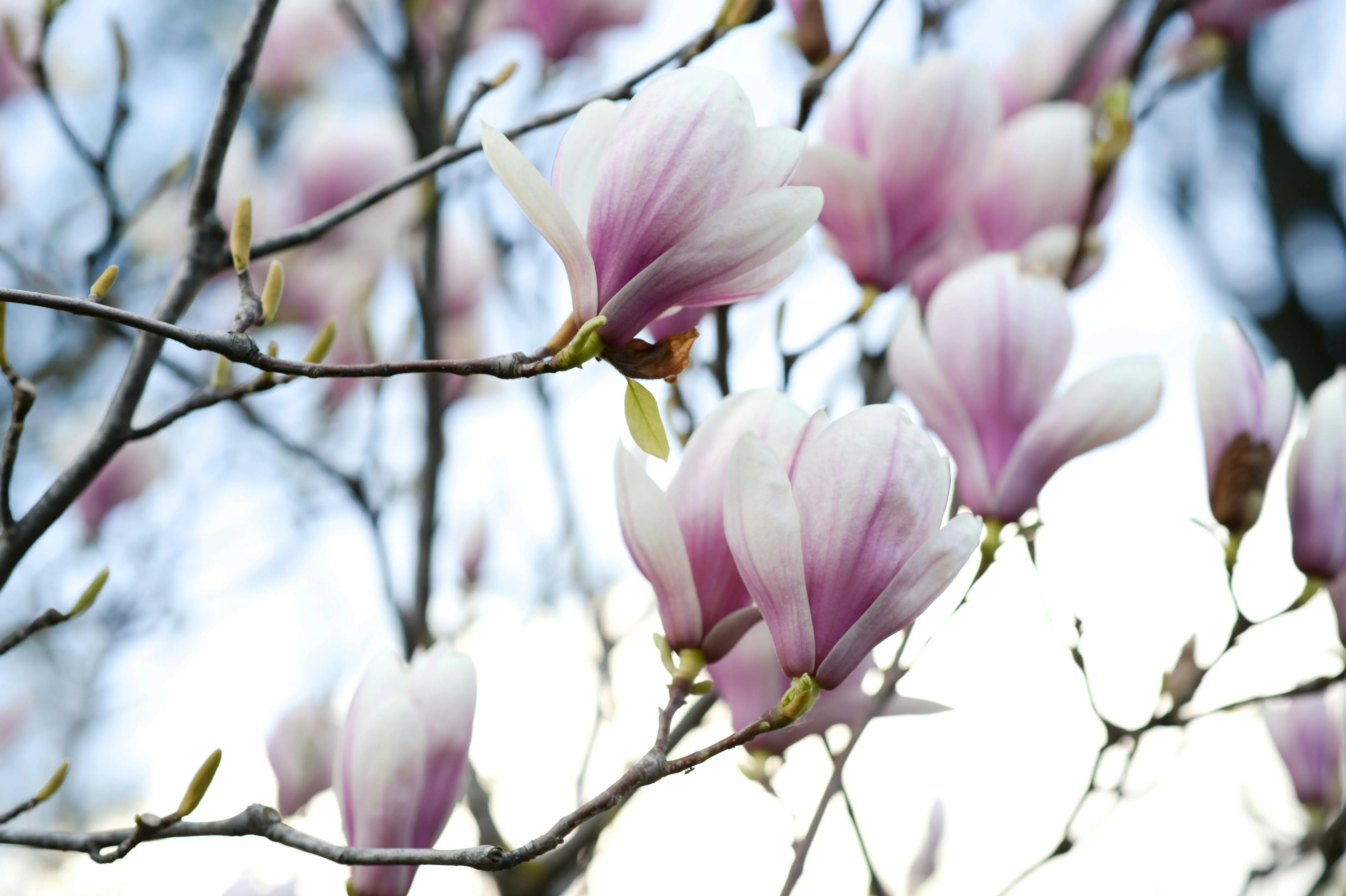
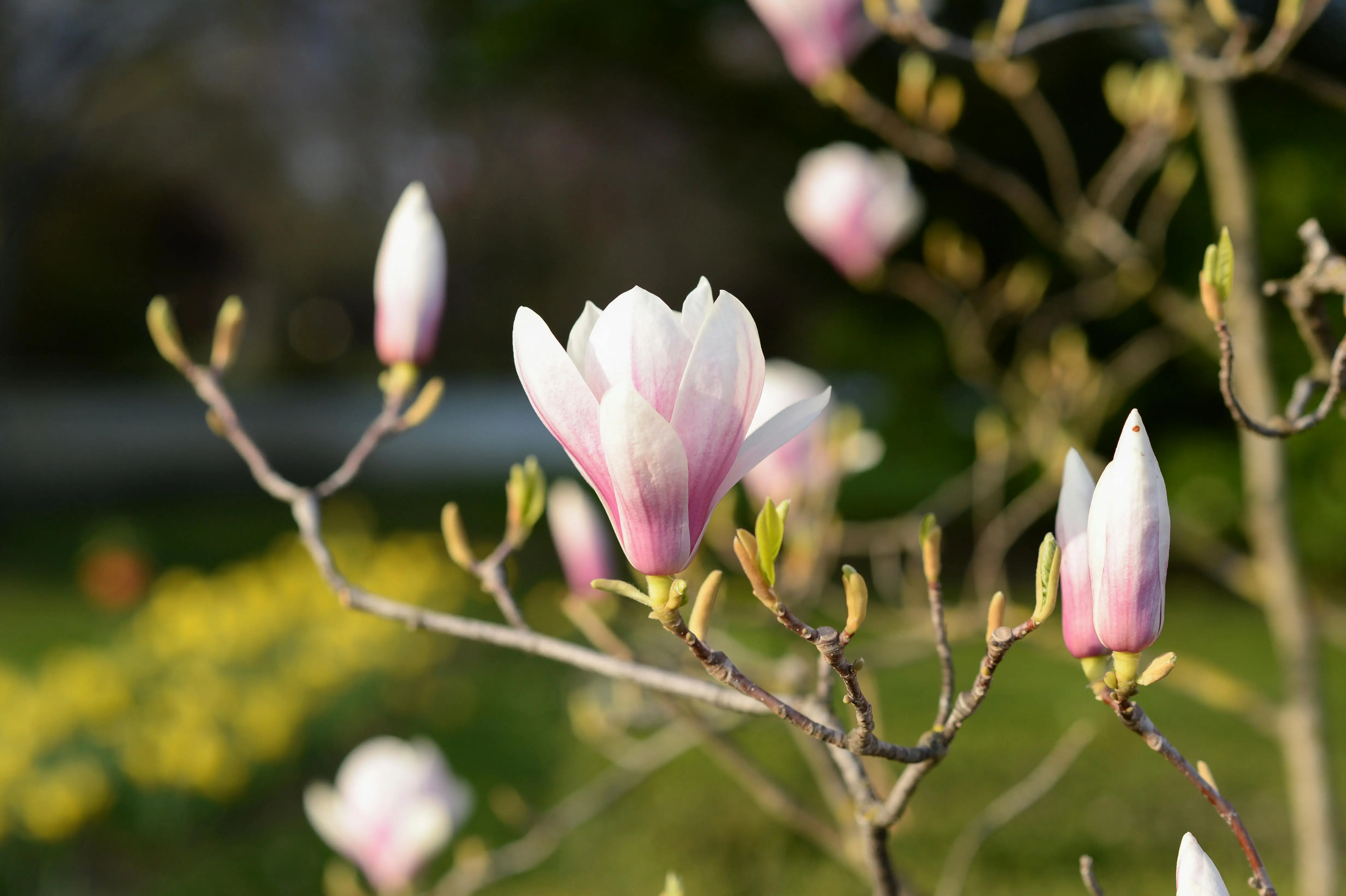
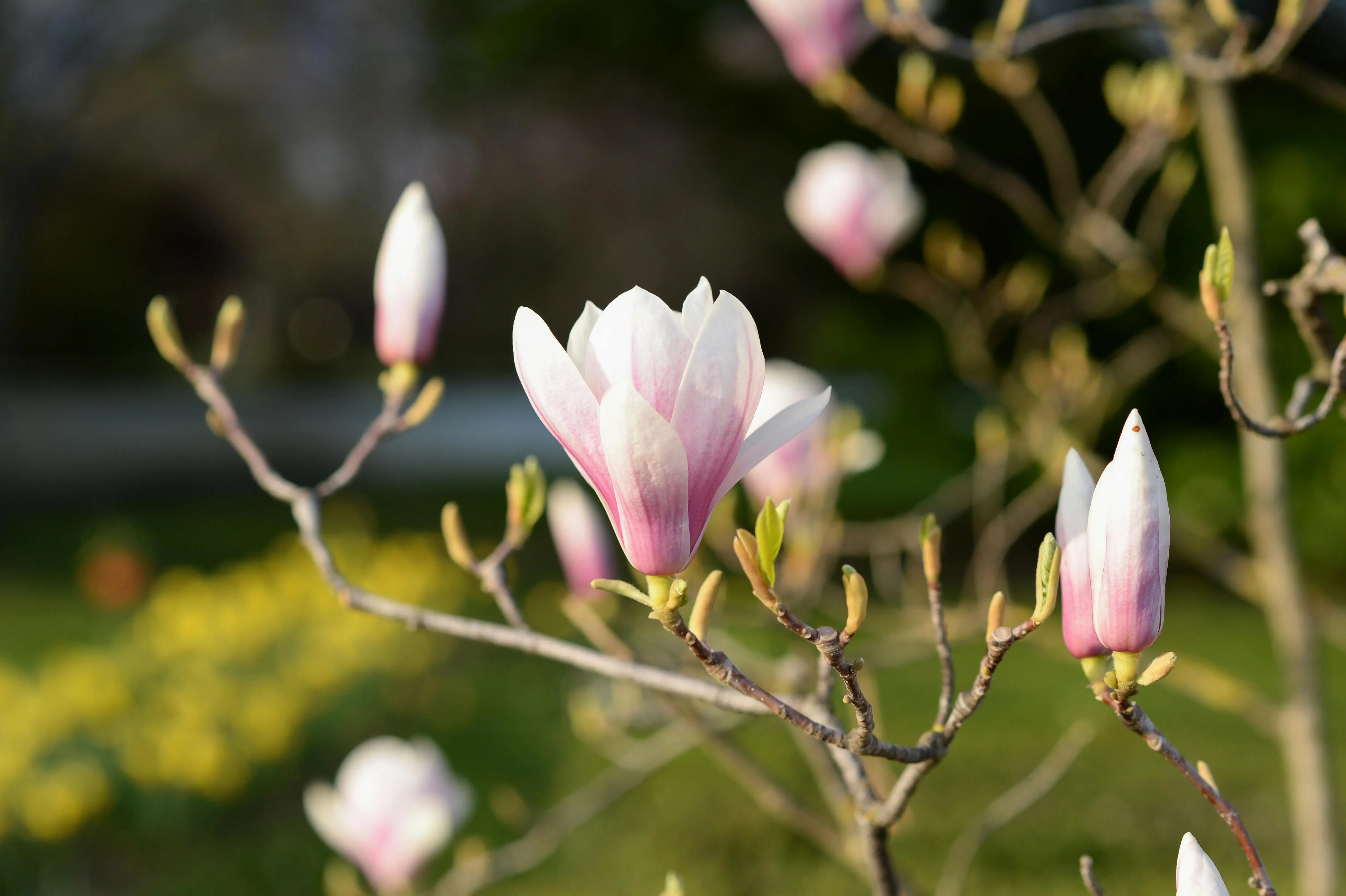
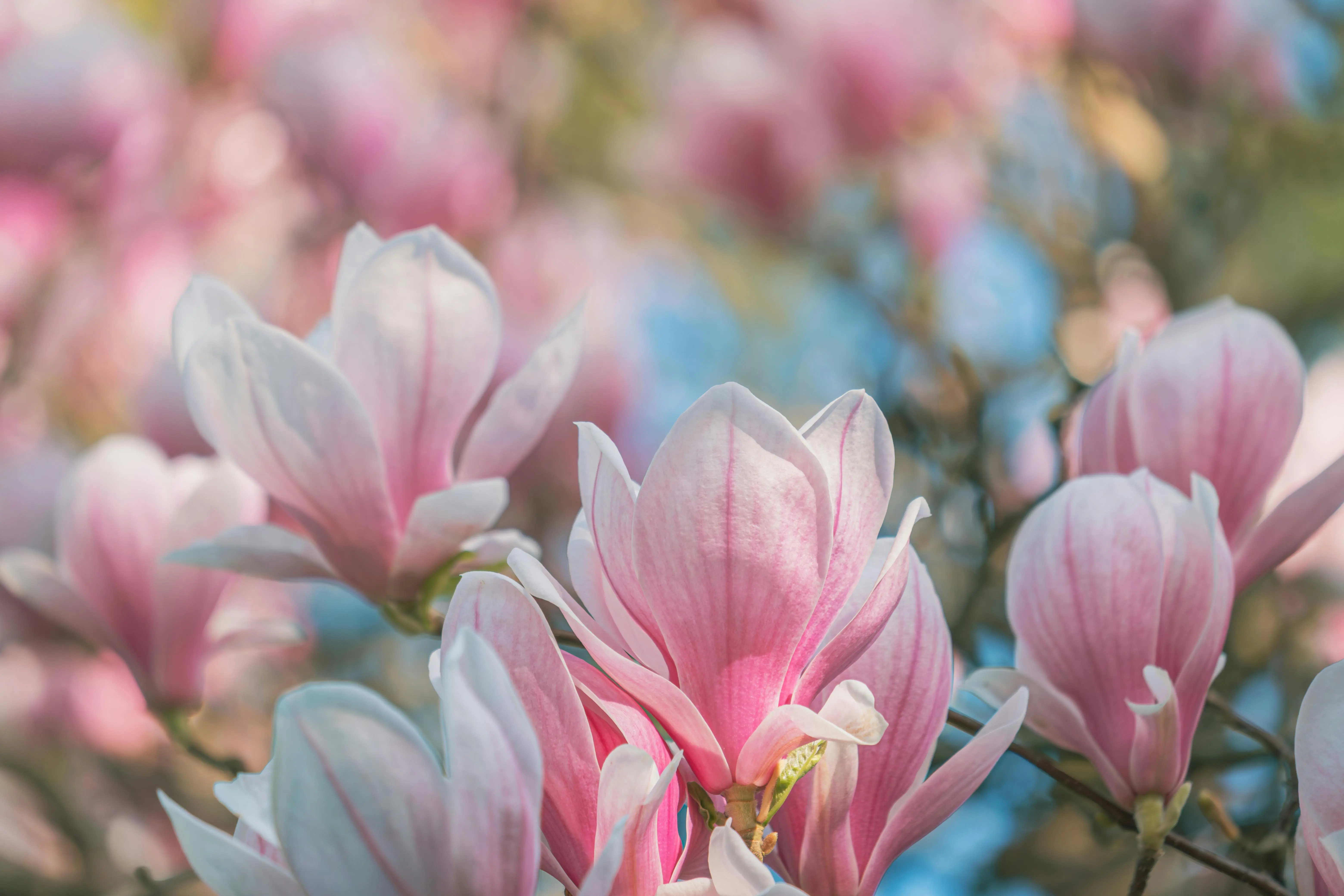
The ‘Jane’ magnolia stands out with its striking reddish-purple blooms, often with a lighter interior, that appear before the leaves emerge in early to mid-spring. This early flowering habit ensures a dramatic impact when most other plants are still dormant. Its relatively small stature, typically reaching 10-15 feet in height and spread, makes it incredibly versatile. Unlike its larger magnolia cousins, the jane magnolia tree can fit comfortably into tighter spaces, providing a focal point without overwhelming the landscape. Furthermore, it is known for its hardiness, tolerating a range of soil types and urban conditions, and is generally low-maintenance once established. Its ability to thrive in USDA hardiness zones 4-8 further broadens its appeal across various climates.
Key Characteristics of the Jane Magnolia Tree
- Flower Power: Abundant, goblet-shaped, reddish-purple flowers with white insides.
- Bloom Time: Early to mid-spring, before foliage appears.
- Size: Typically 10-15 feet tall and wide, making it a great specimen tree.
- Foliage: Oval, dark green leaves in summer.
- Hardiness: Zones 4-8.
Optimal Planting Location and Soil Needs for Magnolia Jane
Selecting the right site is crucial for the success of your Magnolia Jane. This plant thrives in a location that receives at least six hours of direct sunlight daily. While it can tolerate some partial shade, too much shade can reduce flowering. Protection from strong winds is also beneficial, as strong gusts can damage its brittle branches and delicate flowers. Regarding soil, the ‘Jane’ magnolia prefers well-draining, fertile, slightly acidic soil (pH 5.5-6.5). Amending heavy clay soils with organic matter like compost can significantly improve drainage and aeration. Conversely, sandy soils benefit from organic matter to help retain moisture and nutrients. Proper soil preparation before planting will ensure a strong root system, leading to a healthier and more vigorous jane magnolia tree.
Watering and Fertilizing Regimen for a Thriving Jane Magnolia
Consistent moisture is key for the Magnolia Jane, especially during its first few growing seasons and during dry spells. Deep watering once or twice a week, allowing the soil to dry slightly between waterings, encourages deep root growth. Avoid overwatering, which can lead to root rot. Once established, the Jane magnolia tree becomes more drought-tolerant but will still benefit from supplemental watering during prolonged dry periods. Fertilization should be done sparingly. A balanced, slow-release granular fertilizer formulated for acid-loving plants can be applied in early spring, before new growth begins. Always follow product instructions and avoid over-fertilizing, which can burn roots or promote excessive leafy growth at the expense of flowers.
Pruning Techniques for Magnolia Jane: Maintaining Shape and Health
Pruning a Magnolia Jane is generally minimal and best done right after it finishes flowering in spring. This timing allows you to remove any dead, damaged, or diseased branches without sacrificing the current year’s bloom. If shaping is desired, light pruning can also be performed at this time to maintain a desirable form or control its size. Avoid heavy pruning, as magnolias tend to bleed sap and can be slow to recover from aggressive cuts. Always use sharp, clean pruning shears to make clean cuts, promoting quicker healing and preventing disease spread. Regular removal of spent flowers (deadheading) is not necessary for performance but can tidy up the tree’s appearance.
Common Pests and Diseases Affecting Magnolia Jane
While the Magnolia Jane is relatively resistant to many pests and diseases, it’s not entirely immune. Keeping an eye out for potential issues can help you address them quickly. Common pests include aphids, scale insects, and mealybugs, which can be managed with insecticidal soap or horticultural oil. Fungal diseases such as powdery mildew or leaf spot can occur, especially in humid conditions or areas with poor air circulation. Proper spacing, good air circulation, and avoiding overhead watering can help prevent these issues. In severe cases, fungicides may be necessary. Always ensure your magnolia jane tree is healthy and well-maintained, as stressed plants are more susceptible to problems.
Frequently Asked Questions about Magnolia Jane
What is the best time to plant a Magnolia Jane?
The best time to plant a Magnolia Jane is in early spring or early fall, allowing the tree to establish its root system before extreme summer heat or winter cold.
How fast does a Jane magnolia tree grow?
Jane magnolia trees have a moderate growth rate, typically adding 1-2 feet per year under optimal conditions.
Can Magnolia Jane be grown in a container?
Yes, its compact size makes the Magnolia Jane suitable for container growing, especially in large pots with good drainage. Ensure adequate watering and consider overwintering protection in colder climates.
Are Magnolia Jane flowers fragrant?
While some magnolia varieties are highly fragrant, the Magnolia Jane has a very subtle or mild fragrance, often described as light and pleasant.
Why isn’t my Magnolia Jane blooming?
Lack of blooms can be due to several factors, including insufficient sunlight, improper pruning (pruning too late), late spring frosts damaging early buds, or nutrient deficiencies. Ensure proper cultural care and assess the growing conditions.
Conclusion: Embracing the Beauty of Magnolia Jane
The Magnolia Jane truly offers an exceptional return on investment for any gardener, delivering a magnificent display of color and form each spring. Its manageable size, robust nature, and stunning early blooms make it a highly desirable addition to landscapes of all sizes. By understanding and meeting its basic needs for sunlight, well-draining soil, consistent moisture, and minimal pruning, you can ensure your Magnolia Jane thrives and becomes a cherished highlight of your garden. Embrace the elegance and vibrant beauty this remarkable jane magnolia tree brings, and enjoy its amazing secrets for stunning blooms for many years to come.