
Are you an aspiring artist looking for inspiration that doesn’t feel overwhelming? Or perhaps you simply enjoy art and want to understand it better, even considering trying your hand at recreating some iconic pieces? You’re in luck! This guide delves into the world of famous and paint-ideas/”>easy paintings, proving that you don’t need years of training to appreciate or even attempt to draw some of history’s most renowned artworks. We’ll explore masterpieces that, despite their fame, possess a surprising simplicity in their core elements, making them perfect starting points for beginners.
Many believe that famous art is inherently complex, reserved only for seasoned professionals. However, a closer look reveals numerous simple famous paintings that are approachable. These works often rely on bold shapes, limited color palettes, or clear compositions that make them deceptively easy to grasp and even replicate. Prepare to discover how you can engage with art history, one brushstroke or pencil line at a time, moving beyond just appreciating to actively participating in the creative process.
Unpacking the Appeal of Simple Famous Paintings
What makes certain famous art pieces seem simple? Often, it’s their directness. Artists like Piet Mondrian or Henri Matisse intentionally stripped away complexity to focus on fundamental elements: color, line, and form. This reductionist approach doesn’t diminish their artistic value; instead, it amplifies their message and impact. For instance, Mondrian’s grid compositions, while intellectually profound, are visually comprised of straight lines and primary colors, making them excellent subjects for those interested in simple famous paintings.
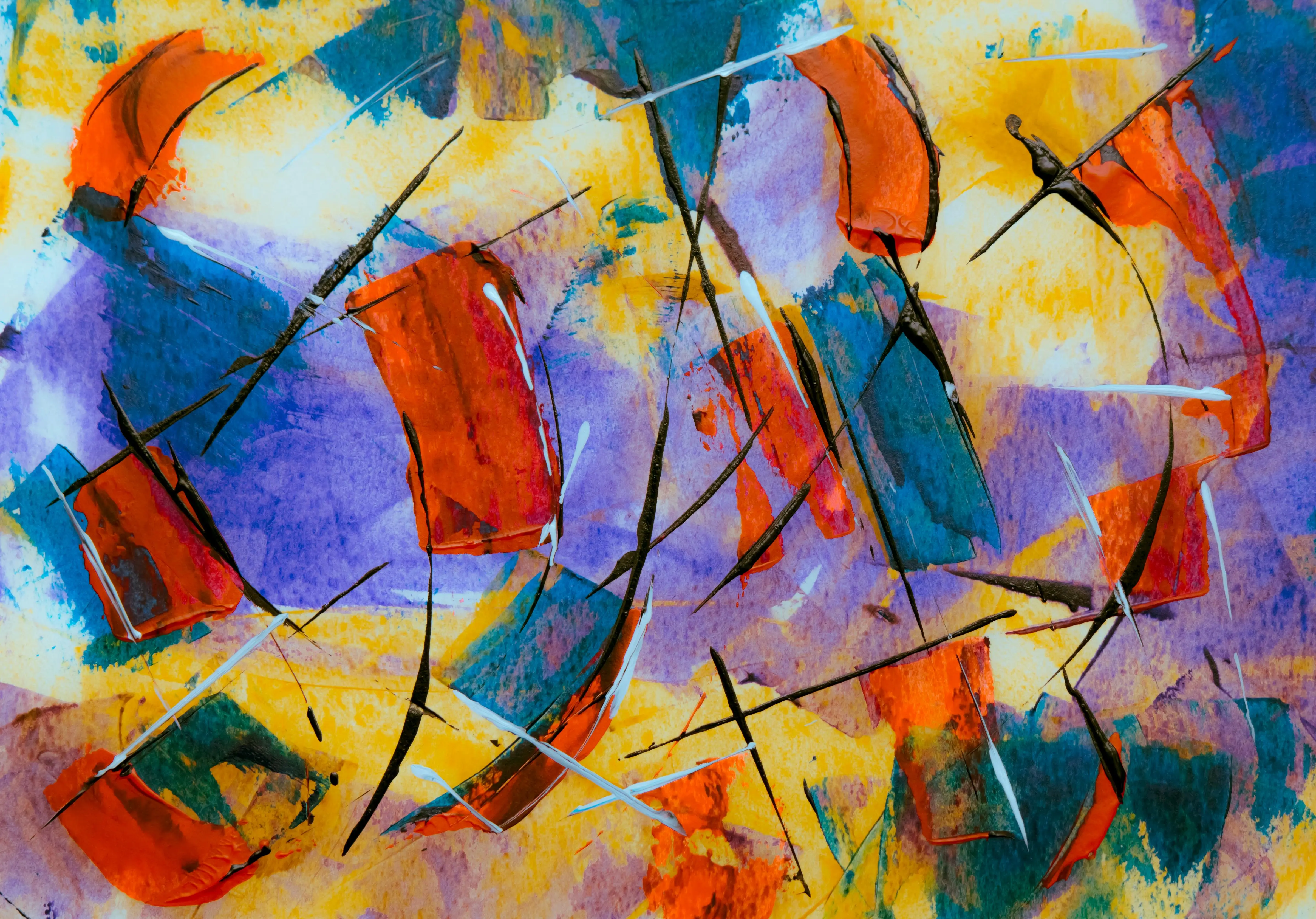
The beauty of these works lies in their accessibility. You don’t need to master perspective or anatomical drawing to mimic the essence of a Rothko color field or even the bold outlines of a Van Gogh self-portrait. They offer a fantastic entry point into understanding composition, color theory, and artistic expression without the daunting technical challenges associated with hyper-realism or intricate historical scenes. This makes them incredibly appealing for anyone embarking on their artistic journey.
Why Beginners Should Explore Famous and Easy Paintings
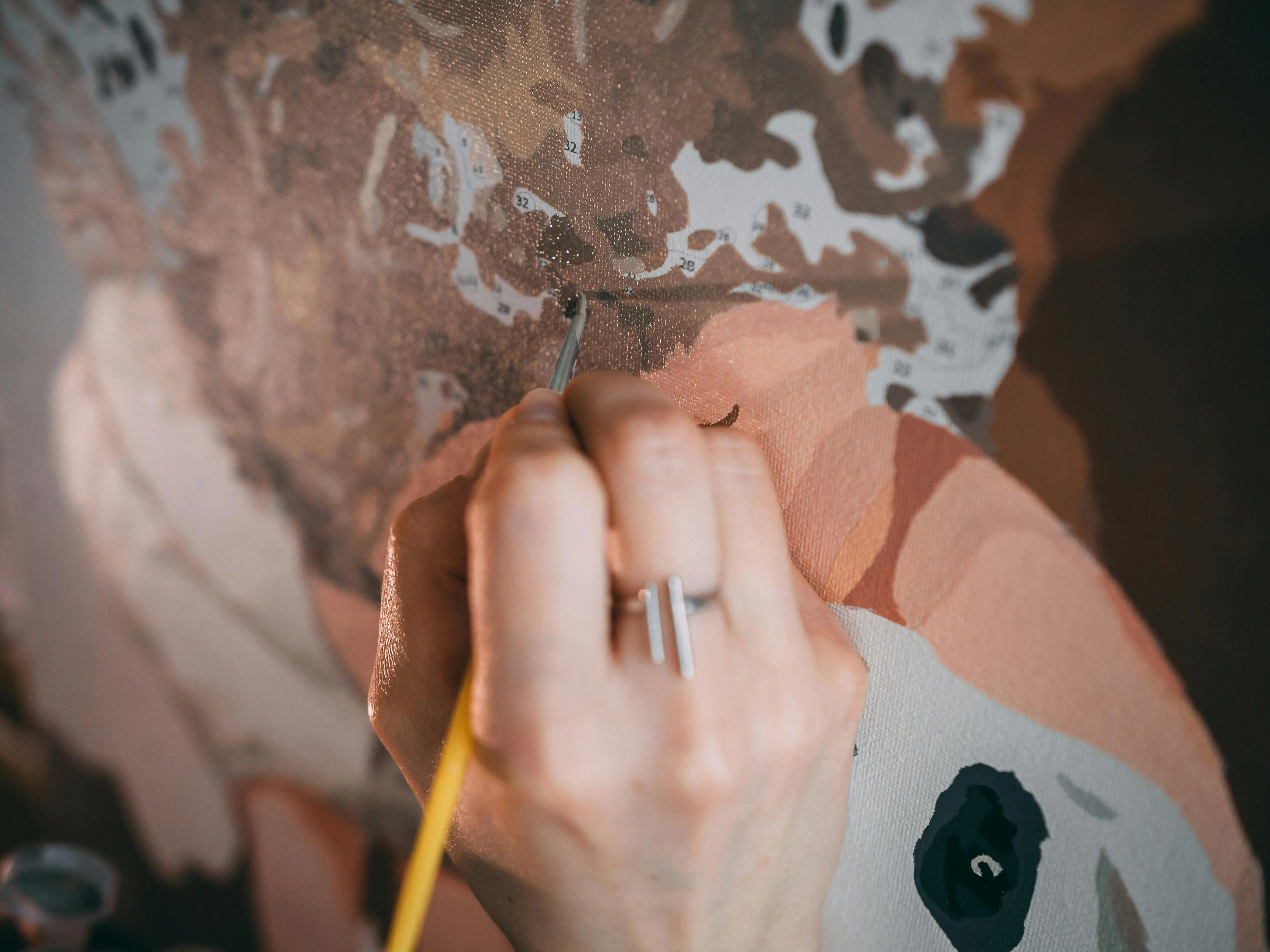
For budding artists, starting with famous and easy paintings provides a supportive learning environment. It allows you to practice fundamental techniques without the pressure of creating something entirely original from scratch. When you attempt to recreate a simpler masterpiece, you focus on observing shapes, understanding color mixing, and developing your hand-eye coordination. This process, often called ‘master studies,’ has been a cornerstone of artistic education for centuries.
Moreover, successfully recreating a recognizable piece can be a huge confidence booster. It validates your effort and shows tangible progress, inspiring you to tackle more complex projects down the line. It also deepens your appreciation for the original artwork, as you gain insights into the artist’s choices and challenges by attempting to emulate their style.
Top 5 Famous and Easy Paintings for Aspiring Artists
Here are five iconic artworks that are surprisingly approachable for beginners:
- Piet Mondrian’s Composition with Red, blue, and Yellow: This minimalist masterpiece is all about straight lines and primary colors. It’s fantastic for practicing precision with rulers and understanding basic color blocking.
- Henri Matisse’s The Snail (or any of his cut-outs): Matisse’s late-career paper cut-outs, like The Snail, are wonderfully simple. They involve cutting shapes from colored paper, focusing on composition and color interaction.
- Mark Rothko’s Color Field Paintings: Characterized by large, soft-edged rectangles of color, Rothko’s works are perfect for exploring color blending, subtle gradients, and emotional impact through hue.
- Keith Haring’s Pop Art Figures: Haring’s distinctive, energetic figures are made of bold outlines and simple forms. They’re excellent for practicing fluid lines and understanding dynamic compositions.
- Vincent van Gogh’s Sunflowers (simpler versions): While the original is complex, the basic shapes of the sunflowers and their vase are quite manageable. Focus on primary forms and a vibrant, limited color palette for an accessible take on this beloved piece.

Getting Started: Tips for Recreating Simple Famous Paintings
Embarking on your artistic journey with famous and easy paintings can be incredibly rewarding. Here are some practical tips to help you get started:
- Start with Sketches: Before diving into paint, create several pencil sketches to familiarize yourself with the shapes and composition of the artwork. This helps you understand the underlying structure.
- Simplify Further if Needed: Don’t feel pressured to capture every single detail. For Rothko, focus on the blocks of color. For Mondrian, perfect your lines. For Van Gogh’s sunflowers, concentrate on the basic forms of the petals and leaves.
- Choose the Right Medium: Acrylic paints are forgiving and dry quickly, making them ideal for beginners tackling color blocking. Colored pencils or markers are excellent for Matisse-inspired cut-outs or Haring’s figures.
- Focus on One Element at a Time: Instead of trying to master everything simultaneously, concentrate on one aspect. Perhaps it’s achieving crisp lines, blending colors smoothly, or understanding negative space.
- Don’t Be Afraid to Experiment: The goal isn’t necessarily to create an exact replica. Use these famous and easy paintings as a springboard for your own creativity. Experiment with different colors or slightly altered forms.
Beyond Recreation: Your Own Famous and Easy Paintings
Once you’ve tried recreating a few simple famous paintings, you’ll find that you’ve built a foundational understanding of artistic principles. This knowledge is invaluable when you transition to creating your own original works. The skills developed from analyzing and reproducing simpler compositions will directly apply to your individual creative endeavors. You’ll have a better sense of how to use color, how to arrange shapes, and how to convey emotion through minimal elements.
Think of these initial studies as warm-ups. They prepare you for the main event: expressing your unique vision. You might discover a love for abstract forms, a knack for bold outlines, or a subtle touch with color fields. The journey of exploring famous and easy paintings is not just about copying; it’s about learning, growing, and ultimately finding your own artistic voice.
FAQ: Famous and Easy Paintings
What are some famous and easy paintings to try for beginners?
Excellent choices include Mondrian’s Composition with Red, Blue, and Yellow, Matisse’s paper cut-outs like The Snail, Rothko’s color field paintings, and Keith Haring’s pop art figures.
Why are some famous paintings considered easy to draw or paint?
Many famous and easy paintings benefit from simplified compositions, limited color palettes, and clear, distinct shapes, making their fundamental elements easier for beginners to grasp and reproduce.
What materials do I need to start recreating simple famous paintings?
Basic materials like acrylic paints, brushes, canvases or paper, colored pencils, markers, or even construction paper and scissors are often sufficient for these approachable artworks.
Will attempting famous and easy paintings improve my art skills?
Absolutely! Practicing with reproductions helps develop fundamental skills in observation, color mixing, understanding composition, and hand-eye coordination, building a strong foundation for your artistic journey.
Where can I find tutorials or guidance for these easy art pieces?
Many online platforms, art blogs, and YouTube channels offer step-by-step tutorials for recreating famous and easy paintings. A quick search for the specific artwork will likely yield numerous resources.
Conclusion: Embracing the Art of Famous and Easy Paintings
Exploring the world of famous and easy paintings opens up a wonderful gateway into art history and personal creativity. It dismantles the myth that great art is exclusively for the trained elite, demonstrating that simplicity can hold profound beauty and impact. By tackling these approachable masterpieces, you not only gain a deeper appreciation for the artists who created them but also build confidence and hone essential artistic skills.
Whether you’re looking to unwind with a creative hobby or seriously kickstart your artistic learning, these simple famous paintings offer an ideal starting point. Don’t hesitate to pick up a brush or a pencil. Discover the joy of creating, learning, and connecting with art on a whole new level. Let these iconic yet accessible works inspire your next creative endeavor and unlock your inner artist today!