
Understanding the various sink parts of your kitchen or bathroom fixture is crucial for maintaining a healthy and functional home. From the daily grind of dishwashing to the simple act of handwashing, your sink endures constant use. Over time, even the most robust components can wear down, leading to leaks, clogs, or diminished performance. Knowing what each part does and how to identify potential issues can save you a lot of hassle and expense. This guide will walk you through the essential components of a typical sink assembly, focusing on common issues and simple solutions, ensuring your plumbing stays in top shape.
We’ll delve into the specifics of kitchen sink repair, exploring everything from the drain assembly to the more intricate plumbing connections. Whether you’re a seasoned DIY enthusiast or just starting to learn about home maintenance, grasping the fundamentals of sink components is an invaluable skill. Stay tuned to discover how these seemingly small pieces play a massive role in your home’s overall functionality and how you can tackle common sink parts problems with confidence.
Understanding Basic Sink Parts and Their Functions
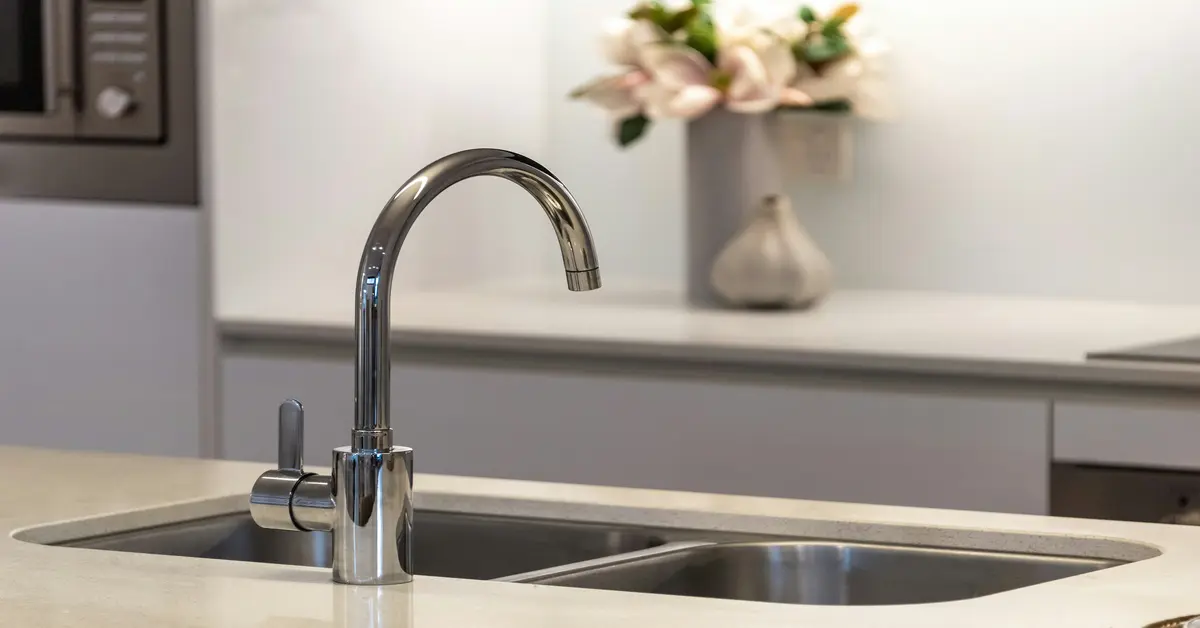
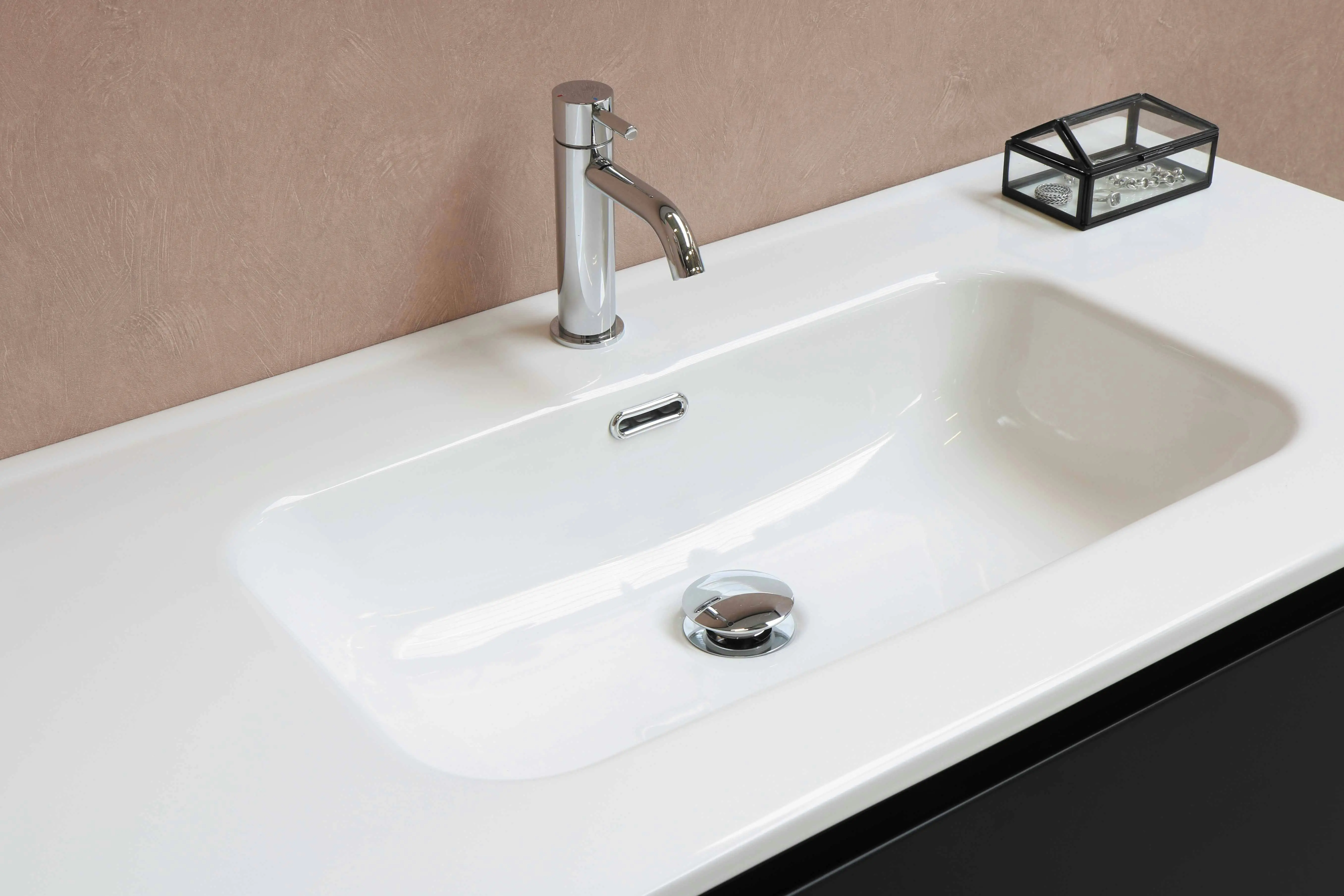
Every sink, whether in your kitchen or bathroom, is a system of interconnected sink parts, each with a specific job. At its core, a sink consists of a basin, a faucet, and a drain assembly. The basin is the visible part that collects water. The faucet controls the water flow, while the drain assembly, often overlooked, is critical for water removal. This assembly includes the drain opening, the basket or strainer, and the trap, which prevents sewer gases from entering your home. Below the sink, you’ll find the P-trap, a curved pipe designed to hold a small amount of water to create a seal against those gases.
Beyond these primary components, various washers, nuts, and seals ensure a watertight connection throughout the system. Understanding the function of each of these sink parts is the first step in effective troubleshooting and repair. When tackling kitchen sink repair, identifying the faulty part correctly can prevent unnecessary disassembly and make the job much quicker and more efficient. Knowing your way around these components empowers you to address minor issues before they escalate into major plumbing headaches.
Common Issues with Sink Drain Components
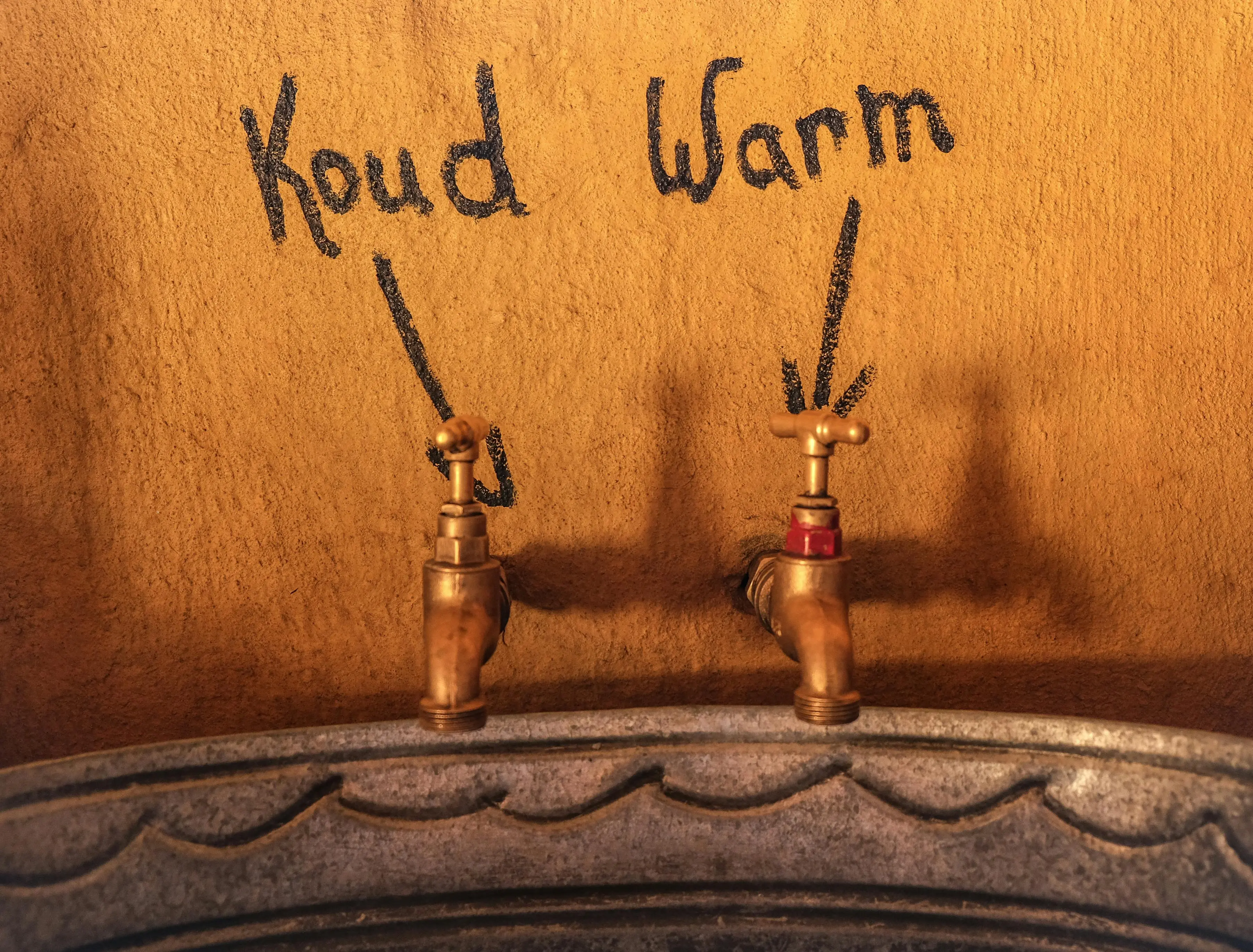
The sink drain components are often the first to experience problems due to constant exposure to water, food particles, and debris. Clogs are perhaps the most common issue, usually caused by a buildup of grease, hair, and soap scum in the P-trap or further down the drainpipe. Leaks can also originate from the drain assembly, especially around the connections of the tailpiece or the P-trap. These leaks are often due to loose nuts, damaged washers, or worn-out sealant.
Another frequent problem involves the basket strainer. Over time, the rubber gasket underneath the strainer can deteriorate, leading to slow leaks directly into the cabinet below. Rust and corrosion can also affect metal drain components, weakening them and eventually leading to leaks or blockages. Regular cleaning and inspection of these sink parts can significantly extend their lifespan and prevent many common issues. Addressing these minor frustrations promptly is key to preventing larger, more costly kitchen sink repair projects down the line.
Essential Sink Parts for Kitchen Sink Repair
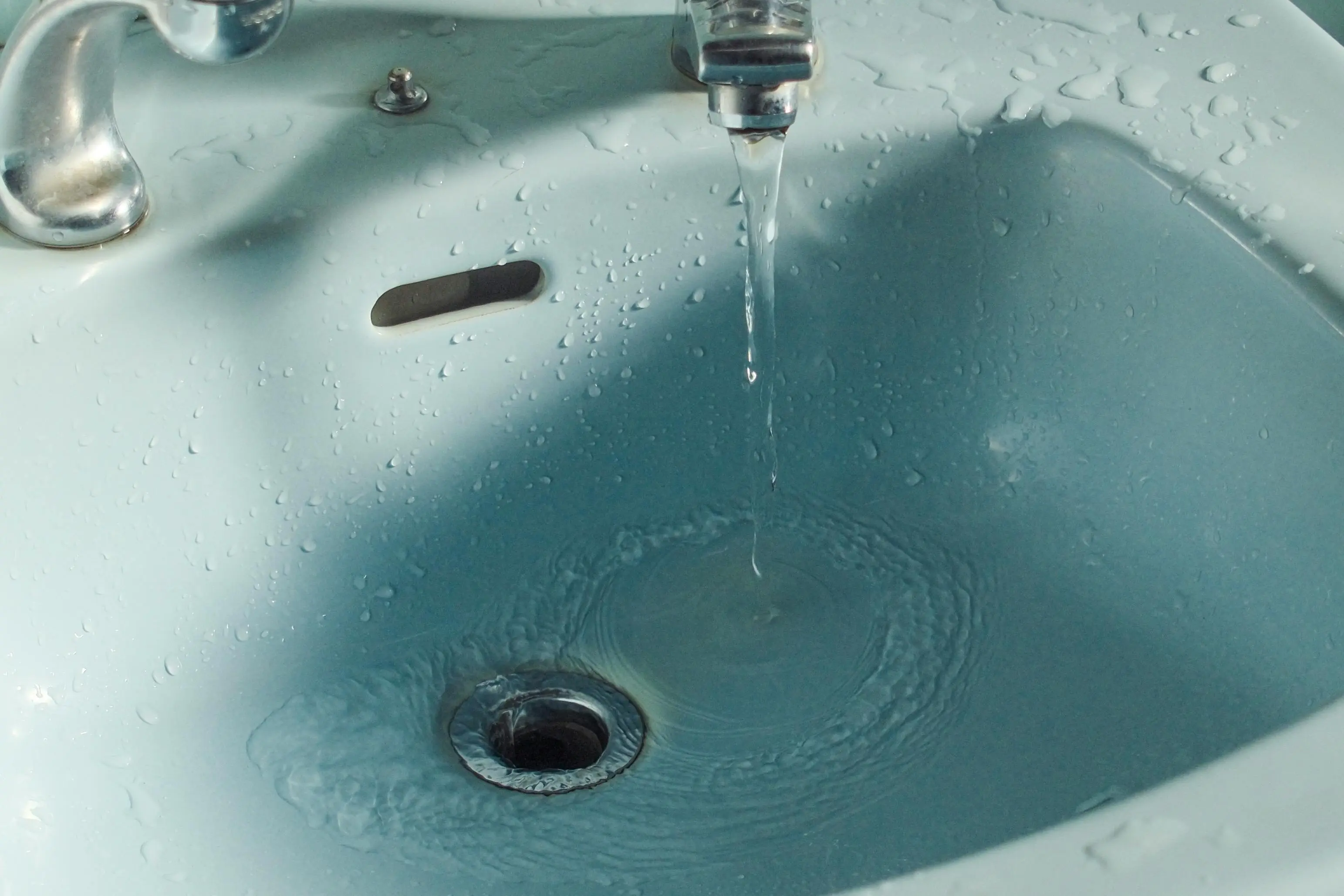
When it comes to kitchen sink repair, having a few essential sink parts on hand can be a lifesaver. A new basket strainer with its accompanying rubber gasket and plumber’s putty is crucial for sealing the drain opening effectively. Replacement P-traps, either PVC or metal, are also vital for addressing persistent clogs or leaks in the trap itself. Furthermore, it’s always wise to have an assortment of washers and O-rings, as these small components are often the culprits behind drips and leaks at various connection points.
Additionally, a new pop-up stopper assembly or a garbage disposal flange, depending on your setup, might be necessary. Keeping basic tools like a pipe wrench, pliers, and a screwdriver readily available will also streamline any repair job. Being prepared with these common sink parts ensures that you can quickly tackle most kitchen sink repair tasks, minimizing inconvenience and water damage. Don’t wait for a crisis; stock up on these critical items today.

Step-by-Step Guide to Replacing Key Sink Parts
Replacing worn-out sink parts might seem daunting, but many repairs are straightforward with the right approach. Let’s consider replacing a leaky P-trap. First, turn off the water supply to the sink and place a bucket underneath the trap to catch any residual water. Use a pipe wrench or channel locks to loosen the slip nuts on both ends of the trap. Carefully remove the old trap. Clean any debris from the connecting pipes.
When installing the new P-trap, ensure that the washers are correctly seated before tightening the slip nuts by hand, and then a quarter turn more with your wrench. For a leaky basket strainer, remove the old one from above, clean the opening thoroughly, apply a thin bead of plumber’s putty around the new strainer’s underside, and then secure it from below with its rubber gasket and nut. Always test for leaks after any replacement by running water through the sink. Taking your time with each of these sink parts ensures a secure and watertight repair.
FAQ About Sink Parts
What are the most common sink parts that need replacing?
The most common sink parts requiring replacement are usually the basket strainer (due to wear on its gasket), the P-trap (for clogs or leaks), and various washers or O-rings in the faucet or drain assembly that deteriorate over time.
How do I know if my sink drain components are leaking?
Signs of leaking sink drain components include visible water drips under the sink, water stains on cabinet floors, a musty smell, or reduced water pressure if the leak is significant. Place a dry paper towel under the connections to easily spot small leaks.
Can I replace sink parts myself, or do I need a plumber?
Many basic sink parts, like basket strainers, P-traps, and faucet washers, can often be replaced by a homeowner with basic DIY skills and tools. More complex issues or main plumbing challenges might require a professional plumber.
What’s the difference between a P-trap and an S-trap?
A P-trap has a ‘P’ shape, with a horizontal arm connecting to the wall drain, maintaining a water seal. An S-trap has an ‘S’ shape, connecting directly to the floor drain. P-traps are generally preferred as S-traps can siphon out their water seal, allowing sewer gases to escape.
How often should I inspect my sink parts?
It’s a good practice to visually inspect your sink parts, especially the drain components under the sink, every 3-6 months. Look for any signs of corrosion, drips, or loose connections to address issues before they become major problems.

The Value of Understanding Your Sink Parts
Mastering the knowledge of your sink parts is an essential skill for any homeowner. As we’ve explored, understanding these components not only empowers you to perform effective kitchen sink repair but also helps in preventative maintenance, saving you both time and money. From identifying a leaky basket strainer to understanding the crucial role of the P-trap, each piece of information adds to your overall plumbing literacy. Don’t let a minor drip turn into a major flood because you weren’t familiar with a simple washer or nut.
By proactively addressing small issues related to sink parts, you contribute to the longevity and efficiency of your entire plumbing system. Regular inspections and timely replacements of worn-out components ensure your sink continues to function flawlessly for years to come. So, take the initiative, familiarize yourself with these vital elements, and confidently tackle your next plumbing challenge. Learn more about maintaining your home’s essential fixtures today!