
When it comes to home renovations, few materials offer the versatility and aesthetic appeal of glass on tile installations. This dynamic duo can instantly transform any space, adding a touch of modern elegance and sophistication. Whether you’re refreshing a dated kitchen, revamping a dull bathroom, or even creating a striking feature wall, understanding the benefits and best practices for incorporating glass on tile is crucial. This article will delve into everything you need to know about this increasingly popular design choice, ensuring your next project shines.
From its reflective qualities that expand spaces to its ease of maintenance, glass on tile provides a unique blend of practicality and visual flair. We’ll explore various applications, design considerations, and tips for choosing the right materials to achieve a look that’s both stunning and durable. Get ready to unlock the full potential of glass and tile in your home!
The Enduring Appeal of Glass Tile Backsplashes
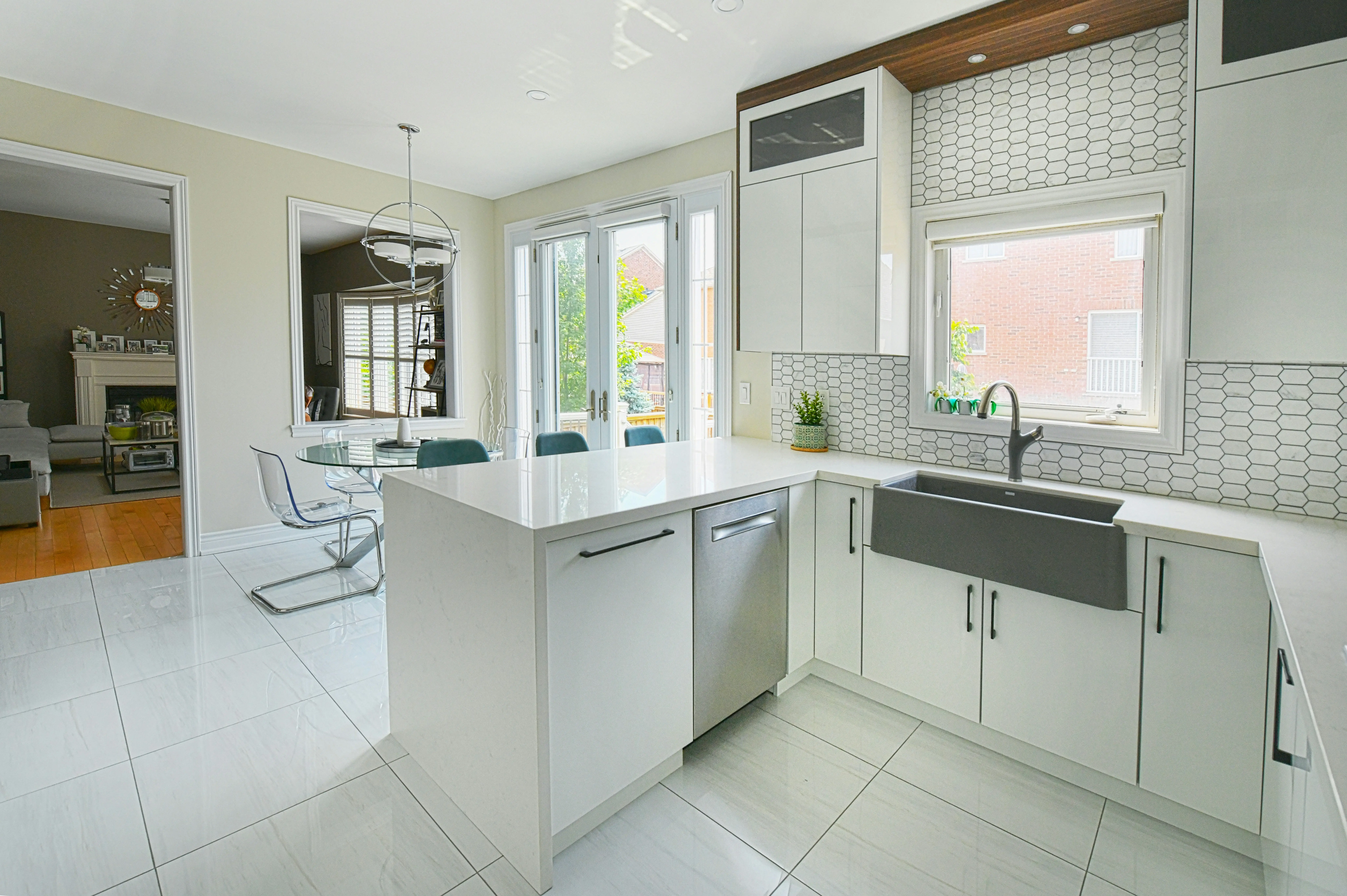
A backsplash is more than just a protective barrier against splashes; it’s a significant design element that can define the character of your kitchen or bathroom. Opting for backsplash glass tile brings numerous advantages. Its inherent reflectivity bounces light around the room, making smaller spaces feel larger and brighter. This is particularly beneficial in kitchens where natural light might be limited. Glass tiles come in an astonishing array of colors, finishes, and sizes, from frosted to iridescent, allowing for unparalleled customization.
Beyond aesthetics, glass tile is exceptionally practical. It’s non-porous, making it highly resistant to stains, mold, and mildew – a significant plus in moisture-rich environments. Cleaning is a breeze; a simple wipe with a damp cloth is usually enough to maintain its sparkling appearance. When considering glass on tile for your backsplash, think about how the color and finish will interact with your countertops, cabinetry, and overall room lighting to create a cohesive and captivating look.
Design Versatility: Creative Uses for Glass on Tile
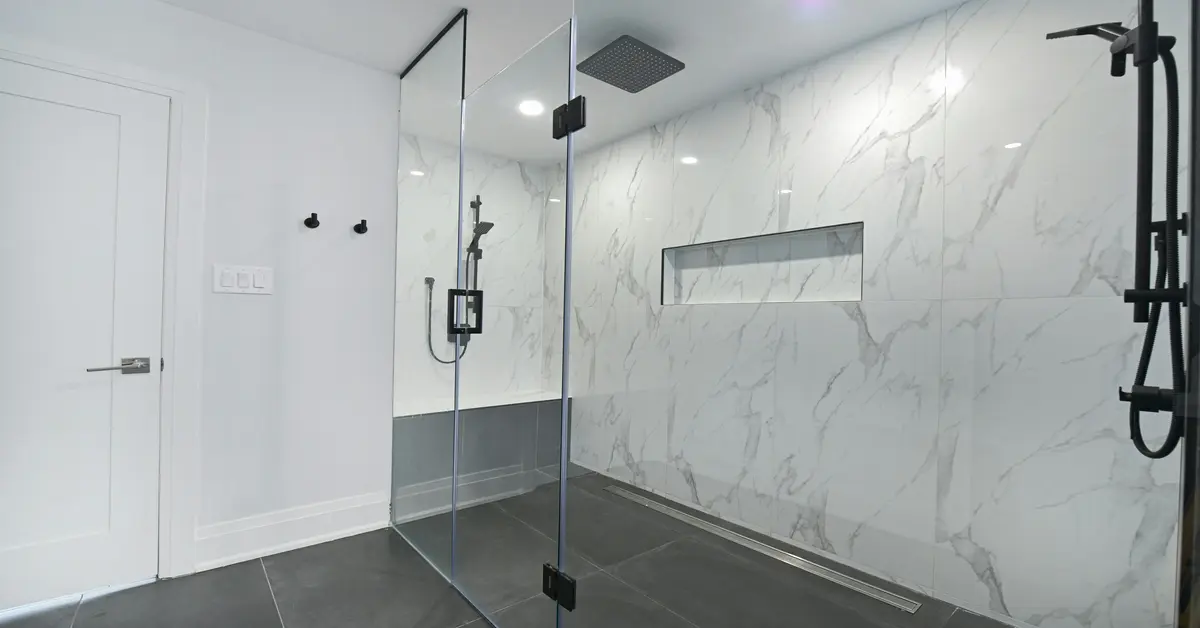
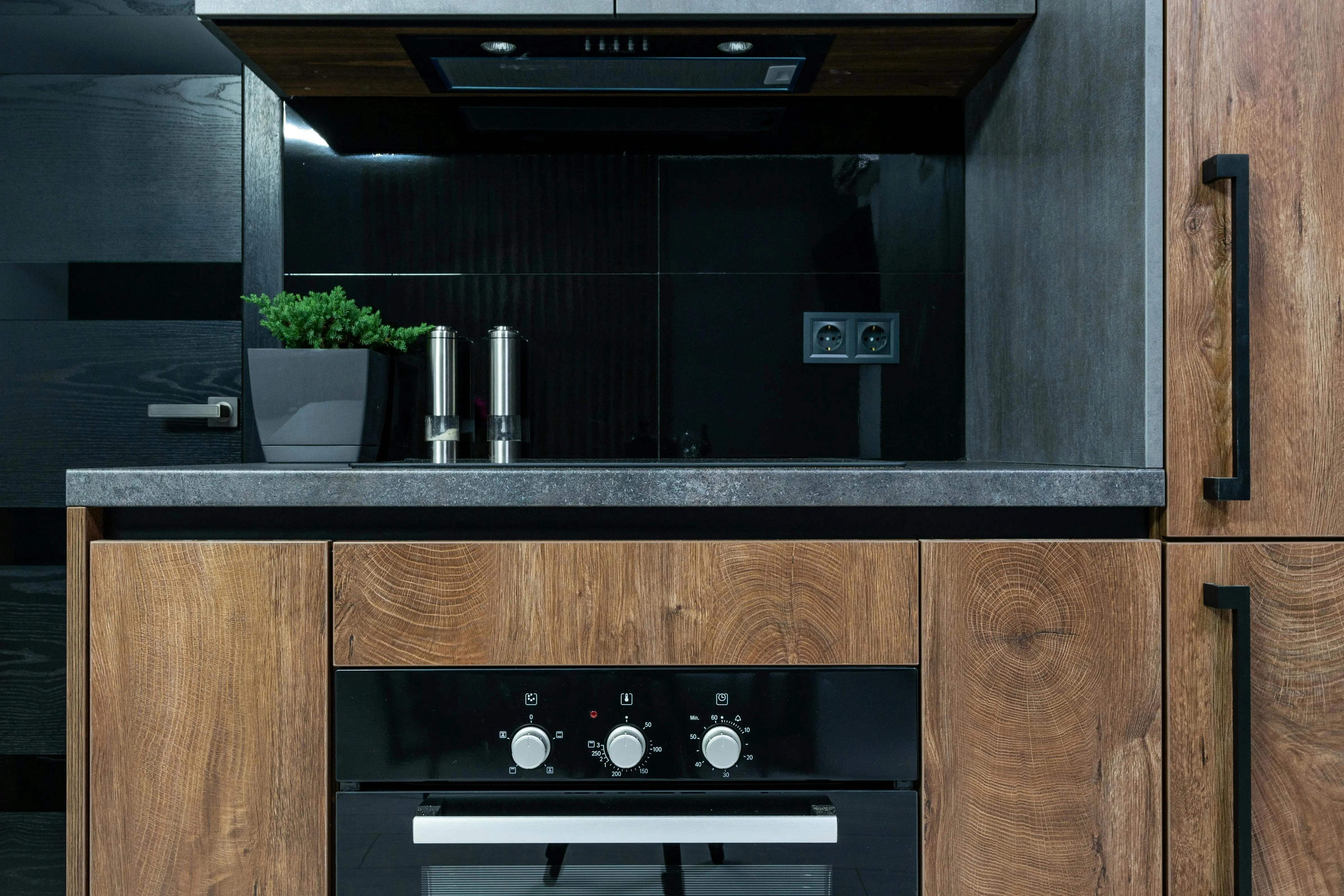
The application of glass on tile extends far beyond backsplashes. Its adaptability makes it suitable for various creative design endeavors. Consider using glass tiles to create captivating shower walls, offering a spa-like ambiance with their elegant sheen and vibrant hues. They can be installed as borders or decorative accents within a larger ceramic or porcelain tile layout, adding pops of color and texture.
For a truly unique statement, incorporate glass mosaics into flooring in low-traffic areas, transforming an ordinary floor into a work of art. In living areas, a feature wall adorned with glass tiles can become the focal point, reflecting light and adding depth. Experiment with different patterns, such as herringbone or subway, to further enhance visual interest. The reflective nature of glass can also be strategically used to highlight architectural features or artwork, drawing the eye to specific areas.
Choosing the Right Glass Tile: A Practical Guide
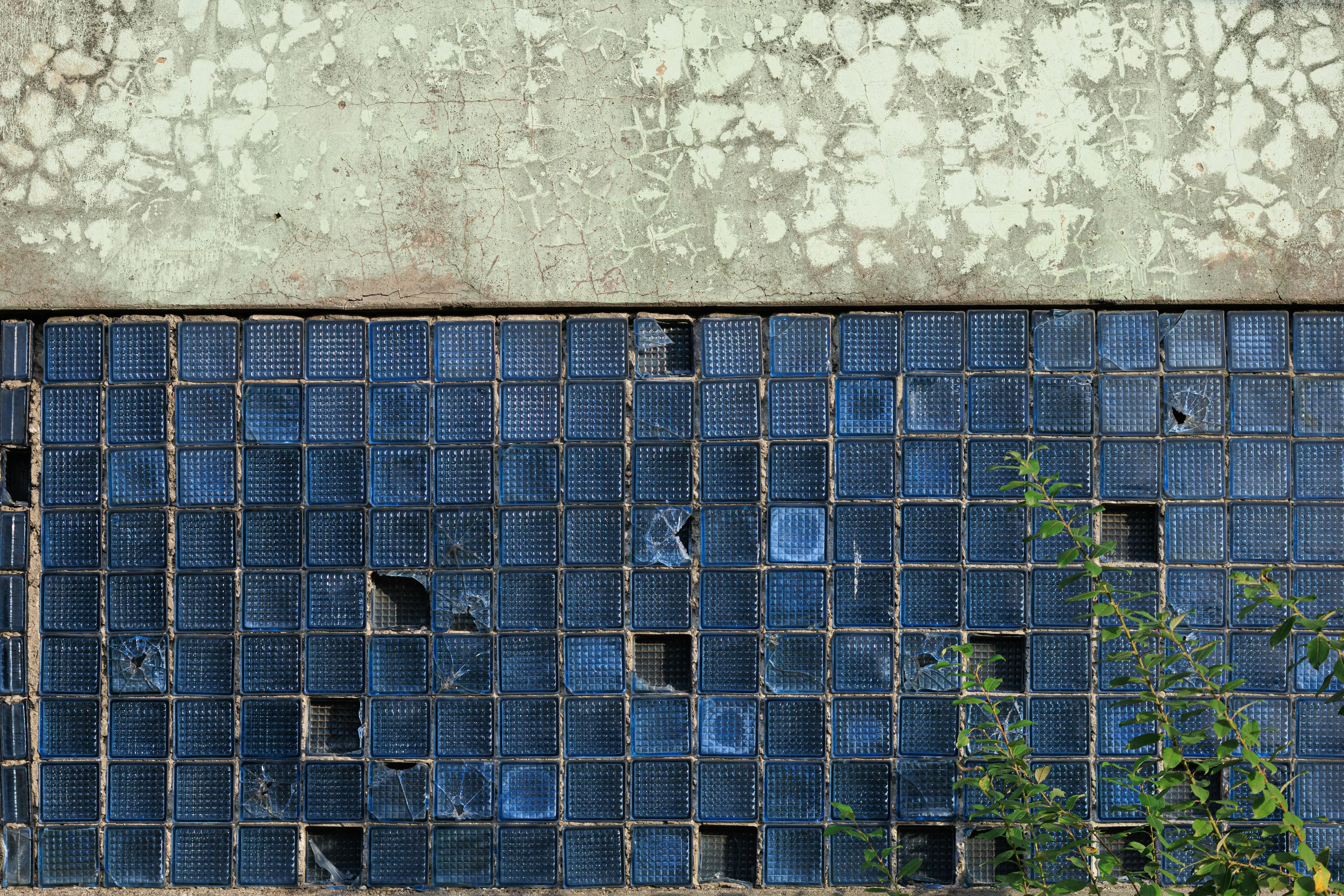
Selecting the perfect glass tile for your project requires careful consideration. First, think about the type of glass. Cast glass tiles offer a rich, sculptural look, while fused glass provides a uniform, often transparent finish. Recycled glass tiles are also an excellent eco-friendly option. Next, evaluate the finish – polished glass delivers a sleek, modern shine, while frosted glass offers a softer, more diffused appearance.
Color and size are equally important. Lighter colors can make a space feel more open, while darker shades create a sense of intimacy and drama. Smaller mosaic tiles are ideal for intricate patterns and curves, whereas larger format tiles can create a more seamless, contemporary look. Always request samples to see how the tile appears in your home’s unique lighting conditions. Consider the tile’s PEI rating if it’s for flooring to ensure it can withstand the expected traffic.

Installation Tips for a Flawless Glass Tile Finish
Proper installation is paramount to achieving a beautiful and durable glass on tile application. Due to the unique characteristics of glass, it’s often more challenging to cut and install than traditional ceramic tile. Using a wet saw with a diamond blade specifically designed for glass is essential to prevent chipping. A thin-set mortar designed for glass tiles, typically a white, polymer-modified variety, should be used to ensure strong adhesion and prevent discoloration.
Always apply the thin-set evenly with a V-notch trowel, ensuring full coverage to avoid air pockets that can show through transparent glass tiles. Grout choice is also critical. Non-sanded grout is usually recommended for glass tiles due to their smooth, often delicate surfaces, preventing scratches. Work in small sections, clean excess grout promptly, and allow adequate curing time before exposing the installation to moisture.
FAQs About Glass on Tile
How do you cut glass on tile without cracking it?
To cut glass on tile without cracking it, use a wet saw equipped with a continuous rim diamond blade specifically designed for glass. Score the tile lightly first, then make the cut slowly while keeping the blade wet.
Can I install glass on tile over existing tiles?
Yes, you can install glass on tile over existing tiles, but only if the underlying surface is clean, level, and well-adhered. Otherwise, you’ll need to remove the old tiles or create a new substrate.
Is glass tile more expensive than ceramic or porcelain?
Generally, glass tile can be more expensive per square foot than basic ceramic or porcelain tiles, especially for artisanal or specialty finishes. However, prices vary widely depending on the type and design.
How do I clean glass tile to keep it shiny?
To clean glass tile and keep it shiny, use a soft cloth or sponge with a mild glass cleaner or a solution of vinegar and water. Avoid abrasive cleaners or scouring pads that could scratch the surface.
What are the common challenges when working with glass tile?
Common challenges include precise cutting without breakage, ensuring full mortar coverage to prevent transparency issues, and potential for scratching during installation if not careful. Proper tools and technique are key.
Conclusion: Elevate Your Home with Glass Tile
Incorporating glass on tile into your home design is an investment in both beauty and functionality. Its ability to reflect light, coupled with its vast aesthetic options and practical benefits like ease of cleaning, makes it an outstanding choice for various applications. From creating dazzling kitchen backsplashes to enhancing shower walls with a spa-like feel, glass tiles offer endless possibilities for personalization and elegance.
By selecting the right type of glass, understanding proper installation techniques, and utilizing its inherent reflective qualities, you can transform ordinary spaces into truly extraordinary ones. Don’t hesitate to explore the myriad of designs and colors available. Discover how glass on tile can dramatically elevate your home’s aesthetic and value today.