
When we talk about air and plants, we’re usually referring to one of nature’s most intriguing botanical wonders: Tillandsias, commonly known as air plants. These fascinating epiphytes don’t need soil to survive, instead absorbing nutrients and moisture directly from the air through specialized scales on their leaves. Their low-maintenance nature and unique aesthetics have made them a favorite among plant enthusiasts, crafters, and interior designers alike. Understanding the symbiotic relationship between air and plants is key to helping these beauties not just survive, but truly thrive in your home or office. Let’s delve into the secrets of cultivating these captivating greens.
The Magic of Air Plants: Understanding Their Biology
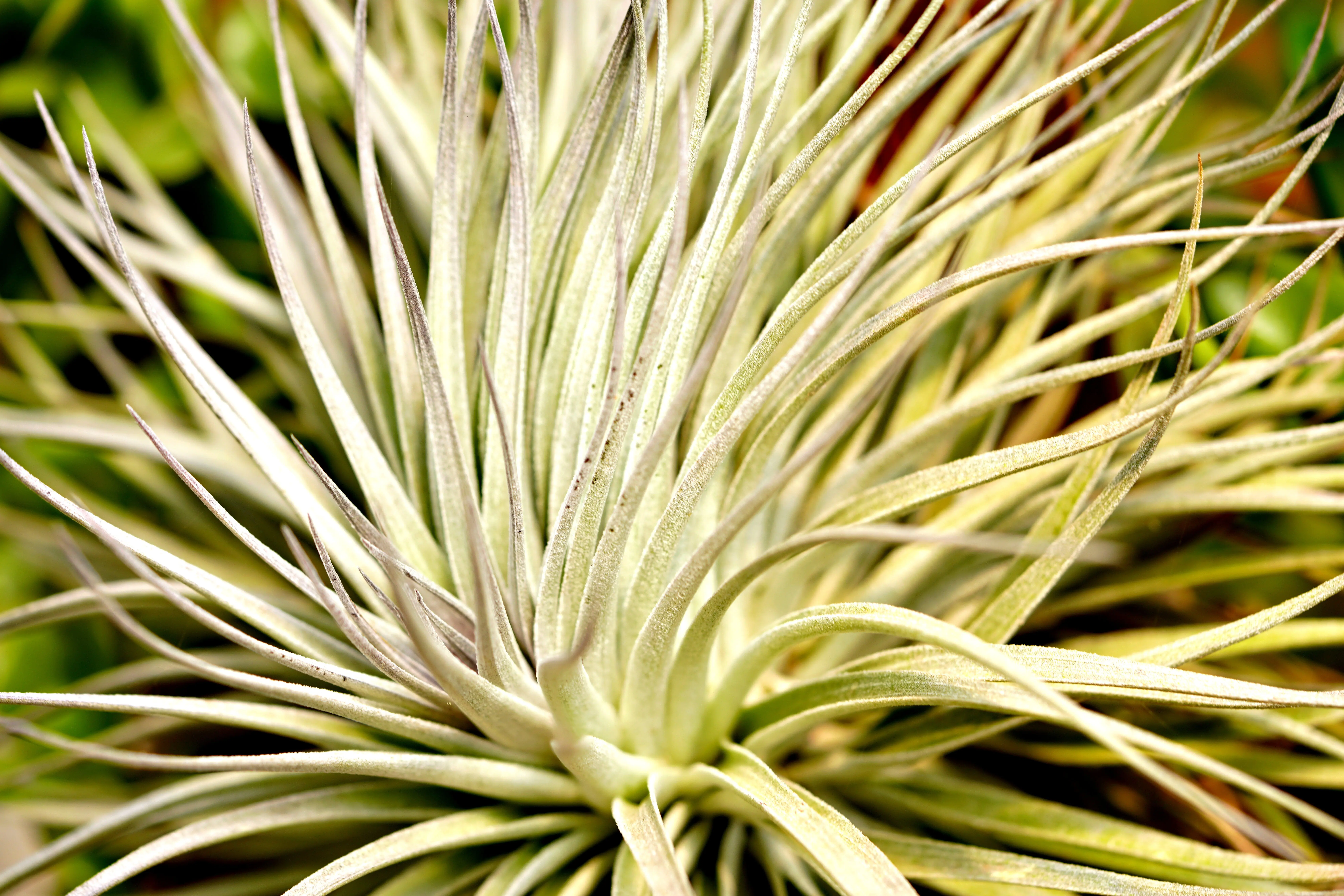
Air plants, or Tillandsias, are part of the Bromeliaceae family. Unlike most plants you might be familiar with, they are epiphytic, meaning they grow on other plants or objects for support, not for nutrients. Their roots are primarily for anchoring, not for absorption. Instead, their leaves are covered in tiny, specialized cells called trichomes. These trichomes are responsible for absorbing water and nutrients from the humidity, rain, and dust particles in the air. This remarkable adaptation allows them to flourish in diverse environments, from deserts to rainforests, showcasing the incredible versatility of nature’s design when it comes to air and plants.
Where to Find Air Plants for Sale
Finding beautiful air plants for sale is easier than ever. Many garden centers, nurseries, and even some craft stores now carry a variety of Tillandsias. Online retailers are also an excellent source, often offering a wider selection of rare or exotic air plant species. When purchasing, look for healthy plants with vibrant colors and no signs of rot or significant damage. Reputable sellers will often provide care instructions, which are crucial for beginners. Prices can vary widely depending on the size, species, and rarity of the air plant.
Essential Care Tips for Happy Tillandsias
Proper care is paramount for ensuring your air plants live a long and healthy life. While they are often described as low-maintenance, a few key practices will make all the difference. Lighting is crucial; most air plants prefer bright, indirect light. Avoid direct, intense sunlight, especially in hotter climates, as this can scorch their delicate leaves. Good air circulation is equally important, as their name suggests, they thrive on airflow. Avoid placing them in enclosed, stagnant spaces. Regular watering is also necessary; while they absorb moisture from the air, they still need to be hydrated. Soaking them in water for 20-30 minutes once a week is a common and effective method, followed by thorough drying.
Exploring Diverse Air Plant Species
The world of air plant species is incredibly diverse, offering a vast array of shapes, sizes, and textures. Some popular types include Tillandsia ionantha, with its compact form and vibrant blush when blooming, and Tillandsia xerographica, known for its large, silvery, curling leaves. Tillandsia brachycaulos often displays beautiful reddish hues, while Tillandsia caput-medusae has serpentine-like leaves. Each species has its own unique charm and slightly different care preferences, offering endless possibilities for collecting and display. Researching specific species can help you select the perfect air plants for your home and lifestyle.
Creative Displays for Your Air Plants
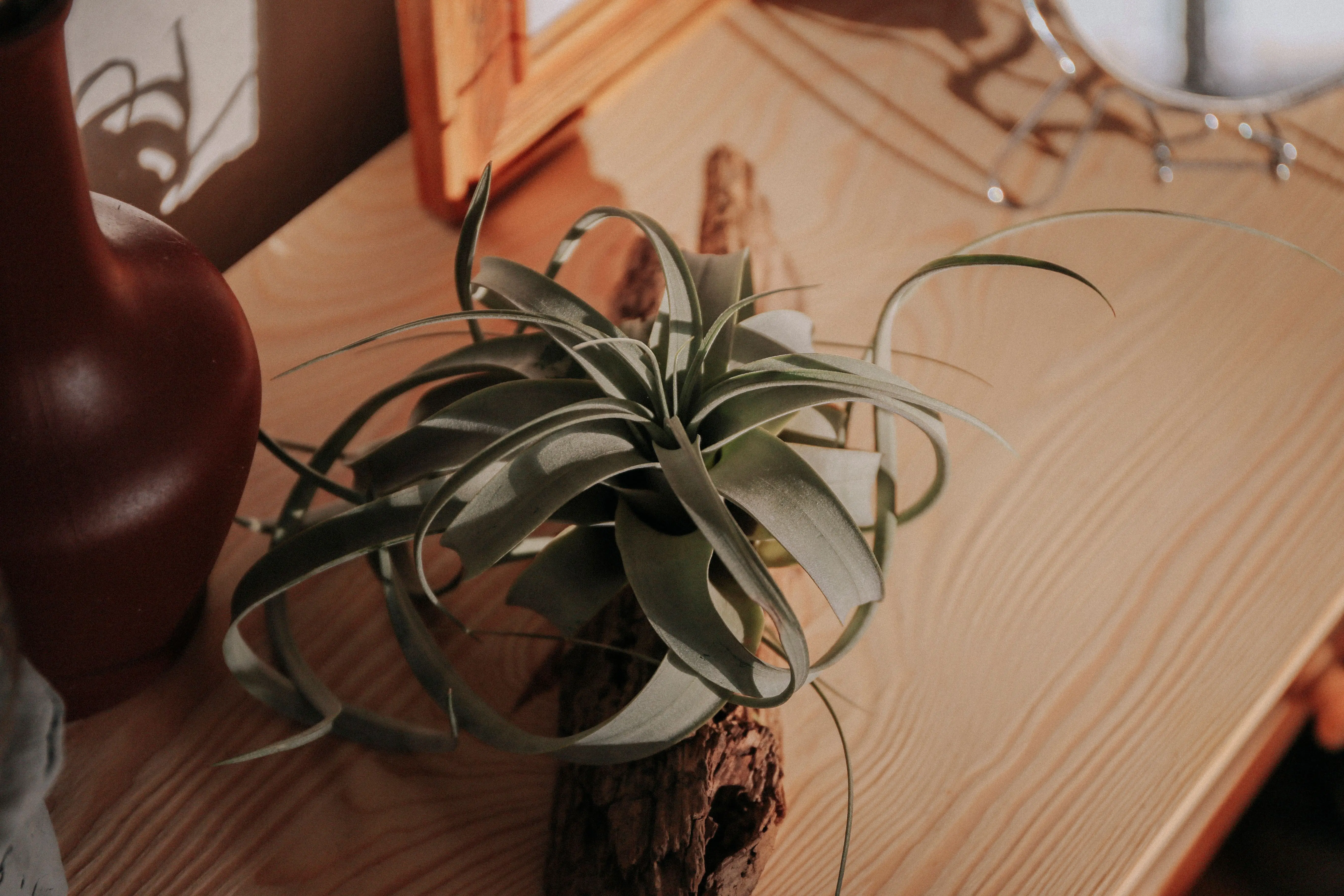
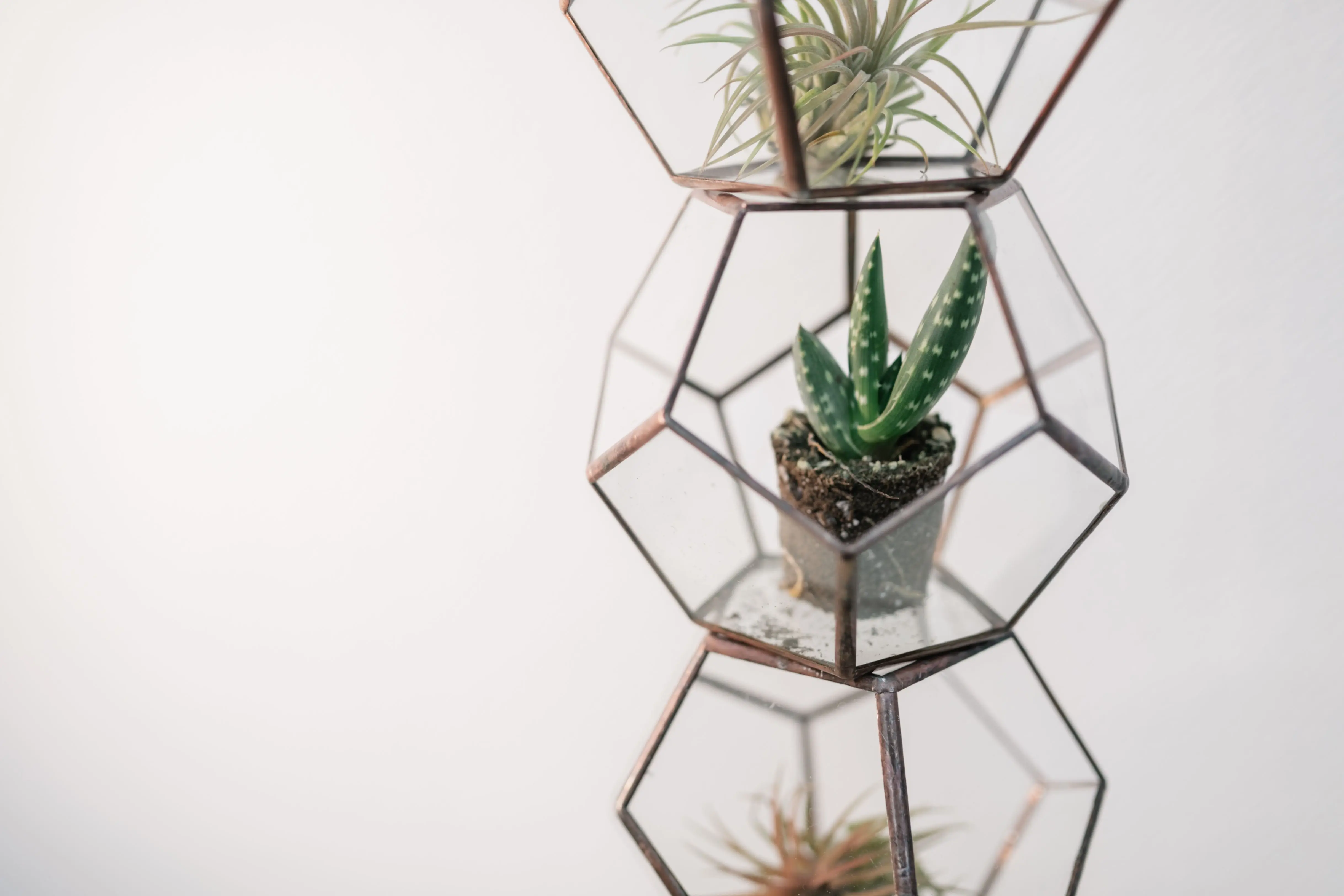
One of the joys of owning air plants is their versatility in display. Since they don’t require soil, they can be placed in almost anything that allows for good air circulation and light. Terrariums (open-sided ones are best), decorative shells, driftwood, ceramic holders, or even mounted on unique objects are popular choices. Creating a living wall or a hanging display can add a striking botanical element to any room. Remember to ensure that whatever you choose for display doesn’t trap moisture, as this can lead to rot. Let your creativity flow and integrate these living sculptures into your home decor.
Air and Plants: Common Questions Answered
How do I water my air plants?
The most common method is to soak your air plants in a bowl of water for 20-30 minutes once a week. After soaking, gently shake off excess water and allow them to dry completely upside down to prevent rot, especially in the base.
Do air plants need fertilizer?
While not strictly necessary, you can use a Tillandsia-specific fertilizer or a diluted orchid fertilizer once a month during their growing season (spring and summer) to encourage growth and blooming.
Why are my air plant leaves turning brown?
Browning leaf tips often indicate underwatering. Increase the frequency or duration of your soaks. If the plant feels mushy, it might be overwatered or not drying properly after watering, leading to rot.
Can air plants grow in low light?
While some air plant species tolerate lower light conditions, most prefer bright, indirect light. Prolonged low light will lead to stunted growth and less vibrant coloration.
What are the best air plant species for beginners?
Tillandsia ionantha, Tillandsia caput-medusae, and Tillandsia brachycaulos are generally considered robust and forgiving, making them excellent choices for those new to air plants.
The Symbiotic Relationship of Air and Plants
The fascinating world of air and plants offers a unique opportunity to connect with nature without the mess of traditional gardening. By understanding their simple needs – good light, proper watering, and ample air circulation – you can cultivate a thriving collection of these remarkable botanical treasures. Their ability to flourish without soil is a testament to nature’s adaptability and an inspiring reminder of the diverse forms life can take. Incorporating air plants into your home not only adds natural beauty but also a touch of horticultural wonder. Discover the joy of these incredible plants and let them bring a breath of fresh air into your life.