
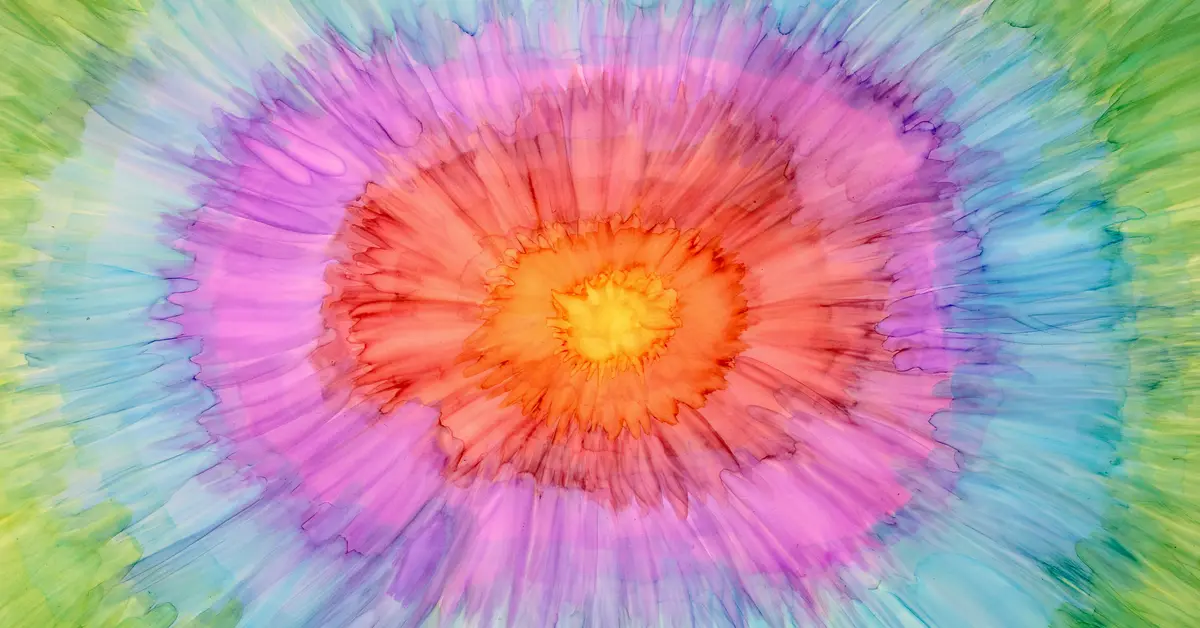
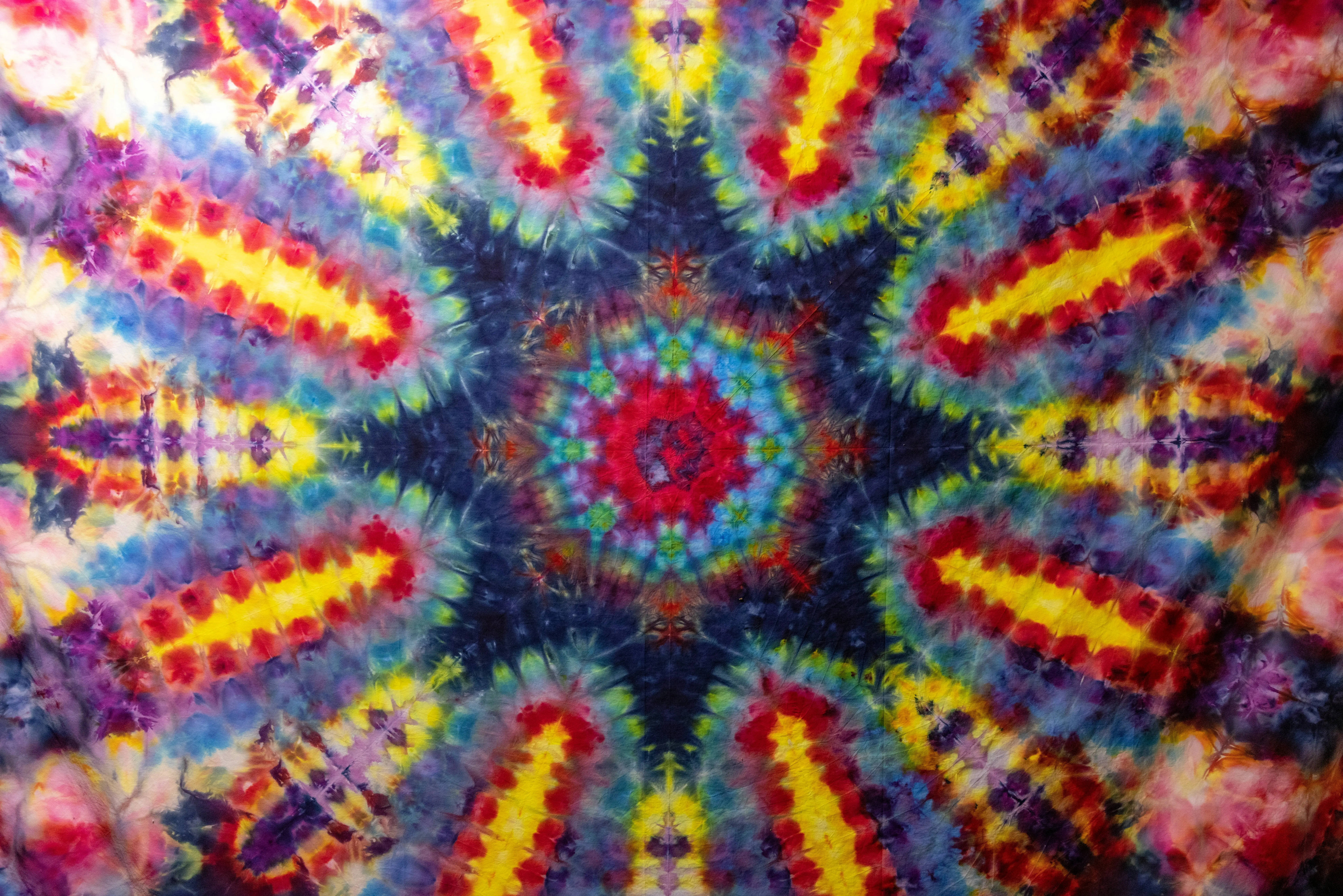
Are you ready to transform plain fabric into vibrant, wearable art? Mastering tie dye techniques is the key to unlocking a world of creative possibilities. From classic spirals to intricate mandalas, the way you fold, twist, and bind your fabric directly dictates the final pattern. This comprehensive guide will walk you through essential techniques, helping you achieve stunning results every time. Whether you’re a beginner or looking to expand your dyeing repertoire, we’ll cover everything you need to know to create unique tie-dye masterpieces that will turn heads and showcase your personal style.
The Fundamentals of tie dye Patterns
Before diving into specific tie dye techniques, it’s crucial to understand the basic principles. Tie-dye works by resisting the dye in certain areas of the fabric. The tighter the bind or fold, the less dye penetrates, creating distinct white or lighter sections that form the pattern. Key considerations include choosing the right fabric (natural fibers like cotton work best), pre-washing your items to remove sizing, and preparing your dyes correctly. Always wear gloves to protect your hands and work in a well-ventilated area. The magic truly happens when you combine precise folding with strategic dye application.
Preparing Your Fabric and Dyes
- Choose Natural Fibers: Cotton, rayon, and hemp absorb dye beautifully.
- Pre-wash: Always wash items without fabric softener to ensure maximum dye absorption.
- Soda Ash Soak: For fiber-reactive dyes, a soda ash pre-soak is essential for vibrant, long-lasting colors.
- Mix Dyes: Follow manufacture instructions for mixing dyes with water.
Classic Spiral Tie Dye Techniques
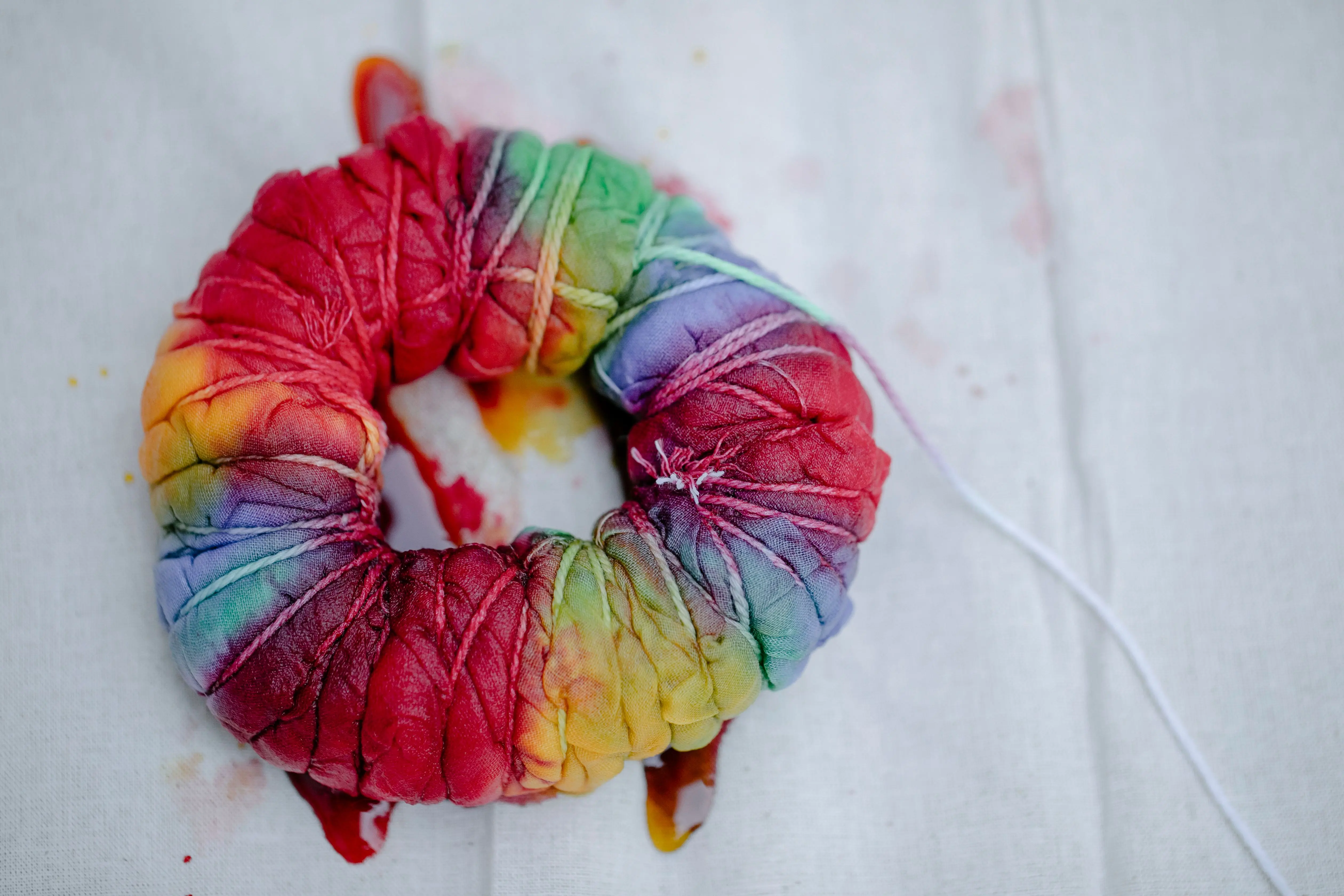
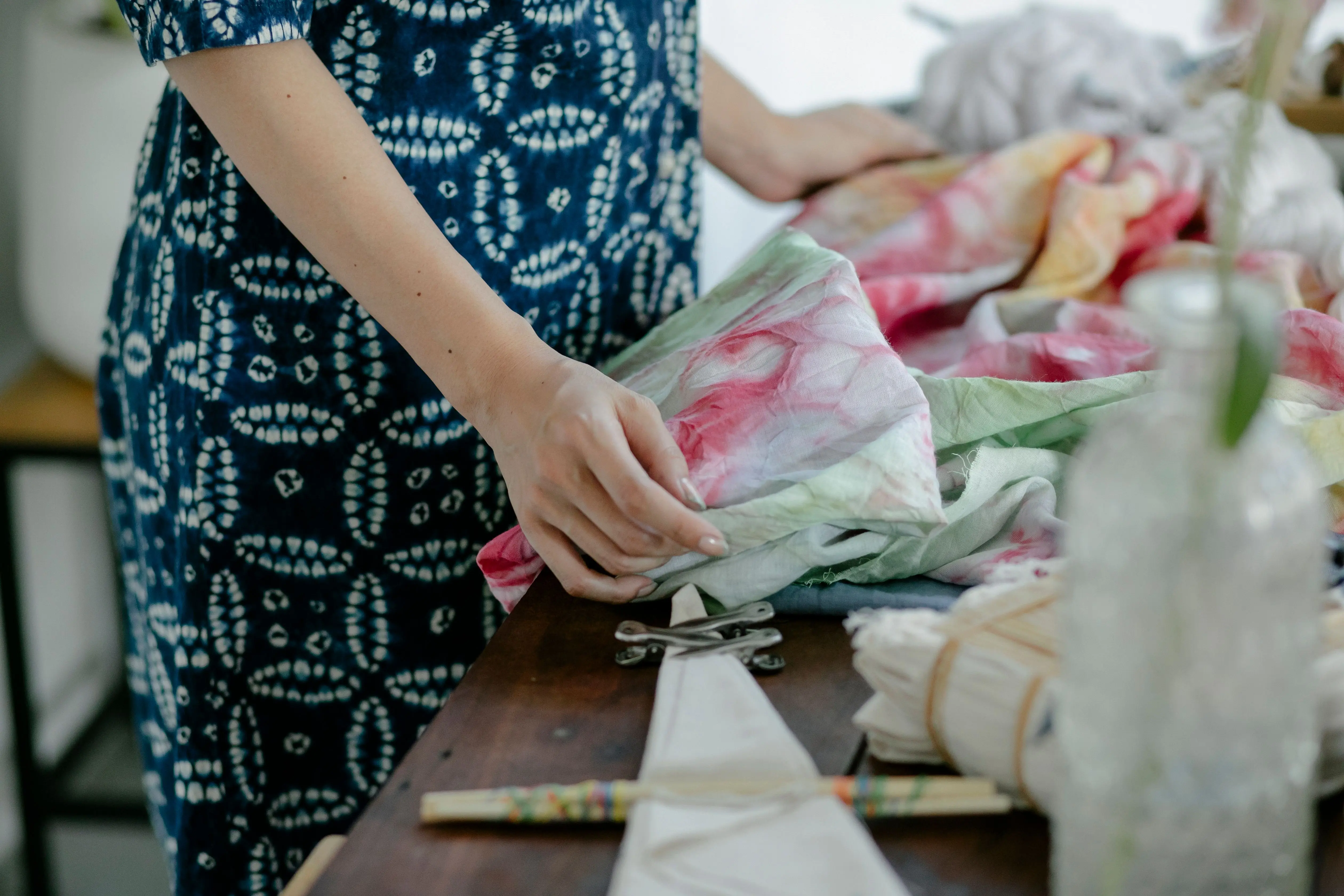
The spiral is perhaps the most iconic and beloved tie dye technique. It’s surprisingly simple to create and yields consistently impressive results. To make a spiral, lay your damp, pre-treated fabric flat. Pinch the fabric at the center point where you want your spiral to originate. Begin twisting the fabric around that central point, creating a flat, pancake-like swirl. Once twisted tightly, secure the ‘pancake’ with several rubber bands, crisscrossing them to divide the fabric into pie-shaped sections. These sections are where you’ll apply different colors of dye, leading to the recognizable spiral effect.
Achieving Stripes and Accordion Folds
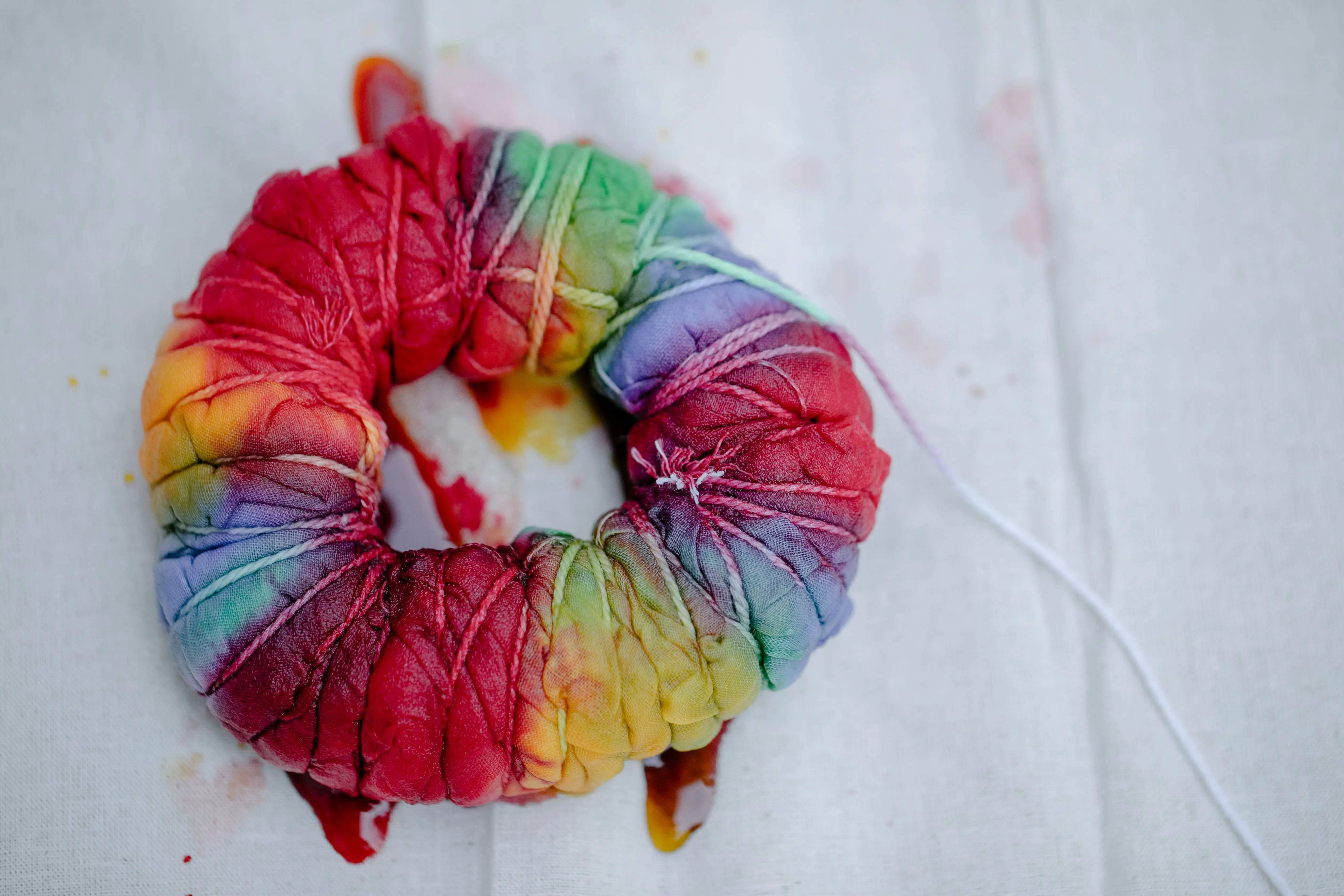
For crisp, linear patterns, accordion folding is your go-to method. This technique involves folding your fabric back and forth, like a fan or an accordion. The width of your folds will determine the thickness of your stripes. Once you’ve folded the entire piece of fabric, secure it tightly with rubber bands at regular intervals. Each section created by the rubber bands can then be dyed a different color, resulting in horizontal or vertical stripes depending on how you orient your folds. Experiment with varying fold widths and band placements for unique stripe variations.
The Crumple Technique for Abstract Art
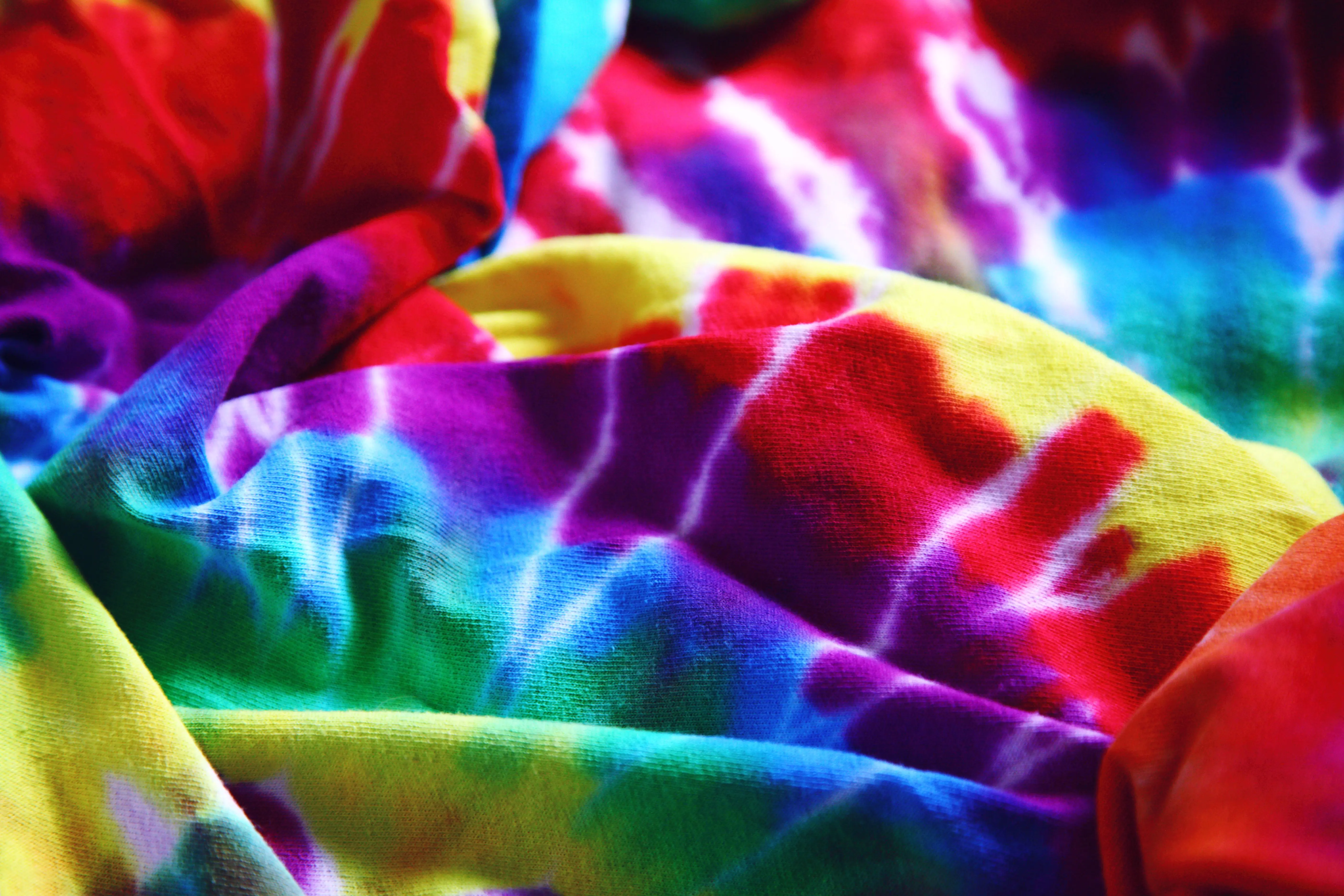
If you prefer a more organic, free-form look, the crumple technique is ideal. This is one of the easiest tie dye techniques and requires minimal precision. Simply lay your damp fabric flat and then crumple it randomly into a tight ball. The more compact you make the ball, the more intricate the pattern will be. Secure the crumpled fabric with several rubber bands wrapped randomly around the ball. Apply dyes directly to different areas of the crumpled fabric. This method produces beautiful, marble-like effects with a lot of white space and unpredictable color blends, making every piece truly unique.
Mandala and Bullseye Patterns
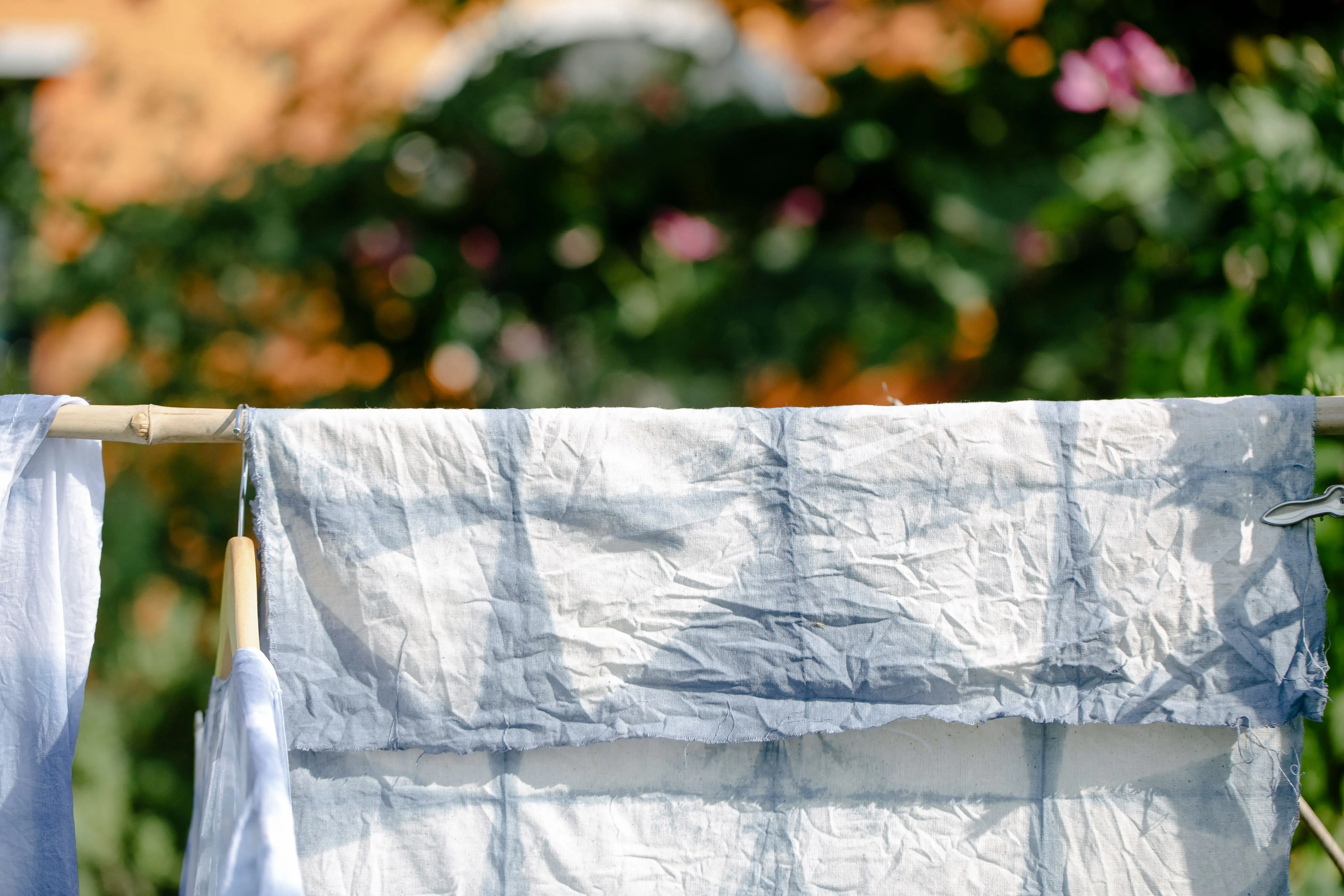
Creating a mandala or bullseye pattern involves a specific folding and binding process to achieve concentric circles. Lay your fabric flat. Decide on the center point for your design. Pinch the fabric at this center and pull it upwards, creating a cone. From this cone, use rubber bands to create segments along its length. Each rubber band will define a concentric circle. Apply different dyes to each segment created by the rubber bands, working from the center outwards. This technique is perfect for creating symmetrical and visually striking designs that draw the eye.
FAQ About Tie Dye Techniques
What kind of dye should I use for tie dye?
Fiber-reactive dyes are best for vibrant, long-lasting colors on natural fibers like cotton, rayon, and hemp.
Do I need to wash my shirt before tie dyeing?
Yes, always pre-wash your fabric to remove any sizing or impurities that could prevent the dye from absorbing evenly.
How long should I let the dye sit on the fabric?
For best results, let the dyed fabric batch for 6-24 hours. The longer it sits (up to 24 hours), the more vibrant the colors will be.
Can I tie dye synthetic fabrics?
No, standard fiber-reactive dyes used for tie-dye will not work on synthetic fabrics like polyester or nylon. You need specific dyes for synthetics.
How do I prevent my tie dye colors from bleeding?
After batching, rinse the item thoroughly with cold water until the water runs clear, then wash it in hot water with a special detergent like Synthrapol to remove excess dye.
Conclusion: Unleash Your Creativity with Tie Dye
Embarking on the journey of tie dye techniques is an incredibly rewarding experience. By understanding the foundational methods and experimenting with various folds and bindings, you can create a seemingly endless array of stunning patterns. From the classic spiral to unique crumples and precise mandalas, each technique offers a chance to personalize your wardrobe and home decor. Don’t be afraid to mix and match methods, combine colors creatively, and develop your own signature style. Grab your dyes, gather your fabric, and start exploring the vibrant world of tie dye today. The only limit is your imagination!