
When you think of Texas, sprawling ranches, BBQ, and wide-open skies often come to mind. But beneath the surface, and sometimes right in your own home, lies a fascinating and often misunderstood world of arachnids. spiders in Texas are incredibly diverse, ranging from tiny, harmless jumpers to larger, more reclusive species that warrant a bit more caution. Understanding these eight-legged residents is key to coexisting peacefully and knowing when to be concerned. This comprehensive guide will delve into the most common spiders you might encounter, offering identification tips, behavior insights, and crucial safety information. Whether you’re a long-time Texan or just visiting, knowing your local spiders can turn fear into fascination.
Common Spiders in Texas: Identification and Habitats
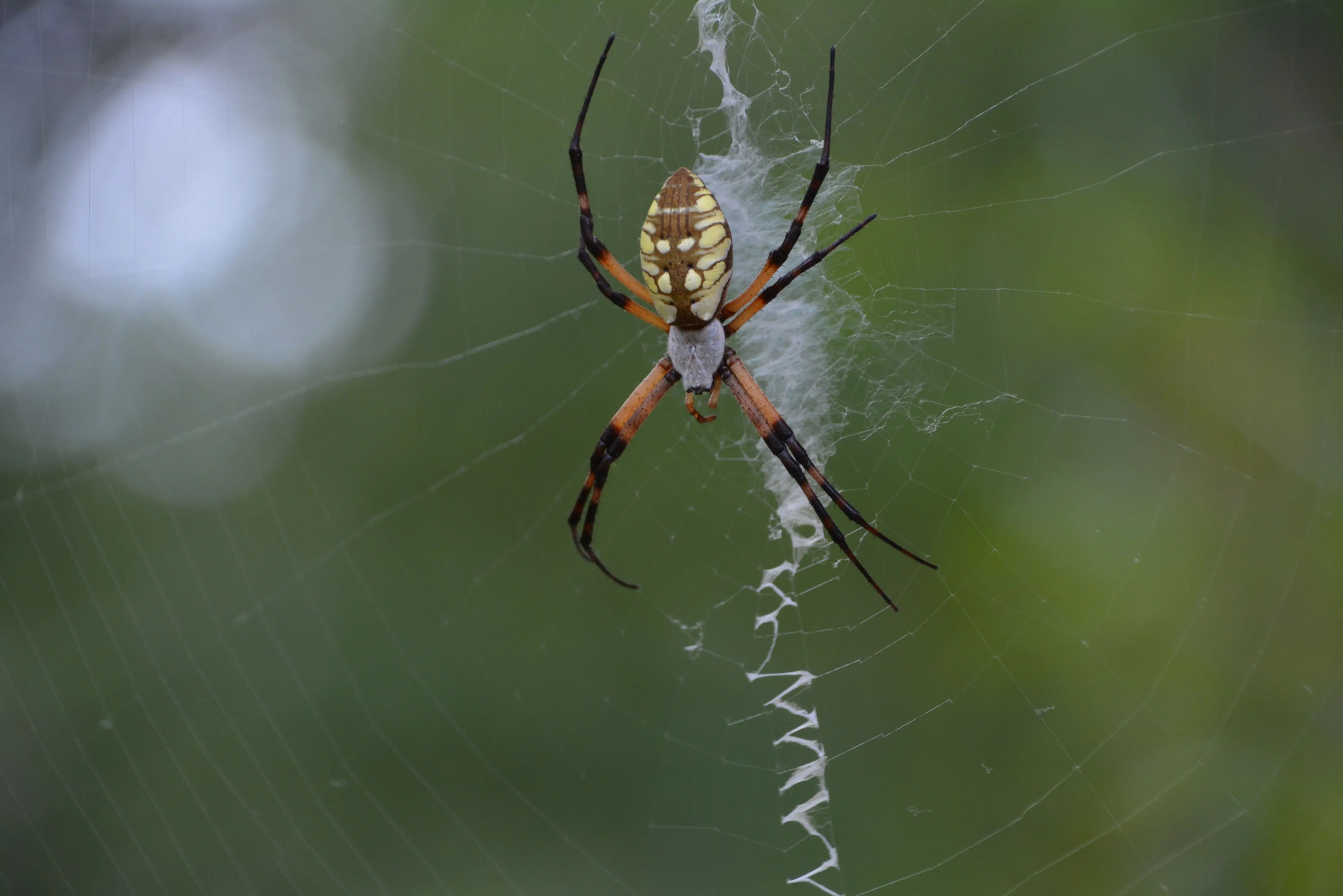
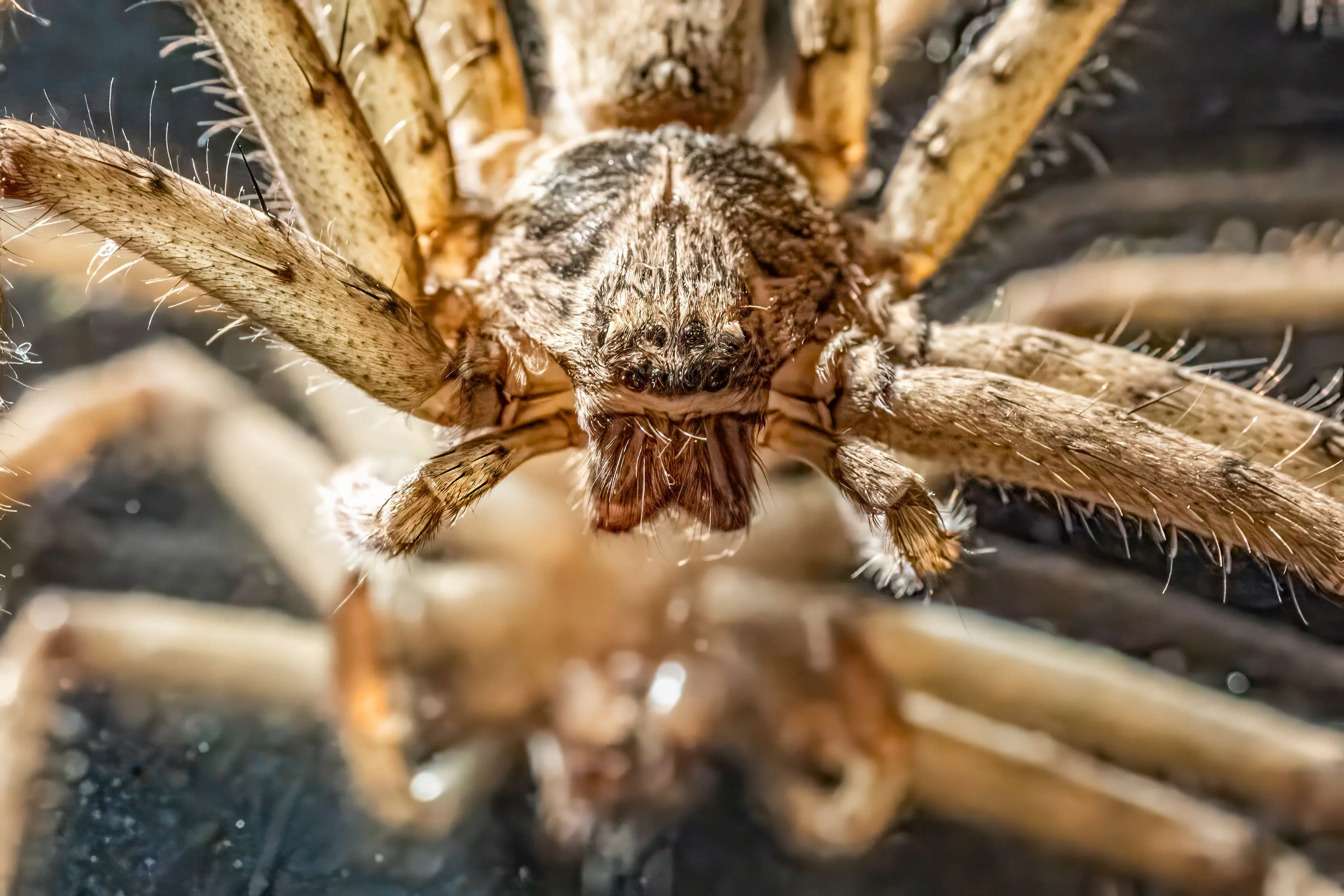
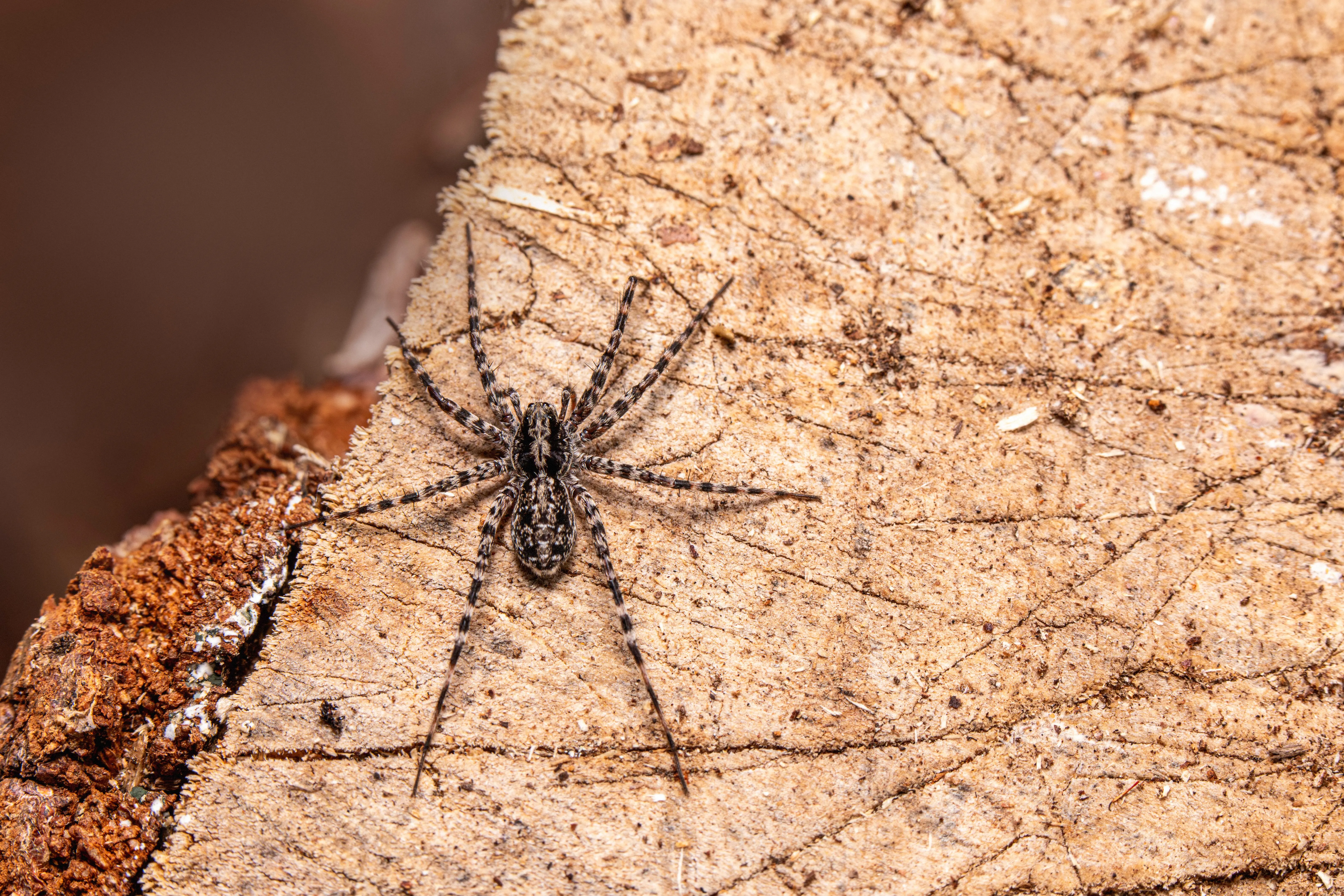
Texas is home to a vast array of spider species, each with unique characteristics and preferred environments. One of the most frequently encountered is the Garden Spider (Argiope aurantia), easily recognized by its striking yellow and black patterns and zigzag silk in its web. These are harmless and beneficial predators. Then there’s the Wolf Spider (family Lycosidae), often mistaken for tarantulas due to their size and hairy appearance. They don’t spin webs but actively hunt their prey on the ground. You’ll often spot them scurrying across floors or garden paths. Knowing these common species helps demystify many of the sightings you’ll have around your property, reducing unnecessary alarm. For more specific spider pictures and names, keep an eye out for detailed guides.
Harmless Wonders: Orb Weavers and Jumping Spiders
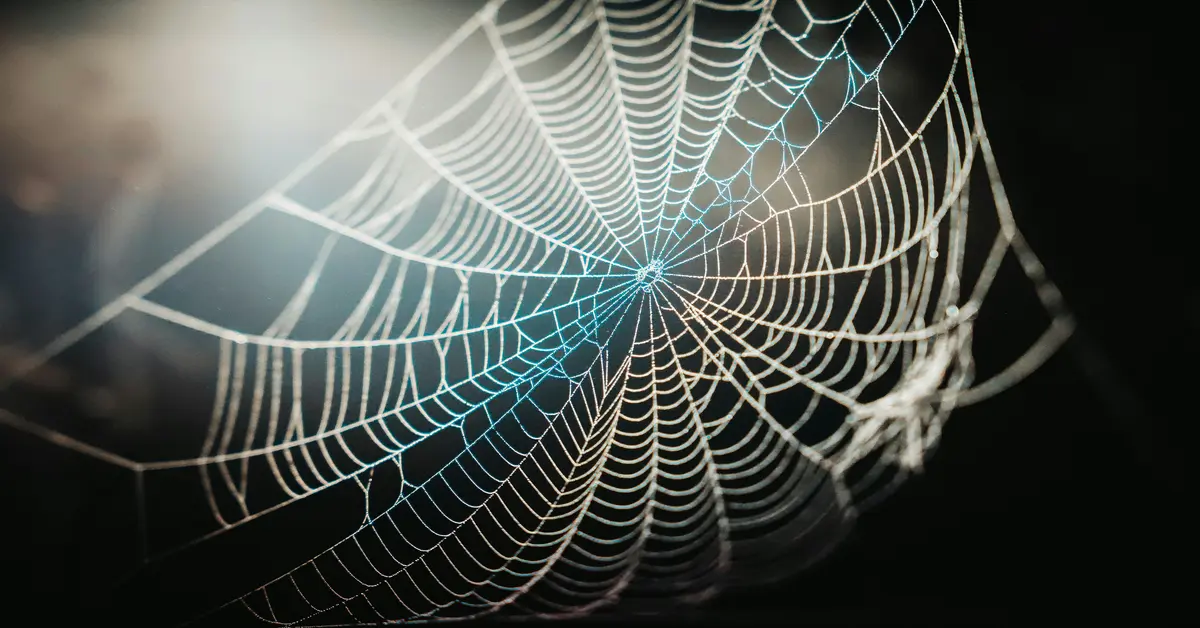
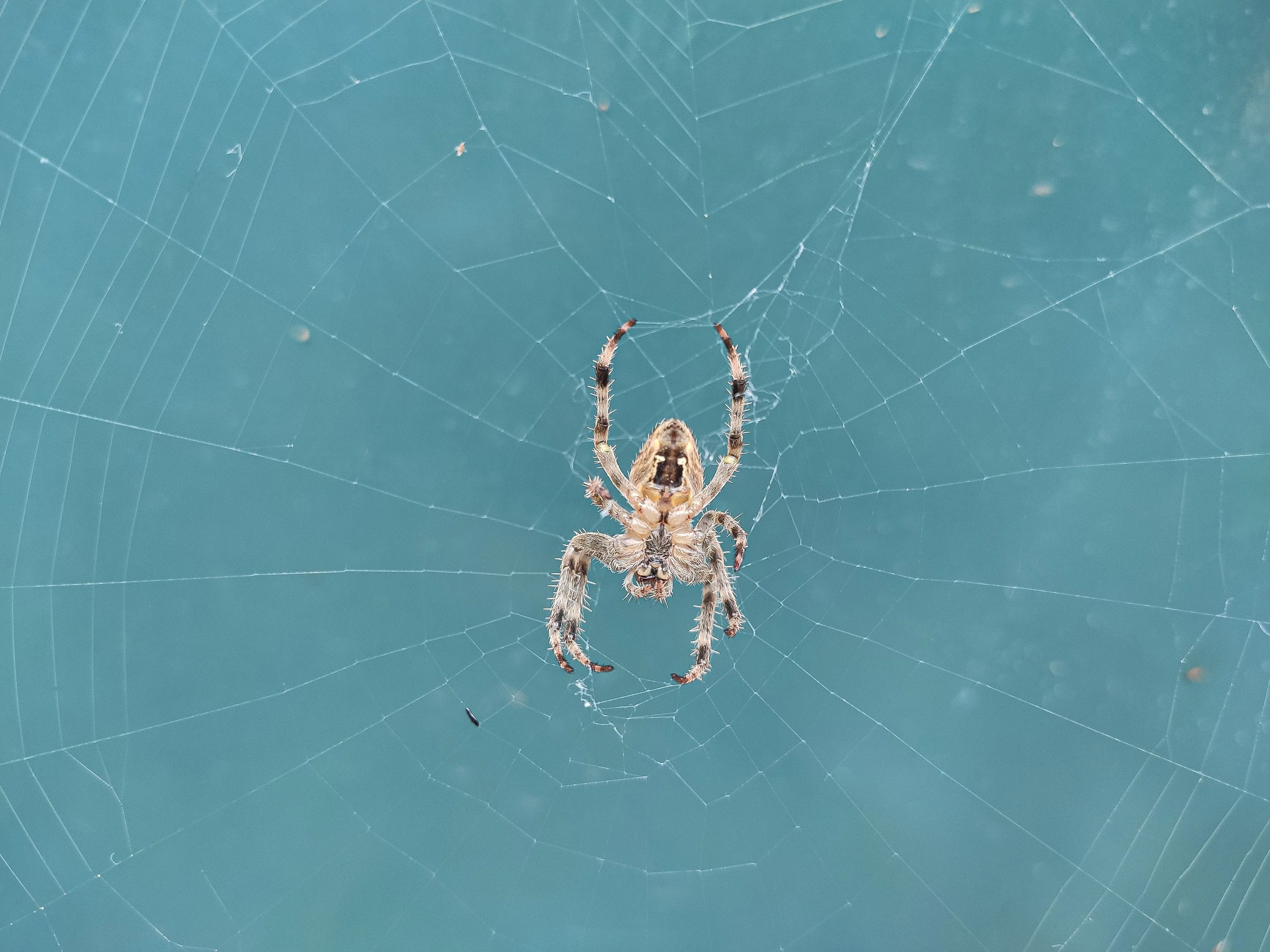
Many spiders in Texas are completely harmless to humans and play a vital role in controlling insect populations. Orb Weavers, like the previously mentioned Garden Spider, construct intricate, circular webs and are typically found outdoors, decorating gardens, eaves, and fences. Their vibrant colors and impressive web-building skills make them beautiful, if sometimes startling, inhabitants. Jumping Spiders (family Salticidae) are small, agile, and possess excellent eyesight. They don’t build webs for hunting but stalk their prey like miniature cats. Watching a jumping spider can be quite entertaining, as they exhibit curious and intelligent behavior, often turning their heads to observe you. These species are not aggressive and their bites are rare and non-threatening.
The Infamous Duo: brown Recluse and Black Widow
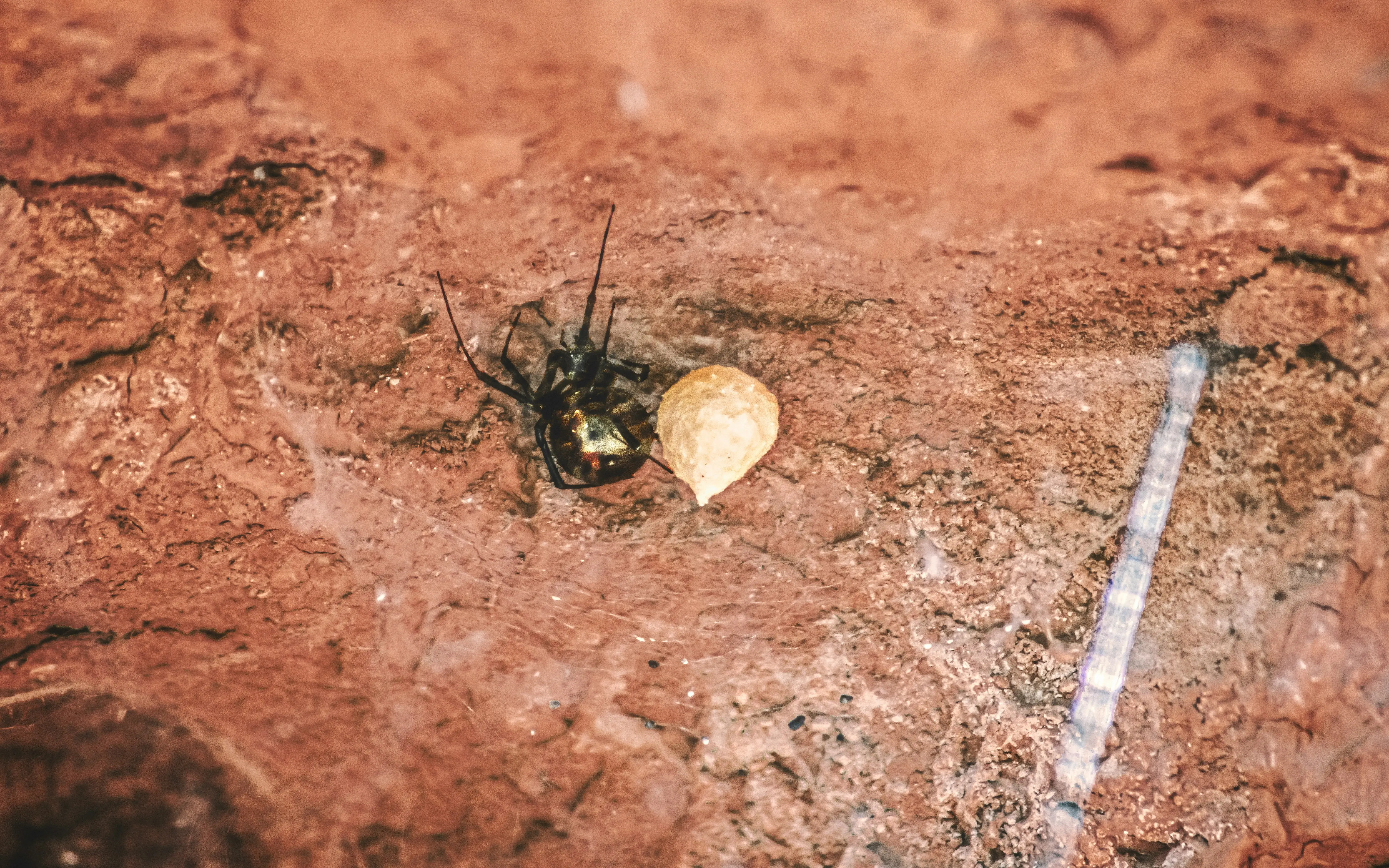
While most spiders are benign, two species in Texas require more respect: the Brown Recluse (Loxosceles reclusa) and the Black Widow (Latrodectus mactans). The Brown Recluse is identifiable by a distinctive fiddle-shaped marking on its cephalothorax, though this can be subtle. They prefer secluded, dark places like closets, attics, and woodpiles. Their venom can cause tissue damage, so medical attention is recommended for suspected bites. The Black Widow is famous for the female’s glossy black body and the iconic red hourglass marking on her abdomen. They build irregular, messy webs in undisturbed areas. Their neurotoxic venom can cause severe pain and other systemic symptoms, making immediate medical care crucial. Learning to identify these spiders is paramount for safety.
Understanding Spider Bites and First Aid
Spider bites are often over-diagnosed, with many skin irritations or other insect bites mistakenly attributed to spiders. However, if you suspect a bite from a dangerous spider, knowing the proper first aid is important. For a Black Widow bite, apply ice to the area to slow the spread of venom and seek emergency medical attention immediately. For a Brown Recluse bite, clean the wound with soap and water, apply a cold compress, and monitor the area closely. Seek medical care if the wound worsens, shows signs of infection, or an open sore develops. It’s always best to consult a healthcare professional for any concerning spider bite to ensure proper diagnosis and treatment. Most spider bites, even from less dangerous species, can cause mild irritation, swelling, and redness.
Effective Spider Control and Prevention
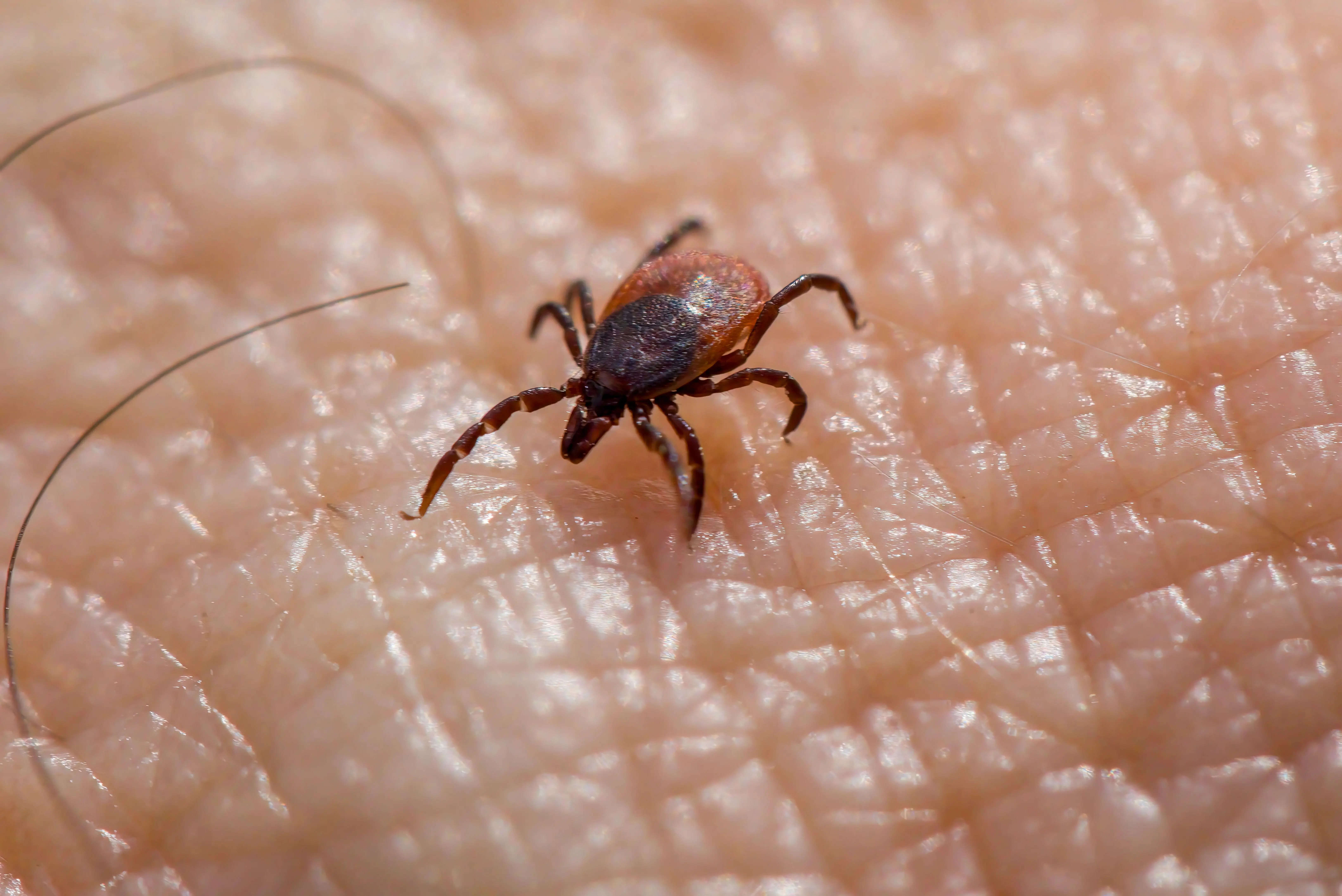
Managing spiders in Texas involves both prevention and, when necessary, careful control. Indoors, reducing clutter, sealing cracks and crevices in your home’s foundation and around windows, and maintaining a clean environment can significantly deter spiders. Regular dusting and vacuuming in undisturbed areas like under furniture and behind curtains also help. Outdoors, clear away leaf litter, woodpiles, and overgrown vegetation near your home’s foundation. Eliminating other insects that serve as a food source for spiders can also help. For persistent infestations or suspected dangerous species, it’s advisable to contact a professional pest control service. They can safely identify and remove these spiders while advising on long-term prevention strategies.
Frequently Asked Questions About Spiders in Texas
1. What are the most common spiders in Texas?
The most common spiders include Garden Spiders, Wolf Spiders, Jumping Spiders, and, with more caution, Brown Recluse and Black Widow spiders.
2. How can I identify a Brown Recluse spider?
Brown Recluse spiders have a distinct violin-shaped marking on their back, though it can be faint. They are typically light to dark brown.
3. Are all spider bites dangerous?
No, the vast majority of spider bites are harmless and only cause minor irritation. Only a few species, like the Black Widow and Brown Recluse, have medically significant venom.
4. What should I do if I find a Black Widow spider?
If you find a Black Widow, it’s best to avoid direct contact. If it’s indoors, consider calling a professional pest control service for safe removal.
5. How can I keep spiders out of my house?
Seal cracks and crevices, reduce clutter, keep your home clean, and remove outdoor harborage sites like leaf piles to deter spiders.
Conclusion: Coexisting with Spiders in Texas
Understanding the diverse world of spiders in Texas allows us to approach them with knowledge rather than fear. While caution is always warranted with species like the Brown Recluse and Black Widow, the vast majority of spiders are harmless, beneficial, and represent an integral part of Texas’s rich ecosystem. By learning to identify common species, understanding their behaviors, and implementing simple preventive measures, you can create a safer and more harmonious environment for both humans and these fascinating arachnids. Embrace the opportunity to observe these incredible creatures from a respectful distance, appreciating their role in nature’s delicate balance. Discover more about these amazing animals and how to safely share your space.