Transforming your garden into a vibrant oasis often starts with selecting the right plants. For many gardeners, a shrub with purple flowers offers an irresistible blend of elegance, color, and sometimes, fragrance. Purple hues can range from soft lavender to deep indigo, adding depth and visual interest to any landscape. Not only do these shrubs provide a beautiful focal point, but they can also attract pollinators like butterflies and bees, contributing to a healthier garden ecosystem. Whether you’re looking to create a serene cottage garden, a structured formal border, or simply add a splash of majestic color, understanding the best options available is key. This guide will explore popular and lesser-known varieties, helping you choose the perfect shrub to brighten your outdoor space.
The Allure of Purple in Your flower bed Bushes
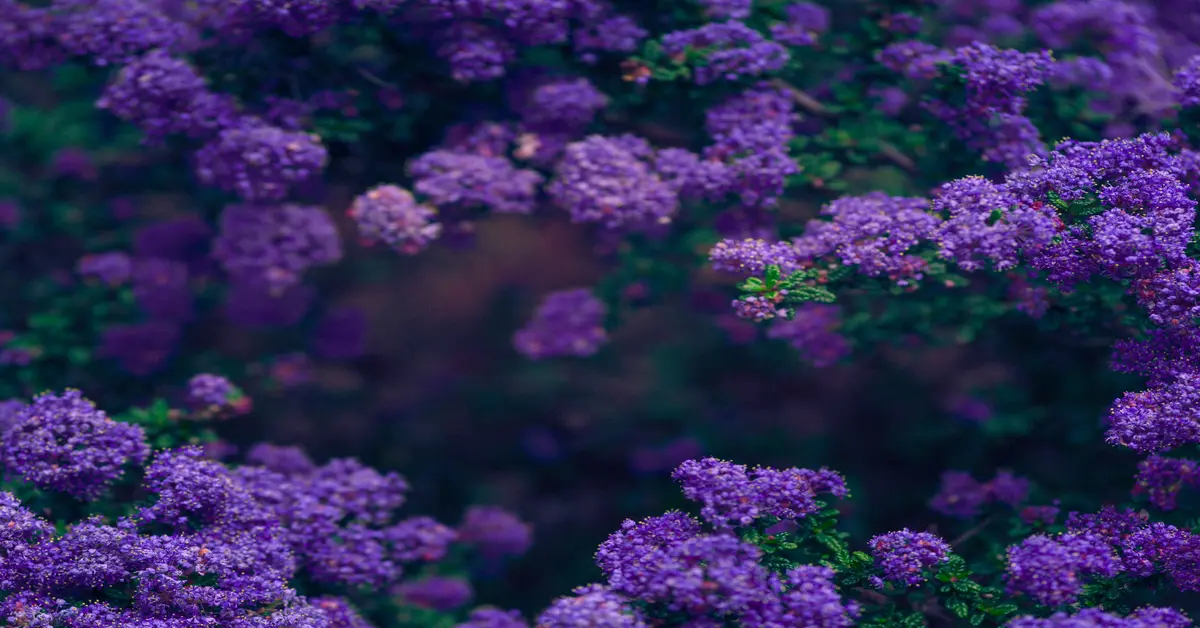
Purple is a color long associated with royalty, luxury, and tranquility. Incorporating purple into your garden through is a fantastic way to evoke these sentiments. These versatile plants can serve multiple purposes: as foundational plantings, vibrant accents, or even as natural privacy screens. Beyond their aesthetic appeal, many purple-flowered shrubs are relatively low-maintenance, making them ideal for both seasoned gardeners and beginners. Imagine a lush hedge bursting with amethyst blooms, or a solitary specimen acting as a dazzling centerpiece. The sheer variety in shape, size, and bloom time means there’s a purple shrub suited for almost every garden design and climate. From early spring to late autumn, you can enjoy a continuous display of violet beauty.
Popular Choices for a Shrub with Purple Flowers
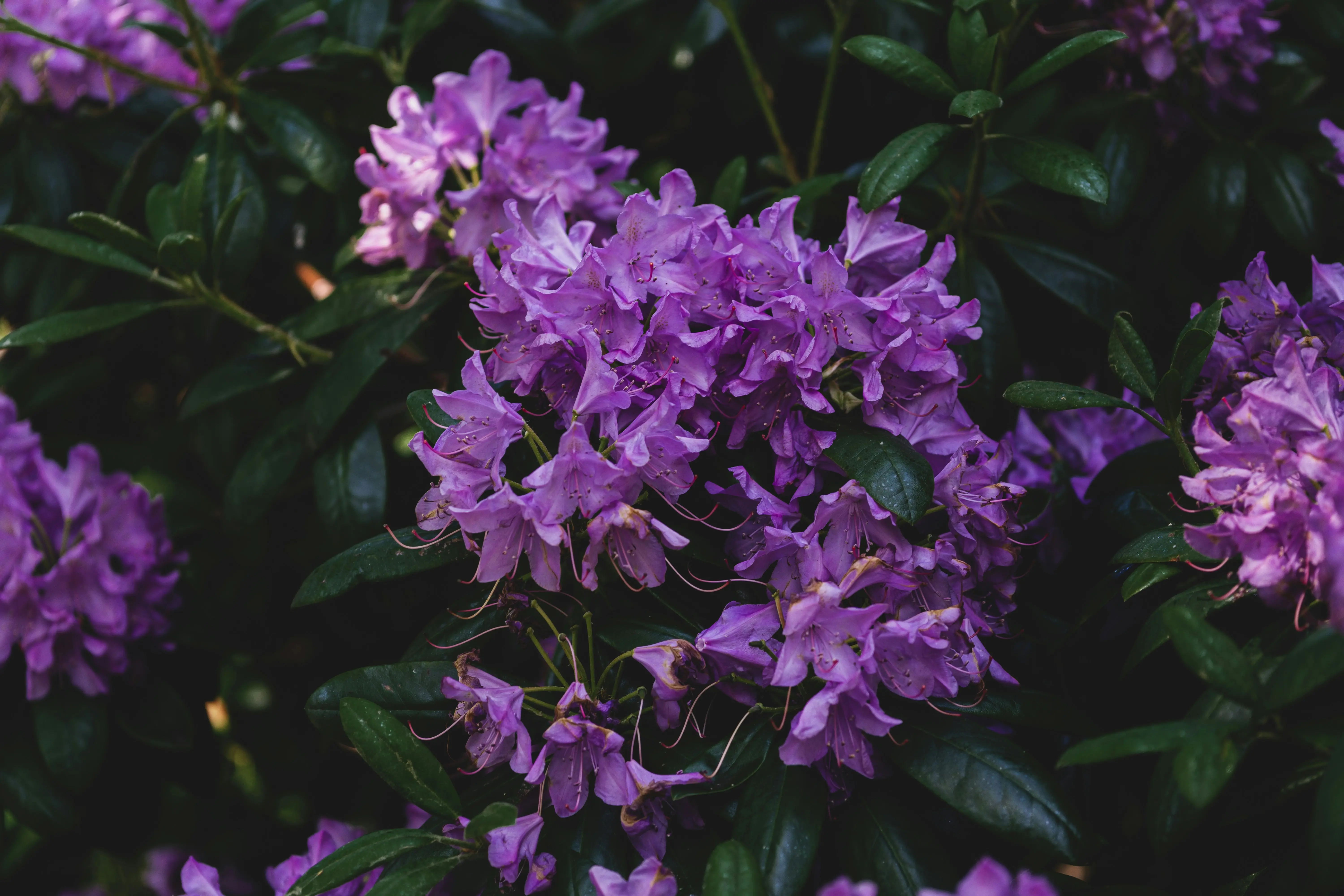
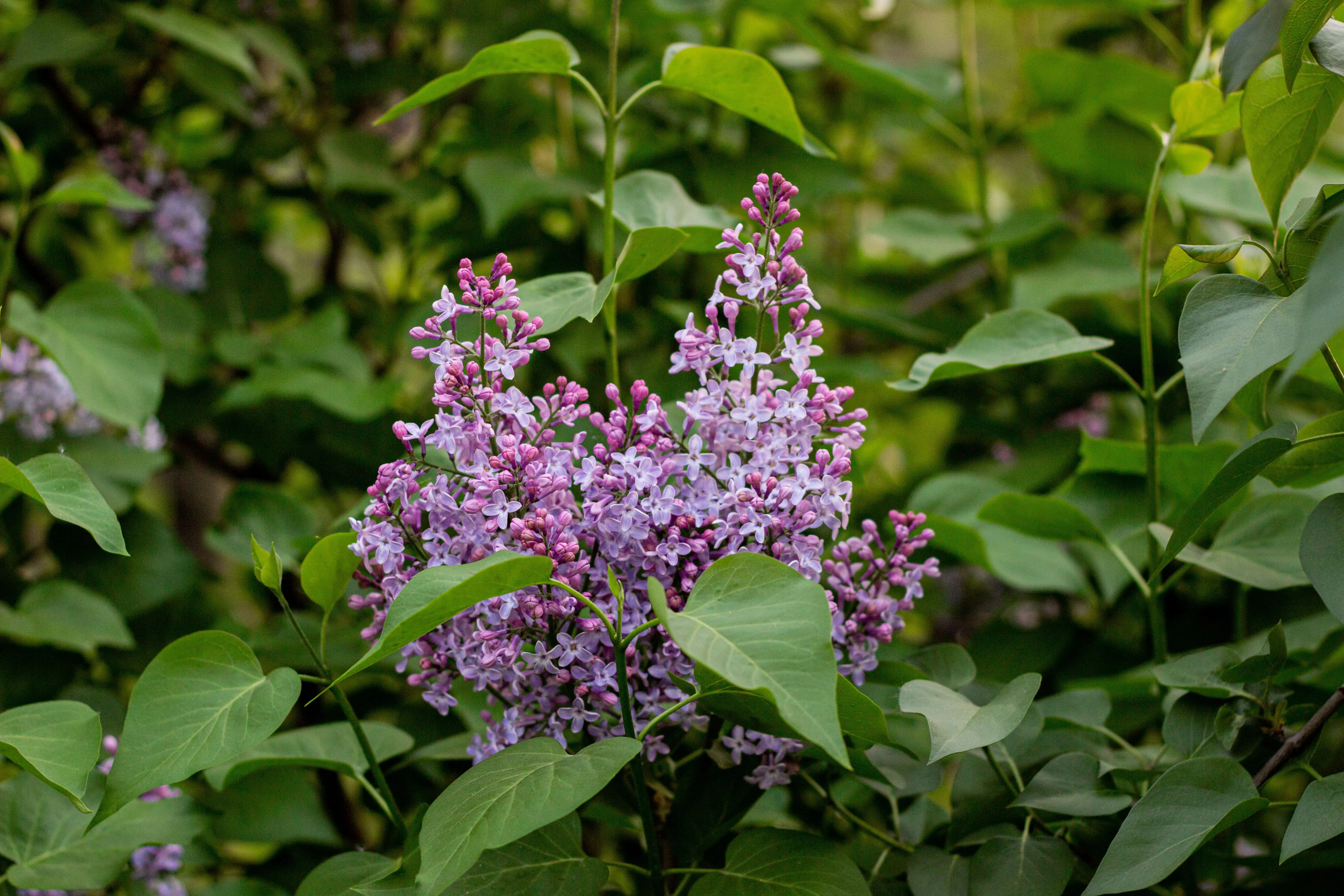
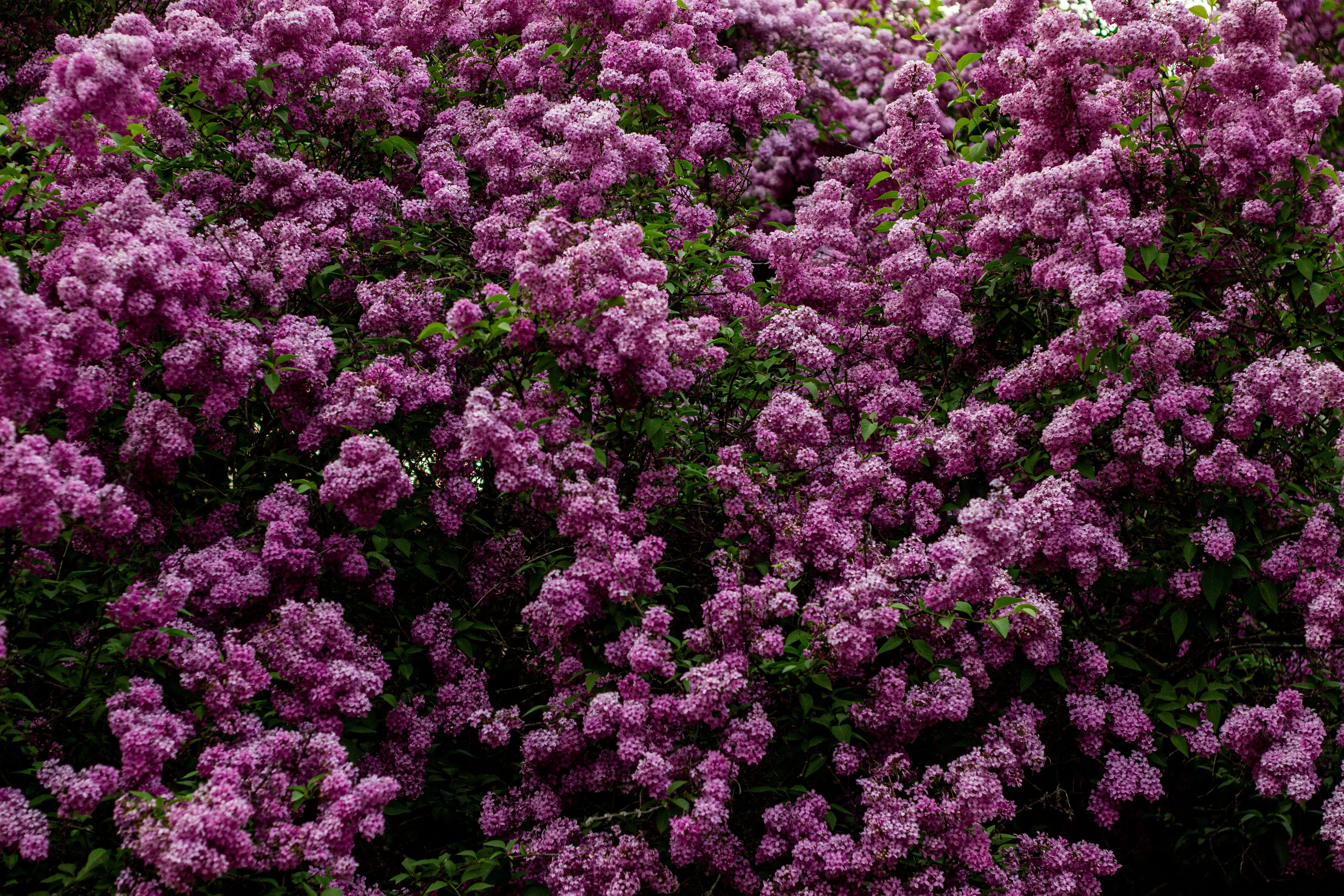
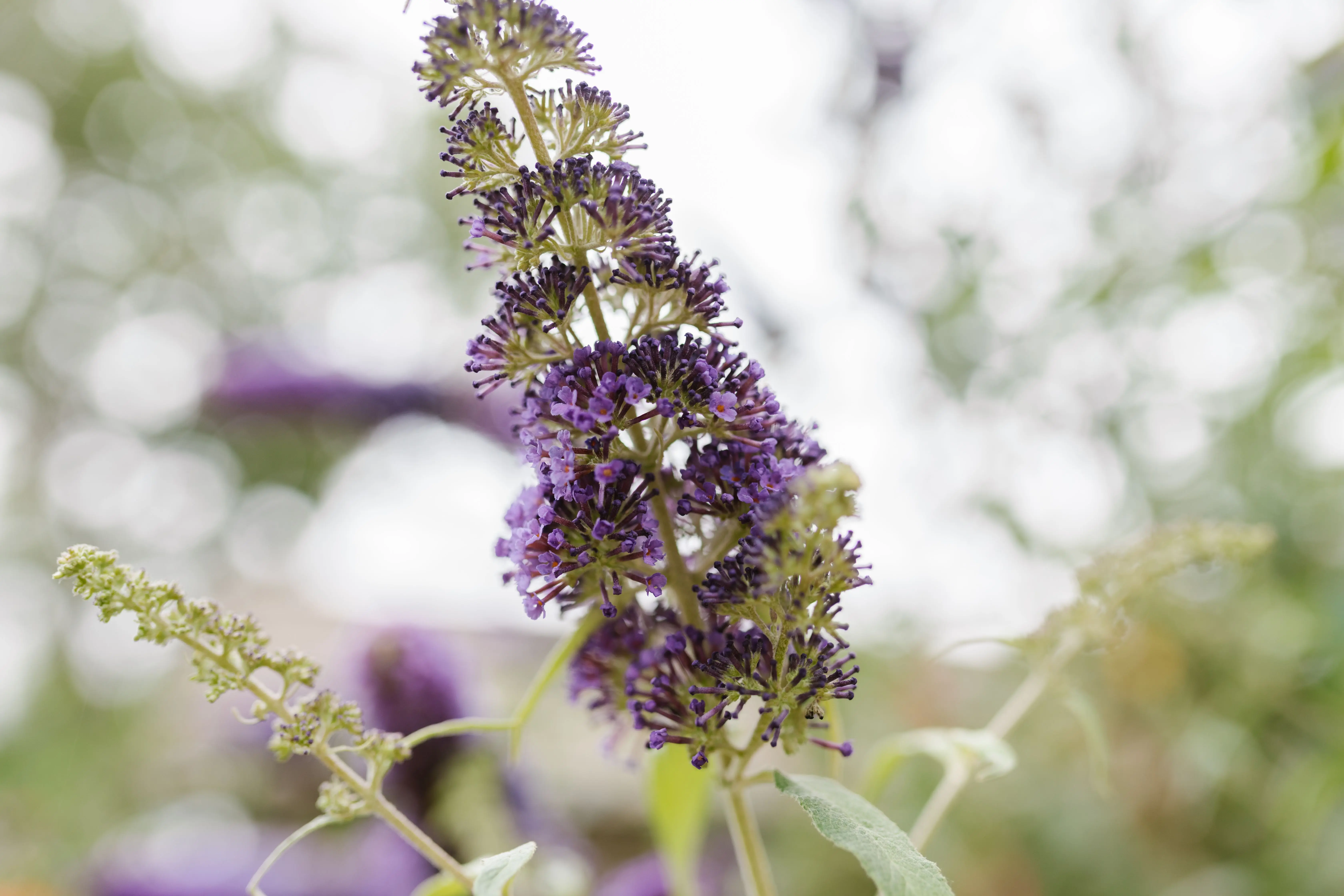
When considering a shrub with purple flowers, several varieties immediately come to mind due to their widespread popularity and stunning displays. Lavender (Lavandula) is perhaps the most iconic, beloved for its aromatic foliage and vibrant purple spikes. It thrives in sunny, well-draining conditions and is perfect for borders or rock gardens. Butterfly Bush (Buddleja davidii) offers abundant, cone-shaped purple blooms that are a magnet for pollinators, providing continuous color throughout the summer. Rhododendrons and Azaleas, particularly certain varieties, can showcase spectacular purple blossoms in spring, adding a touch of grandeur to shaded areas. Another excellent option is the Lilac (Syringa vulgaris), famous for its intoxicating fragrance and clusters of fragrant purple blooms in late spring. These choices provide a strong foundation for a purple-themed garden.
Creating Stunning Displays with Purple and Pink Flower Bush Varieties
Care Tips for Your Purple Flowering Shrubs
Ensuring your shrub with purple flowers thrives requires some basic care and attention. Most purple flowering shrubs prefer well-draining soil and adequate sunlight, though specific requirements vary by species. Regular watering, especially during dry spells and for newly planted specimens, is crucial. Pruning plays a significant role in maintaining shape, promoting bushier growth, and encouraging abundant blooms. For example, deadheading lavender helps extend its flowering period, while pruning butterfly bushes in late winter encourages vigorous new growth. Fertilization can also boost flowering, but it’s important not to over-fertilize, as this can lead to lush foliage at the expense of blooms. Always research the specific needs of your chosen shrub to provide the best possible care.
FAQ About Shrubs with Purple Flowers
What are the easiest shrubs with purple flowers to grow?
For beginners, varieties like Lavender, Butterfly Bush, and certain types of potentilla or weigela with purple blooms are generally considered low-maintenance and easy to grow, adapting to various conditions.
When do most purple flowering shrubs bloom?
Bloom times vary greatly. Lilacs typically bloom in late spring, while Butterfly Bushes flower throughout summer. Some varieties of Rhododendrons and Azaleas offer early spring color, and certain ornamental sages can bloom into late fall.
Can I grow purple shrubs in containers?
Many smaller or compact varieties of purple flowering shrubs, such as dwarf lavender or miniature roses, are well-suited for container gardening. Ensure the container has good drainage and is appropriately sized for the shrub’s mature growth.
Do purple flowers attract specific pollinators?
Yes, purple flowers are highly attractive to a wide range of pollinators, including bees, butterflies, moths, and hummingbirds. The vibrant color serves as a strong visual cue for these beneficial insects and birds.
How do I choose the right purple shrub for my climate?
Always check the USDA hardiness zone recommendations for any shrub you’re considering. This will tell you if the plant can withstand the winter temperatures in your region, ensuring its long-term survival and health.
Embrace the Beauty of a Shrub with Purple Flowers
Adding a shrub with purple flowers to your garden is an investment in long-lasting beauty and ecological health. From the aromatic allure of lavender to the dramatic cascades of a well-established butterfly bush, the options are as varied as they are stunning. These plants offer not just visual appeal but also contribute to a vibrant ecosystem, attracting essential pollinators and enhancing the overall ambiance of your outdoor space. By carefully selecting varieties that suit your climate and providing them with appropriate care, you can enjoy a season-long spectacle of majestic purple blooms. Start planning your purple paradise today and watch your garden transform into a breathtaking haven.