
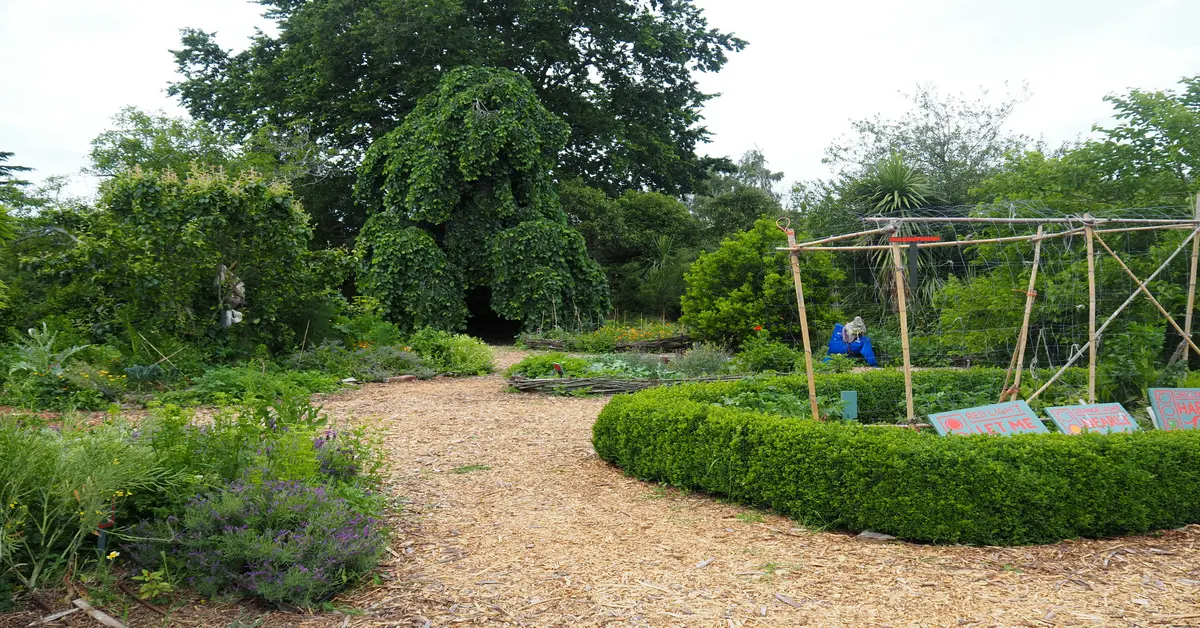
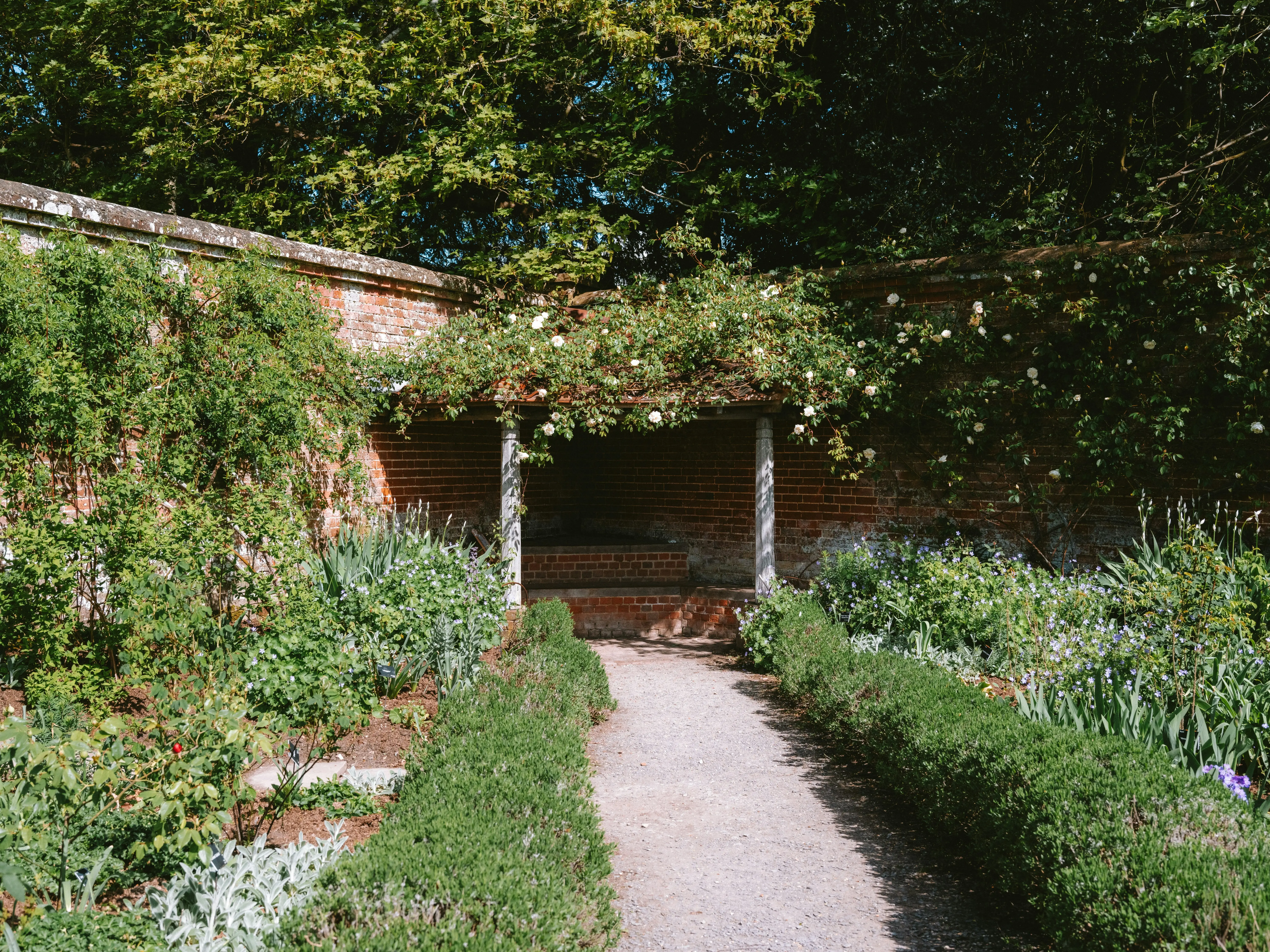
A raised bed trellis system is a game-changer for gardeners looking to maximize yields, optimize space, and add aesthetic appeal to their outdoor areas. Combining the benefits of raised garden beds-better drainage, improved soil quality, and easier access-with the vertical growth support of a trellis, you create an incredibly efficient growing environment. Whether you’re dealing with a small urban balcony or a sprawling backyard, incorporating a raised bed trellis can transform how you garden, allowing you to grow climbing plants like tomatoes, cucumbers, peas, and beans with remarkable success. This guide will explore the myriad advantages and practical considerations for setting up your own.
Why Invest in a Raised Bed Trellis System?
Integrating a raised bed trellis offers numerous advantages over traditional gardening methods. Firstly, it significantly increases your growing area by utilizing vertical space, meaning you can harvest more from a smaller footprint. This is invaluable for gardeners with limited space. Secondly, trellising promotes healthier plants. By lifting plants off the ground, you improve air circulation, which reduces the risk of fungal diseases and pests. It also allows for better sunlight exposure for all parts of the plant. Finally, harvesting becomes much easier as fruits and vegetables are off the ground and at a more comfortable height. No more bending over for those elusive cucumbers!
Choosing the Right Materials for Your Raised Beds with Trellis
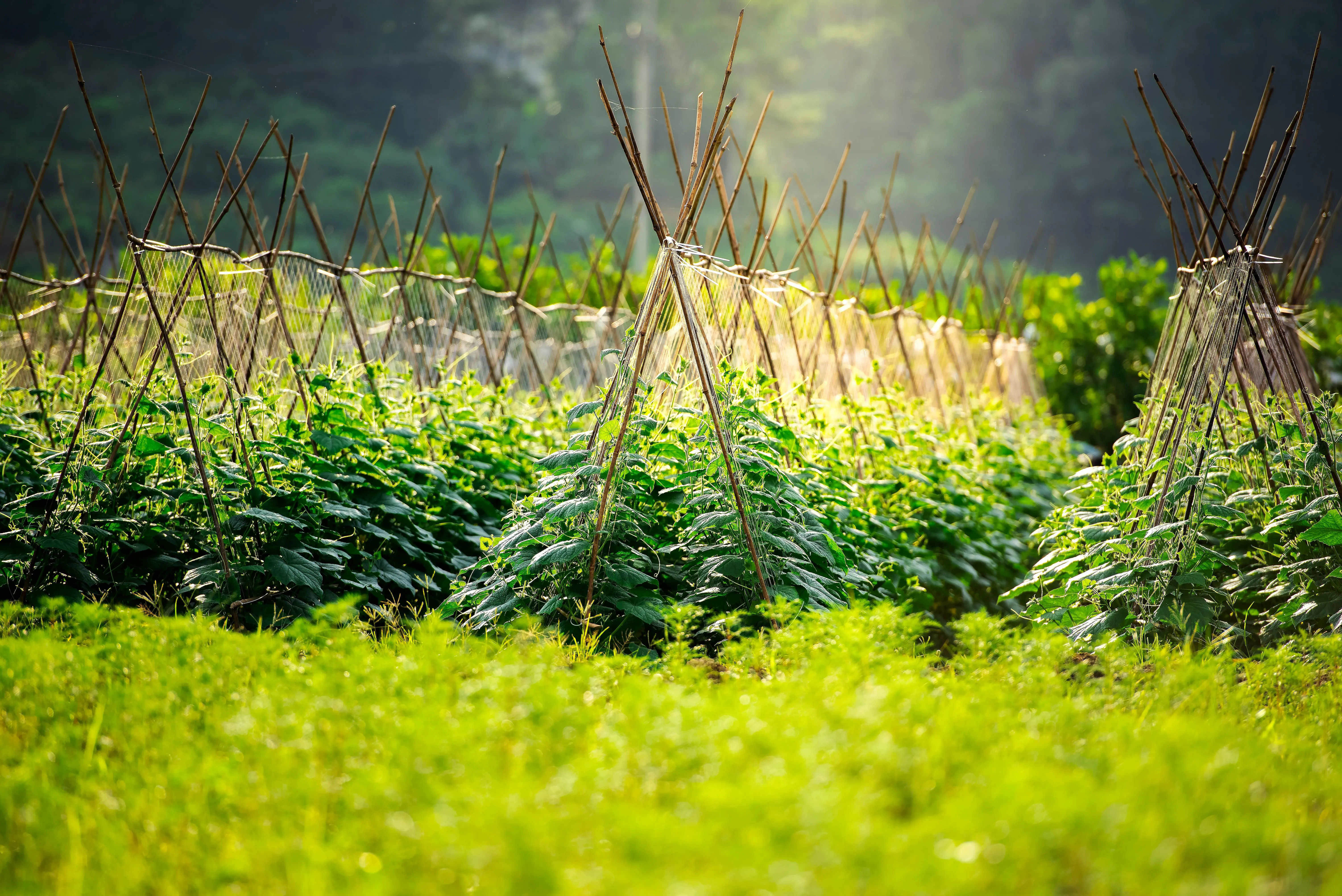
When constructing your raised beds with trellis, material choice is crucial for durability and aesthetics. For raised beds themselves, popular options include cedar, redwood, or juniper for their natural rot resistance. Untreated pine or fir can also be used, though they may require more frequent replacement or protective measures. Recycled lumber, galvanized metal, or even stone can be excellent, long-lasting choices. For the trellis part, consider materials like wood (cedar, redwood), metal (galvanized steel, rebar), or heavy-duty plastic netting. Ensure whatever materials you choose are safe for food production and can withstand the elements.
Designing and Building Your Raised Bed Trellis
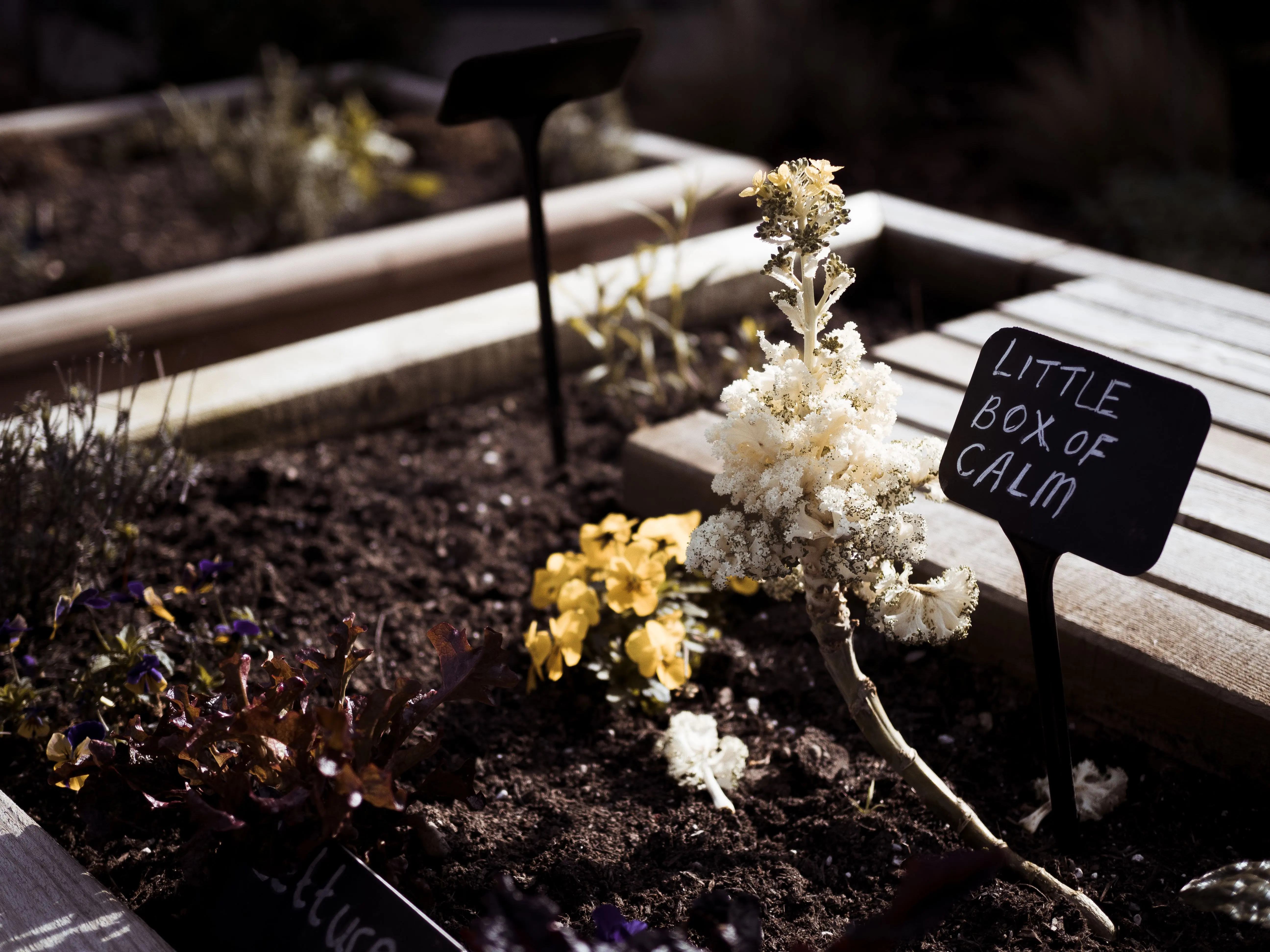
The design possibilities for a raised bed trellis are vast. For simpler setups, an A-frame or ladder trellis can be easily integrated directly into the raised bed structure. More elaborate designs might involve arch trellises connecting two beds, or sophisticated vertical panels. When building, remember to secure the trellis firmly to the raised bed or to stakes driven deep into the ground to withstand strong winds and the weight of mature, fruiting plants. Consider the mature size of the plants you intend to grow and design the trellis height and strength accordingly. Ample space between climbing supports will also aid in air circulation and ease of harvesting.
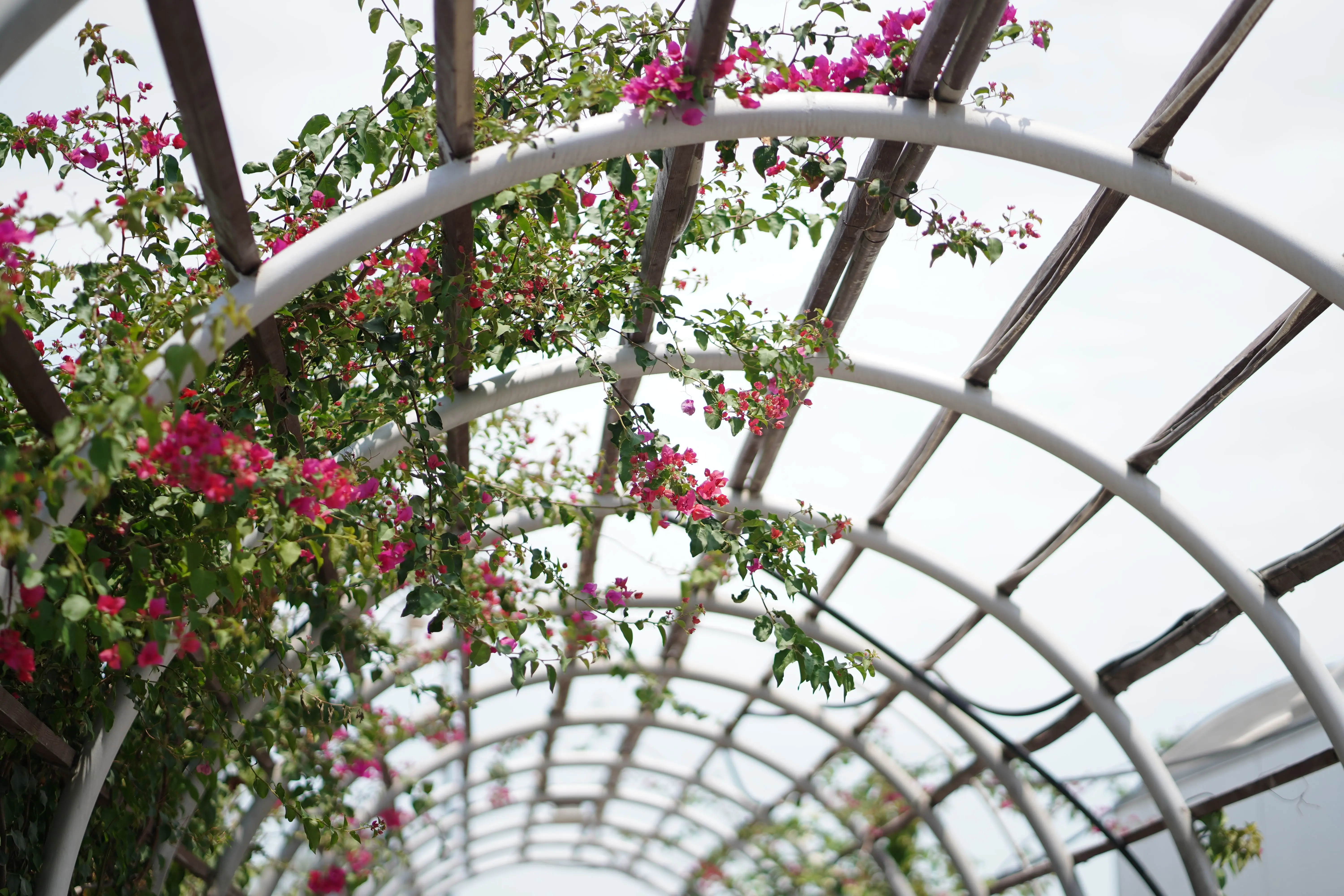
Vertical Gardening Benefits for All Plant Varieties
A raised bed trellis isn’t just for classic climbing plants. While tomatoes, cucumbers, peas, and pole beans thrive on vertical support, you can also train squash and smaller melons to climb, supporting their fruit with slings as they grow. Even vining flowers can benefit, adding a beautiful vertical element to your garden while attracting pollinators. This vertical approach not only boosts productivity but also adds a dynamic, multi-dimensional look to your garden. Experiment with different plant combinations to discover the full potential of your trellised raised beds.
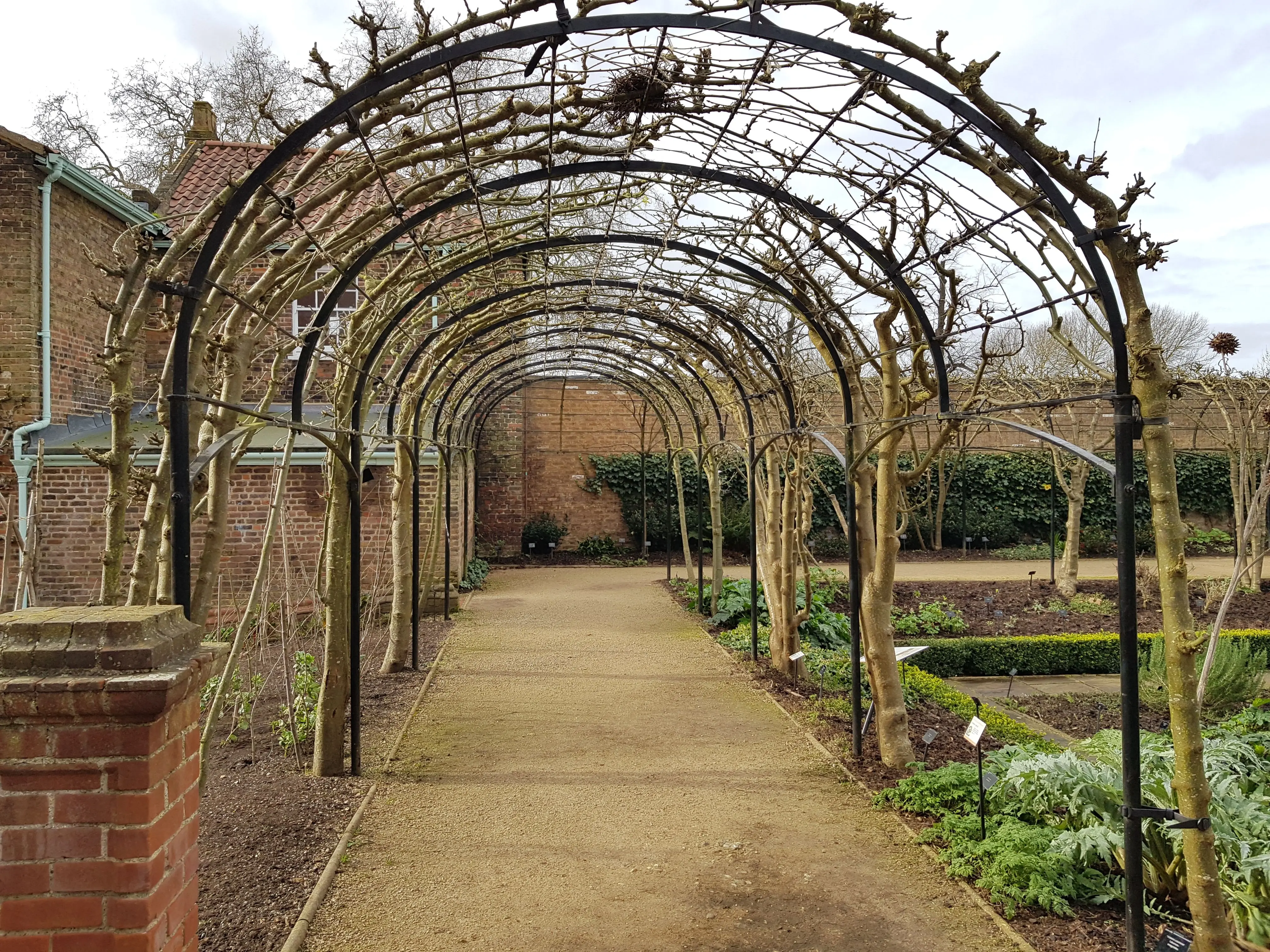
Maintenance Tips for a Thriving Raised Bed Trellis Garden
Maintaining a successful raised bed trellis system involves a few key practices. Regular watering is essential, especially for plants grown vertically, as they can dry out faster. Fertilize appropriately based on your plant’s needs to support vigorous growth and fruit production. Pruning and training your climbing plants to grow along the trellis will ensure optimal light exposure and airflow. Inspect your trellis regularly for any signs of wear or damage, especially before the growing season begins, and make any necessary repairs to prevent collapses once plants are heavy with fruit. Proper maintenance ensures a bountiful and healthy harvest.
FAQ on Raised Bed Trellis Systems
What is the best material for a raised bed trellis?
The best materials are rot-resistant woods like cedar or redwood, or durable metals like galvanized steel. Heavy-duty plastic netting can also be effective for lighter plants.
How tall should my raised bed trellis be?
The ideal height depends on the plants you’re growing. For tomatoes or cucumbers, 5-7 feet is common, while pole beans might benefit from 8-foot supports.
Can I grow all climbing plants on a raised bed trellis?
Most climbing plants thrive, including tomatoes, cucumbers, peas, beans, and even smaller squash varieties. Larger, heavier fruits might require extra support slings.
How do I secure a raised bed trellis?
Secure the trellis directly to the raised bed frame or use sturdy stakes driven deep into the ground outside the bed for added stability against wind and plant weight.
What are the main benefits of raised beds with trellis?
They maximize space, improve air circulation to reduce disease, make harvesting easier, and offer better drainage and soil control.
Revolutionize Your Garden with a Raised Bed Trellis
Adopting a raised bed trellis system is an incredibly effective way to enhance your gardening efforts. It’s a smart investment that delivers bigger yields, healthier plants, and a more organized, beautiful garden space. By understanding the benefits, choosing the right materials, and implementing good design principles, you can create a highly productive and visually appealing garden. Don’t let limited space or traditional gardening woes hold you back any longer. Discover the transformative power of a raised bed trellis and enjoy a bumper crop this season!