
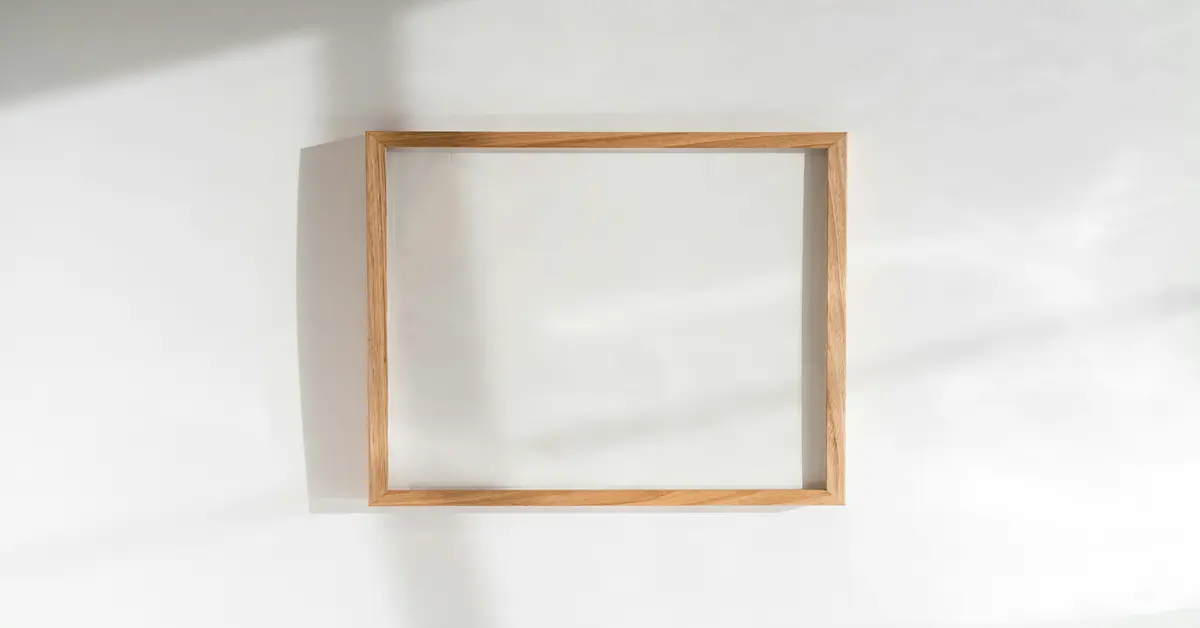

When it comes to crafting beautiful, lasting pieces, frame wood is an indispensable material. Its versatility, natural beauty, and structural integrity make it a favorite among DIY enthusiasts and professional artisans alike. From elegant picture frames that preserve cherished memories to robust furniture components, understanding the nuances of frame wood is crucial for any successful woodworking project. This comprehensive guide will delve into what makes frame wood so special, explore various types, and provide actionable tips to ensure your next creation is a masterpiece. Get ready to unlock the full potential of this wonderful resource.
Understanding Different Types of Frame Wood
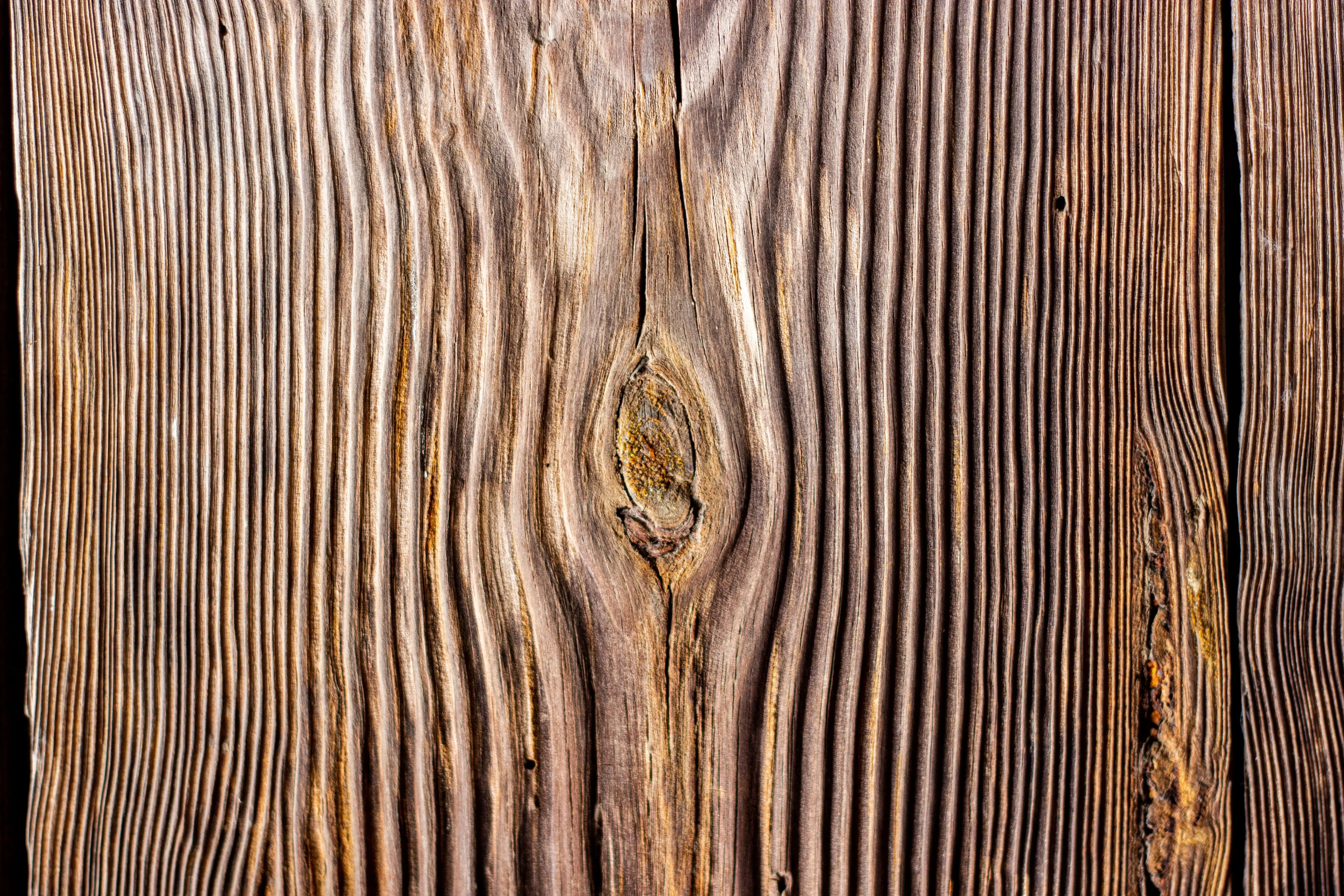
Choosing the right type of frame wood is paramount for your project’s success. Each wood possesses unique characteristics that influence its strength, appearance, and workability. Hardwoods like oak, maple, and walnut are renowned for their durability and rich grain patterns, making them ideal for high-end furniture or decorative frames that require significant longevity. They are denser and generally more resistant to dents and scratches. Softer woods such as pine, spruce, and fir are more economical and easier to work with, perfect for projects where budget or ease of handling is a priority. These are often used for framing interior structures or making simple, functional picture frames. Consider both the aesthetic and structural requirements of your project before making your selection. The right choice will enhance both the beauty and durability of your finished product.
Selecting the Best Wood for Your Project
When you’re trying to figure out how to build a picture frame, the wood selection is crucial. For a robust and classic look, consider hardwoods like cherry or mahogany. If you’re after a rustic or farmhouse style, reclaimed pine or cedar can add significant character. Don’t forget to think about the wood’s natural color and how it complements the item being framed or the room‘s decor. Some woods take stain exceptionally well, allowing for further customization, while others are best left in their natural state with a clear finish.
Essential Tools for Working with Frame Wood
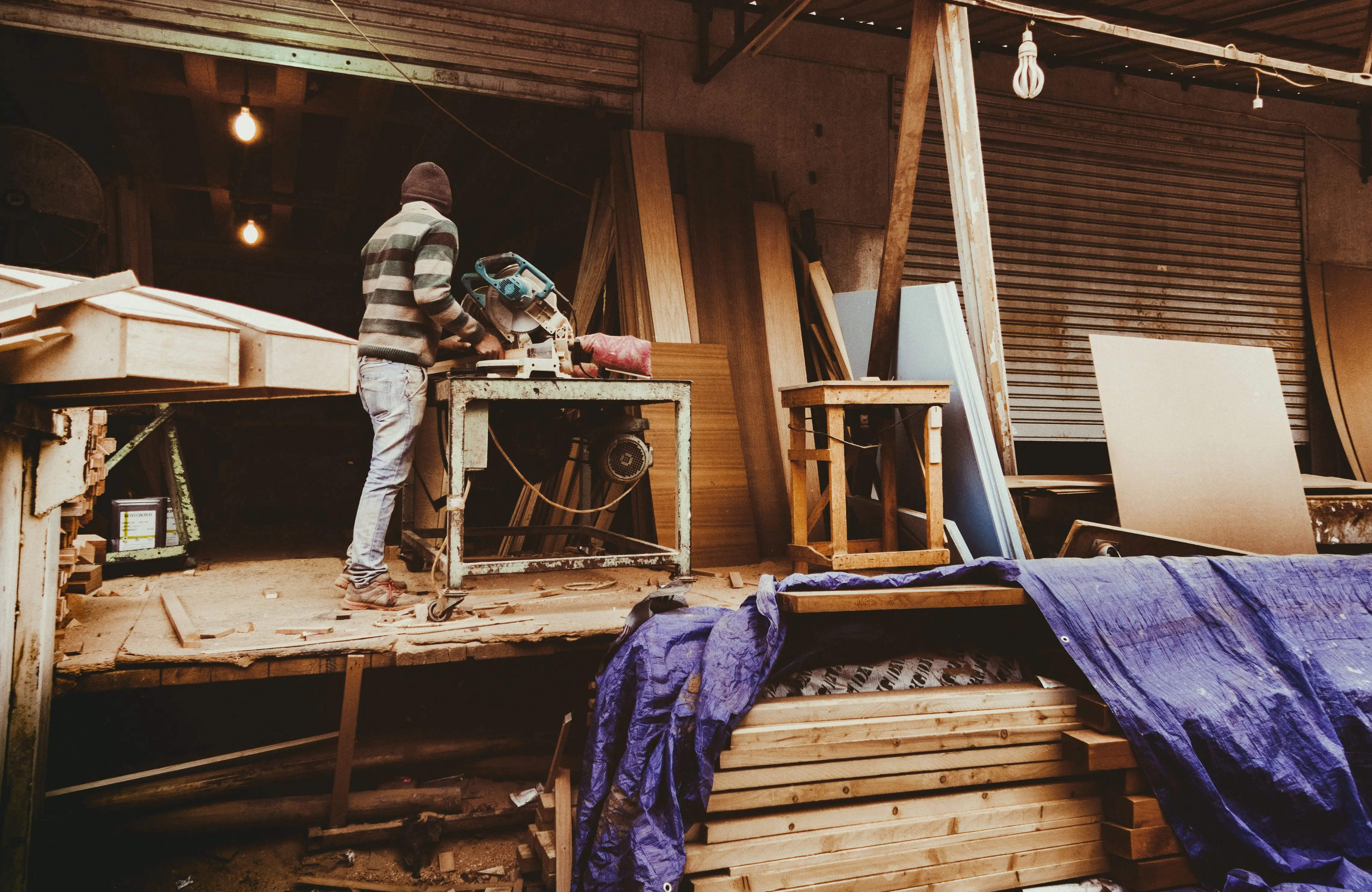
Having the right tools is just as important as selecting the right frame wood. For precision cuts, a miter saw is invaluable, ensuring clean angles for perfect frame joints. A table saw can handle larger boards and rip cuts with ease. Jigsaws and band saws offer more intricate cutting capabilities for curved designs. Beyond cutting, you’ll need clamps to hold your pieces securely during assembly and gluing. Sanding equipment, from orbital sanders to simple sanding blocks, is vital for achieving a smooth finish. Don’t forget safety gear: eye protection, hearing protection, and dust masks are non-negotiable when working with power tools and wood dust. Investing in quality tools will not only make your projects easier but also significantly improve the quality of your finished items.
Mastering Joinery Techniques for Frame Wood
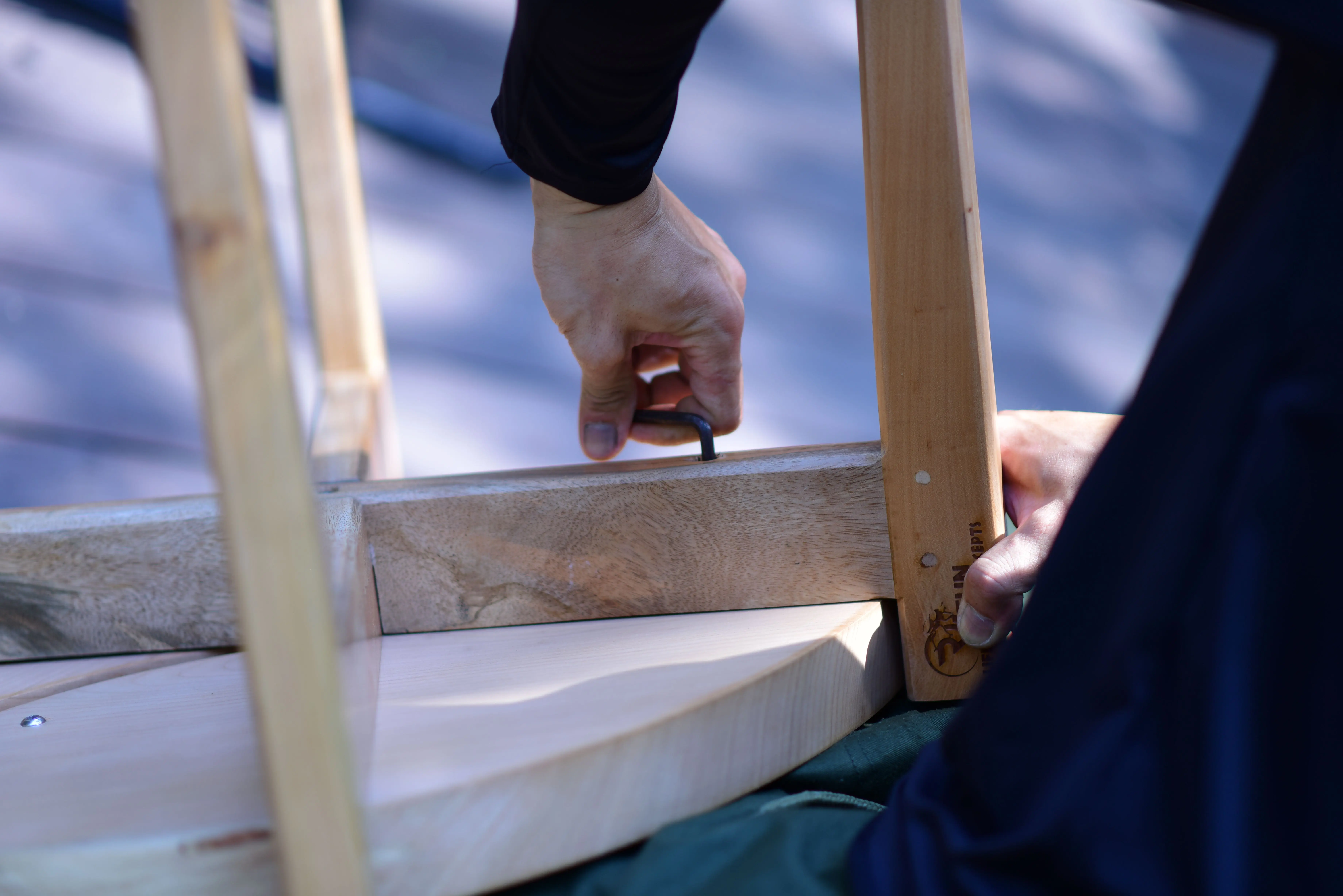
The strength and appearance of your frame wood project heavily depend on the joinery techniques you employ. For simple picture frames, miter joints are a classic choice, offering a clean, seamless look, especially when combined with splines for added strength. Dovetail joints are a beautiful and exceptionally strong option often seen in drawers and fine furniture. Mortise and tenon joints provide robust connections, suitable for chairs, tables, and other structural components. Biscuit joints and pocket holes offer simpler, quicker alternatives for assembly, especially for beginners. Practice makes perfect with joinery; start with simpler methods and gradually work your way up to more complex techniques. Proper joinery ensures your frame wood creations will stand the test of time.
Finishing Your Frame Wood Project for Longevity
Once your frame wood project is assembled, the finishing touches are what truly bring it to life and protect it for years to come. Start with thorough sanding, progressively moving from coarser to finer grits until the surface is perfectly smooth. This prepares the wood for optimal stain or paint absorption. Stains allow the natural grain of the wood to show through, enhancing its inherent beauty. Paints offer a solid color, perfect for modern or bold designs. For protection, apply a sealant such as polyurethane, lacquer, or shellac. These finishes shield the wood from moisture, scratches, and UV damage. Consider the environment your piece will inhabit; outdoor frame wood will require more robust, weather-resistant finishes. A well-applied finish elevates the aesthetic and dramatically extends the lifespan of your woodworking efforts.
FAQ: All About Frame Wood
What is the best frame wood for outdoor projects?
For outdoor projects, cedar, redwood, and treated pine are excellent choices due to their natural resistance to rot and insects. Teak is also a premium option for its durability and weather resistance.
How do I choose the right size of wood for a picture frame?
When building a picture frame on wood, first measure the item you want to frame. Then, choose wood with a thickness and width that provide adequate support and aesthetic balance to the framed object.
Can I mix different types of frame wood in one project?
Yes, you can mix different frame woods for unique visual effects, but ensure their structural properties are compatible. Consider contrasting colors and grains for a striking design.
What’s the easiest way to cut frame wood accurately?
Using a miter saw with a sharp blade is generally the easiest and most accurate way to cut frame wood, especially for precise angles required in picture frames.
How do I prevent wood from warping after I’ve cut it?
Properly store frame wood in a climate-controlled environment, stack it flat, and allow it to acclimatize to your workshop’s conditions before cutting. Applying a finish quickly after assembly can also help seal and stabilize the wood.
Conclusion: Embracing the Potential of Frame Wood
The journey through the world of frame wood reveals a material rich in potential, beauty, and practicality. From selecting the perfect timber to mastering intricate joinery and applying a flawless finish, each step in working with frame wood is an opportunity for creativity and skill development. Whether you’re constructing a simple picture frame on wood or embarking on a more ambitious furniture piece, the principles remain the same: choose wisely, work meticulously, and finish thoughtfully. By applying the tips and insights shared here, you are well-equipped to transform raw wood into stunning, enduring creations. Embrace the natural elegance of frame wood and let your woodworking projects shine. Discover the endless possibilities that await your next project!