When your dryer does not heat, it can throw a wrench into your laundry routine. Instead of warm, fluffy clothes, you’re left with damp, cold items that need further attention. This common household appliance issue affects countless homes, causing frustration and delays. Understanding why your dryer might stop heating is the first step toward getting your laundry back on track. From simple oversight to more complex component failures, several factors can prevent your dryer from reaching its optimal temperature. Don’t despair; many of these problems have straightforward solutions that you can address with a little troubleshooting. This guide will walk you through the most common reasons your dryer isn’t producing heat and provide actionable steps to diagnose and potentially fix the problem yourself, saving you time and money.
Common Reasons Your Dryer Does Not Heat
Several issues can lead to your dryer not heating. One of the most frequent culprits is a clogged lint filter or vent. Restricted airflow causes the dryer to overheat and trip a thermal fuse, which then cuts off the heating element as a safety precaution. Another common problem is a faulty thermal fuse itself, which is designed to blow if the dryer gets too hot, protecting the appliance from damage. If this fuse blows, the dryer will typically still tumble but won’t produce heat. Additionally, a defective heating element is a direct cause of a cold dryer. This element is responsible for generating the heat, and if it’s broken or burned out, no amount of tumbling will warm your clothes. Less common but still possible issues include a malfunctioning thermostat, which regulates the dryer’s temperature, or a problem with the igniter in gas dryers.
The Importance of a Clean Lint Trap and Vent
A surprising number of dryer heating issues stem from inadequate airflow. Your dryer relies on a clear path for hot, moist air to be expelled. When the lint trap is full, or the dryer vent duct is clogged with lint, the air gets trapped. This not only prevents clothes from drying efficiently but also poses a significant fire hazard. The restricted airflow causes the heating element to work harder, leading to overheating and eventually triggering safety mechanisms like the thermal fuse. Regularly cleaning your lint trap after every load and inspecting your vent duct for blockages at least once a year are crucial preventative measures that can save you from a cold dryer and potential hazards.
Troubleshooting Electrical & Gas Supply Issues
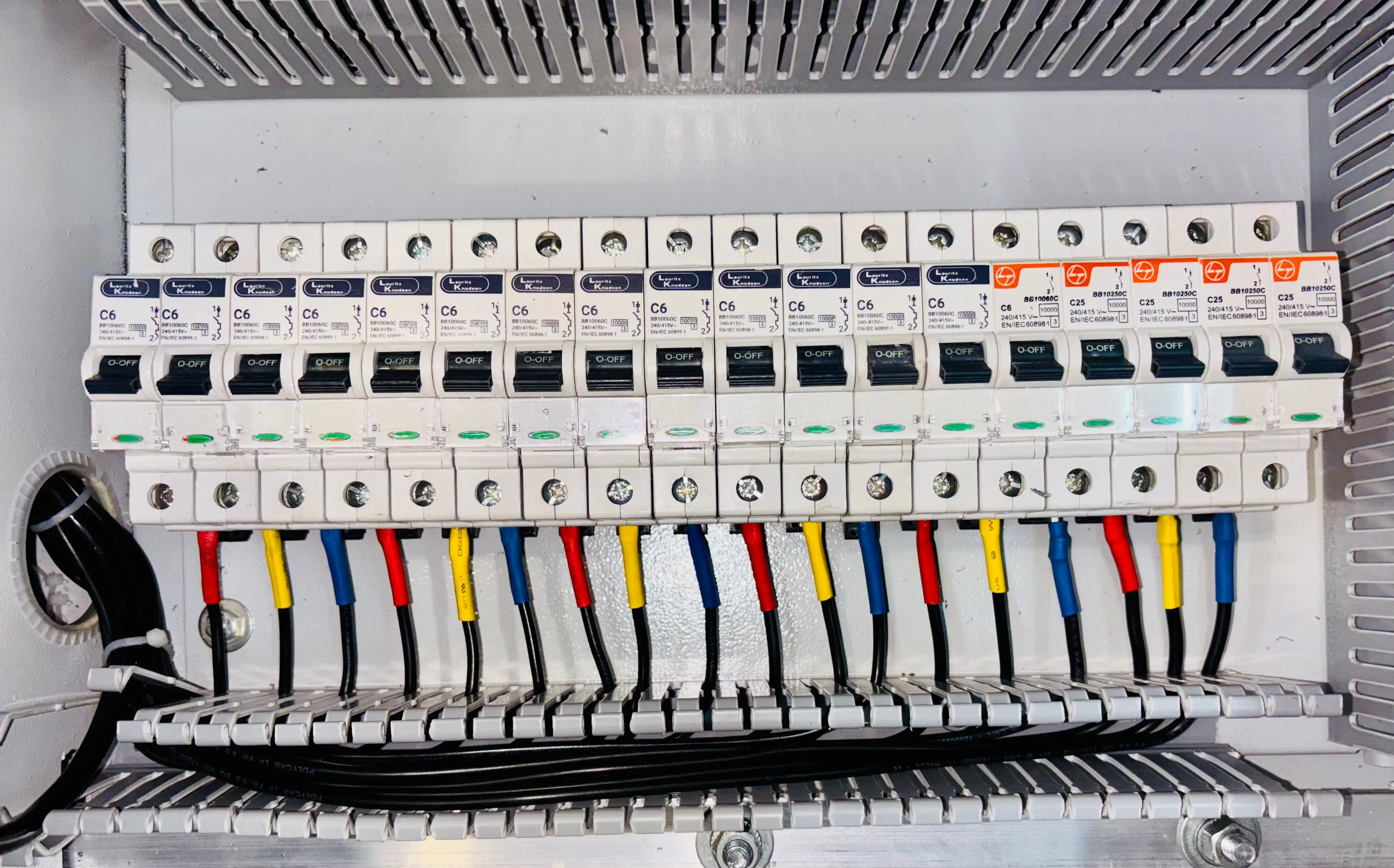
Before diving into internal components, always check your power supply. For electric dryers, ensure the circuit breaker hasn’t tripped. Electric dryers often use two circuit breakers; if only one trips, the dryer might tumble but won’t heat. For gas dryers, verify that the gas supply valve is fully open and that there are no issues with your home’s gas line. A faulty gas igniter or gas valve can prevent the burners from lighting, resulting in a dryer that tumbles but never gets warm. If you suspect an electrical or gas supply problem, it’s often best to consult a qualified electrician or technician for safety reasons.
Diagnosing a Faulty Thermal Fuse or Heating Element
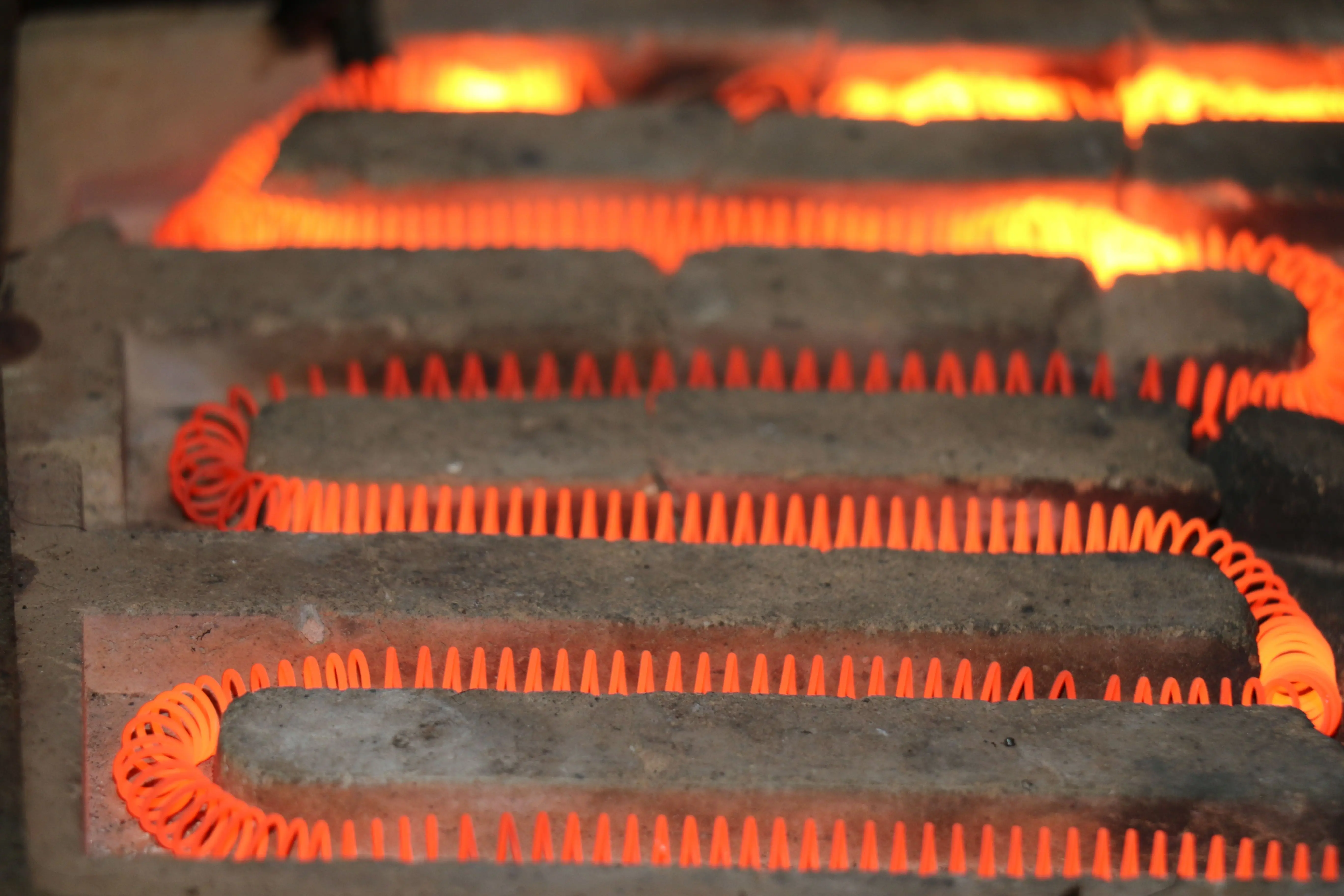
The thermal fuse is a safety device designed to blow and cut power to the heating element if the dryer overheats. If your dryer does not heat but still tumbles, a blown thermal fuse is a prime suspect. This component is usually located on the exhaust duct. A multimeter can be used to test for continuity; if there’s no continuity, the fuse is blown and needs replacement. Similarly, the heating element can burn out over time. It’s typically a coil of wire that glows red when working. If you visually inspect it and it appears broken or doesn’t show continuity with a multimeter, it will need to be replaced. Always unplug the dryer before attempting any internal diagnostics or repairs.
When to Call a Professional: Expert Help for Your Dryer
While many common dryer heating issues can be addressed with basic troubleshooting, there are times when professional help is essential. If you’ve checked the lint trap, vent, power supply, and thermal fuse, and your dryer does not heat, it might be time to call a qualified appliance technician. Issues like a malfunctioning control board, a severely damaged heating element that you’re uncomfortable replacing, or complex electrical or gas line problems are best left to experts. Professionals have the specialized tools, knowledge, and experience to safely diagnose and repair intricate components, ensuring your dryer operates efficiently and safely without risking further damage or personal injury.
FAQ: Solving Your Dryer Heating Problems
Why is my dryer tumbling but not heating?
This is often due to a blown thermal fuse, a faulty heating element, or a problem with the gas igniter in gas dryers. Check your circuit breakers too.
Can a clogged lint trap really stop my dryer from heating?
Yes, absolutely. A clogged lint trap restricts airflow, causing the dryer to overheat and trip safety devices like the thermal fuse, which then cuts off heat.
How do I test my dryer’s thermal fuse?
You can test a thermal fuse for continuity using a multimeter. If there’s no continuity, the fuse is blown and needs replacement.
Is it safe to replace a heating element myself?
While possible for experienced DIYers, it involves working with electrical components. Always unplug the dryer and follow safety precautions. If unsure, call a professional.
How often should I clean my dryer vent?
It’s recommended to clean your dryer vent at least once a year, or more frequently if you notice longer drying times or excessive lint buildup.
Experiencing a dryer does not heat issue can be a real inconvenience, but as you’ve learned, many of these problems are quite common and often resolvable. By systematically checking your lint trap, ensuring proper ventilation, verifying power supply, and understanding the role of components like the thermal fuse and heating element, you can often diagnose and even fix the problem yourself. Remember, safety first: always unplug your electric dryer or shut off the gas to a gas dryer before attempting any internal inspections or repairs. If the problem persists or you’re uncomfortable performing a repair, don’t hesitate to call a certified appliance technician. Getting your dryer back to optimal heating performance means less stress and more perfectly dried laundry. Invest a little time in these checks and enjoy the warmth of a functioning dryer once again!