
Welcome to the enchanting world of the asparagus fern/foxtail fern! These captivating plants, despite their name, are not true ferns but members of the lily family, Asparagaceae. Known for their whimsical, plume-like foliage, foxtail ferns (Asparagus densiflorus ‘Myersii’) bring an ethereal beauty to any indoor or outdoor space. Their dense, needle-like leaves arranged in a spiral pattern create a bushy, fox-tail appearance that is both unique and visually striking. Whether you’re a seasoned plant enthusiast or a budding gardener, understanding the nuances of foxtail fern care is key to cultivating these magnificent specimens. This comprehensive guide will delve deep into everything you need to know, from optimal lighting conditions to propagation techniques, ensuring your foxtail fern thrives and becomes a focal point in your plant collection.
Originating from southern Africa, foxtail ferns are remarkably resilient and adaptable, making them an excellent choice for various climates and growing environments. However, their true potential is unlocked when their specific needs are met with precision and care. Their lush, vibrant green foliage can transform a drab corner into a verdant oasis, and their architectural form adds a touch of sophistication. While they are often mistakenly identified as true ferns due to their delicate, fern-like appearance, their distinct growth habit and care requirements set them apart. Prepare to embark on a journey of discovery as we unravel the secrets to successful foxtail fern cultivation, equipping you with the knowledge to maintain their health and vibrancy for years to come. By the end of this guide, you’ll be an expert in nurturing these extraordinary plants.
Understanding the Asparagus Fern/Foxtail Fern and Its Varieties
The term asparagus fern/foxtail fern primarily refers to Asparagus densiflorus ‘Myersii’, renowned for its distinct, upright plumes that resemble a fox’s tail. However, it’s crucial to acknowledge that ‘asparagus fern’ is a broader category encompassing several species within the Asparagus genus, each with its own unique characteristics. For instance, the ‘Sprengeri’ asparagus fern (Asparagus densiflorus ‘Sprengeri’) features more feathery, arching fronds, creating a cascading effect. The ‘Plumosa’ or ‘Fern Asparagus’ (Asparagus setaceus) boasts delicate, lace-like foliage, often used in floral arrangements. While all these varieties share a general resilience and preference for similar growing conditions, understanding their subtle differences can help you choose the perfect plant for your aesthetic and environmental needs.
Foxtail ferns, in particular, stand out due to their compact, upright growth habit, making them ideal for container planting, borders, or as standalone specimens. Their succulent-like tubers store water, contributing to their drought tolerance and making them relatively forgiving if you occasionally forget to water. This adaptation is a testament to their desert origins. When selecting your asparagus fern/foxtail fern, consider the mature size and spread of the specific variety you choose, as their growth rates and ultimate dimensions can vary. For instance, ‘Myersii’ tends to be more constrained and upright, while ‘Sprengeri’ can spread quite vigorously. Always check the plant tag or consult with nursery staff to ensure you are selecting the variety that best suits your vision for your garden or indoor space. Knowing your specific plant’s lineage will inform many of your subsequent care decisions.
Distinguishing Features
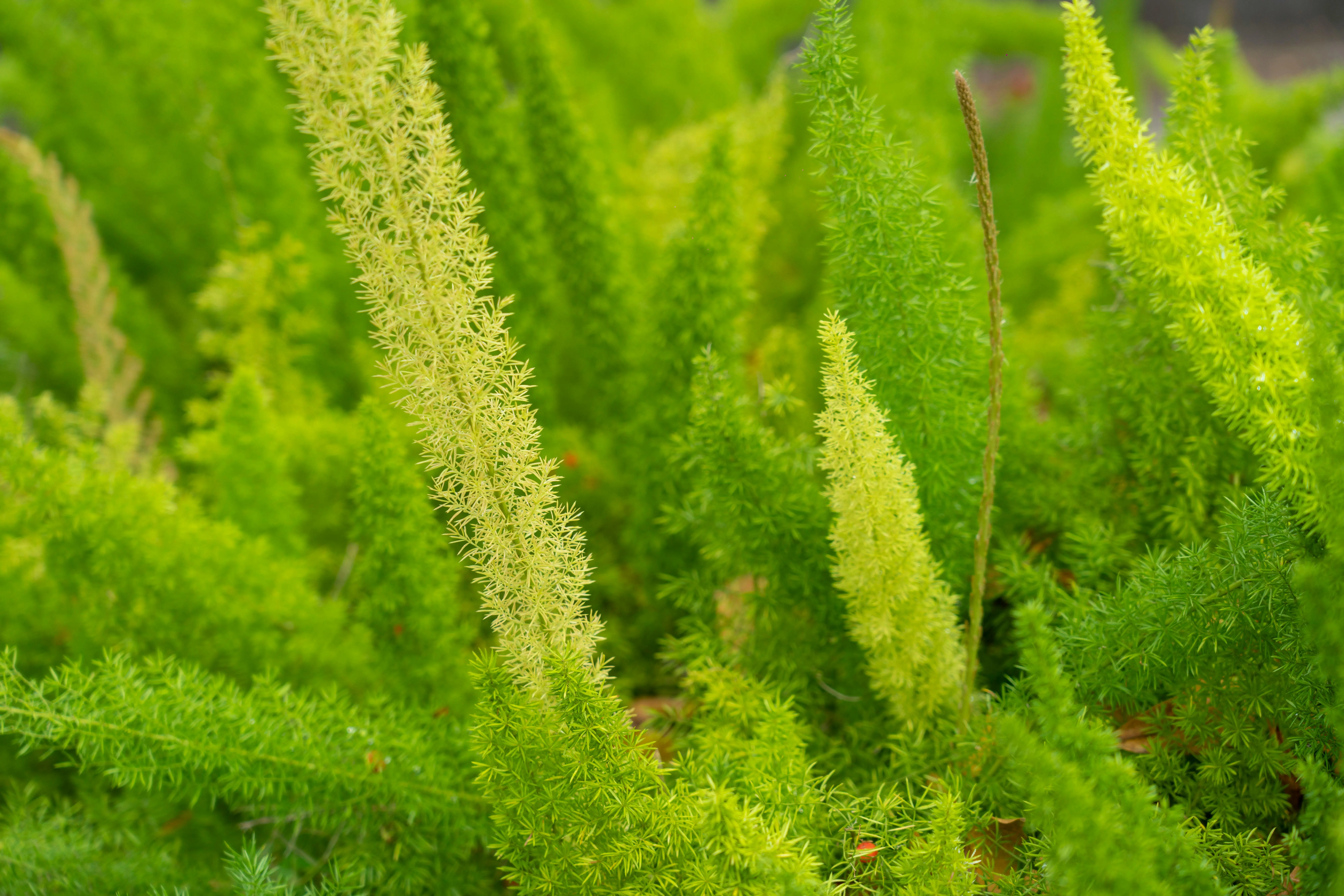

Foxtail ferns are characterized by their erect, stiff stems covered in densely packed, short, needle-like leaves, which are actually cladophylls (modified stems). These cladophylls are arranged in whorls, giving the plant its distinctive bottle-brush or foxtail appearance. Unlike true ferns, which reproduce via spores, asparagus ferns produce small, inconspicuous white flowers followed by red berries, which contain seeds. These berries are attractive but toxic if ingested, so it’s important to keep them away from pets and small children. The overall texture is soft and feathery to the touch, despite the plant’s robust appearance. Their evergreen nature ensures year-round interest, making them a consistent source of green in your landscape.
Essential Foxtail Fern Care: Lighting and Placement
Proper foxtail fern care begins with understanding their light requirements. These plants thrive in bright, indirect light. In their native habitats, they often grow under the partial shade of larger plants, receiving filtered sunlight. Replicating this environment is crucial for optimal growth and vibrant foliage. Direct, harsh sunlight, especially during the hottest parts of the day, can scorch their delicate cladophylls, leading to yellowing or browning tips and overall stress. An east-facing window that receives gentle morning sun is often ideal for indoor plants. If placing them outdoors, a spot that gets morning sun and afternoon shade, or dappled light throughout the day, would be perfect.
Conversely, too little light can also negatively impact your foxtail fern. In low-light conditions, the plant may become leggy, producing sparse, elongated stems with fewer cladophylls, losing its characteristic dense ‘foxtail’ appearance. The vibrant green color may also fade, becoming dull and lackluster. Therefore, finding the right balance is key. If you notice your indoor plant stretching towards a light source, it’s a clear indication that it needs more light. Consider rotating your plant regularly to ensure even growth and exposure to light on all sides. When grown outdoors, ensure they are not overshadowed by dense tree canopies or buildings that block too much light. Observing your plant’s response to its current lighting is the best way to determine if adjustments are needed.
Optimal Outdoor Placement
When grown outdoors, foxtail ferns are versatile and can be used in various settings. They make excellent border plants, groundcovers in shady areas, or additions to mixed containers. In warmer climates (USDA Zones 9-11), they can be perennial, providing year-round beauty. In cooler zones, they are often grown as annuals or brought indoors during winter. Regardless of your climate, ensure the outdoor location provides adequate drainage and protection from intense midday sun. Underneath a tree with a high canopy or on a north-facing patio are often excellent choices. Their architectural form can also be used to create impactful visual statements in garden design, especially when grouped or used to define spaces.
Watering and Humidity for a Thriving Asparagus Fern/Foxtail Fern
Watering is a critical component of successful asparagus fern/foxtail fern care. While these plants are somewhat drought-tolerant due to their tuberous roots, they prefer consistently moist, but not waterlogged, soil. The ‘wait until the top inch of soil is dry’ rule is a good general guideline. Before watering, stick your finger into the soil. If the top inch feels dry, it’s time to water thoroughly until water drains from the bottom of the pot. Never let the plant sit in standing water, as this can lead to root rot, a common killer of many indoor and outdoor plants. Proper drainage is paramount, whether your fern is in a pot or planted directly in the ground.
The frequency of watering will vary depending on several factors: the size of the plant, the size of the pot, the type of soil, ambient temperature, and humidity levels. During warmer months or in drier indoor environments, you may need to water more frequently. In cooler temperatures or during periods of higher humidity, the plant will require less water. Always err on the side of caution and check the soil moisture rather than sticking to a rigid watering schedule. Overwatering is often more detrimental than slight underwatering for foxtail ferns. Signs of overwatering include yellowing leaves and a general droopy appearance, while underwatering might result in crispy, browning tips.
Humidity Needs
Foxtail ferns appreciate moderate to high humidity, though they are quite adaptable. In drier indoor environments, especially during winter when heating systems are running, the air can become excessively dry. This can lead to brown tips on the foliage. To increase humidity, you can mist your plant occasionally, place it near a humidifier, or put its pot on a pebble tray filled with water (making sure the pot isn’t sitting directly in the water). Grouping plants together can also create a microclimate with higher humidity. While they can tolerate lower humidity, providing adequate moisture in the air will help your asparagus fern/foxtail fern look its best and prevent unsightly browning.

Soil, Potting, and Fertilization for Optimal Foxtail Fern Growth
The right soil mix is fundamental for healthy foxtail fern care. These plants prefer well-draining, fertile soil with a slightly acidic to neutral pH (6.0-7.0). A good quality potting mix designed for houseplants, often containing peat moss, perlite, and pine bark, will provide the necessary drainage and aeration while retaining adequate moisture. Avoid heavy, compacted soils that can stifle root growth and lead to waterlogging. If planting outdoors, amend heavy clay soils with organic matter like compost or sand to improve drainage. Conversely, sandy soils may benefit from added compost to improve water retention and nutrient availability.
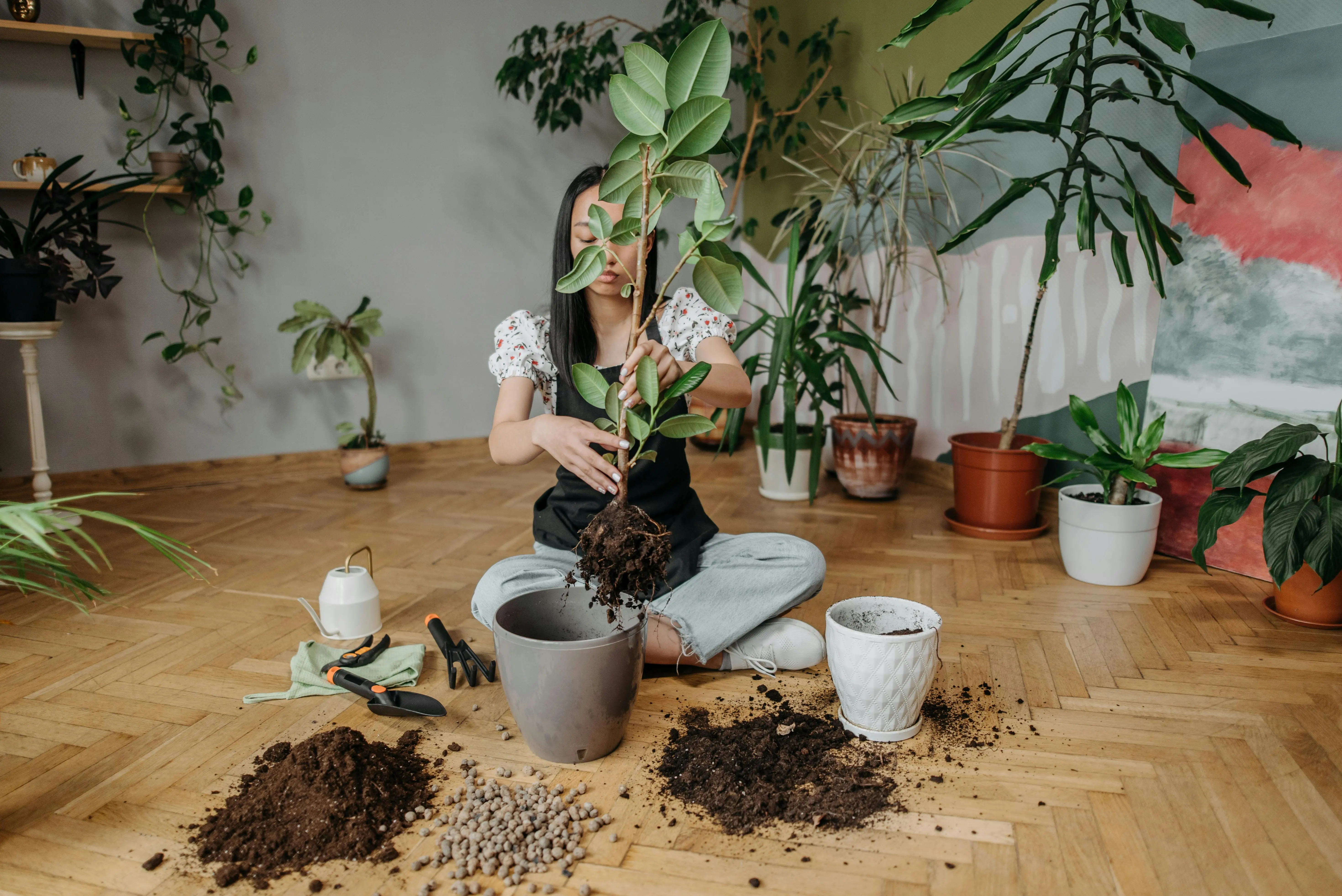
When it comes to potting, select a container that is only slightly larger than the plant’s root ball. Foxtail ferns, like many plants, prefer to be somewhat root-bound. Repotting too frequently or into an excessively large pot can lead to slower growth as the plant focuses energy on developing roots rather than foliage. Repot every 2-3 years, or when you notice roots emerging from the drainage holes or the plant becoming visibly pot-bound. Choose a pot with ample drainage holes to prevent water accumulation. When repotting, gently remove the plant, loosen any circling roots, and replant in fresh soil, ensuring the crown is at the same level as it was in the previous pot.
Fertilization Strategy
Foxtail ferns are not heavy feeders, but they benefit from regular fertilization during their active growing season (spring and summer). Use a balanced liquid fertilizer, diluted to half or quarter strength, every 2-4 weeks. Alternatively, a slow-release granular fertilizer applied once at the beginning of spring can also be effective. Reduce or cease fertilization during the fall and winter months when the plant’s growth slows down. Over-fertilization can lead to salt buildup in the soil, which can burn the roots and cause leaf discoloration. Always follow the manufacturer’s instructions for dosage, and remember that less is often more when it comes to fertilizing.
Pruning, Pest Control, and Troubleshooting Common Problems
Regular pruning is an important aspect of asparagus fern/foxtail fern care, maintaining its shape, promoting bushier growth, and removing any unsightly or unhealthy foliage. Use sharp, clean pruning shears or scissors to trim back any yellow, brown, or dead fronds at their base. You can also prune to control the plant’s size or to shape it into a desired form. This encourages the plant to put energy into new, healthy growth. While foxtail ferns are relatively low-maintenance in terms of pruning, timely removal of spent fronds will keep your plant looking tidy and vibrant. Be cautious when pruning, as the stems can be somewhat thorny or prickly on some varieties.
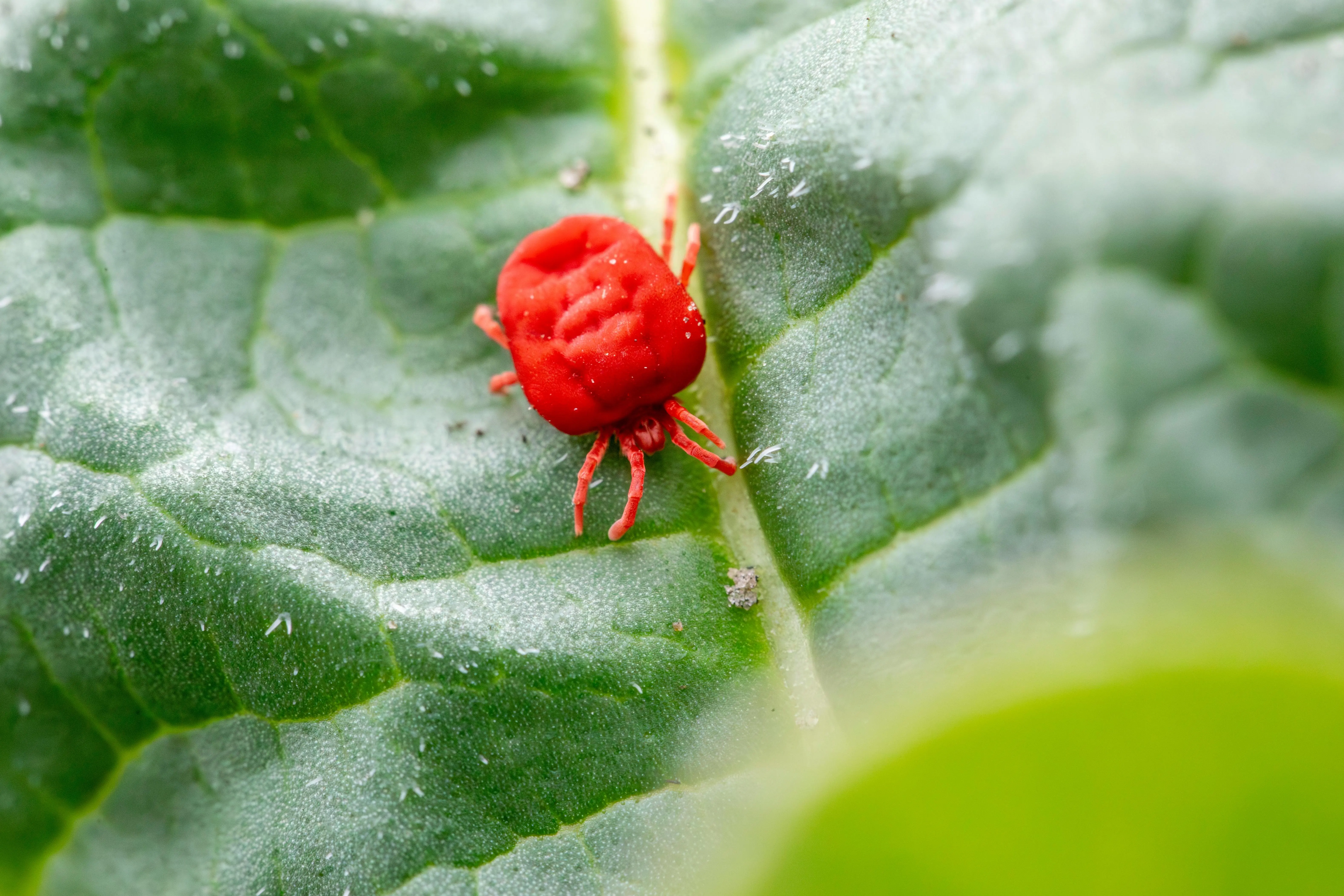
Foxtail ferns are generally robust and resistant to most pests, but they can occasionally fall victim to common houseplant pests like spider mites, mealybugs, or scale insects. Regularly inspect your plant, especially the undersides of the fronds, for any signs of infestation. If you spot pests, isolate the plant immediately to prevent spread. Treat with horticultural oil, neem oil, or an insecticidal soap, following product instructions carefully. You may need to repeat treatments to break the pest life cycle. Good air circulation and proper watering practices can also help prevent pest issues from arising in the first place.
Troubleshooting Common Issues
- Yellowing Fronds: Often an indicator of overwatering or underwatering. Check soil moisture and adjust your watering schedule. Can also be a sign of insufficient light.
- Browning, Crispy Tips: Typically caused by low humidity or chronic underwatering. Increase humidity around the plant and ensure consistent moisture.
- Leggy Growth: Insufficient light is the primary culprit. Move your plant to a brighter location with indirect light.
- Drooping Fronds: Usually a sign of severe underwatering. Give your plant a thorough watering, and it should perk up.
Propagation and Winter Care for Your Asparagus Fern/Foxtail Fern
Propagating your asparagus fern/foxtail fern is a rewarding way to expand your collection or share these beautiful plants with friends. The most common and effective method for propagation is division. This is best done during repotting in the spring when the plant is actively growing. Carefully remove the plant from its pot and gently tease apart the root ball into several sections, ensuring each section has a healthy portion of roots and foliage. Plant these divisions into separate pots filled with fresh, well-draining potting mix. Water thoroughly and place them in a location with bright, indirect light. With proper care, these new plants will establish quickly.
Foxtail ferns can also be propagated from seed, though this method is more time-consuming and less reliable. Collect the red berries when they are ripe, extract the seeds, and clean off any pulp. Sow the seeds in a seed-starting mix, lightly covering them. Keep the soil consistently moist and warm. Germination can be erratic and may take several weeks or even months. For most home gardeners, division offers a much quicker and more successful route to propagation.
Winter Care
In most regions, outdoor foxtail ferns will require special attention as winter approaches. If you live in USDA Zones 9-11, your fern can likely remain outdoors year-round. In colder zones, you have a few options. You can treat them as annuals and let them succumb to the cold, or you can bring them indoors. If bringing them indoors, do so before the first frost. Gradually acclimate them to indoor conditions over a week or two, moving them to a brighter indoor location eventually. Reduce watering frequency in winter as growth slows, and avoid fertilizing. Ensure they are free of pests before bringing them inside to prevent introducing unwanted guests to your indoor plants.
Frequently Asked Questions About Asparagus Fern/Foxtail Fern Care
What is the ideal light for an asparagus fern/foxtail fern?
Asparagus ferns/foxtail ferns thrive in bright, indirect light. Direct, harsh sunlight can scorch their foliage, leading to browning. Too little light can result in leggy growth and dull color. An east-facing window or a spot with dappled light outdoors is often perfect.
How often should I water my foxtail fern?
Water your foxtail fern when the top inch of soil feels dry to the touch. Ensure thorough watering until water drains from the bottom of the pot, but never let the plant sit in standing water, as this can cause root rot. Watering frequency will depend on environmental factors.
Are foxtail ferns toxic to pets?
Yes, the berries produced by foxtail ferns are considered toxic if ingested by pets and humans, potentially causing gastrointestinal upset. The foliage can also cause skin irritation in some individuals. It’s advisable to keep these plants away from curious pets and small children.
How do I make my asparagus fern/foxtail fern bushy?
To encourage a bushier asparagus fern/foxtail fern, ensure it receives adequate bright, indirect light and consistent watering. Regular pruning of older or leggy stems can also stimulate new growth from the base, leading to a denser, more compact plant. Proper fertilization during the growing season helps too.
Why are the tips of my foxtail fern turning brown?
Browning tips on a foxtail fern are most commonly a symptom of low humidity or inconsistent watering. Increase humidity around the plant by misting, using a pebble tray, or a humidifier. Also, review your watering schedule to ensure the plant is receiving adequate, consistent moisture without being waterlogged.
Conclusion: Embracing the Beauty of Your Asparagus Fern/Foxtail Fern
Cultivating an asparagus fern/foxtail fern is a truly rewarding experience, offering lush greenery and unique architectural form to any setting. By understanding and consistently applying the essential care principles outlined in this comprehensive guide-from providing optimal bright, indirect light and balanced watering to using the right soil and thoughtful fertilization-you can ensure your plant thrives. These resilient and adaptable plants are more than just decorative accents; they are living testaments to nature’s artistry, capable of transforming ordinary spaces into verdant havens. With their distinctive plume-like foliage and relatively low-maintenance nature, foxtail ferns are an excellent choice for both novice and experienced plant enthusiasts.
Remember that consistent observation is your best tool for successful foxtail fern care. Pay attention to the subtle cues your plant provides, whether it’s yellowing leaves, crispy tips, or leggy growth, and adjust your routine accordingly. Embrace the cyclical nature of plant care, adapting your methods with the changing seasons and your plant’s growth phases. With a little dedication and the knowledge gained from this guide, your asparagus fern/foxtail fern will not only survive but truly flourish, becoming a vibrant, enduring focal point in your indoor or outdoor garden. Enjoy the journey of nurturing these magnificent plants and watch them bring joy and beauty to your environment for many years to come.