
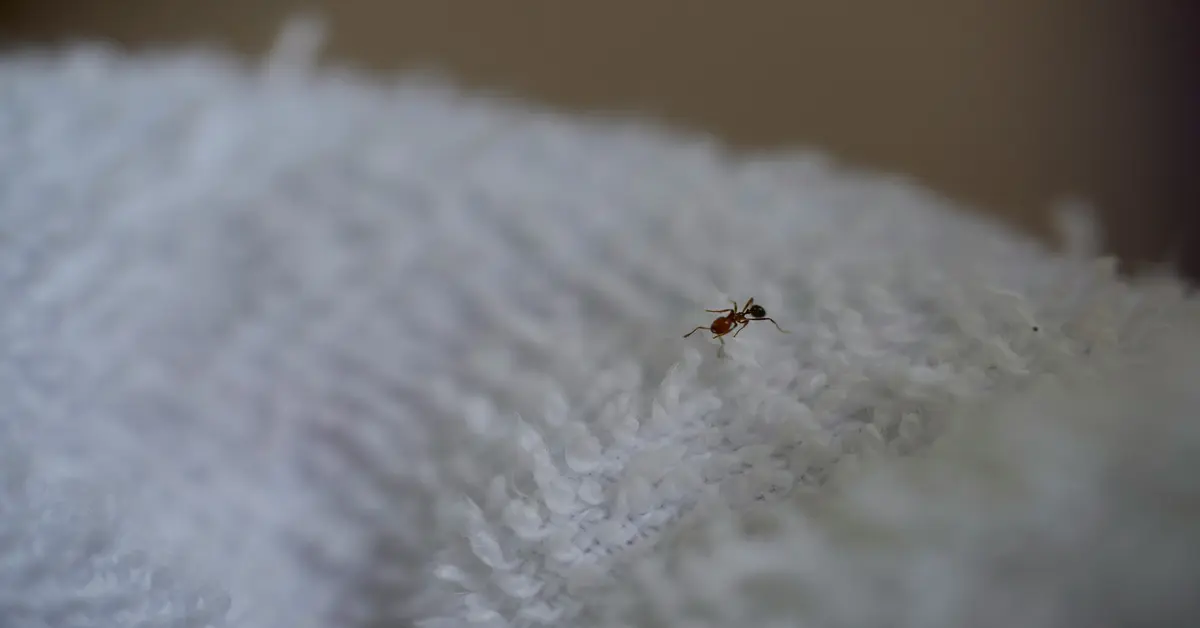
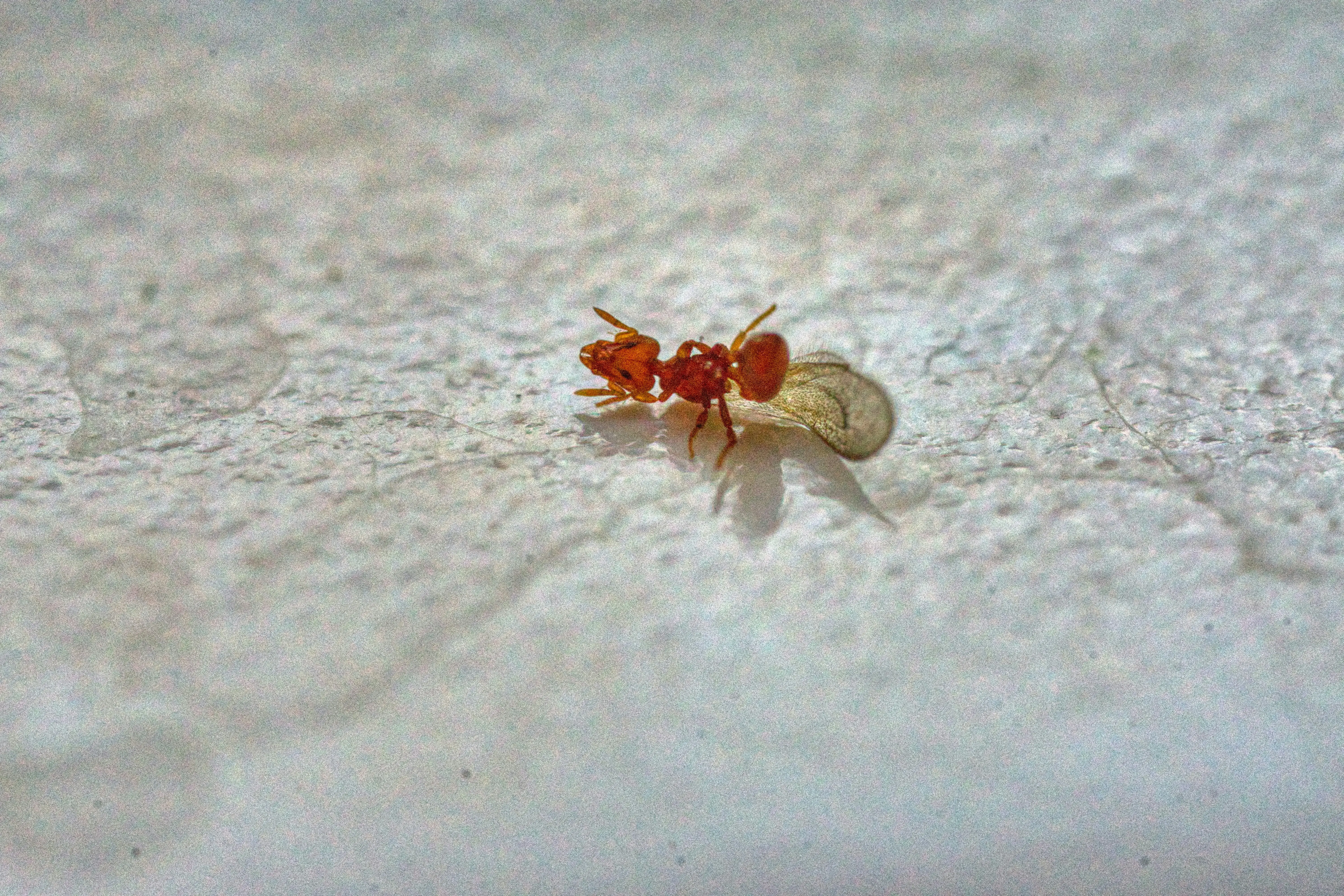
When you hear the phrase baby bed bugs, a shiver likely runs down your spine. The mere thought of these minuscule pests infesting your home, especially where your little ones sleep, is enough to trigger anxiety. These tiny creatures, though small, can wreak havoc, causing irritating bites and sleepless nights. Understanding what distinguishes a baby bed bug from its adult counterpart, and how to identify bed bugs at various life stages, is crucial for effective extermination and prevention.
Identifying baby bed bugs can be particularly challenging due to their diminutive size and translucent appearance. Many people mistake them for specks of dirt or other common household insects. However, knowing the specific signs and characteristics of these nymphs is vital. Early detection is often the key to preventing a full-blown infestation. We’ll delve into the life cycle of these pests, how they look, where they hide, and most importantly, what steps you can take to eradicate them and protect your home.
This comprehensive guide aims to equip you with all the necessary information to tackle a potential bed bug problem effectively. From understanding their feeding habits to recognizing their preferred hiding spots, we’ll cover everything you need. Don’t let these unwelcome guests disrupt your peace of mind. By the end of this article, you’ll be well-versed in protecting your sanctuary from these persistent invaders, ensuring a safe and comfortable environment for you and your family.
The Life Cycle of Bed Bugs: From Egg to Nymph to Adult
Understanding the complete life cycle of bed bugs is fundamental to comprehending the threat posed by baby bed bugs. A bed bug’s life begins as an egg, a tiny, pearly-white, oval-shaped speck, roughly the size of a pinhead. These eggs are often laid in clusters in cracks, crevices, or fabric folds, making them incredibly difficult to spot with the naked eye. A female bed bug can lay anywhere from one to five eggs per day, accumulating to hundreds over her lifetime. These eggs typically hatch within 6 to 10 days, depending on environmental conditions like temperature and humidity.
Once hatched, the bed bug enters its nymph stage, which is precisely what we refer to as baby bed bugs. There are five nymphal instars, or stages, each requiring a blood meal to molt and grow into the next stage. A first-instar nymph is extremely small, often less than 1.5 mm in length, and is nearly transparent or yellowish-white. After its first blood meal, it will appear reddish and slightly larger. Each subsequent nymphal stage grows in size, becoming darker and more opaque after feeding. The entire nymphal development, from hatching to adult, can take anywhere from 21 days to a few months, again largely influenced by feeding frequency and ambient temperature.
Finally, after successfully molting through all five nymphal stages, the bed bug reaches adulthood. Adult bed bugs are about 4-5 mm long, have a flattened, oval-shaped body, and are reddish-brown in color. They are easily visible to the naked eye, especially after a blood meal, when their bodies become engorged and more rounded. A single adult female bed bug can live for 6-12 months, continuously laying eggs and perpetuating the cycle. This rapid reproduction rate and resilience make early detection of baby bed bugs and subsequent intervention absolutely critical to control an infestation.

How to Identify Bed Bugs: Differentiating Nymphs from Adults
Learning how to identify bed bugs, particularly distinguishing between nymphs and adults, is a crucial skill for any homeowner. The adult bed bug is the easiest to spot. They are about the size of an apple seed (4-5 mm), reddish-brown, and have a flattened, oval body if they haven’t fed recently. After a blood meal, they become more elongated and engorged, appearing darker red.
Conversely, baby bed bugs, or nymphs, are much harder to identify. They are significantly smaller, ranging in size from 1.5 mm (first instar) to about 4 mm (fifth instar). Their color is also a key differentiating factor. Younger nymphs are translucent or yellowish-white, making them almost invisible against light-colored surfaces like mattresses or sheets. As they mature and feed, they become darker and more opaque, eventually resembling a miniature version of the adult, though still smaller and often lighter in color. The presence of these tiny, almost clear insects, especially after a blood meal when they appear reddish, is a strong indicator of an active infestation.
Beyond visual identification, look for other signs. Fecal spots, which are dried blood excrement, appear as tiny black or dark brown dots on mattresses, bed frames, walls, or furniture. These spots look like a marker pen stain and can be found near feeding or hiding areas. Cast skins, or exoskeletons, are another tell-tale sign. As nymphs grow, they shed their outer shell five times. These translucent, hollow skins are often found in the same areas as live bed bugs. Finally, bed bug bites can provide clues, although they are not a definitive identification method as reactions vary. Bites often appear as small, red, itchy welts arranged in lines or clusters on exposed skin. Combining these observational techniques significantly improves your chances of early and accurate bed bug identification.
Common Hiding Spots for Baby Bed Bugs in Your Home
Understanding where baby bed bugs prefer to hide is essential for effective inspection and treatment. Due to their small size and vulnerability, nymphs seek out the safest, most secluded spots close to their food source: you. Their flattened bodies allow them to squeeze into incredibly thin cracks and crevices, making detection challenging for the untrained eye.
The most common hiding places are, unsurprisingly, within and around your bed. This includes the seams, tags, piping, and tufts of mattresses and box springs. Inspect the corners, edges, and underside of the mattress. Remove the mattress and check the box spring thoroughly, paying close attention to any tears in the fabric or wooden framework. The bed frame itself, especially wooden or upholstered frames, can harbor nymphs in joints, screw holes, and crevices. Headboards, particularly those mounted to the wall or with intricate designs, are also favorite spots.
However, their hiding places are not limited to the bed. Baby bed bugs will readily infest other furniture in the bedroom or adjacent rooms. Nightstands, dressers, and wardrobes can provide ample hiding spots in their drawers, joints, and behind their back panels. Look for them along baseboards, under loose wallpaper, around electrical outlets, and inside electronics near the bed. Even picture frames, curtains, and upholstered chairs can harbor these tiny pests. Essentially, any dark, protected crack or crevice within a few feet of where humans rest is a potential harborage. A thorough, systematic inspection of these areas is paramount for discovering an infestation in its early stages.

The Dangers and Irritations Caused by Baby Bed Bugs
While often overlooked due to their size, baby bed bugs pose significant dangers and irritations, underscoring the importance of early detection and intervention. Like adult bed bugs, nymphs feed exclusively on blood. Despite their small stature, they require blood meals to grow and develop through their instars. This means that even young nymphs will bite humans, leading to the characteristic itchy welts associated with bed bug infestations.
The primary danger from baby bed bug bites is the intense itching and discomfort they cause. This can lead to disturbed sleep, fatigue, and, in some cases, secondary skin infections if the bites are excessively scratched. While bed bugs are not known to transmit diseases, allergic reactions to their bites can occur, ranging from mild skin irritation to more severe responses requiring medical attention. Furthermore, the constant presence and biting of these pests can cause significant psychological distress, including anxiety, stress, and even paranoia, severely impacting quality of life.
Beyond the physical and psychological toll, an infestation of baby bed bugs indicates a growing problem. Their presence signifies that adults are present and actively reproducing. Ignoring these early signs allows the population to multiply rapidly, turning a minor issue into a severe, widespread infestation that is much harder and more costly to eradicate. Early detection of these tiny nymphs allows for quicker and more targeted treatment, preventing the escalation of the problem and mitigating the long-term impacts on your health and home. Prompt action is always the best defense against these prolific pests.
Effective Strategies for Eliminating Baby Bed Bugs
Eliminating baby bed bugs requires a multi-faceted approach, combining meticulous cleaning with targeted treatments. The first step in any successful eradication plan is a thorough inspection to identify all infested areas. This includes not just the bed, but also surrounding furniture, walls, and any cracks or crevices. Once identified, the following strategies can be employed.
Step 1: Intense Cleaning and Preparation. Start by vacuuming all mattresses, box springs, bed frames, carpets, rugs, and upholstered furniture. Use a vacuum with a HEPA filter and dispose of the vacuum bag immediately in a sealed plastic bag outside your home. Wash all bedding, curtains, and clothing in hot water (at least 120°F or 49°C) and dry them on the highest heat setting for at least 30 minutes. High heat is lethal to all life stages, including eggs and nymphs. Consider encasing mattresses and box springs with bed bug-proof covers that seal off any existing bugs and prevent new ones from entering.
Step 2: Heat and Cold Treatments. Portable steamers can be highly effective in killing baby bed bugs and eggs on contact in cracks, crevices, and fabric folds. The steam must be at least 160°F (71°C) at the point of contact. For items that cannot be washed or steamed, such as books or electronics, consider placing them in a freezer at 0°F (-18°C) for at least four days. Professional heat treatments, where an entire room or home is heated to a lethal temperature, are also highly effective, especially for severe infestations.
Step 3: Insecticide Application (Use with Caution). Residual insecticides specifically labeled for bed bugs can be applied to cracks, crevices, and other harborage areas. Always read and follow label instructions carefully. Dusts, such as diatomaceous earth or silica gel, can be effective when applied sparingly to voids, wall outlets, and under furniture, as they kill by desiccating the insects. However, these are slow-acting and should not be relied upon as the sole treatment. For severe infestations or if DIY methods are not yielding results, professional pest control services are highly recommended. Professionals have access to stronger, more targeted treatments and the expertise to ensure a complete eradication, addressing every life stage from egg to adult.

FAQ: Answering Your Top Questions About Baby Bed Bugs
What do baby bed bugs look like?
Baby bed bugs, or nymphs, are very small and translucent or yellowish-white, especially when they first hatch. They are typically less than 1.5 mm long but grow larger and slightly darker with each blood meal. After feeding, they appear reddish due to the ingested blood. They lack wings and have a flattened, oval shape, similar to adults but much smaller.
Do baby bed bugs bite?
Yes, baby bed bugs absolutely do bite. Just like adult bed bugs, nymphs require a blood meal at each of their five developmental stages to grow and molt. Their bites are similar to adult bites, often appearing as small, itchy red welts on exposed skin, frequently arranged in lines or clusters.
How quickly do baby bed bugs grow into adults?
The development time from a newly hatched nymph to an adult bed bug can vary significantly depending on environmental conditions like temperature and the availability of blood meals. Under optimal conditions (around 70-80°F and regular feeding), a nymph can reach adulthood in about 21 days. However, if food is scarce or temperatures are cooler, this process can take several months.
Where are the most common hiding spots for baby bed bugs?
Baby bed bugs, due to their tiny size, can hide in incredibly small cracks and crevices. Their most common hiding spots include the seams, tags, and piping of mattresses and box springs, the framework of bed frames (especially wooden ones), headboards, nightstands, and even within cracks in walls, behind baseboards, and inside electrical outlets near sleeping areas.
Can I get rid of baby bed bugs on my own, or do I need a professional?
For small, isolated infestations detected very early, thorough cleaning, vacuuming, high-temperature washing of linens, and diligent use of mattress encasements might be enough. However, due to their elusive nature and rapid reproduction, fully eliminating all life stages, especially baby bed bugs and eggs, often requires professional intervention. Pest control experts have specialized tools and stronger, targeted treatments to ensure complete eradication.
Conclusion: Protecting Your Home From Baby Bed Bugs
Dealing with baby bed bugs can be a daunting experience, but armed with the right knowledge, you can effectively protect your home and loved ones. We’ve explored the bed bug life cycle, delved into the specifics of how to identify bed bugs at their various stages, and highlighted their common hiding spots. Understanding these crucial aspects is the first step toward reclaiming your peace of mind.
Remember, early detection is your strongest defense against these minuscule pests. By regularly inspecting your sleeping areas and being vigilant for the tell-tale signs — whether it’s tiny translucent nymphs, small fecal spots, or cast skins — you can catch an infestation before it escalates. Don’t underestimate the irritating bites and potential psychological stress that even baby bed bugs can inflict.
Should you discover an infestation, swift and thorough action is paramount. While diligent DIY methods, such as meticulous vacuuming, hot water washing, and careful application of heat or cold treatments, can be beneficial, severe or pervasive issues often necessitate professional intervention. Don’t hesitate to consult with pest control experts who can offer targeted solutions for complete eradication. Your home should be a sanctuary, free from the unwelcome intrusion of these persistent pests. Take these steps today to ensure a healthy, comfortable, and bed bug-free environment for everyone.