


Embrace coastal Elegance with a Beach Chandelier
Transforming your home into a serene coastal retreat often begins with the right lighting. Far more than just illumination, a beach chandelier serves as a captivating centerpiece, setting the tone for your entire space. Imagine the gentle sway of natural elements, the soft glow reminiscent of a sunset over the ocean, or the refined texture of materials gathered from the shore. This isn’t just about functionality; it’s about invoking a lifestyle, a feeling of perpetual vacation within your own walls. Whether you’re aiming for a casual, laid-back vibe or a more sophisticated Hamptons aesthetic, the perfect beach-inspired fixture can elevate your design.
The beauty of coastal decor lies in its versatility and its connection to nature. A thoughtfully chosen beach chandelier can seamlessly blend with various interior styles, from farmhouse modern to bohemian chic. It often incorporates organic materials, muted color palettes, and unique textures that echo the seaside environment. This introduction won’t just highlight the visual appeal but also delve into the practical aspects of selecting a fixture that not only brightens your room but also enhances its overall atmosphere, creating an inviting and tranquil sanctuary. Prepare to discover how these magnificent lighting elements can redefine your living spaces.

The Allure of Coastal Lighting Ideas: Beyond Just Illumination
When we talk about coastal lighting ideas, we’re discussing a design philosophy that brings the refreshing essence of the ocean indoors. This goes far beyond mere functionality; it’s about crafting an ambiance. Consider the subtle dance of light and shadow, much like the changing tides. A well-placed light fixture can accentuate natural textures, highlight decorative elements, and create a warm, inviting glow that instantly calms the spirit. The goal is to evoke the feeling of a breezy beach house, where relaxation is paramount and every detail contributes to a sense of peace.
One of the key aspects of effective coastal lighting is its ability to imitate natural light. Think about how sunlight filters through a window onto sand or water – that soft, diffused quality is what we strive for. This can be achieved through various means, from strategically placed dimmer switches to the careful selection of shades and lamp types. Furthermore, coastal lighting ideas often lean into using materials that are inherently connected to the seaside: ropes, shells, Driftwood, rattan, and various metals with weathered finishes. These materials not only add visual interest but also infuse the space with an authentic, organic charm that synthetic alternatives simply cannot replicate. By considering both the aesthetic and functional elements, you can transform any room into a tranquil coastal haven.
Defining Coastal Style in Lighting
- Natural Materials: Embracing rattan, bamboo, rope, and reclaimed wood for an authentic, earthy feel.
- Soft Color Palettes: Utilizing whites, creams, blues, and greens to reflect the sky and sea.
- Organic Forms: Fixtures that mimic natural shapes found in marine life or ocean currents.
- Textural Richness: Incorporating woven elements, distressed finishes, and natural fibers to add depth.
- Ambient Glow: Prioritizing warm, inviting light that creates a relaxed atmosphere, often with dimming capabilities.

Choosing Your Perfect Beach Chandelier: Materials and Finishes
Selecting the ideal beach chandelier involves a careful consideration of materials and finishes, as these elements dictate not only the aesthetic but also the durability and longevity of your fixture. The beauty of coastal design lies in its ability to marry rustic charm with refined elegance, and the materials you choose will play a pivotal role in achieving this balance. For a truly authentic look, prioritize natural elements that evoke the feeling of being by the sea.
Raw and Woven Materials: Think rattan, jute, and abaca. These natural fibers are incredibly popular for coastal chandeliers. They offer a light, airy feel and cast beautiful, intricate shadows, adding texture and warmth to any room. A rattan chandelier, for instance, can bring an immediate bohemian beach vibe to your dining room or living area. Similarly, fixtures adorned with espadrille rope or woven seagrass provide an organic, handcrafted look that seamlessly blends with other natural decor.
Wood Finishes: Driftwood, reclaimed wood, and whitewashed wood are excellent choices for a beach chandelier. Driftwood installations offer a unique, sculptural quality, with each piece carrying a story of the ocean. Whitewashed wood provides a softer, more classic coastal appeal, perfect for a Hamptons-inspired interior. These wooden elements bring warmth and a sense of history to your space, grounding the design in natural beauty.
Metals with a Patina: While shine is generally avoided in coastal design, metals with weathered or aged finishes can be exceptionally striking. Bronze, brushed nickel, or even copper with a slight verdigris effect can mimic the look of aged nautical instruments or ship fittings. These metals add a touch of sophisticated ruggedness without being overly polished or formal. They complement the natural materials beautifully, providing a subtle contrast that enhances the overall coastal aesthetic. When combining these materials, consider how they will interact with the natural light in your home, ensuring a harmonious and inviting atmosphere.
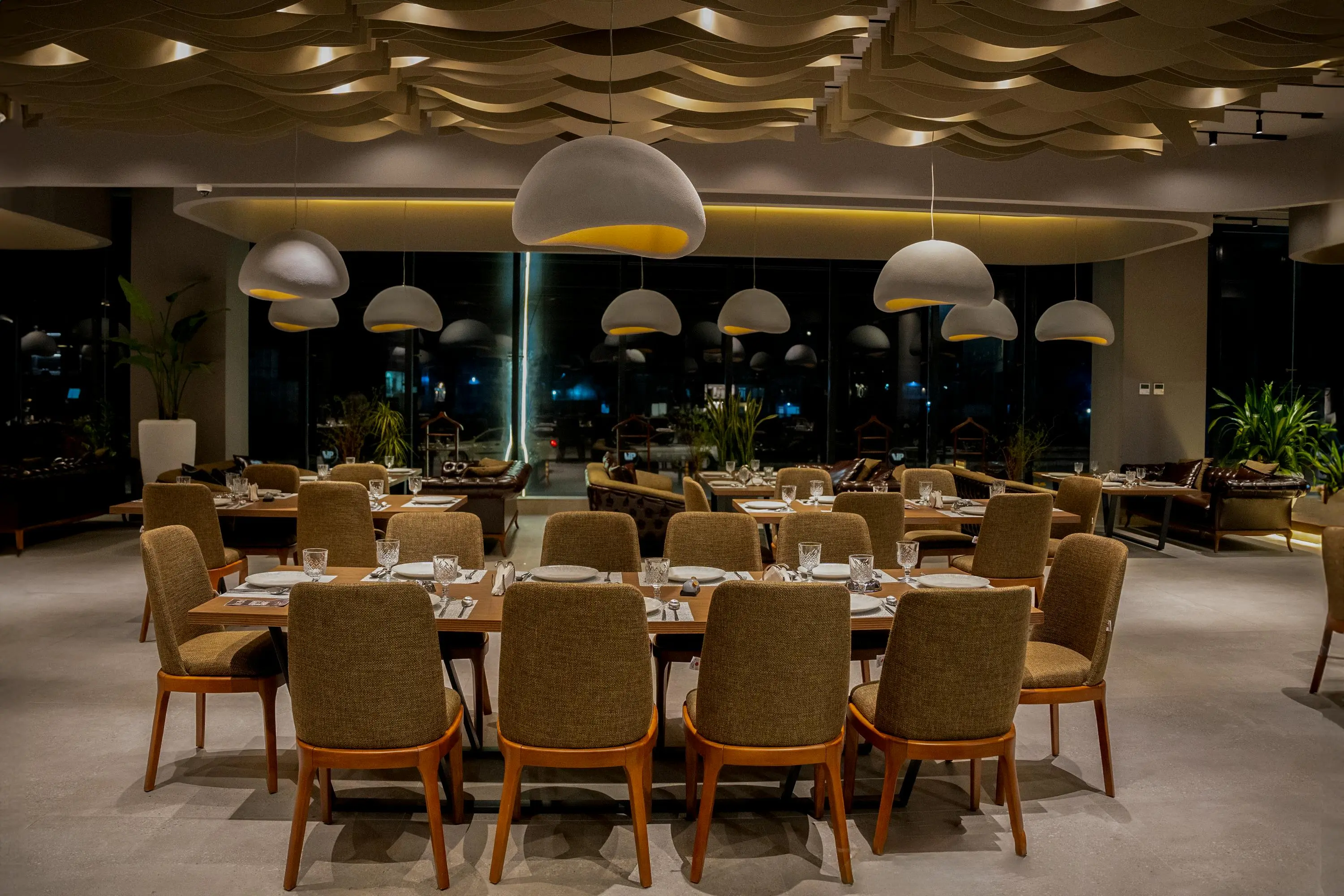
Integrating a Coastal Chandelier into Your Home Decor
A coastal chandelier is more than just a light source; it’s a statement piece that can define the character of a room. Successfully integrating it into your existing decor requires thoughtful placement, consideration of scale, and an understanding of how it complements other elements in the space. The goal is to create a cohesive narrative that speaks to the comfort and beauty of seaside living, without making the decor feelテーマ-parkish.
Dining Room Focal Point: The dining room is arguably the most common and impactful place for a chandelier. A large, statement-making coastal chandelier-perhaps one crafted from shell accents, Capiz shells, or recycled glass-can instantly elevate your dining experience. Ensure the size is appropriate for your table; a good rule of thumb is that the chandelier’s diameter should be about half to two-thirds the width of your dining table. This creates balance and ensures it doesn’t overwhelm the space or get lost in it. The light it emits should be warm and inviting, perfect for evening meals and entertaining.
Living Room Anchor: In a living room, a coastal chandelier can anchor the seating area and draw the eye upwards, making the room feel larger and more grand. Consider one with a more open or airy design, perhaps featuring exposed bulbs or natural woven materials, to maintain a light and spacious feel. It can beautifully complement upholstered furniture in neutral tones, distressed wood coffee tables, and nautical-themed accessories, tying everything together seamlessly. If your living room has high ceilings, a multi-tiered fixture can fill the vertical space impressively.
Bedroom Serenity: While less common, a smaller, more delicate coastal chandelier can bring a touch of unexpected elegance and serenity to a master bedroom. Opt for softer materials like Capiz shells or frosted glass to create a gentle, diffused light that promotes relaxation. Paired with crisp white linens, light-colored walls, and serene seascape art, it can transform your bedroom into a tranquil escape. Always consider the ceiling height and overall room dimensions to ensure the chandelier enhances rather than detracts from the room’s peaceful ambiance.

The Essential Role of a Coastal Chandelier in Elevating Interiors
The impact of a coastal chandelier on an interior space is profound and multi-faceted. It’s not merely a source of light; it’s a crucial design element that brings warmth, character, and a tangible connection to the natural world. In coastal-themed homes, lighting fixtures play an even more critical role, acting as vital anchors that tie together disparate elements and reinforce the overall aesthetic. Without the right illumination, even the most beautifully curated coastal decor can fall flat.
A well-chosen coastal chandelier immediately sets the tone. Its materials-whether they be weathered wood, delicate Capiz shells, or rustic rope-introduce textures that are often echoed throughout the room in furniture, textiles, and decorative accessories. This repetition of natural elements creates a harmonious and cohesive environment, making the space feel more intentional and expertly designed. Moreover, the unique forms and silhouettes of these chandeliers often become instant focal points, guiding the eye and adding architectural interest to even the simplest of rooms.
Beyond aesthetics, the light quality emitted by a coastal chandelier is paramount. Often, these fixtures are designed to provide a soft, ambient glow, mimicking the natural, diffused light of the seaside. This warm illumination contributes significantly to the relaxed and inviting atmosphere that is quintessential to coastal living. It can soften harsh lines, highlight artwork, and make a room feel more intimate and comfortable. In essence, a coastal chandelier elevates an interior by enhancing both its visual appeal and its emotional resonance, transforming a house into a truly serene and stylish home.

Beyond the Beach Chandelier: Complementary Coastal Lighting Ideas
While the beach chandelier often serves as the grand statement piece, a truly well-lit coastal home utilizes a layered approach to lighting. Complementary fixtures work together to provide task lighting, accent lighting, and overall ambient illumination, creating a dynamic and functional space. Thinking beyond just one centerpiece ensures every corner of your home radiates coastal charm and provides optimal visibility.
Sconces and Wall Lights: These are perfect for adding soft, atmospheric brightness to hallways, bathrooms, or flanking a key piece of artwork. Look for designs featuring frosted glass, woven textures like wicker, or weathered metal finishes. They help to break up long expanses of wall and provide a gentle glow that enhances relaxation. In a coastal bathroom, sconces with a nautical rope detail or a shell-inspired design can beautifully frame a mirror.
Table Lamps and Floor Lamps: These flexible lighting options are essential for creating cozy nooks and providing task-specific light. A table lamp with a ceramic base reminiscent of sea glass or driftwood texture, topped with a linen or burlap shade, can be perfect for a side table. Floor lamps, especially those with tripod bases made from reclaimed wood or a woven basket-like shade, can add architectural interest and provide ample light for reading or adding warmth to a living area. Look for lamps that incorporate natural materials such as jute, rattan, or even subtly patterned fabrics that evoke ocean waves.
Pendant Lights: For areas requiring more focused illumination, such as kitchen islands, breakfast nooks, or entryways, pendant lights are ideal. Small pendant clusters made from glass spheres, woven baskets, or even industrial-style fixtures with an aged bronze finish can add visual interest while providing directed light. These can either echo the design of your main coastal chandelier or offer a slightly different but harmonious aesthetic, contributing to the overall layered lighting design without overwhelming the space. This strategic use of various light sources ensures both beauty and functionality in your coastal abode.
Maintenance Tips for Your Coastal Chandelier
Maintaining your beach chandelier is crucial to ensure its longevity and to keep it looking as stunning as the day you installed it. Natural materials, while beautiful, often require specific care to prevent damage from dust, moisture, or environmental factors. Regular and gentle cleaning will preserve its aesthetic appeal and structural integrity, ensuring it remains a captivating focal point in your coastal home for years to come.
Dusting Regularly: The most common issue for any chandelier is dust accumulation. For fixtures made from woven materials like rattan, jute, or rope, use a soft bristle brush or a vacuum cleaner with a brush attachment on a low setting. This gently removes dust without damaging the fibers. For glass or shell elements, a micro-fiber cloth is best. For metal components, simply wipe with a dry, soft cloth to prevent tarnishing or streaking. Regular weekly or bi-weekly dusting will prevent heavy buildup, making deeper cleaning less frequent.
Spot Cleaning and Deeper Cleans: For more stubborn dirt or marks, spot cleaning is often sufficient. For natural fibers, lightly dampen a clean cloth with water (and a very mild soap if necessary) and gently blot the affected area. Avoid oversaturating, as excessive moisture can warp or damage natural materials. For glass or Capiz shells, a gentle glass cleaner can be used, applied to a cloth first, never sprayed directly onto the fixture, to prevent liquid from getting into electrical components. Always ensure the chandelier is turned off and cooled before attempting any cleaning.
Inspecting for Wear and Tear: Periodically, take a closer look at your coastal chandelier for any signs of wear. Check ropes for fraying, and ensure all shell or glass elements are securely attached. Inspect electrical cords for any signs of damage or deterioration. If your fixture is in a high-humidity area, such as a bathroom, increased vigilance against mold or mildew on natural materials may be necessary. Addressing small issues promptly can prevent them from becoming larger, more costly problems, thus extending the life and beauty of your cherished coastal centerpiece.
FAQ: Your Beach Chandelier Queries Answered
What materials are best for a durable beach chandelier?
For durability, look for chandeliers crafted from treated natural woods (like whitewashed or reclaimed wood), corrosion-resistant metals (such as brushed nickel or bronze), or sturdy woven materials like synthetic rattan or sealed jute. Capiz shell chandeliers are also quite durable if handled with care, as their natural iridescence holds up well over time.
How do I choose the right size beach chandelier for my room?
A general rule for dining rooms is that the chandelier’s diameter should be roughly half to two-thirds the width of your dining table. For other rooms, such as living areas or bedrooms, add the room’s length and width in feet, and that sum in inches typically gives you a good starting point for the chandelier’s diameter. For example, a 10’x12′ room (22 feet total) would suggest a 22-inch diameter chandelier.
Can I install a beach chandelier in a bathroom with high humidity?
Yes, but choose a fixture specifically rated for damp or wet locations. Look for chandeliers with a ‘Damp Rated’ or ‘Wet Rated’ classification. These fixtures are designed with sealed components to withstand moisture and prevent damage or electrical hazards in humid environments like bathrooms.
What type of light bulbs should I use for my coastal chandelier?
For a warm, inviting coastal ambiance, opt for LED bulbs with a color temperature between 2700K and 3000K (warm white). Dimmable bulbs are highly recommended, as they allow you to adjust the light intensity to create various moods, from bright and airy to soft and serene, complementing the relaxed coastal aesthetic.
How do I clean and maintain a beach chandelier with natural components?
Regularly dust with a soft brush or a vacuum with a brush attachment to remove loose particles. For deeper cleaning on woven materials (rattan, jute), lightly dampen a cloth with water and a tiny amount of mild soap, then gently wipe. For shells or glass, use a micro-fiber cloth with a gentle cleaner applied to the cloth, not directly to the fixture. Always ensure the power is off before cleaning.
Conclusion: Illuminated Coastal Living with a Beach Chandelier
The journey to creating a home that truly embodies the tranquility and beauty of the coast is a transformative one, and at its heart often lies the perfect beach chandelier. As we’ve explored, these remarkable lighting fixtures are far more than just functional necessities; they are powerful design elements that infuse a space with character, warmth, and an undeniable sense of place. From the organic textures of rattan and driftwood to the ethereal glow of Capiz shells, each material and design contributes to a narrative of natural elegance and seaside serenity.
Whether you’re dreaming of a grand statement piece in your dining room or a subtle, inviting glow in your bedroom, the right coastal chandelier can elevate your interiors, tying together diverse elements and cultivating an atmosphere of relaxed sophistication. Remember to consider materials, scale, and complementary lighting to ensure a cohesive and well-lit environment. Embrace the charm of coastal living and let your home reflect the peaceful sway of the ocean. Discover the perfect beach chandelier today and transform your space into a luminous coastal sanctuary that you’ll cherish for years to come.