
Welcome, fellow bird enthusiasts! If you’ve ever found yourself lamenting the fact that larger, more aggressive birds or pesky squirrels are hogging your bird feeders, leaving your smaller feathered friends hungry, then you’re in the right place. Today, we’re diving deep into the world of the bird cage bird feeder, a brilliant innovation designed specifically to protect your birdseed and ensure that smaller, shyer species get their fair share. This ingenious design acts as a protective barrier, allowing only smaller birds to access the food while deterring larger unwanted visitors. It’s a game-changer for anyone looking to create a more equitable and peaceful feeding environment in their backyard.
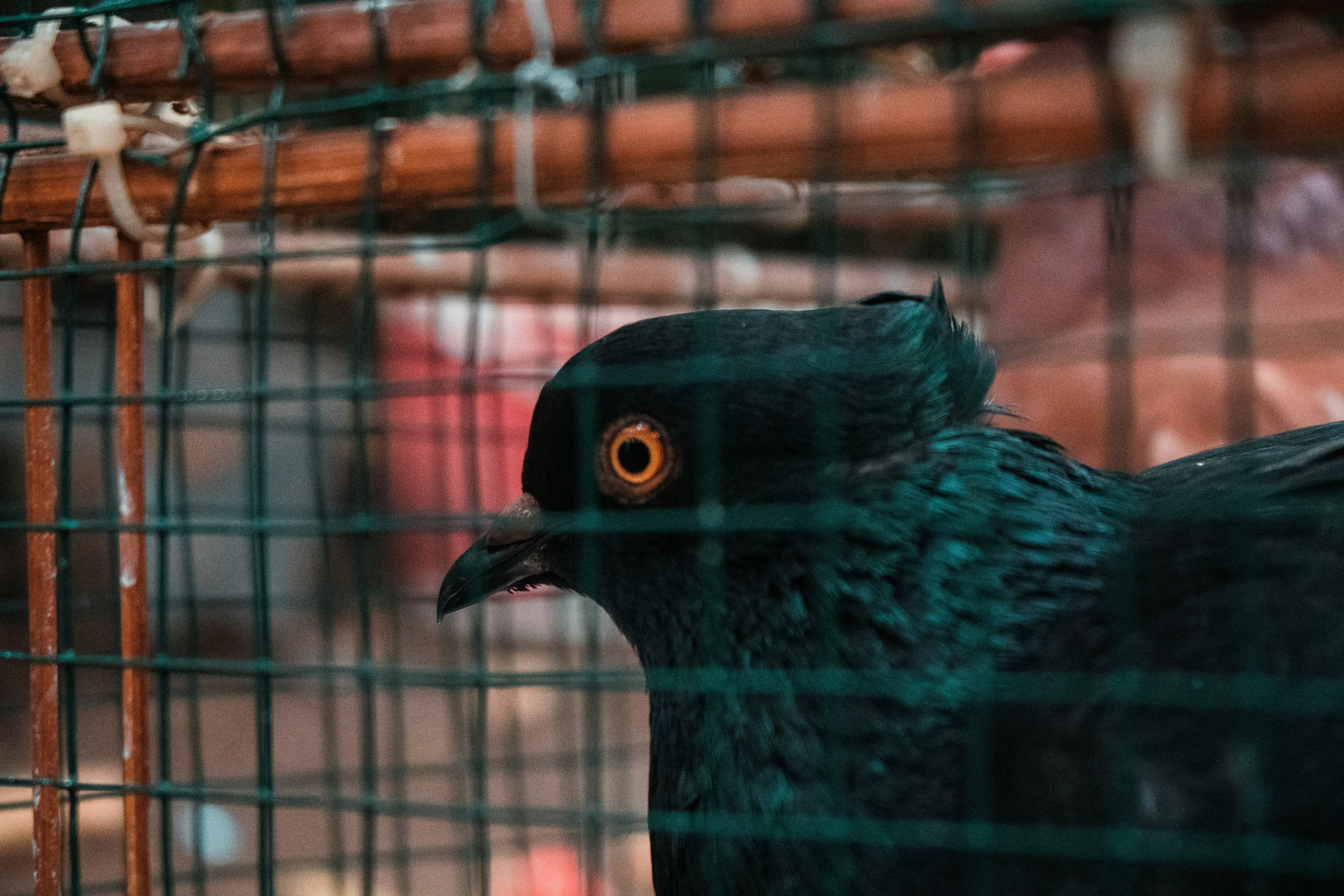
The concept behind a bird cage bird feeder is elegantly simple yet remarkably effective. Imagine a regular bird feeder, but encased within a sturdy wire cage. The gaps in this cage are strategically sized, narrow enough to block bigger birds like jays, grackles, or doves, and certainly large enough to keep squirrels out. However, they are perfectly wide enough for chickadees, finches, titmice, and other petite songbirds to slip through with ease. This means your expensive birdseed is consumed by your intended audience, and you get to enjoy a wider variety of avian visitors without the constant hassle of shooing away bigger bullies. For those who cherish their backyard birds, investing in the right bird cage bird feeder can transform their bird feeding experience.
We will explore the various advantages of using one of these feeders, discuss the different types available, and provide essential tips for choosing and maintaining the perfect bird cage bird feeder for your garden. Whether you’re a seasoned birder or just starting your journey into the captivating world of backyard birdwatching, understanding the benefits of these feeders is crucial. Say goodbye to wasted seed and hello to a thriving community of small, happy birds right outside your window. Let’s embark on this exciting journey to discover how a simple cage can make a monumental difference in your bird-feeding efforts.
The Unbeatable Benefits of a Bird Cage Bird Feeder
The primary allure of a bird cage bird feeder lies in its unparalleled ability to selective feeding. This isn’t just about keeping out unwanted guests; it’s about fostering a healthier, more diverse bird population in your area. By naturally excluding larger birds and squirrels, you create a safe haven for smaller, often more vulnerable species. Think of it as a VIP section for songbirds. Without the constant competition and intimidation from bigger birds, these smaller species feel more secure and are more likely to visit your feeder regularly. This can lead to a noticeable increase in the variety and number of small birds you observe, enriching your birdwatching experience.
Another significant advantage is the considerable reduction in seed waste. Large birds and squirrels are notorious for scattering seed onto the ground, not only wasting valuable food but also attracting rodents and potentially spreading disease. A bird cage bird feeder minimizes this spillage by restricting access to only those birds that can neatly reach the seed. This means your birdseed lasts longer, saving you money in the long run. Furthermore, the protected environment inside the cage ensures that the seed remains cleaner and drier, reducing the risk of mold and bacterial growth, which can be harmful to birds. Cleanliness is paramount in bird feeding, and these feeders greatly assist in maintaining hygienic conditions.
Beyond seed protection, these feeders offer peace of mind. No more battling squirrels or shooing away aggressive jays. The design does the work for you, allowing you to simply enjoy the spectacle of nature. It transforms your bird feeding station from a free-for-all into a well-managed buffet, where every bird gets a fair chance. Many bird cage bird feeder models are also designed to be durable and weather-resistant, able to withstand various elements and offer long-lasting service. This thoughtful engineering means less frequent replacement and more consistent enjoyment for you and your avian visitors. The investment in such a feeder pays dividends in both convenience and avian biodiversity.
Why Choose a Birdcage Design?
The choice of a birdcage design over other deterrents is often rooted in its effectiveness and simplicity. Unlike squirrel baffles, which can sometimes be outsmarted, or expensive, often unreliable spinning feeders, the physical barrier of a cage is consistently effective. There’s no learning curve for the birds, and once they realize it’s a safe space, they’ll become regular visitors. The design is passive, requiring no batteries or constant monitoring. It’s an elegant solution to a common problem, offering a blend of reliability and ease of use that other deterrent methods often lack. For those committed to attracting a wide array of small birds, the caged feeder is an indispensable tool.
Top Considerations When Selecting Your Bird Cage Bird Feeder
Choosing the right bird cage bird feeder involves more than just picking the first one you see. Several factors come into play that will determine its effectiveness, durability, and suitability for your specific needs. The most crucial aspect is the cage spacing. This refers to the size of the openings in the outer cage. Ideally, the gaps should be wide enough for small birds like chickadees, finches, and nuthatches to easily pass through, but narrow enough to prevent larger species such as cardinals, jays, grackles, and squirrels. A common recommended spacing is around 1.5 to 2 inches (3.8 to 5 cm). Too wide, and your problem species will still gain access; too narrow, and even your desired small birds might struggle.
Next, consider the material and construction quality. A good bird cage bird feeder should be made from durable, weather-resistant materials. Metal cages, particularly powder-coated steel or galvanized wire, are excellent choices as they resist rust and corrosion and can withstand the elements for years. Plastic components should be UV-resistant to prevent brittleness and discoloration. The feeder itself, whether it’s a tube, hopper, or platform, should also be robust. Look for sturdy hanging mechanisms and secure closures that prevent opportunistic critters from prying them open. Quality construction ensures longevity and reliable performance, making your investment worthwhile.
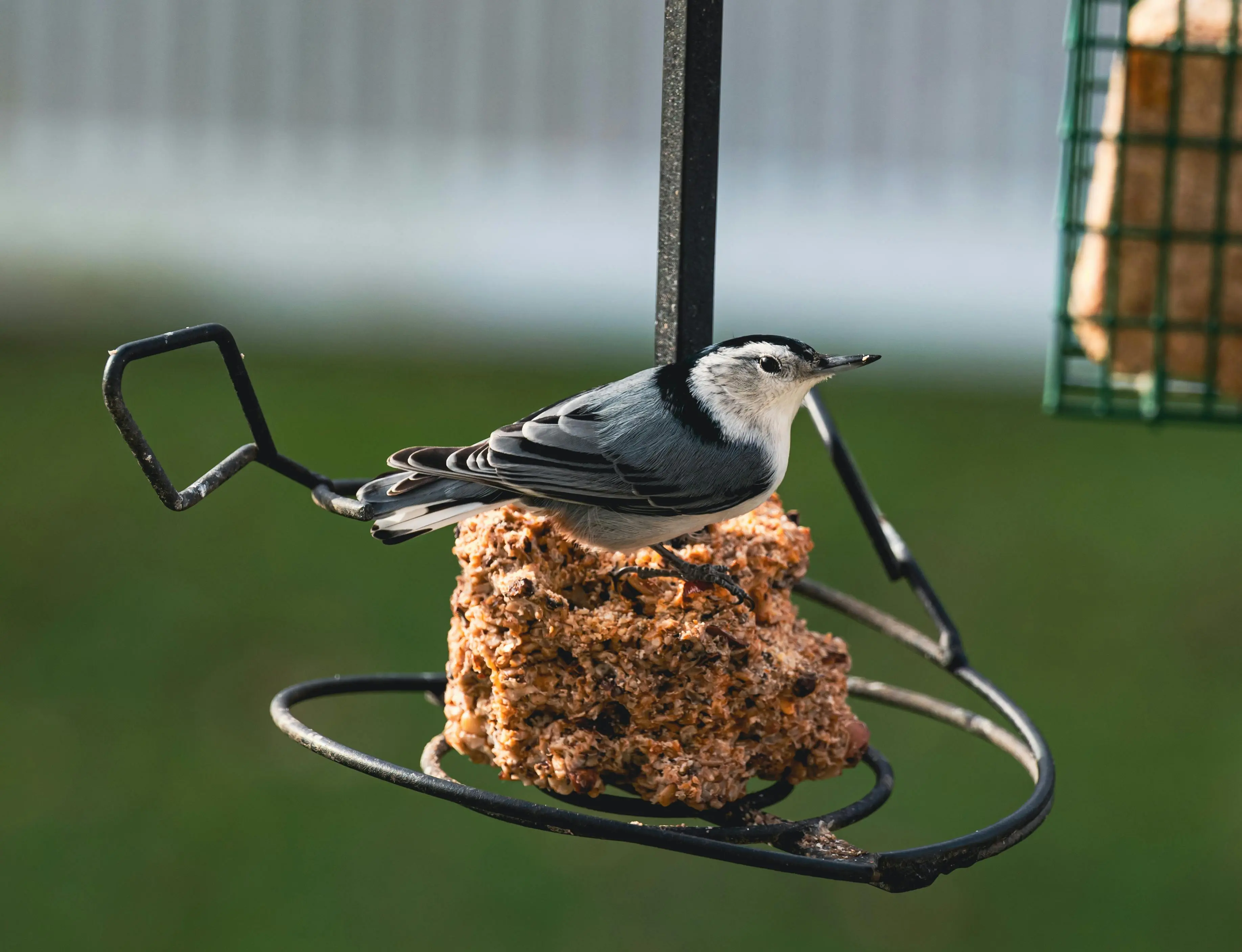
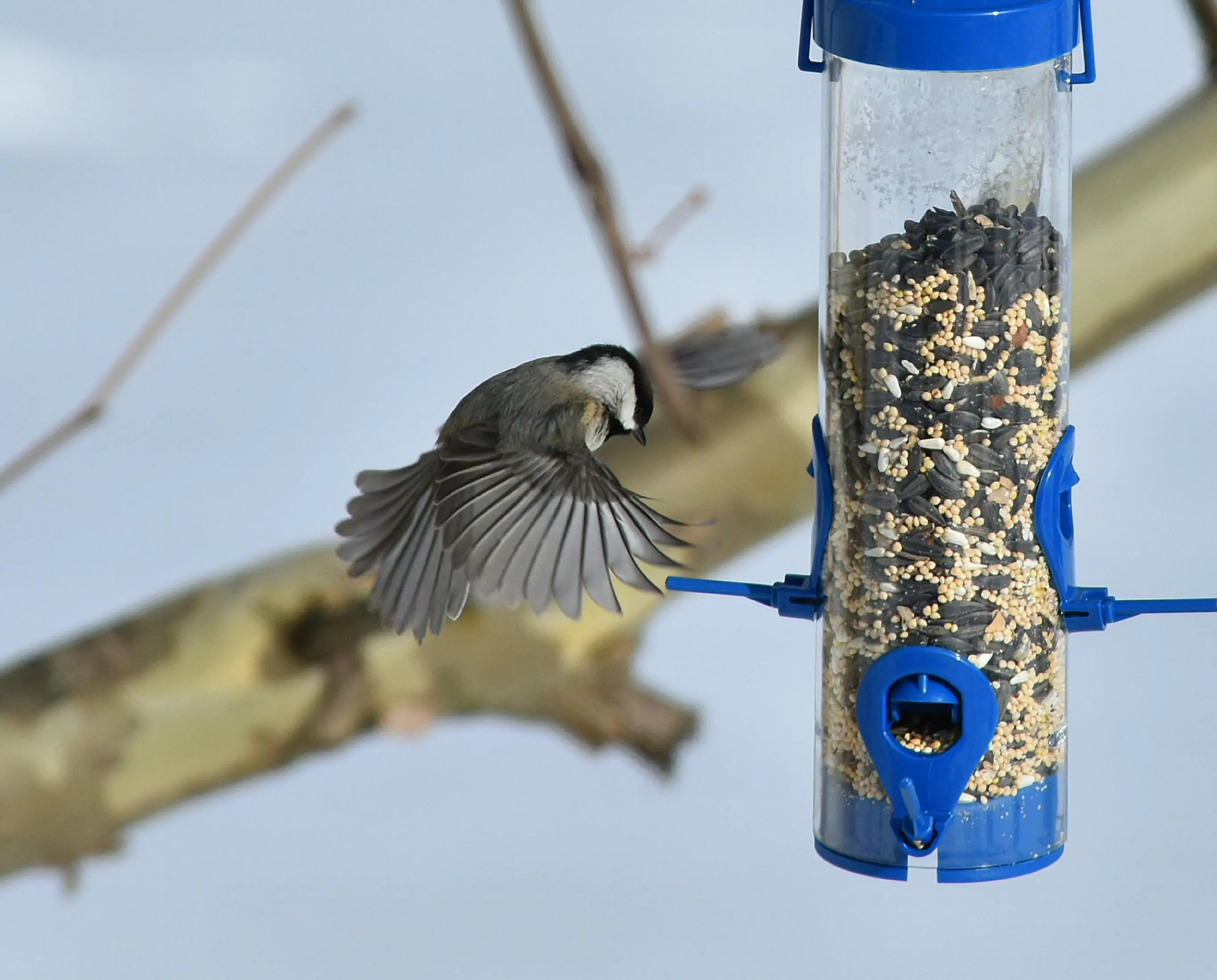
The type of feeder enclosed is another important decision. Cage feeders come in various designs, often enclosing a tube feeder, a suet feeder, or even small hopper feeders. Tube feeders are excellent for dispensing sunflower seeds, nyjer, and safflower, attracting a host of finches and chickadees. Suet feeders within a cage are perfect for protecting suet from starlings and larger woodpeckers, allowing smaller birds like titmice and downy woodpeckers to enjoy the high-energy treat. Consider what types of birds you wish to attract and choose a feeder type that caters to their dietary preferences. Some feeders even offer multiple compartments, allowing you to offer a variety of seeds.
Finally, think about ease of cleaning and refilling. Bird feeders, especially those that attract many visitors, need regular cleaning to prevent the spread of diseases. Look for models that can be easily disassembled for thorough washing. Wide openings for refilling are also a plus, making the chore less messy and time-consuming. A feeder that is difficult to clean will likely be neglected, potentially harming the birds you are trying to help. Prioritizing a design that simplifies maintenance will ensure you can consistently provide a healthy and inviting feeding station for your feathered friends. These thoughtful selections will ensure your bird cage bird feeder is a success.
Installation and Placement Tips for Your Bird Cage Bird Feeder
Proper installation and strategic placement are just as critical as choosing the right bird cage bird feeder itself. The goal is to maximize visibility for small birds while minimizing accessibility for predators and unwanted guests. When considering placement, aim for an area that offers some nearby cover, such as trees or shrubs. This provides small birds with a sense of security, allowing them to quickly dart into cover if a predator approaches, and also offers perching spots while they wait their turn. However, avoid placing the feeder too close to these hiding spots, as they could also provide launching points for squirrels or even cats. A good rule of thumb is to have cover within 10-15 feet but not directly adjacent.
Height is another important factor. For hanging cage feeders, a height of about 5-6 feet off the ground is generally ideal. This elevates the feeder above the easy reach of ground predators like cats. If you are mounting your feeder on a pole, ensure the pole is sturdy and consider adding a baffle below the feeder to deter squirrels and raccoons from climbing up. While the cage deters these animals from the seed, a baffle provides an extra layer of defense for the entire setup. Always ensure the feeder is securely fastened, especially in areas prone to strong winds, to prevent it from falling and potentially scattering seed or harming birds.
Maximizing Visibility for Small Birds
To attract the most small birds, ensure your bird cage bird feeder is visible from a distance. While cover is important, don’t hide the feeder completely. Position it where it can be easily spotted by birds flying by, ideally in a relatively open area but with the aforementioned nearby escape routes. Consider placing it near a window so you can enjoy watching your feathered visitors. The more visible and accessible it is for your target audience, the more quickly they will discover and utilize your new feeding station. An unobstructed view also allows you to monitor the feeder’s activity and ensure it’s functioning as intended, attracting best bird feeders for small birds.
Maintaining Your Bird Cage Bird Feeder for Optimal Health
Maintaining a clean and well-stocked bird cage bird feeder is paramount for the health and safety of your feathered visitors. Regular cleaning prevents the buildup of bacteria, mold, and other pathogens that can lead to avian diseases. Aim to clean your feeder at least once every two weeks, or more frequently during periods of high activity or wet weather. To clean, disassemble the feeder as much as possible, discarding any old or wet seed. Use a solution of one part bleach to nine parts hot water, or a specialized bird feeder cleaning solution, to scrub all surfaces. Rinse thoroughly with clean water and allow the feeder to air dry completely before refilling with fresh seed. This ensures that no harmful residues or moisture remain, which could promote mold growth. Consistency in cleaning is key to a healthy bird station.
Beyond regular cleaning, it’s essential to monitor the condition of the seed you provide. High-quality, fresh seed is crucial. Avoid buying in bulk if you don’t have proper storage, as seed can go stale or attract pests if left too long. Store birdseed in airtight containers in a cool, dry place to maintain its freshness and prevent spoilage. Always check for any signs of mold, mildew, or insect infestation before refilling your bird cage bird feeder, and discard any suspect seed immediately. Providing a consistent supply of fresh, clean, and nutritious birdseed will ensure your small birds remain healthy and continue to frequent your feeder, enhancing their chances of survival and reproduction.
Troubleshooting Common Issues
Even with the best bird cage bird feeder, you might encounter occasional issues. If larger birds or squirrels are still finding a way in, re-examine the cage spacing. Sometimes, a particularly determined squirrel might find a weak point or even attempt to chew through plastic components. Reinforcing or replacing parts might be necessary. If you notice a drop in small bird activity, consider if recent changes in the environment (e.g., new predatory cats in the area, a shift in local bird populations) might be contributing. Ensure the feeder is always well-stocked and clean, as birds will quickly abandon a feeder that offers stale food or is unhygienic. Persistence and observation are your best allies in maintaining a successful and vibrant bird feeding station.
Attracting the Best Birds with Your Bird Cage Bird Feeder
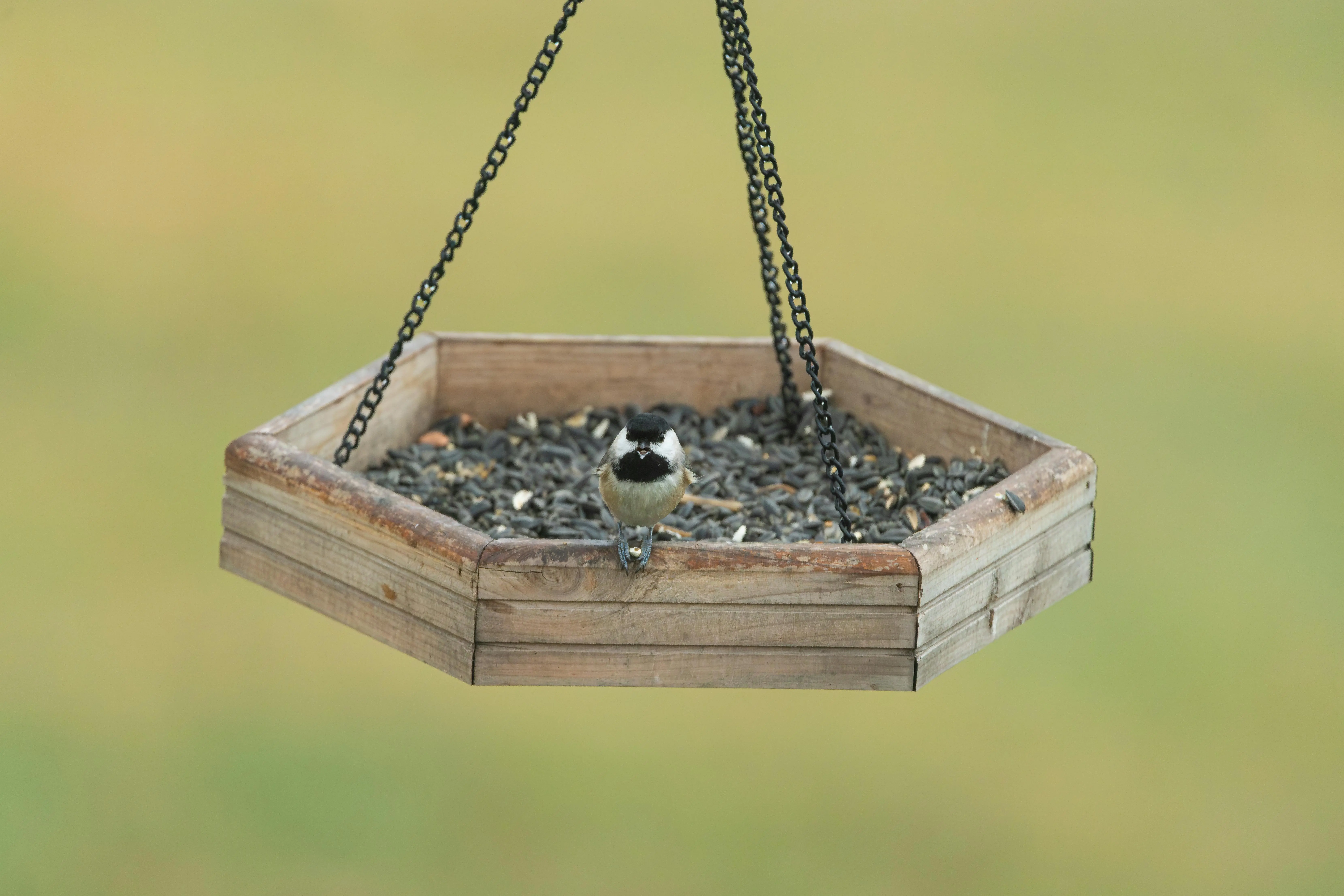
Once you’ve set up your bird cage bird feeder, the next exciting step is to optimize it for attracting a diverse array of small birds. The primary method for doing this is through your choice of seed. Different bird species have different dietary preferences, and by offering a variety of seeds, you can appeal to a broader audience. Black oil sunflower seeds are a universal favorite, attracting chickadees, finches, titmice, and nuthatches. Safflower seeds are particularly good for deterring squirrels and larger birds like grackles, as many of them do not enjoy the bitter taste, while cardinals and grosbeaks love them. Nyjer (thistle) seed is essential for attracting goldfinches and other small finches with their specialized beaks. By strategically placing these different seeds within your caged feeder, you can create a culinary wonderland for your backyard birds.
Beyond seed, consider offering a variety of feeder types within or alongside your cage feeder. While the cage protects the main seed, integrating a suet cage feeder (if not already part of your main unit) can attract woodpeckers, wrens, and flickers. Peanut pieces (not whole peanuts, which can choke smaller birds) are also a high-energy option that many small birds enjoy. Remember, the goal is to provide a comprehensive dining experience that caters to varied palates. The more diverse your offerings, the more diverse your bird population will become. Always ensure offerings are fresh and appropriate for the season, as birds’ nutritional needs can shift with the changing weather.
Creating a Holistic Bird-Friendly Environment
Attracting birds isn’t just about the food; it’s about creating an entire ecosystem that makes your yard an irresistible haven. Provide a reliable water source, such as a bird bath, throughout the year. Water is essential for drinking and bathing, and a clean, fresh water source is often as attractive as food. Plant native shrubs and trees that offer natural food sources (berries, seeds) and provide shelter and nesting sites. Reduce pesticide use in your yard to ensure a healthy insect population, which is a vital food source for many bird species, especially during breeding season. By thinking beyond just the bird cage bird feeder and considering the broader needs of birds, you can transform your backyard into an even more vibrant and life-filled sanctuary, attracting best bird feeders for small birds.
The Impact of a Bird Cage Bird Feeder on Your Backyard Ecosystem
The introduction of a bird cage bird feeder into your backyard isn’t just an isolated act of feeding; it initiates a ripple effect that can significantly impact your local ecosystem. By specifically catering to smaller bird species, you are actively promoting biodiversity. When these smaller birds thrive, they contribute positively to local insect control, as many are insectivorous, helping to manage pest populations naturally. This reduction in larger, often more aggressive, species at your feeder also means less competition for natural food resources in the broader environment, potentially benefiting other wildlife that shares those resources. It’s a small change that can lead to surprisingly broad ecological improvements, fostering a more balanced and vibrant natural space.
Furthermore, observing birds interact with your bird cage bird feeder offers an invaluable educational opportunity for individuals of all ages. It provides a direct window into nature, allowing you to learn about different bird species, their behaviors, and their ecological roles. For children, it can spark a lifelong interest in conservation and the natural world. For adults, it offers a calming and enriching hobby, connecting them with the rhythms of nature. This connection can lead to a greater understanding and appreciation of local wildlife and inspire further conservation efforts, such as participating in citizen science projects or advocating for local environmental protection.
Ultimately, a bird cage bird feeder transforms your outdoor space into a dynamic hub of activity. It becomes a central point for observation, learning, and enjoyment, enriching both your life and the lives of the birds that visit. The simple act of providing a safe and accessible food source can lead to a more harmonious coexistence between humans and wildlife, creating a backyard that is not only beautiful but also ecologically sound. Embrace the opportunity to be a crucial part of your local ecosystem, one small bird at a time, making your space a cherished sanctuary for the best bird feeders for small birds.
FAQ about Bird Cage Bird Feeders
What is the main benefit of a bird cage bird feeder?
The primary benefit of a bird cage bird feeder is its ability to deter larger birds and squirrels, ensuring that smaller species like finches, chickadees, and nuthatches can access the birdseed without competition or intimidation. This helps protect the seed from waste and promotes a more diverse bird population.
What size gaps should a bird cage bird feeder have?
Ideally, the gaps in the outer cage should be between 1.5 to 2 inches (3.8 to 5 cm). This size allows small birds to pass through easily while being too small for larger birds like jays or grackles and for squirrels to squeeze through.
Can a bird cage bird feeder really keep squirrels out?
Yes, a well-designed bird cage bird feeder with appropriate cage spacing is highly effective at keeping squirrels out. The small gaps are typically too narrow for squirrels to squeeze through to reach the inner feeder. For added protection, consider a feeder with a weight-activated perch that closes access if a heavy animal lands on it.
What types of seed are best for a bird cage bird feeder?
Black oil sunflower seeds are a universal favorite. Safflower seeds are excellent for deterring unwanted larger birds and squirrels while attracting cardinals and grosbeaks. Nyjer seed is perfect for attracting various finches. Offering a mix of these seeds caters to a wider variety of small bird species.
How often should I clean my bird cage bird feeder?
It’s recommended to clean your bird cage bird feeder at least once every two weeks, and more frequently during periods of high bird traffic or wet weather. Regular cleaning prevents the buildup of harmful bacteria and mold, ensuring a healthy environment for your backyard birds.
Conclusion: Embrace the Bird Cage Bird Feeder Difference
In conclusion, the decision to invest in a bird cage bird feeder is one that will undoubtedly enhance your bird feeding experience and benefit your local avian population. We’ve explored how these innovative feeders act as guardians, protecting valuable seed from larger, more aggressive birds and persistent squirrels, thereby creating a peaceful dining environment for your cherished smaller birds. From chickadees and finches to nuthatches and titmice, these delightful species can finally enjoy a meal without fear of competition, leading to a more vibrant and diverse backyard ecosystem.
By selecting a bird cage bird feeder with appropriate cage spacing, durable materials, and an easy-to-clean design, you’re setting yourself up for long-term success. Proper placement, away from easy squirrel access but with nearby cover for small birds, will maximize its effectiveness. Remember, a thriving bird feeding station goes beyond just the feeder; it involves providing fresh seed, clean water, and a bird-friendly habitat that caters to all their needs. This holistic approach ensures a healthy and bustling backyard that brings joy and wonder to all who observe it.
So, if you’re ready to transform your garden into a preferred destination for the best bird feeders for small birds, a bird cage bird feeder is your ultimate solution. Say goodbye to wasted seed and hello to a symphony of small songbirds right outside your window. Make the switch today and discover the remarkable difference a simple cage can make in fostering a healthier, happier, and more harmonious bird feeding environment. Your feathered friends will thank you for it, and you’ll enjoy countless hours of peaceful birdwatching. This small change will lead to big rewards in your birding journey.