
Unlocking the Magic of Bloom Jasmine: A Comprehensive Guide
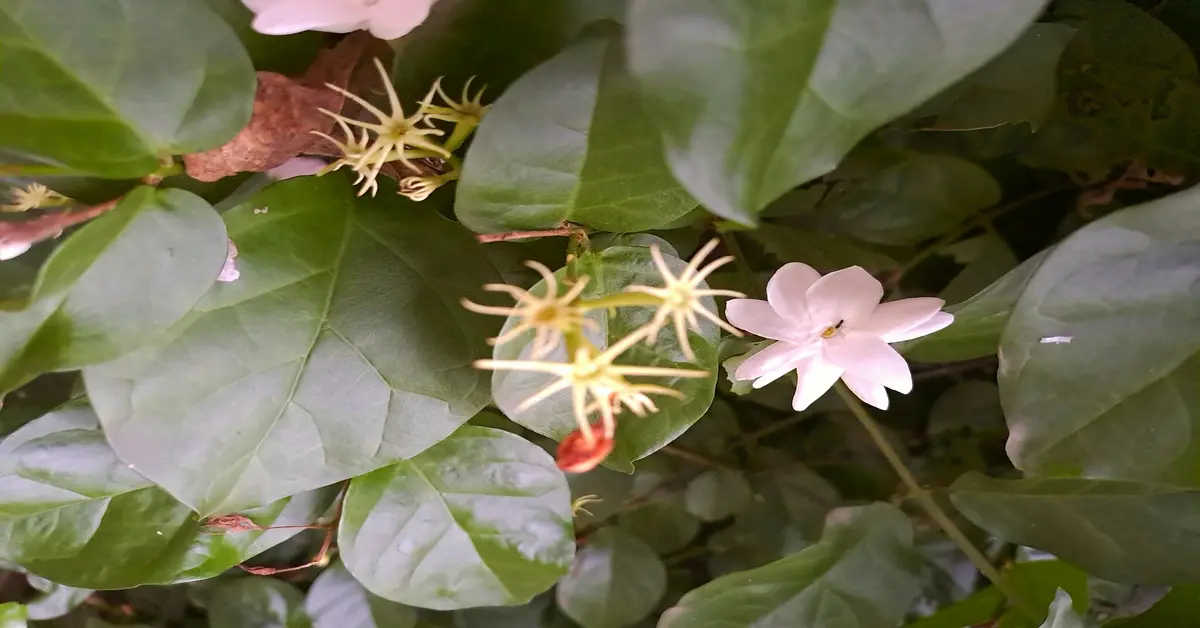
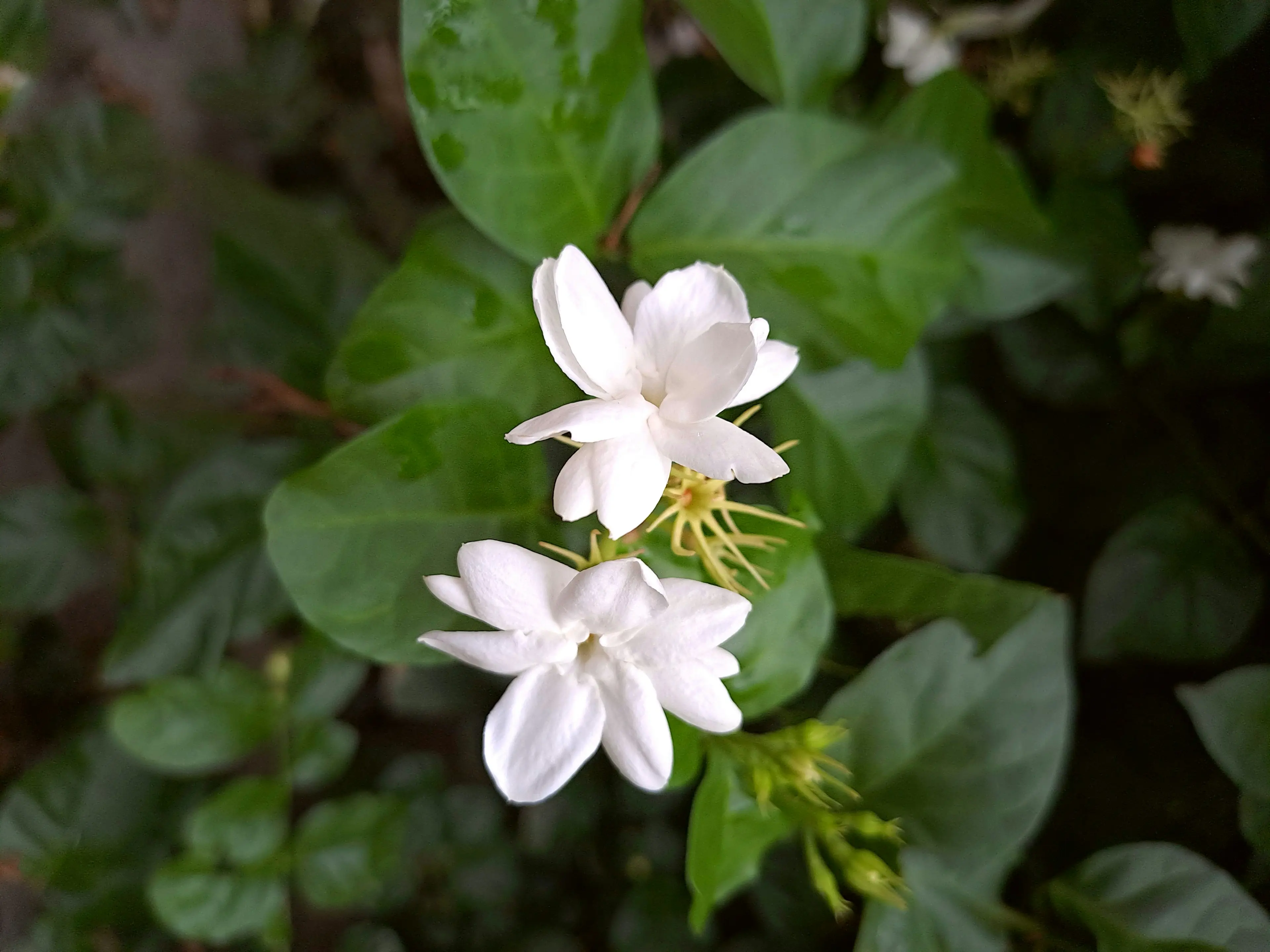
The enchanting fragrance of bloom jasmine is a sensory delight that captivates gardeners and enthusiasts alike. Known for its exquisite scent, especially after dusk, jasmine transforms any garden into a nocturnal paradise. But what exactly does it take to cultivate this aromatic wonder? Far from being a finicky plant, jasmine can thrive with the right care and attention. This comprehensive guide will delve deep into the world of bloom jasmine, providing you with all the knowledge needed to ensure your plant flourishes and blesses your surroundings with its intoxicating perfume. We’ll cover everything from selecting the right variety to mastering the art of pruning, ensuring your jasmine plant blooms profusely. Prepare to unlock the secrets behind a thriving, fragrant jasmine garden, enjoying the ethereal beauty and captivating scent that only a healthy jasmine plant can provide.
Understanding the nuances of jasmine care is crucial for maximizing its blooming potential. Many factors contribute to a vibrant display, from the quality of the soil to the amount of sunlight it receives. We’ll explore these elements in detail, offering practical tips and expert insights. Whether you’re a seasoned gardener or a complete novice, this guide is designed to empower you with the confidence to grow stunning bloom jasmine. Get ready to transform your outdoor space into a fragrant haven with the timeless elegance of jasmine.
Choosing the Right Variety for Your Bloom Jasmine Garden
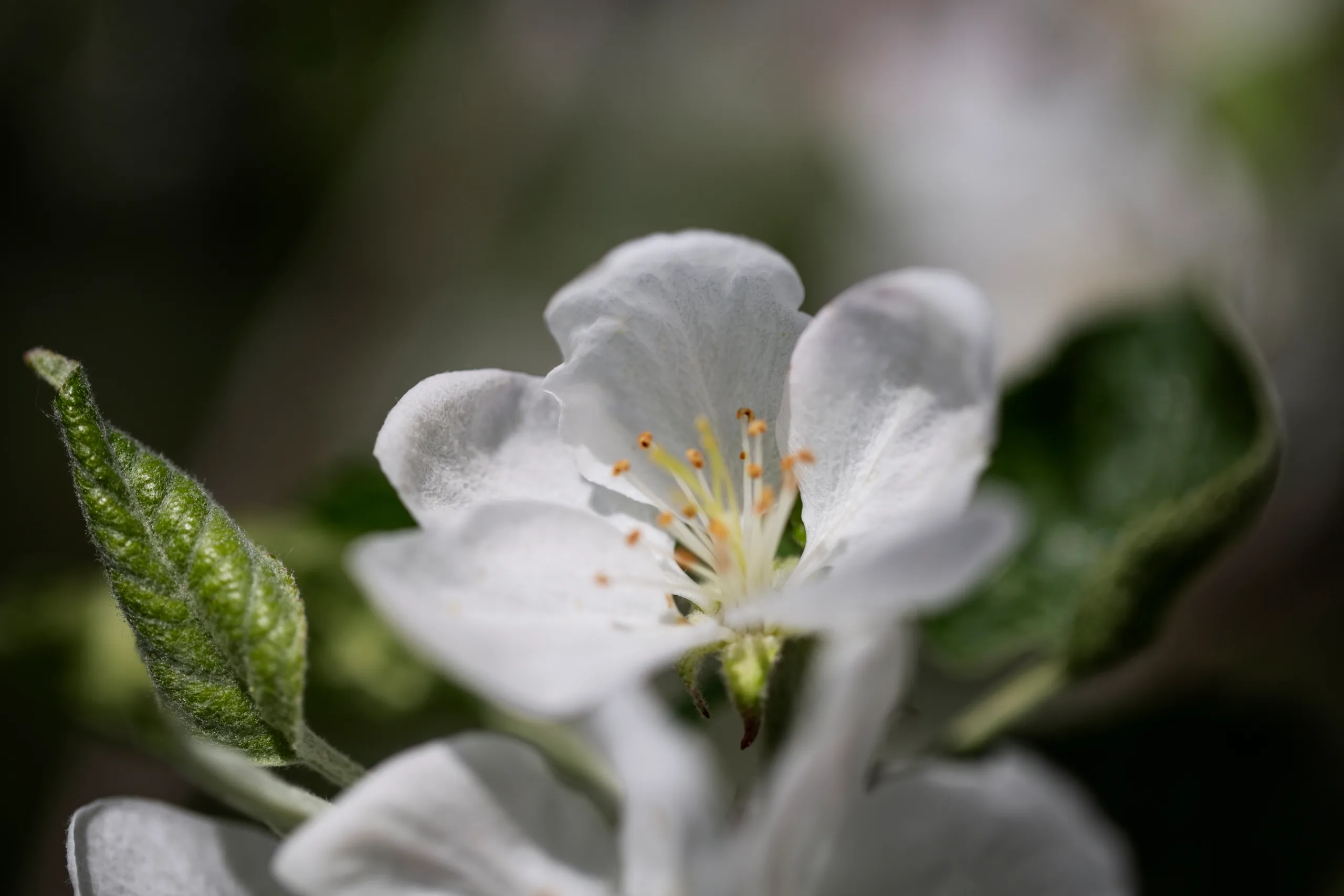
When it comes to selecting a variety for your bloom jasmine garden, the choices are abundant, each offering unique characteristics and growing requirements. The term ‘jasmine’ encompasses a vast family of plants, not all of which are true jasmines (Jasminum officinale) but are often referred to as such due to their similar fragrant blooms. For instance, the popular Confederate jasmine (Trachelospermum jasminoides) is not a true jasmine but is highly valued for its intense fragrance. Understanding these distinctions is key to choosing the best plant for your specific climate and gardening goals.
True jasmines belong to the Jasminum genus. Some of the most beloved true jasmines include common jasmine (Jasminum officinale), also known as poet’s jasmine, which is a vigorous climber with incredibly fragrant white flowers. Spanish jasmine (Jasminum grandiflorum) is another excellent choice, prized for its larger, equally fragrant blooms. For those in colder climates, winter jasmine (Jasminum nudiflorum) provides cheerful yellow flowers, though it lacks the classic jasmine fragrance. Additionally, the highly sought-after night blooming jasmine (Cestrum nocturnum) is celebrated for its incredibly potent fragrance that intensifies after sunset, making it a favorite for evening gardens.
Beyond true jasmines, several other plants bear the ‘jasmine’ moniker. Carolina jasmine (Gelsemium sempervirens) is a beautiful, evergreen vine with trumpet-shaped yellow flowers, though it’s important to note that it is poisonous if ingested. Madagascar jasmine (Stephanotis floribunda) is another stunning choice, often used in bridal bouquets for its waxy, fragrant white flowers. When making your selection, consider your USDA hardiness zone, available sunlight, and desired growth habit (bushy, climbing, or groundcover). Researching the specific needs of each variety will help you choose the perfect bloom jasmine to thrive in your garden and provide the delightful fragrance you seek.
Essential Soil and Sunlight Requirements for Bloom Jasmine
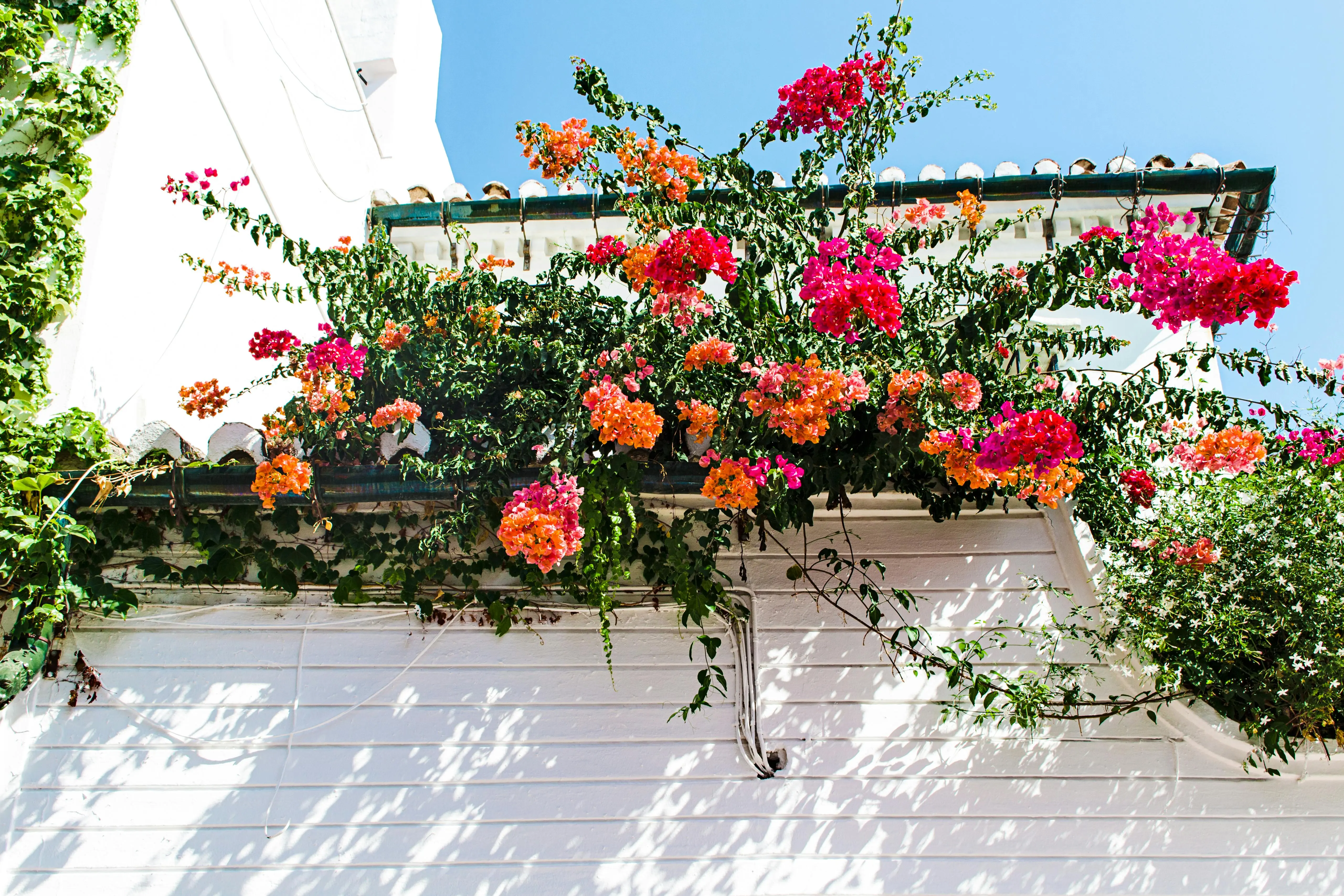
Achieving a spectacular display of bloom jasmine heavily relies on providing the ideal soil and sunlight conditions. These two factors are paramount to the plant’s overall health, vigor, and flowering potential. Jasmine plants, in general, prefer well-draining soil that is rich in organic matter. Heavy, compacted clay soils can lead to waterlogging, which is detrimental to the plant’s root system and can inhibit blooming. Conversely, overly sandy soils may not retain enough moisture or nutrients. The sweet spot is a loamy soil with a slightly acidic to neutral pH, typically between 6.0 and 7.0.
To prepare your soil for planting, incorporating compost or well-rotted manure is highly recommended. This improves soil structure, enhances drainage, and provides a slow release of essential nutrients. For potted jasmine, use a high-quality potting mix specifically formulated for flowering plants, ensuring it offers excellent drainage. Repotting every two to three years helps refresh the soil and provides more room for root growth.
Sunlight is another critical component for prolific bloom jasmine. Most jasmine varieties flourish in full sun to partial shade. This means they need at least 6-8 hours of direct sunlight per day to produce an abundance of flowers. In hotter climates, some afternoon shade can be beneficial to protect the plant from intense heat and prevent leaf scorch. However, too much shade will result in sparse flowering and leggy growth. For tropical varieties like night blooming jasmine plant, a spot that receives morning sun and afternoon shade is often ideal, as it provides the necessary light without exacerbating stress from extreme temperatures. Observing your plant’s response to sunlight is key; if it’s not blooming well, consider adjusting its sun exposure.
Watering and Fertilizing Practices for Optimal Bloom Jasmine
Proper watering and judicious fertilizing are crucial for promoting a lush and fragrant bloom jasmine. While jasmine appreciates consistent moisture, it abhors soggy feet. Overwatering is a common mistake that can lead to root rot and other fungal diseases, significantly impacting the plant’s ability to flower. The best approach is to water thoroughly when the top inch or two of soil feels dry to the touch. During hot, dry periods, this might mean watering daily, especially for container-grown plants. In cooler months or during periods of rain, watering frequency should be reduced. Always ensure that pots have adequate drainage holes to prevent water accumulation.
When it comes to fertilization, a balanced approach will yield the best results for your bloom jasmine. During the active growing season (spring and summer), feed your jasmine every 2-4 weeks with a balanced liquid fertilizer or a slow-release granular fertilizer. Look for a fertilizer with an N-P-K ratio like 10-10-10 or one specifically formulated for flowering plants, which might have a slightly higher phosphorus content to encourage blooms. Avoid fertilizers that are too high in nitrogen, as this will promote leafy growth at the expense of flowers.
For varieties like the night blooming jasmine plant, consistent feeding during its growing phase is particularly important to support its vigorous flowering. Reduce fertilization in the late fall and winter when the plant’s growth naturally slows down. Organic options like diluted fish emulsion or compost tea can also be beneficial, enriching the soil and providing a gentle nutrient boost. Always follow the manufacturer’s instructions for fertilizer application to avoid over-fertilizing, which can burn roots and damage the plant. Observing your plant’s growth and bloom production will help you fine-tune your watering and fertilizing regimen for optimal results.

Pruning Techniques to Encourage More Bloom Jasmine
Pruning is an indispensable practice for encouraging abundant bloom jasmine and maintaining a healthy, attractive plant. Without proper pruning, jasmine can become leggy, tangled, and produce fewer flowers. The best time to prune most jasmine varieties is immediately after they have finished flowering. Pruning at this time allows the plant to set new growth and buds for the following season without sacrificing current blooms. For early spring bloomers, this typically means late spring to early summer. For those that bloom in summer or fall, prune in late fall after flowering ceases, or in early spring before new growth begins.
The objectives of pruning are threefold: to maintain desired size and shape, to remove dead or damaged branches, and to stimulate new growth that will produce more flowers. Start by removing any dead, diseased, or crossing branches. These not only detract from the plant’s appearance but can also harbor pests and diseases. Next, tackle any weak or spindly stems, as these are unlikely to produce vigorous blooms. For climbing varieties, selectively thin out overly dense growth to improve air circulation and allow light to penetrate the plant’s interior.
To encourage bushier growth and more flowers, cut back individual stems by about one-third to one-half their length. Make your cuts just above a node (where a leaf or branch emerges) or a lateral branch. This promotes branching and prepares the plant for a spectacular display of bloom jasmine. For especially overgrown plants, a more drastic rejuvenation prune, where you cut back significant portions of the plant, can be performed every few years. Even the highly fragrant night blooming jasmine benefits from regular pruning to manage its size and maximize its intoxicating floral output. Always use sharp, clean pruning shears to make clean cuts and prevent the spread of diseases.
Pest and Disease Management for Healthy Bloom Jasmine
Maintaining the health of your bloom jasmine requires vigilance against common pests and diseases. While jasmine is generally resilient, it can occasionally fall prey to issues that compromise its vitality and blooming potential. Early detection and prompt intervention are crucial for effective management. A healthy plant, grown in optimal conditions, is always more resistant to pests and diseases.
Common pests that affect jasmine include aphids, mealybugs, spider mites, and whiteflies. These tiny insects feed on plant sap, leading to stunted growth, yellowing leaves, and reduced flowering. Regularly inspecting your plant, especially the undersides of leaves, can help you catch infestations early. For minor outbreaks, a strong spray of water can dislodge pests. For more persistent problems, insecticidal soaps or neem oil are effective and environmentally friendly options. Repeat applications may be necessary to break pest life cycles. Avoid broad-spectrum chemical pesticides, which can harm beneficial insects and pollinators.
Regarding diseases, fungal issues like powdery mildew and rust can occasionally affect bloom jasmine, especially in humid conditions or when air circulation is poor. Powdery mildew appears as white, powdery patches on leaves and stems, while rust manifests as orange or brown spots. Ensuring adequate spacing between plants, pruning for good air circulation, and avoiding overhead watering can help prevent these fungal problems. If an infection occurs, remove affected plant parts and apply a fungicide if necessary. Root rot, often caused by overwatering, is another significant threat. Always ensure excellent drainage and water appropriately.
For a vigorous night blooming jasmine plant, specific attention to pest and disease management can ensure its legendary fragrance is never diminished. By maintaining good cultural practices, regularly inspecting your plants, and acting quickly at the first sign of trouble, you can ensure your jasmine remains healthy, vibrant, and continues to produce its spectacular blooms year after year.
FAQs About Cultivating Bloom Jasmine
What is the best time of year to plant bloom jasmine?
The best time to plant most varieties of bloom jasmine is in spring or early autumn. This allows the plant to establish its root system before the extremes of summer heat or winter cold. For tropical varieties, planting in spring after the last frost is ideal, ensuring warm temperatures for initial growth.
How much sunlight does night blooming jasmine plant need?
The night blooming jasmine plant (Cestrum nocturnum) thrives in full sun to partial shade. This typically means 4-6 hours of direct sunlight daily, with some protection from the intense afternoon sun, especially in hot climates. Too little sun can result in fewer flowers and a less potent fragrance.
Why is my bloom jasmine not flowering?
Several factors can cause your bloom jasmine to not flower. Common reasons include insufficient sunlight, poor soil fertility (too much nitrogen, not enough phosphorus), improper pruning (pruning at the wrong time), overwatering or underwatering, and nutrient deficiencies. Ensure all cultural requirements are met for optimal blooming.
Can bloom jasmine be grown in containers?
Yes, many varieties of bloom jasmine, especially the compact ones, grow very well in containers. When growing in pots, ensure the container has excellent drainage, use a high-quality potting mix, and be prepared for more frequent watering and fertilizing than ground-planted jasmine. Repotting every few years is also beneficial.
How do I protect my bloom jasmine during winter?
Protecting your bloom jasmine during winter depends on your climate and the jasmine variety. In colder zones, tender varieties may need to be brought indoors or provided with heavy mulching for insulation. Hardier varieties might only require protection from harsh winds and a reduction in watering during dormancy.
Embrace the Enchanting World of Bloom Jasmine
Cultivating a thriving bloom jasmine is a deeply rewarding experience, filling your garden with an intoxicating fragrance that truly comes alive after dusk. By understanding and implementing the care practices outlined in this guide, you are well on your way to enjoying a spectacular display of these beautiful and aromatic plants. From selecting the perfect variety to mastering the nuances of soil, sunlight, water, and pruning, every step contributes to the vigor and floral abundance of your jasmine.
Remember that patience and observation are key. Each plant is a living entity with its own subtle needs. Pay attention to its leaves, its growth patterns, and its flowering habits. If your night blooming jasmine plant isn’t producing as many flowers as you’d like, revisit its environmental conditions and care regimen. Small adjustments can often lead to significant improvements. Embrace the journey of gardening, and allow the enchanting beauty and unparalleled fragrance of bloom jasmine to transform your outdoor space into a sanctuary of peace and sensory delight. Start nurturing your jasmine today and prepare to be mesmerized by its captivating charm.