
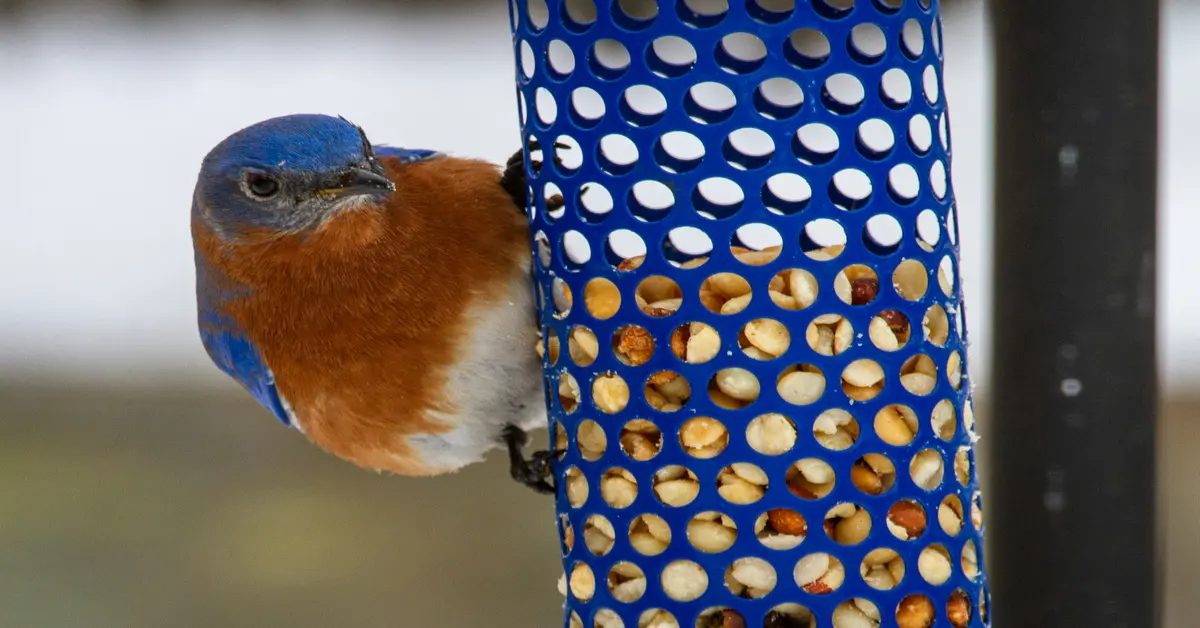
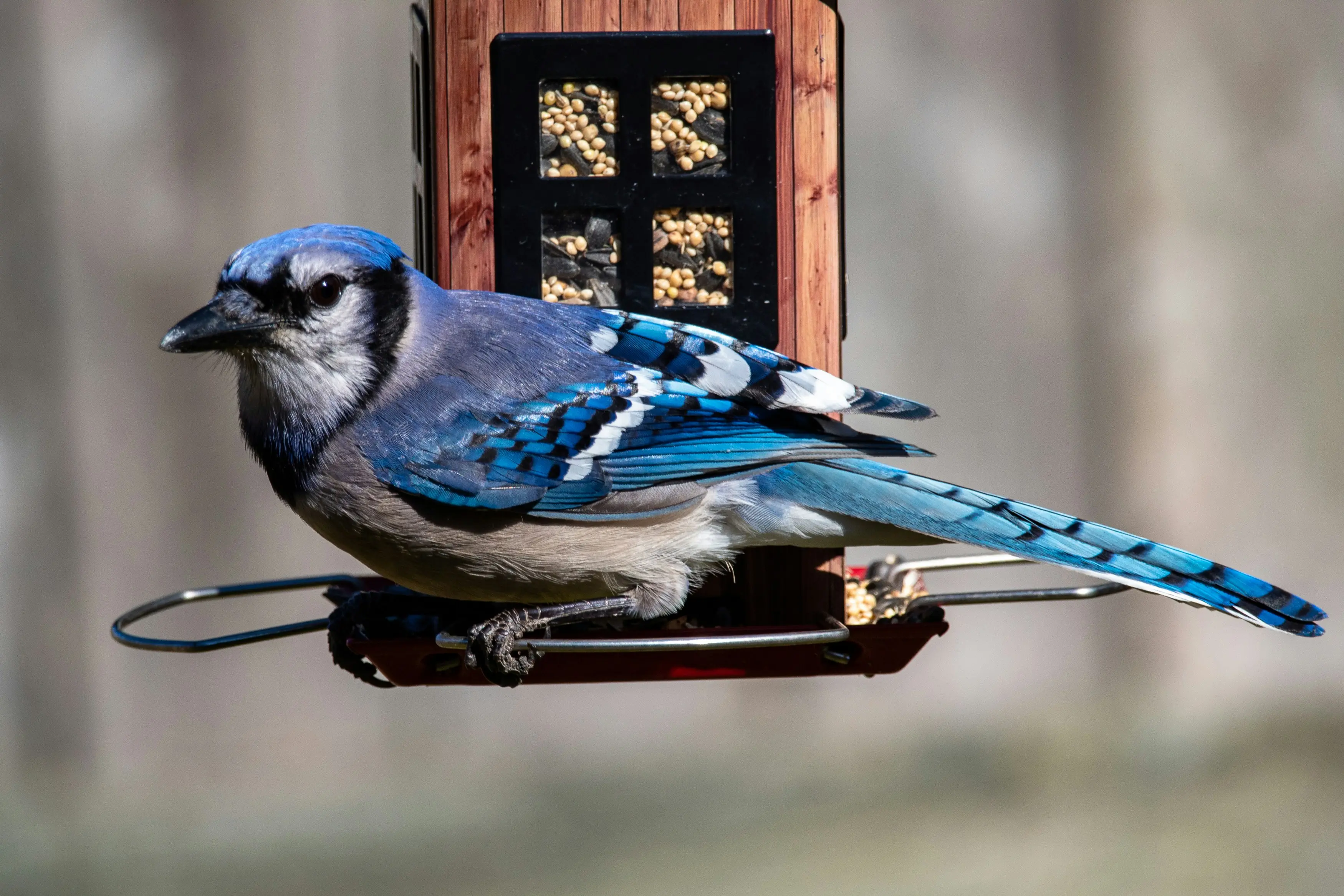
A blue feeder is more than just a place to offer sustenance; it’s a gateway to bringing vibrant, captivating bluebirds into your garden. These stunning avian jewels, with their brilliant plumage and melodious songs, are a delight to observe. Attracting them requires a thoughtful approach, focusing on their specific dietary needs and preferences. While many bird feeders exist, selecting one specifically designed with bluebirds in mind can dramatically increase your chances of welcoming them into your outdoor space. Understanding what makes a bluebird feeder effective, from its design to the types of food it holds, is crucial for any bird enthusiast hoping to create a thriving bluebird haven. We’ll delve into the nuances of bluebird attraction, exploring essential elements like food choices – including the beloved mealworms – and feeder styles that cater to these unique birds.
Bluebirds, unlike many common backyard birds, are primarily insectivores, especially during breeding season. This means their dietary requirements differ significantly from seed-eating species. A specialized blue bird feeder will often accommodate these preferences, typically offering features that make it easy for bluebirds to access their preferred foods while discouraging larger, more boisterous birds. Beyond the feeder itself, providing a suitable environment with water sources, nesting boxes, and native plantings can further entice these desirable visitors. Our aim is to equip you with the knowledge to select and maintain the perfect bluebird feeder, transforming your yard into an irresistible sanctuary for these beautiful creatures. Get ready to enjoy the unparalleled beauty and charm that bluebirds bring to any outdoor setting with the right feeder strategy.
Choosing the Right Blue Bird Feeder Design
The design of your blue bird feeder is paramount to its success. Bluebirds have specific perching and feeding habits that differ from other backyard birds. They prefer open spaces and are not typically comfortable with feeders that require intricate maneuvering or offer limited visibility. Look for feeders that provide ample perching space, often with a tray or platform design. This allows them to land easily, survey their surroundings, and feed comfortably. Materials also play a significant role; durable, weather-resistant options like recycled plastic, cedar, or poly lumber are excellent choices. These materials can withstand the elements and provide a long-lasting feeding station.
Consider feeders with clear roofs or covers. These not only protect the food from rain and snow, keeping it fresh and appealing, but also offer bluebirds a sense of security from above. The size of the feeding ports or openings is also important. Bluebirds have delicate beaks and feed by picking at food rather than cracking seeds. Feeders designed for mealworms, for instance, often have small mesh trays or cups that are perfect for holding live or dried mealworms. Avoid feeders with small, narrow perches or those designed primarily for small seeds, as these are less appealing to bluebirds. Some feeders even feature entrance holes that are specifically sized to allow bluebirds in while deterring larger starlings or grackles, though these are more common for nesting boxes. Ultimately, the best blue bird feeder will offer accessibility, protection, and a comfortable feeding experience tailored to these charming birds.
Platform and Tray Feeders
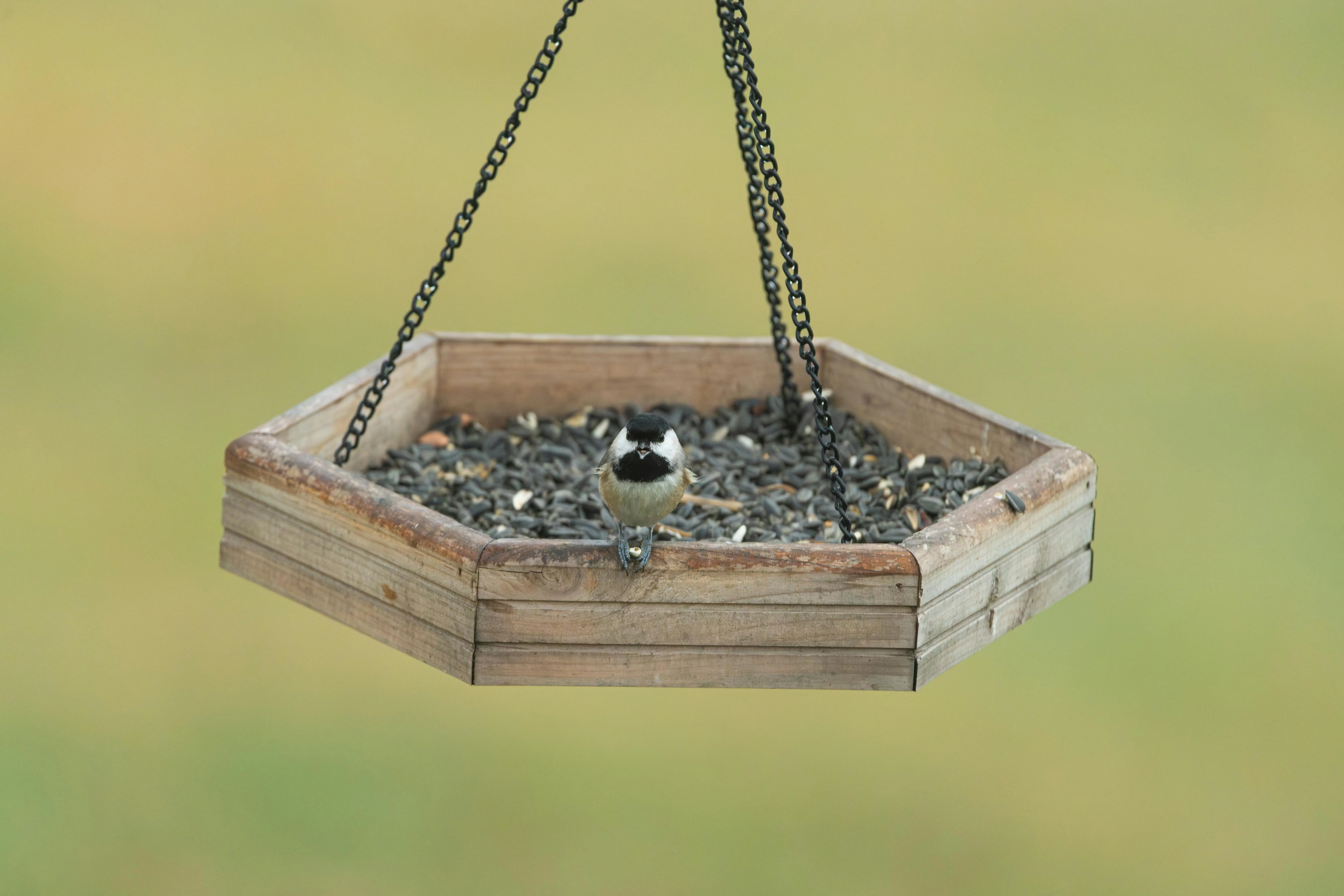
Platform and tray feeders are ideal for bluebirds because they mimic their natural foraging behavior. Bluebirds often forage on the ground or from open perches, and these feeders provide a similar, spacious feeding surface. They allow bluebirds to easily land, walk around, and select their desired food without feeling confined. Look for platforms with slightly raised edges to prevent food from spilling out while still offering easy access. Drainage holes are a must to prevent water accumulation and keep food dry and fresh. These feeders are versatile and can hold a variety of bluebird favorites, including mealworms, suet pellets, and fruit pieces. Placing these feeders in an open area, perhaps mounted on a pole or hanging from a sturdy branch, will make them even more attractive.
Hopper Feeders with Large Openings
While traditional Hopper feeders are often associated with seeds, those with larger, more open feeding trays can also serve as effective blue bird feeder options. The key is to ensure the opening at the bottom is wide enough for bluebirds to comfortably access their food, particularly if you’re offering larger items like suet pellets or dried mealworms. Some hopper feeders come with removable screen trays specifically designed for insect-based foods. The advantage of a hopper design is its ability to hold a larger quantity of food, reducing the frequency of refills. However, ensure the material is transparent enough or has clear sides so bluebirds can easily spot the food. Again, a protective roof is crucial to keep the contents dry and minimize waste.
The Best Bird Food for Bluebirds
Attracting bluebirds successfully heavily relies on providing the right type of food. Unlike many common backyard birds that primarily feast on seeds, bluebirds are insectivores, with insects forming the bulk of their diet, especially during nesting season. Understanding this dietary preference is key to choosing the best bird food for bluebirds. Supplying appealing food sources will make your blue bird feeder an irresistible destination. While they may occasionally sample berries or softened fruit, their true culinary delight lies in protein-rich options.
The most effective strategy involves offering foods that closely mimic their natural diet. This means thinking beyond traditional birdseed mixes. When planning your bluebird menu, prioritize live or dried mealworms, suet pellets, and certain types of fruit. Offering a variety of these preferred foods will not only attract bluebirds but also encourage them to become regular visitors to your feeder. Remember, consistency is important; once bluebirds discover a reliable food source, they are more likely to return.
Mealworm Feeders: A Bluebird’s Delicacy
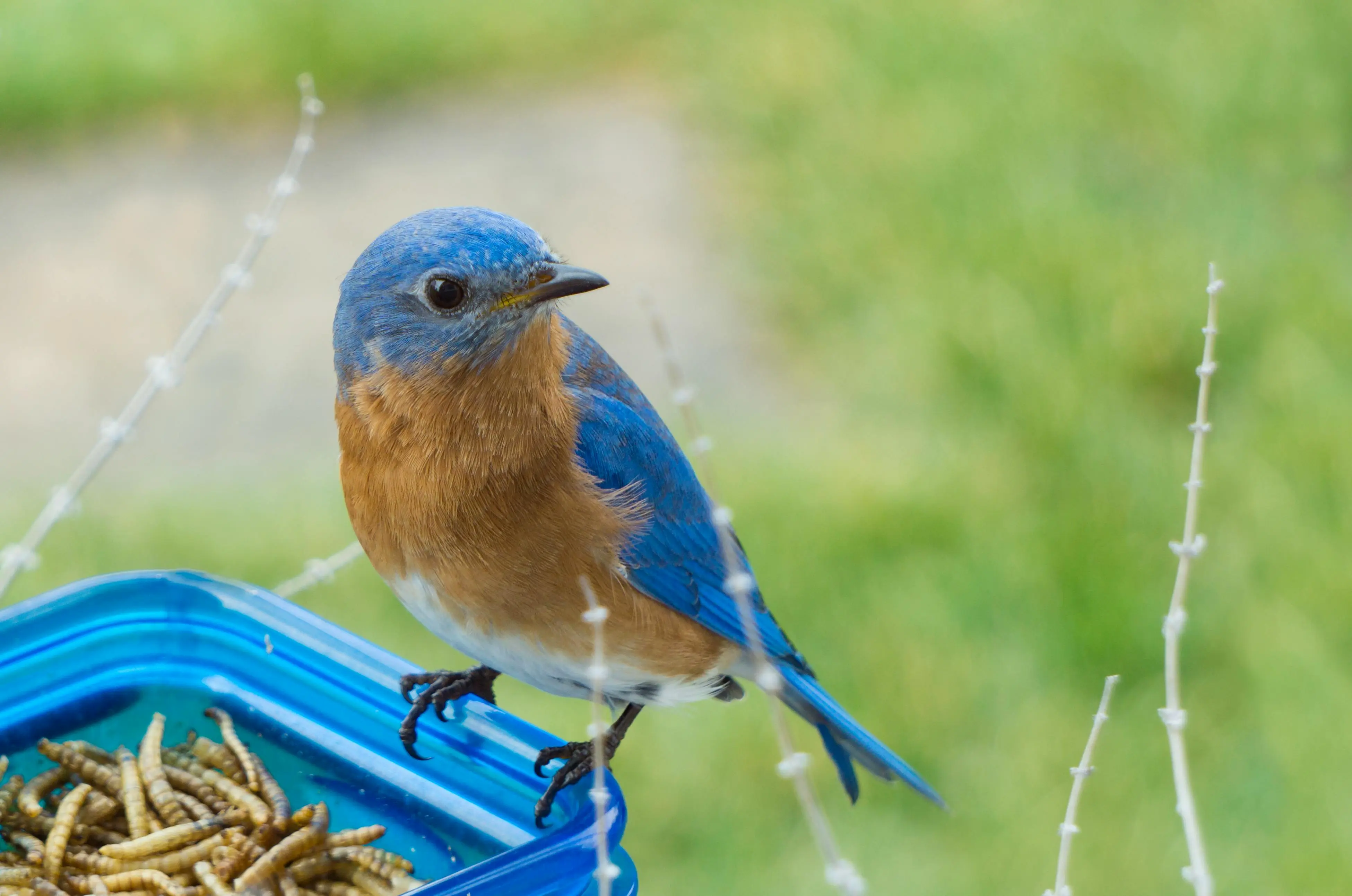
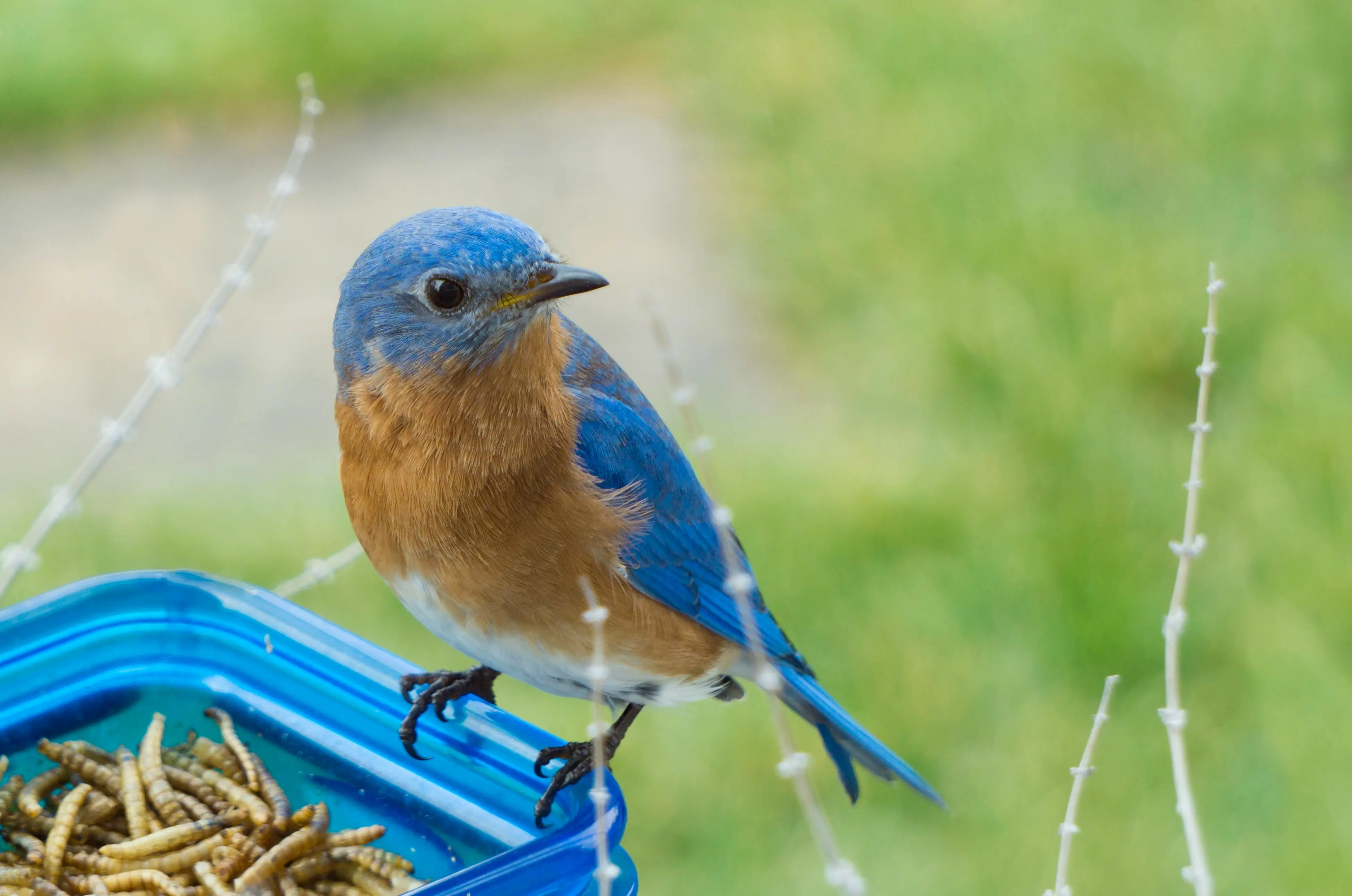
Mealworm feeders are an absolute game-changer when it comes to attracting bluebirds. Mealworms, both live and dried, are an unparalleled favorite for these birds due to their high protein content and ease of consumption. Live mealworms are often irresistible, especially during breeding season when adult bluebirds are frantically searching for protein-rich food for their young. A dedicated mealworm feeder typically features a specialized design, such as low-sided dishes, mesh trays, or feeders with small openings that deter larger birds but allow bluebirds easy access. These feeders are often covered to keep the mealworms dry and prevent them from escaping. If using live mealworms, introduce them gradually, perhaps starting with a small amount in a shallow dish, and remember to replace them daily, especially in warm weather.
For those who prefer a less fuss-prone option, dried mealworms are also highly effective. While they lack the movement of live mealworms, many bluebirds readily accept them, especially if rehydrated slightly by soaking them in warm water for a few minutes before offering. Dried mealworm feeders are often simpler, essentially being shallow trays or cups. Position your mealworm feeders strategically – in an open, visible spot but near some cover, allowing bluebirds to feel secure while feeding. Consistency in refilling mealworm feeders will quickly teach bluebirds that your blue bird feeder is a reliable bistro for their favorite treat.
Suet Pellets and Crumbles
While traditional suet cakes are mainly for clingers, specially formulated suet pellets and crumbles are excellent for bluebirds. These small, bite-sized pieces are easy for bluebirds to pick up and carry, making them ideal for feeding young or for a quick energy boost. Look for suet products specifically designed for insect-eating birds, often containing dried mealworms or other insect inclusions. These can be offered in mesh feeders, shallow trays, or even mixed in with dried mealworms. Suet provides essential fats and calories, especially beneficial during colder months or periods of high energy demand. Ensure the suet is fresh and replace it regularly to prevent spoilage, particularly in hot weather.
Fruit and Berries
Though insects are their primary food, bluebirds will also readily consume certain fruits and berries, especially during the fall and winter when insect populations decline. Offering small pieces of apple, orange, or berries like blueberries or raspberries can attract them. Some bird supply stores sell dried fruit mixes specifically for bluebirds. These can be placed in tray feeders or on platform feeders. Remember to remove any uneaten fruit promptly to prevent mold or attracting unwanted pests. Natural fruit sources from native plants in your garden, such as dogwood, holly, or sumac, also provide an excellent supplemental food source for bluebirds.
Optimal Placement for Your Blue Bird Feeder
The location of your blue bird feeder is just as crucial as its design and the food it offers. Bluebirds are somewhat shy and prefer open areas with nearby perches and cover, allowing them to feel safe and observe their surroundings while feeding. Poor placement can deter them, no matter how attractive your feeder or sumptuous your offerings. Carefully considering these factors will significantly increase your chances of attracting these beautiful birds to your garden.
Think about both visibility for the birds and protection from predators. An ideal spot will combine easy access for bluebirds with a sense of security. Avoid placing feeders too close to dense shrubbery where predators might hide, but also not in the middle of a completely exposed lawn where bluebirds might feel too vulnerable. The balance between open space and nearby cover is key to creating an inviting bluebird environment.
Open Areas with Nearby Perches
Bluebirds prefer to feed in open areas where they have a clear line of sight, allowing them to spot potential threats. Place your blue bird feeder in a relatively open spot in your yard, perhaps 15-20 feet away from large trees or shrubs. However, it’s vital to have some form of a perch nearby – a tree branch, a clothesline, or even a shepherd’s hook – where they can land first, survey the feeder, and then descend to feed. This perching spot provides a sense of security and a staging area before they commit to feeding. Avoid areas with heavy foot traffic or excessive noise, as bluebirds are sensitive to disturbance. A quiet, semi-secluded spot will be most appealing.
Protection from Predators
Predator protection is paramount for bluebirds. Cats, hawks, and squirrels can all pose a threat. While you want open space, avoid placing the feeder directly under dense cover where a hawk could launch a surprise attack. Consider squirrel baffles on poles or hanging feeders to deter these agile rodents, who can quickly empty a feeder and scare off birds. Position your blue bird feeder high enough off the ground (at least 5-6 feet) to deter ground predators. If possible, choose a location where you can observe the feeder from a window, allowing you to monitor activity and spot any potential problems early on. A well-placed feeder offers bluebirds both food and a sense of safety.
Water Source Proximity
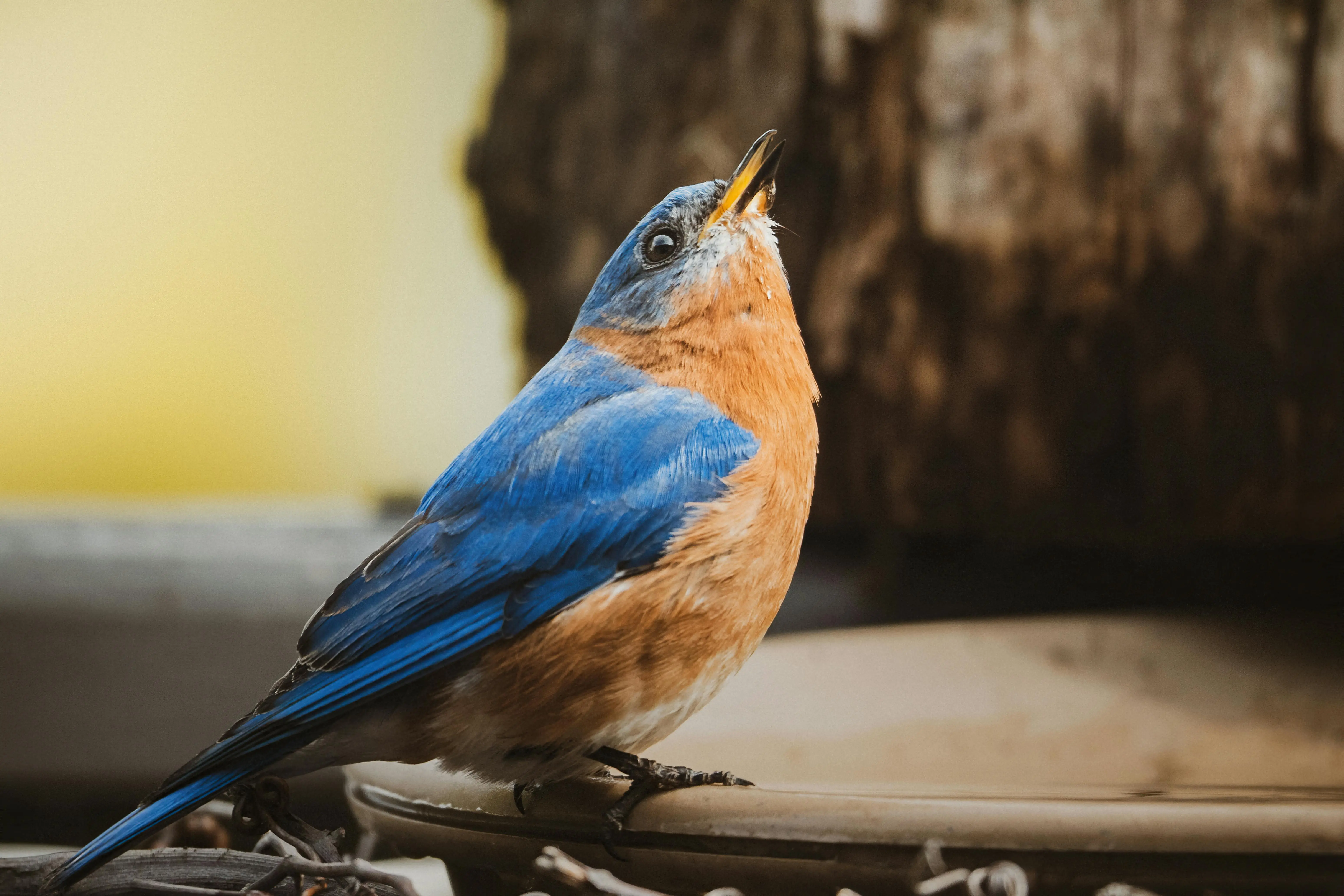
Beyond food, water is an essential resource for all birds, including bluebirds. Providing a fresh, clean water source near your blue bird feeder can significantly enhance its attractiveness. Bluebirds need water for drinking and bathing, and a bird bath placed within a reasonable distance (say, 10-20 feet) of the feeder will create a comprehensive sanctuary. A bird bath with a shallow basin and a gentle slope is ideal. Consider adding a dripper or a wiggler to create movement in the water, as the shimmer and sound can be particularly appealing to birds. Keeping the water clean and fresh daily is crucial to prevent the spread of diseases and encourage regular visits. The combination of food and water can make your yard an irresistible spot for bluebirds throughout the year.
Maintenance and Troubleshooting Your Blue Bird Feeder
Maintaining your blue bird feeder is just as important as selecting the right one and filling it with appropriate food. A dirty or poorly maintained feeder can quickly become a health hazard for birds, potentially spreading diseases and ultimately deterring your avian visitors. Regular cleaning, monitoring for pests, and addressing common issues will ensure your feeder remains a safe and attractive food source for bluebirds. Ignoring maintenance can lead to spoiled food, unwelcome guests, and a decline in bluebird activity, counteracting all your efforts to attract them.
Proper feeder hygiene is not just about aesthetics; it’s a critical component of responsible bird feeding. By keeping your feeder sparkling clean and addressing problems proactively, you contribute to the health and well-being of the birds in your garden. This proactive approach will help you enjoy the beauty of bluebirds without inadvertently causing them harm. Be vigilant and consistent in your efforts to maintain an inviting and healthy feeding station.
Regular Cleaning and Hygiene
Consistent cleaning is vital for any bird feeder, but especially for those offering moist foods like mealworms or fruit. Food can spoil quickly, leading to mold and bacteria growth, which can be harmful to bluebirds. Aim to clean your blue bird feeder every week, or even more frequently during hot, humid weather or if you notice spoilage. Disassemble the feeder as much as possible and wash all parts thoroughly with a solution of nine parts water to one part bleach. Rinse all components completely with clean water and allow them to air dry fully before refilling with fresh food. For mealworm feeders, ensure no live mealworms remain trapped, as they can decompose. This routine cleaning prevents the spread of avian diseases and keeps the feeder appealing to bluebirds.
Deterring Pests and Other Birds
While you want to attract bluebirds, you might also have to contend with unwanted visitors like squirrels, starlings, or even raccoons. Squirrel baffles on poles or above hanging feeders are effective deterrents. For starlings and other larger, more aggressive birds, consider feeders with specific entrance hole sizes (if applicable) or cages that allow bluebirds in but exclude bigger birds. Some mealworm feeders have small openings that bluebirds can navigate but starlings cannot. Position the feeder away from easy jumping-off points for squirrels. If raccoons or other nocturnal pests are an issue, consider bringing the feeder in at night. Vigilance and a proactive approach to pest control will ensure your blue bird feeder remains primarily for its intended avian guests.
Seasonal Adjustments for Your Blue Bird Feeder
Your blue bird feeder strategy might need slight adjustments depending on the season. In spring and summer, when bluebirds are nesting and raising young, their protein needs are highest. This is when live mealworms are most effective. During fall, bluebirds might be more interested in berries and fruits as they prepare for migration or winter. In winter, with insect availability low, suet pellets and dried mealworms become crucial high-energy sources. During particularly harsh winter weather, ensure your feeders are accessible and consider offering food more frequently. Keep a fresh, unfrozen water source available year-round. These seasonal adjustments ensure your blue bird feeder consistently meets the evolving needs of its visitors, keeping them coming back throughout the year.
Expanding Your Bluebird Habitat Beyond the Feeder
While a blue bird feeder is an excellent starting point for attracting these beautiful birds, creating a comprehensive bluebird habitat involves more than just a food source. To truly encourage bluebirds to settle, nest, and thrive in your yard, you need to think holistically about their needs. This includes providing suitable nesting sites, a diverse array of native plants, and a safe, pesticide-free environment. A well-rounded approach ensures that not only will bluebirds visit your feeder, but they will also consider your yard a permanent home, rewarding you with their presence throughout the seasons. Moving beyond mere feeding transforms your garden into a genuine bluebird sanctuary, fostering their health and populations.
Providing Nesting Boxes
Bluebirds are cavity nesters, and the availability of suitable nesting sites is a primary factor in attracting them to breed in your area. Installing bluebird-specific nesting boxes is a highly effective way to encourage them to stay. Look for boxes with precise entrance hole diameters (typically 1 1/2 inches for Eastern Bluebirds) to deter larger birds like starlings. Ensure boxes are made of durable, untreated wood and have ventilation holes and drainage. Mount them on a pole with a predator baffle, facing an open area, away from dense woods. Place boxes at least 100 yards apart if you plan on multiple boxes to account for territoriality. Regular monitoring for wasps or other unwanted occupants is also important. A well-placed and maintained nesting box can lead to multiple broods of bluebirds in your yard each year.
Native Plants for Food and Shelter
Supplementing your blue bird feeder with native plants provides natural food sources and shelter, creating a more self-sustaining habitat. Bluebirds consume a variety of berries, including those from native plants like dogwood, sumac, holly, juniper, and wild grape. Planting these species offers a consistent food supply, especially during fall and winter when insects are scarce. Furthermore, native plants support a healthy insect population, which is the primary food source for bluebirds, particularly during breeding season. Choose shrubs and small trees that offer protective cover for bluebirds to perch and hide from predators. A diverse landscape with native flora will not only attract bluebirds but also contribute to a healthier ecosystem in your garden.
Pesticide-Free Environment
Perhaps one of the most critical steps in creating a bluebird-friendly habitat is to eliminate the use of pesticides and herbicides in your yard. As insectivores, bluebirds rely heavily on insects for survival, especially when feeding their young. Pesticides reduce their food supply and can be directly toxic if ingested. Herbicides destroy natural vegetation, which in turn reduces insect populations. Embrace organic gardening practices and allow some areas of your yard to be a little wilder, providing habitat for beneficial insects. A pesticide-free environment ensures a safe and abundant food source, making your garden a true haven for bluebirds and countless other beneficial wildlife.
The Joy of Attracting Bluebirds with Your Blue Bird Feeder
Investing in a blue bird feeder and understanding the specific needs of these stunning birds is an incredibly rewarding endeavor. The sight of a male bluebird’s brilliant azure plumage against the green of your garden, or the delicate chirps of a family of bluebirds at your feeder, brings a unique joy and connection to nature. By carefully selecting the right feeder, knowing the best bird food for bluebirds, and placing it strategically, you are taking significant steps to invite these captivating creatures into your daily life. Moreover, by expanding your efforts to include nesting boxes, native plantings, and a pesticide-free environment, you’re not just attracting bluebirds; you’re actively contributing to their conservation and creating a vibrant, thriving ecosystem in your own backyard.
Remember that patience is key. It may take some time for bluebirds to discover your offerings and become regular visitors, but with consistent effort and a thoughtful approach, your blue bird feeder will soon be a bustling hub of bluebird activity. The beauty, grace, and melodious songs they bring are an incomparable reward for your dedication. Embrace the journey of creating a bluebird haven, and prepare to be enchanted by the natural wonder that unfolds right outside your window. Your efforts will not only enrich your life but also provide vital support for these cherished bird species.
FAQ About Blue Bird Feeder Setup
Does a blue bird feeder need to be a specific color?
While bluebirds are named for their color, the feeder itself doesn’t strictly need to be blue. Bluebirds are primarily attracted by the food you offer, its accessibility, and the feeder’s placement. Many successful bluebird feeders are made of natural wood tones or recycled plastic in green or brown. However, some anecdotal evidence suggests that a blue feeder might subtly catch their eye, but it’s not a primary attractant. Focus more on feeder design, food, and location.
What attracts bluebirds more, live or dried mealworms?
Live mealworms are generally more attractive to bluebirds, especially during the nesting season. Their movement mimics natural prey, making them highly appealing. However, many bluebirds will readily eat dried mealworms, particularly if rehydrated. If you’re just starting, dried mealworms are easier to handle and store. You can gradually introduce live mealworms once bluebirds are regular visitors.
How high should I place my blue bird feeder?
It’s generally recommended to place your blue bird feeder about 5 to 6 feet off the ground. This height makes it easily accessible for bluebirds while also providing some protection from ground predators like cats. If mounted on a pole, ensure it has a squirrel baffle to prevent unwanted visitors from climbing up to the food.
Can a blue bird feeder also attract other birds?
Yes, while a blue bird feeder is designed with specific attributes to appeal to bluebirds, other birds might also visit, especially if you’re offering general bird food. Birds like chickadees, titmice, wrens, and even orioles might be attracted to mealworms or suet. To deter larger, more aggressive birds like starlings, consider feeders with specific entrance designs or cage surrounds that bluebirds can access but larger birds cannot.
How long does it take to attract bluebirds to a new feeder?
Patience is key! It can take anywhere from a few days to several weeks, or even months, for bluebirds to discover a new feeder and become regular visitors. Factors include your location, existing bluebird populations, and the quality of your offerings. Consistency in refilling the feeder, keeping it clean, and ensuring suitable habitat (like nearby perches and water) will greatly increase your chances of success.