
Attracting beautiful bluebirds to your backyard is a rewarding experience, and one of the most effective ways to do so is by offering their favorite treat: mealworms. However, simply putting out mealworms won’t guarantee success. The right feeder makes all the difference, ensuring the mealworms stay fresh, are accessible to bluebirds, and deter unwanted visitors. This comprehensive guide will delve into everything you need to know about bluebird blue-bird-feeders/”>feeders for mealworms, from understanding their unique needs to selecting the perfect feeder design. We’ll explore various types of feeders, discuss key features to look for, and provide practical tips for placement and maintenance, ensuring your bluebird sanctuary thrives with these vibrant feathered friends. Get ready to transform your garden into a bluebird haven by mastering the art of mealworm feeding.
Bluebirds are insectivores, meaning their primary diet consists of insects, and mealworms are a highly nutritious and appealing supplement, especially during breeding season or colder months when natural insect populations decline. Providing an accessible and consistent food source like mealworms can significantly increase your chances of attracting and retaining bluebird families. But it’s not just about the food; the feeder itself plays a crucial role in the success of your bluebird feeding efforts. An improperly designed feeder can lead to wasted mealworms, frustrated bluebirds, and the attraction of less desirable species. We’ll cover the nuances of creating an inviting and safe feeding environment for these beloved birds.
Understanding Bluebird Feeding Habits and Preferences
Bluebirds possess distinct feeding habits that inform the best design for bluebird feeders for mealworms. Unlike many common backyard birds that readily perch on small feeders, bluebirds prefer a more open, often ground-level, or tray-style feeding experience. Their foraging style involves scanning for insects from a perch and then swooping down to retrieve their prey. When it comes to mealworms, they appreciate feeders that allow for easy access without feeling trapped or vulnerable. This preference for open access is a critical consideration when choosing a feeder. Furthermore, bluebirds are relatively shy birds, and a feeder that offers some protection from predators and allows them to feel secure while feeding will be more successful.
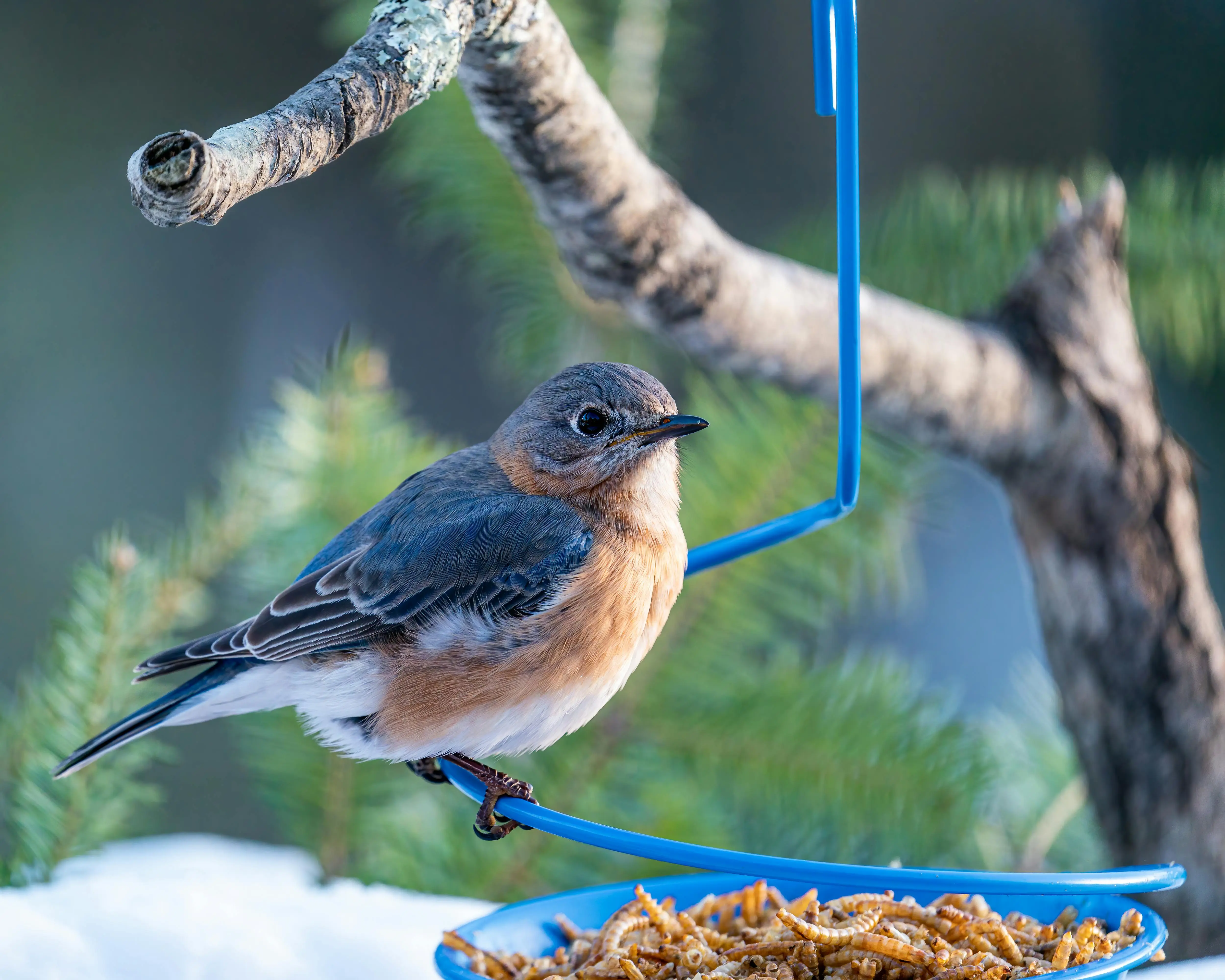
Another important aspect of their diet is the type of mealworm. While live mealworms are generally preferred for their nutritional value and attractiveness, dried mealworms can also be offered, particularly when live options are unavailable or inconvenient. If you opt for dried mealworms, rehydrating them slightly can make them more palatable. The feeder design should accommodate either live or dried mealworms, ensuring they remain contained and accessible. Consider feeders with shallow trays or dishes for live mealworms, as they tend to crawl and escape from deeper containers. For dried mealworms, a feeder with small drainage holes can prevent water accumulation and spoilage.
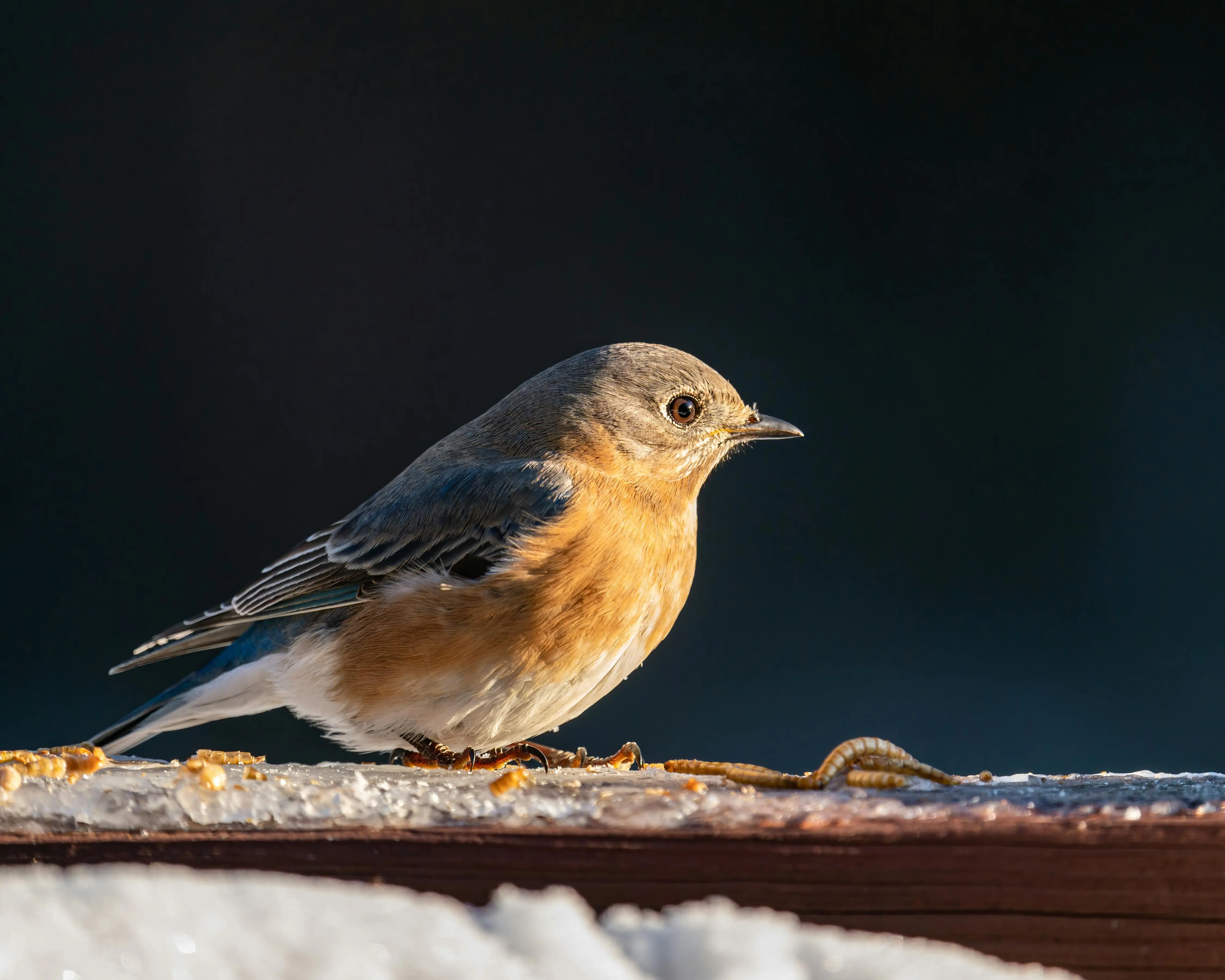
Their seasonal needs also influence feeding strategies. During nesting season, adult bluebirds will consume large quantities of mealworms to feed their growing chicks. Providing a reliable source during this crucial time can boost nesting success. In winter, when natural food sources are scarce, mealworms can be a vital energy supplement. Understanding these dietary needs and preferences is the first step toward selecting the ideal bluebird feeders for mealworms that will truly benefit your local bluebird population.
Types of Bluebird Feeders for Mealworms
When it comes to bluebird feeders for mealworms, you’ll find a variety of designs, each with its own advantages. The most common types include tray feeders, enclosed feeders, and specialized bluebird houses with feeding trays. Tray feeders are perhaps the simplest and most accessible option. These are typically open platforms with shallow dishes or trays where mealworms can be placed. Their open design makes them highly visible and easy for bluebirds to access, as it mimics their natural foraging style. However, this openness also makes them susceptible to visits from other birds, squirrels, and even raccoons. To mitigate this, some tray feeders come with mesh cages or domes that allow small birds like bluebirds to enter while keeping larger pests out.
Enclosed feeders, often referred to as bluebird-specific feeders, are designed with openings that are typically sized just for bluebirds. These feeders often feature clear plastic or Plexiglas sides, allowing you to see the birds while protecting the mealworms from rain and larger birds. Some enclosed feeders have entrance holes on the sides or top, requiring bluebirds to enter a small compartment to access the mealworms. This design is highly effective at deterring larger birds and squirrels but might initially deter shyer bluebirds. Patience is key with these types of feeders, as bluebirds may take some time to become accustomed to them.
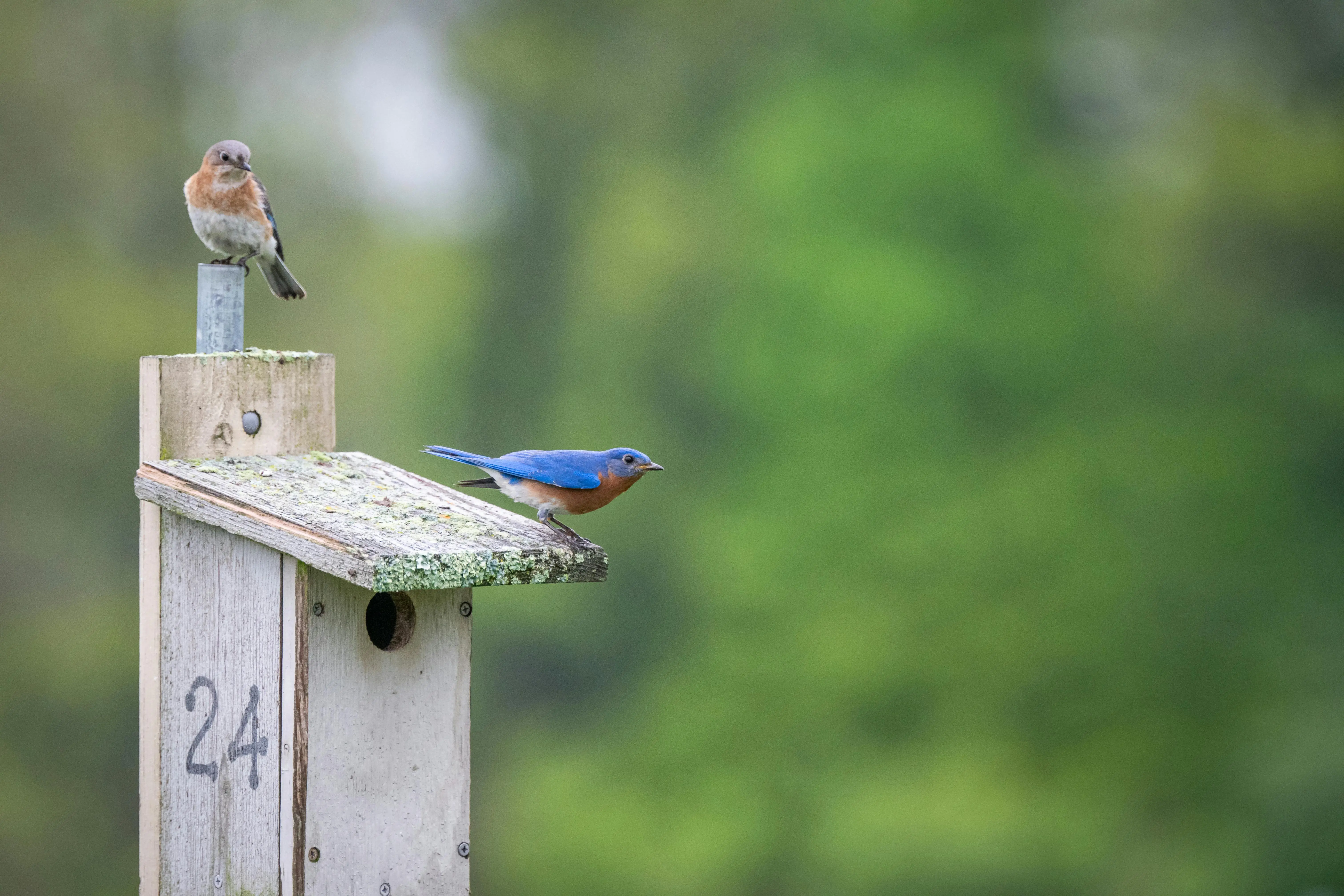
Finally, some bluebird houses incorporate a feeding tray directly into their design, offering a convenient all-in-one solution. These are particularly useful for attracting nesting bluebirds who will also appreciate a nearby food source. Regardless of the type, the ideal bluebird feeders for mealworms will prioritize easy access for bluebirds, protection of the mealworms from elements and pests, and durability. Consider your specific needs and the challenges presented by your local wildlife when making your selection to ensure a successful feeding station.
Key Features to Look for in Bluebird Feeders for Mealworms
When selecting bluebird feeders for mealworms, several key features contribute to their effectiveness and your overall satisfaction. Durability is paramount. Choose feeders made from robust materials like cedar, recycled plastic, or powder-coated metal that can withstand various weather conditions without deteriorating. Wooden feeders should be made from naturally rot-resistant wood and have smooth finishes to prevent splinters. Recycled plastic feeders are often very easy to clean and maintain, offering a long lifespan.
Ease of cleaning is another crucial factor. Mealworms, especially live ones, can leave residues, and uneaten mealworms can spoil quickly, leading to mold and bacteria. Feeders with removable trays or dishes make cleaning much simpler, preventing the buildup of harmful substances. A clean feeder is essential for the health of the bluebirds and prevents the spread of diseases. Look for designs that allow you to easily wipe down all surfaces and rinse out the mealworm containers.
Protection from predators and pests is a significant concern. As mentioned, bluebirds are relatively small and can be intimidated by larger birds like starlings or jays, or by squirrels and other mammals. Features like restrictive cage openings, weight-activated perches, or specialized baffles can help limit access to bluebirds only. Some feeders offer roof overhangs or domes that protect mealworms from rain, preventing spoilage and keeping them fresh longer. Effective drainage is also important for open trays to prevent water from pooling and spoiling dried mealworms.
Finally, consider the capacity and refill frequency. If you have a large bluebird population or prefer less frequent refilling, a feeder with a larger mealworm capacity might be ideal. However, it’s also important not to overfill, as mealworms can spoil. A balance between capacity and freshness is key. By carefully evaluating these features, you can choose bluebird feeders for mealworms that will provide a safe, accessible, and hygienic food source for your cherished bluebirds.
Placement and Maintenance for Optimal Results
The success of your bluebird feeders for mealworms hinges not just on the feeder itself but also on its placement and consistent maintenance. Bluebirds prefer open, somewhat secluded areas where they have a clear view of their surroundings. Placing the feeder near a shrub or small tree offers them a convenient perch and a quick escape route from potential predators, but avoid dense foliage that could hide cats or other threats. Positioning the feeder in an area that receives some morning sun can help dry out any moisture, but too much direct sun throughout the day can cook live mealworms or spoil dried ones quickly. A location that offers a balance of sun and shade is often ideal.
Height is also an important consideration. A feeder mounted on a pole 4 to 6 feet off the ground is generally recommended. This height puts the feeder out of reach of ground predators like cats while still being easily visible to bluebirds. Using a pole with a baffle can further deter squirrels and raccoons from accessing the feeder. Ensure the feeder is visible from areas where bluebirds are likely to spend time, such as open lawns or garden edges, but not so close to your house that human activity constantly disturbs them.
Regular maintenance is absolutely critical for the health of the bluebirds and the longevity of your feeder. Clean your bluebird feeders for mealworms regularly, ideally every few days, especially if you are using live mealworms. Remove any uneaten mealworms and scrub the feeder parts with a mild soap solution and rinse thoroughly. Allow it to dry completely before refilling. This prevents the buildup of bacteria, mold, and other pathogens that can harm bluebirds. Store mealworms, especially live ones, in a cool, dark place according to supplier instructions to maximize their freshness. By paying attention to both placement and diligent maintenance, you create an inviting and safe dining experience that will keep your bluebirds returning season after season.
Maximizing Your Bluebird Attraction with Bluebird Feeders for Mealworms
To truly maximize your success with bluebird feeders for mealworms, consider integrating them into a broader strategy for attracting these beautiful birds. While mealworms are a powerful lure, bluebirds are also drawn to specific habitat features. Providing fresh water in a bird bath, especially one with a dripper or mister, can be incredibly appealing. Bluebirds love to bathe, and a reliable water source will significantly enhance your backyard’s attractiveness. Ensure the bird bath is kept clean and filled with fresh water daily.
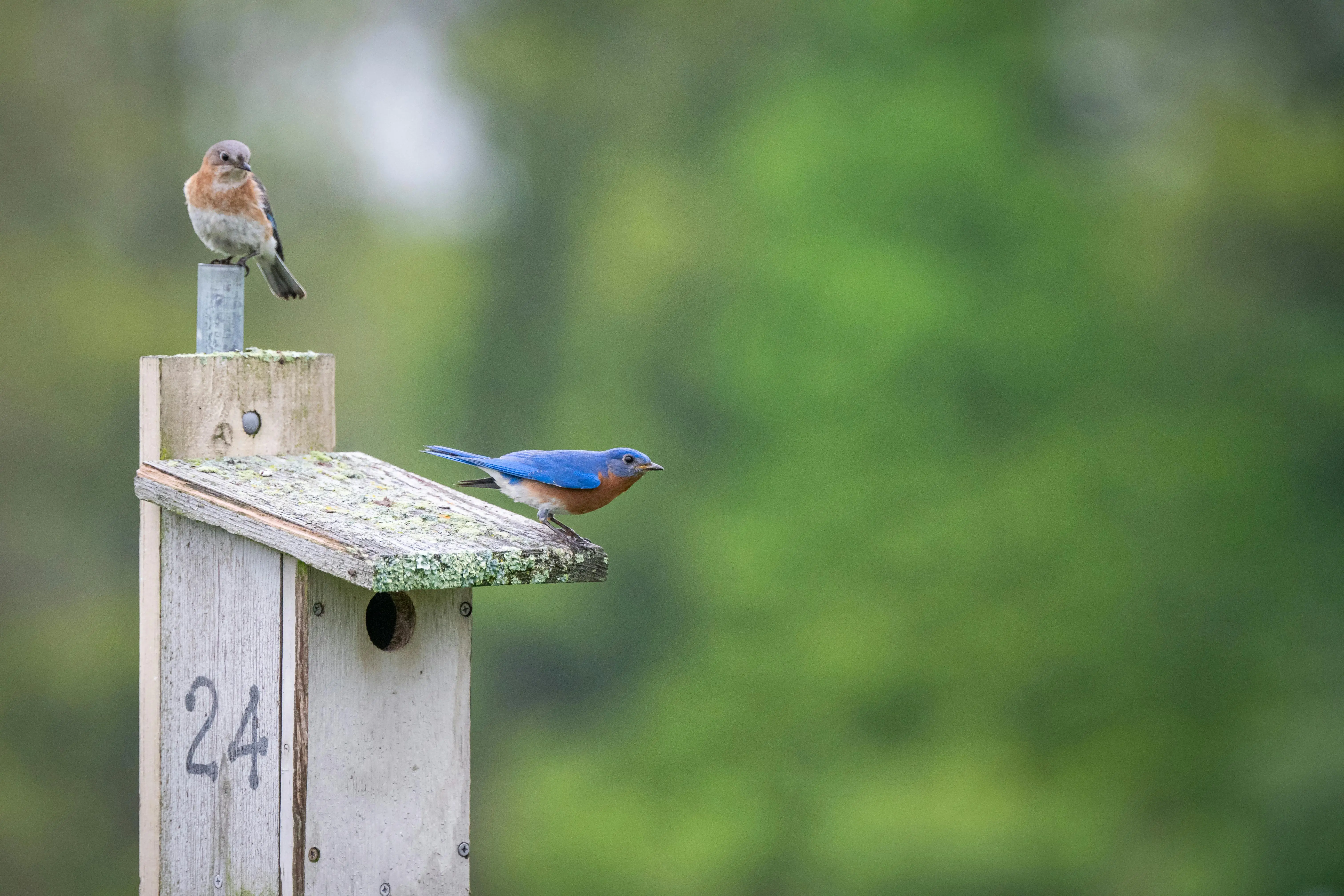
Another key element is providing nesting opportunities. Installing bluebird nesting boxes in appropriate locations can encourage them to establish territories in your yard. Pair these nesting boxes with your mealworm feeders. Often, bluebirds will nest close to a reliable food source, making your efforts even more successful. Ensure your nesting boxes are predator-proof and designed specifically for bluebirds, with proper ventilation and drainage. The presence of mealworm feeders nearby serves as a strong incentive for nesting pairs, especially during the demanding breeding season when they need easily accessible protein for their young.
Consider planting native plants that produce berries or offer insects, such as sumac, dogwood, or serviceberry. While mealworms are a supplement, bluebirds also forage for natural insects and berries. A diverse landscape provides a more complete and sustainable habitat. By combining bluebird feeders for mealworms with these additional habitat elements – water, shelter, and native plantings – you create a comprehensive and irresistible environment for bluebirds. This holistic approach will not only attract them but also encourage them to stay, nest, and raise their young, bringing vibrant color and song to your garden for years to come.
FAQ – Your Top Questions About Bluebird Feeders for Mealworms Answered
What is the best bird food for bluebirds?
While bluebirds eat a variety of insects and berries, mealworms are overwhelmingly the best bird food for bluebirds when it comes to supplemental feeding. They are a high-protein, easily digestible treat that bluebirds absolutely adore, especially live mealworms. Dried mealworms are also a good option, especially if rehydrated.
How do you keep squirrels out of bluebird feeders for mealworms?
Keeping squirrels out requires specific strategies. Use squirrel baffles on feeder poles, select feeders with caged enclosures that only allow small birds through, or opt for weight-activated feeders that close under the weight of a squirrel. Proper feeder placement away from jump-off points is also key.
Where is the best place to put a bluebird feeder?
The best place to put a bluebird feeder is in an open area, 4-6 feet off the ground, with clear sightlines, but also within 10-20 feet of a shrub or small tree for cover. Avoid placing it in dense thickets or too close to your house for optimal bluebird comfort and safety.
Can I just put mealworms on the ground for bluebirds?
While bluebirds forage on the ground, putting mealworms directly on the ground is generally not recommended. It can attract ground predators, other unwanted species, and the mealworms can quickly become dirty, wet, or spoil. A shallow tray feeder is a much better and more hygienic option.
How often should I clean my bluebird feeders for mealworms?
You should clean your bluebird feeders for mealworms regularly, ideally every few days, especially if you are using live mealworms. Uneaten mealworms can quickly spoil and grow mold or bacteria, which can be harmful to bluebirds. Use a mild soap and water solution, rinse thoroughly, and dry completely.
Conclusion: Your Ultimate Bluebird Sanctuary
Creating a backyard haven for bluebirds is a deeply gratifying endeavor, and selecting the right bluebird feeders for mealworms is undoubtedly one of the most crucial steps. We’ve explored the unique feeding habits of these charming birds, delving into why mealworms are their preferred delicacy and how specific feeder designs can cater to their needs. From open tray feeders that offer easy access to enclosed, predator-proof designs, understanding the variety available empowers you to make an informed choice that suits your specific environment and bluebird population.
Remember, the success of your bluebird feeding station extends beyond just the feeder itself. Thoughtful placement, away from dense cover but near an escape route, provides them with both security and visibility. Diligent and regular cleaning is paramount to prevent disease and ensure a fresh, appealing food source. By adhering to these best practices, you’re not just providing food; you’re cultivating a safe, healthy, and attractive environment that encourages bluebirds to visit, stay, and even nest in your garden. The joy of watching a family of bluebirds thrive in your backyard is unparalleled.
Combining your bluebird feeders for mealworms with a clean water source, native berry-producing plants, and appropriately placed nesting boxes will complete your bluebird sanctuary. This holistic approach ensures that these vibrant insectivores have everything they need to flourish, bringing their cheerful song and brilliant blue plumage to your daily life. Start today by choosing the perfect bluebird feeder for mealworms and embark on a wonderful journey of attracting and nurturing these beloved birds. Your efforts will be richly rewarded with the sheer beauty and ecological benefits these magnificent creatures bring to your outdoor space.